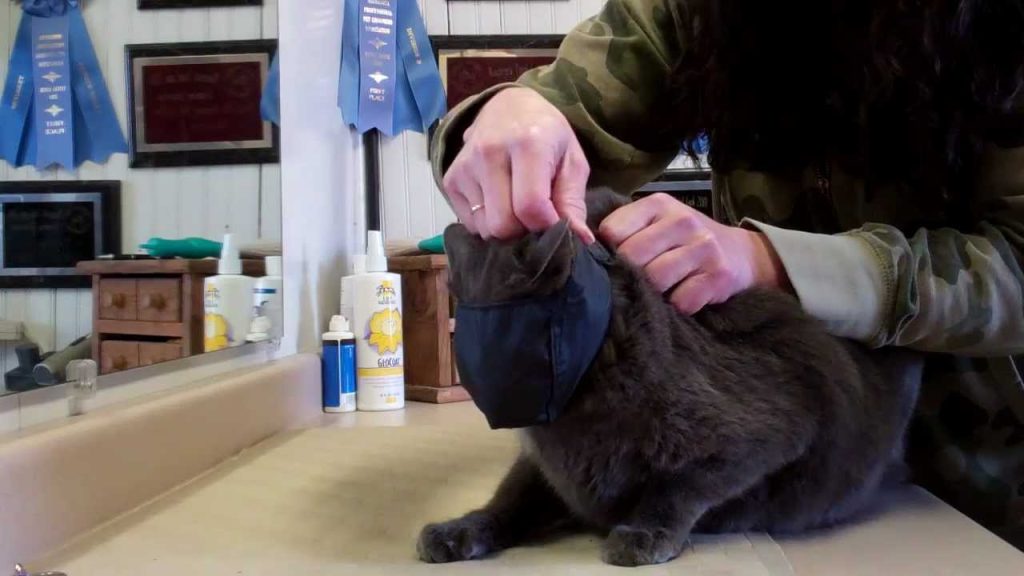
Grooming your cat can feel like trying to catch a cloud with your bare hands. You might have experienced the struggle of holding down a squirmy feline, all while trying to clip their nails or brush their fur.
It’s not just you—many cat owners find themselves in this challenging situation. But what if there was a way to make this task easier and less stressful for both you and your furry friend? Imagine a grooming session where your cat feels calm and you feel confident.
In this guide, you’ll discover simple yet effective techniques to restrain your cat safely and gently during grooming. Stay with us, and you’ll learn how to transform this chore into a bonding experience that you and your cat can actually enjoy.

Credit: doctorgroomer.com
Preparing Your Cat
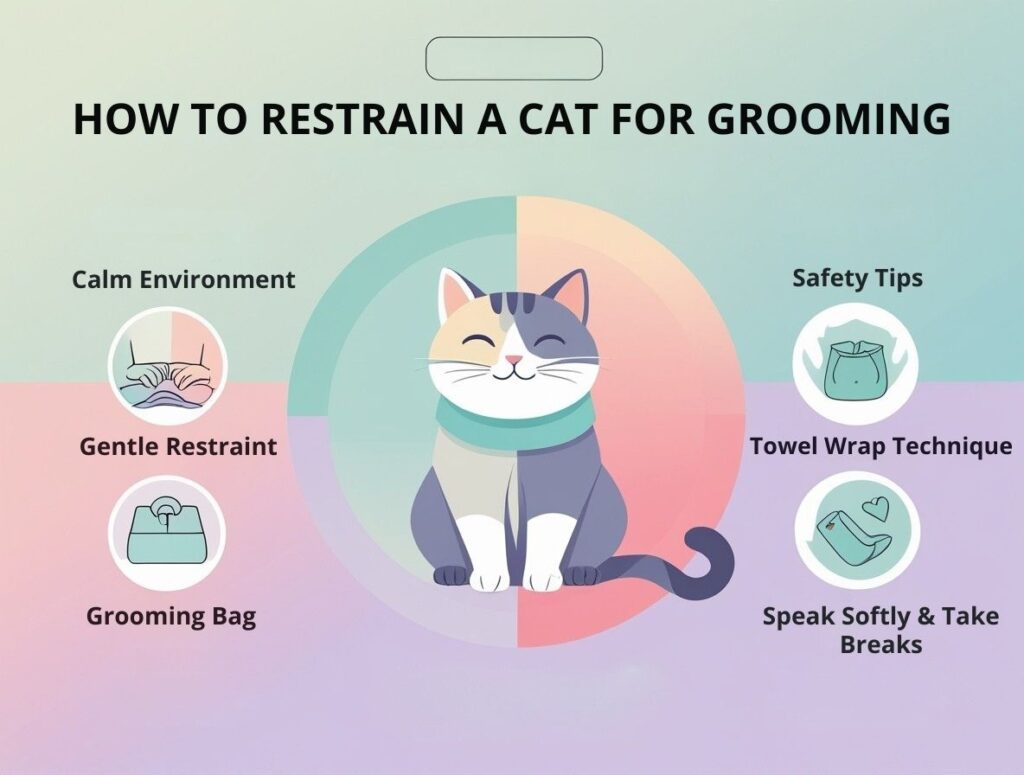
Ensuring a calm environment helps when restraining your cat for grooming. Use a soft towel to gently wrap your cat. This method offers comfort and security, reducing stress during grooming sessions.
Preparing your cat for grooming is essential. It ensures a stress-free experience for both you and your feline friend. A calm cat is easier to handle, reducing the risk of scratches or bites. With some preparation, grooming can become a bonding time. Follow these steps to make the process smoother.Creating A Calm Environment
Cats sense your emotions. Stay calm and collected. Choose a quiet room free from distractions. Turn off loud appliances. Soft music can help. Dim the lights if needed. Familiar smells like your scent can comfort your cat. Consider using a pheromone diffuser.Gathering Necessary Supplies
Have everything ready before you begin. A brush suited for your cat’s fur type is vital. Clippers, if needed, should be sharp and clean. A gentle cat shampoo if bathing is part of the plan. Towels for drying and cleanup. Treats for rewarding good behavior. All supplies should be within reach. This prevents unnecessary movement during grooming.Understanding Cat Behavior
Cats often need gentle restraint during grooming to ensure their safety and comfort. Wrapping your feline friend in a soft towel can help calm them. Holding them securely but gently can prevent any sudden movements, making the grooming process smoother.
Understanding your cat’s behavior is crucial when it comes to grooming. Cats are creatures of habit and sensitivity, often exhibiting unique signals based on their moods. To ensure a stress-free grooming experience, recognizing these signals can make a world of difference.Recognizing Stress Signals
Cats express stress through various behaviors. Watch for signs like rapid breathing or dilated pupils. If your cat’s tail is twitching, it might be feeling anxious. Is your cat hiding or avoiding you? These actions can signal discomfort or fear. Pay attention to vocalizations. A sudden increase in meowing or growling can indicate that your cat is feeling uneasy.Building Trust And Comfort
Building trust with your cat takes time and patience. Approach grooming sessions calmly, allowing your cat to get used to your presence. Use positive reinforcement. Reward your cat with treats when it remains calm during grooming. Consider grooming your cat in a familiar, quiet space. This can make the experience less intimidating. Have you tried talking softly to your cat? A soothing voice can help ease its anxiety and foster a sense of security. Understanding these behaviors and responses will help you create a grooming routine that your cat feels comfortable with. How do you plan to make your grooming sessions more peaceful for your feline friend?Choosing The Right Restraint Method
Grooming your cat can be a challenging yet rewarding experience, especially when you’ve mastered the art of restraint. Choosing the right restraint method is crucial for both your safety and your cat’s comfort. Different methods work for different cats, so it’s important to consider your cat’s personality and tolerance levels. Let’s look at some effective ways to keep your feline friend calm during grooming sessions.
Using A Towel Wrap
The towel wrap, often referred to as the “cat burrito,” is a gentle yet effective way to restrain your cat. Grab a large, soft towel that your cat is familiar with. Lay the towel flat, place your cat in the center, and gently wrap the towel around them, leaving their head exposed.
This method is great for cats who are anxious or squirmy, as the snugness of the towel can have a calming effect. Once wrapped, you can easily access paws and other areas without your cat wiggling free. Remember to speak softly and offer treats to keep them relaxed.
Employing A Grooming Bag
A grooming bag is another excellent tool for cat restraint. These bags usually have zippers for easy access to different parts of the cat’s body. Choose a size that fits your cat comfortably—neither too tight nor too loose.
This method is ideal for grooming tasks like trimming nails or brushing fur. The bag limits your cat’s movement, making it easier for you to work efficiently. Always ensure the bag is well-ventilated and never leave your cat unattended while inside.
Considering A Cat Harness
A cat harness can be a game-changer for cats who are more cooperative. Unlike a towel or grooming bag, a harness allows your cat a bit of freedom while still keeping them secure. Opt for a harness with adjustable straps for a snug fit.
This method is particularly useful for cats who are used to wearing a harness, perhaps for outdoor walks. It gives you control without making your cat feel too restricted. Have you ever tried using a harness for grooming? It might just be the solution you need!
Finding the right restraint method can transform grooming time from a stressful ordeal to a bonding experience. Each cat is unique, so it may take a few tries to find what works best. Consider your cat’s personality, and don’t be afraid to experiment until you find a method that keeps both you and your cat calm and happy.
Step-by-step Restraint Techniques
Grooming a cat safely involves gentle restraint techniques. Wrap your cat in a towel, leaving the head exposed. Hold firmly but gently to prevent movement during grooming.
Grooming your cat can be challenging, especially if your feline friend is not fond of being handled. Knowing how to restrain your cat properly can make the process smoother and stress-free for both of you. Understanding the step-by-step restraint techniques ensures you can groom your cat effectively without causing them discomfort. Let’s dive into the essential techniques that can help you get through grooming sessions with ease.Securing The Head And Paws
Start by gently securing your cat’s head. You can do this by placing your hand under their chin and your thumb on top of their head. This not only calms your cat but also gives you control to prevent any sudden movements. When it comes to the paws, wrap a soft towel around the cat, leaving the paws exposed for grooming. This technique is effective for trimming nails or cleaning paws. It’s like a cozy burrito, giving your cat a sense of security while you groom. Do you ever notice how a gentle touch can soothe your cat? Use this to your advantage. By securing the head and paws in a gentle manner, you can make the grooming experience less intimidating for your furry friend.Properly Holding The Body
To hold your cat’s body securely, place one hand under their chest. Your other hand should support their hindquarters. This position stabilizes your cat while leaving you free to groom efficiently. You might find it helpful to sit on the floor with your cat between your legs. This creates a natural barrier, preventing them from escaping easily. It’s a practical approach that balances control with comfort. Have you ever tried different positions to see which one your cat prefers? Experiment with how you hold the body to find the most comfortable arrangement for both you and your cat. This can transform grooming from a dreaded chore into a bonding activity. By following these restraint techniques, you can ensure a safer, more comfortable experience for your cat during grooming. Each method requires patience and practice, but the effort is worth the reward of a happy, well-groomed cat.Safety Tips
Grooming your cat can be a challenging task. Ensuring safety for both you and your feline friend is crucial. Proper restraint techniques are important. They prevent injury and stress. Understanding safety tips can make the grooming process smoother.
Avoiding Common Mistakes
Many cat owners make simple errors during grooming. These mistakes can lead to stress or injury. Never rush the grooming process. Take your time and be gentle. Use appropriate grooming tools. Incorrect tools can harm your cat’s skin. Ensure the grooming area is quiet. Loud noises can startle your cat. Keep distractions to a minimum. This helps maintain your cat’s calmness.
Handling Aggressive Cats
Some cats may become aggressive during grooming. It’s important to remain calm. Speak softly to soothe your cat. Use a towel to gently wrap your cat. This provides comfort and restraint. Ensure your grip is firm but gentle. Never squeeze or apply too much pressure. Consider using a professional groomer for very aggressive cats. A professional can handle difficult situations safely.
Credit: doctorgroomer.com
Post-grooming Care
After grooming your cat, proper care ensures their comfort and happiness. This phase helps prevent stress and maintains their well-being. Paying attention to your cat’s needs after grooming can strengthen your bond.
Checking For Injuries
Inspect your cat’s body for cuts or scratches. Grooming tools might accidentally cause small injuries. Look closely at paws and ears. These areas are sensitive and prone to harm. If you notice any wounds, clean them gently with a damp cloth. Use antiseptic wipes if necessary. Ensure the area remains dry to prevent infections. Consult a vet if you spot anything serious.
Rewarding Your Cat
Post-grooming, reward your cat to associate grooming with positive feelings. Offer their favorite treat or a small toy. Spend time petting and talking to them softly. This reassures them and reduces stress. Praise them for their patience during grooming. Building a positive experience encourages cooperation in future grooming sessions.
When To Seek Professional Help
A gentle touch isn’t enough when your cat resists grooming. Consider professional help when scratches become frequent or your cat’s anxiety escalates. Expert groomers ensure safety while handling your cat with care.
Grooming your cat can be a daunting task. Some cats resist grooming more than others. Sometimes, it’s best to seek a professional’s help. Understanding when to make this decision is crucial. You want your furry friend comfortable and stress-free.Signs Of Excessive Stress
Cats show stress in various ways. Watch for heavy breathing or dilated pupils. These signs mean your cat feels scared. Hissing or growling indicates discomfort too. Excessive shaking or trembling is a red flag. If your cat hides often, stress might be high. A professional groomer knows how to ease these symptoms.Grooming Challenges
Matted fur is hard to handle alone. It requires special tools and skills. Cats with long hair need regular attention. If your cat’s fur is heavily tangled, consider help. Some cats refuse nail clipping. They squirm or bite when you try. Groomers have experience managing difficult cats. They can trim nails safely and efficiently. `
Credit: www.youtube.com
Frequently Asked Questions
How Do You Groom An Unwilling Cat?
Start by gently petting your cat to calm them. Use treats as rewards during grooming. Gradually introduce grooming tools like a brush. Keep sessions short to avoid stress. Create a quiet, safe environment to make your cat more comfortable. Be patient and consistent for better results.
How Do I Immobilize My Cat For Grooming?
Gently wrap your cat in a towel, leaving the head exposed. This creates a “kitty burrito” effect. Ensure the towel is snug but not too tight. Speak soothingly to keep your cat calm. Regular breaks help reduce stress during grooming.
How Do You Restrain An Uncooperative Cat?
Use a towel to wrap the cat gently, leaving its head exposed. Hold it securely but not too tight. Offer calm reassurance and avoid sudden movements to keep the cat relaxed.
How Do Groomers Deal With Difficult Cats?
Groomers use calming techniques to handle difficult cats. They create a quiet environment, use soothing tones, and apply gentle restraint. Specialized equipment like cat muzzles or grooming bags ensures safety. Patience and experience help groomers manage stress, ensuring a smoother grooming process for the cat.
Conclusion
Grooming your cat can be a bonding experience. It requires patience and care. Use gentle restraint techniques to keep your cat calm. Always ensure a safe environment during grooming. Speak softly to reassure your pet. The right tools make the process smoother.
Practice makes perfect, so don’t rush. Respect your cat’s limits for a stress-free session. A calm cat is a happy cat. With time, grooming becomes easier for both of you. Enjoy the journey of caring for your feline friend. Happy grooming!