Are you ready to unlock your cat’s hidden potential and transform your feline friend into a well-behaved companion? Clicker training might just be the game-changer you’ve been searching for.
Unlike traditional methods, clicker training taps into your cat’s natural instincts, making learning fun and engaging for both of you. Imagine teaching your cat to come when called or to perform adorable tricks that wow your friends. This training method not only strengthens the bond you share but also keeps your cat mentally stimulated and happier.
Curious about how to get started? Stick around to discover the step-by-step guide that will turn your cat into a clicker training superstar. Your journey to a more harmonious life with your furry friend is just a click away!
Benefits Of Clicker Training
Clicker training isn’t just for dogs—cats can benefit from it too! This positive reinforcement technique uses a clicker sound to mark desired behaviors, making it easier for your feline friend to learn new tricks or commands. But what are the specific benefits of clicker training your cat? Let’s dive into the reasons why this method can be a game-changer for you and your pet.
1. Strengthens the Bond Between You and Your CatClicker training can significantly enhance the relationship you have with your cat. When I began clicker training with my cat, Luna, I noticed she became more engaged and attentive during our sessions. This shared activity fosters trust and understanding, creating a deeper connection between you both.
2. Encourages Mental StimulationCats need mental challenges just as much as physical exercise. Clicker training provides a fun way to stimulate your cat’s mind. It encourages problem-solving and keeps their brain active. Have you ever noticed how a bored cat can become mischievous? Training can redirect that energy into something productive.
3. Reduces Undesirable BehaviorsClicker training can effectively minimize behaviors like scratching furniture or jumping on counters. By rewarding positive actions, you can teach your cat alternative behaviors. Imagine the relief when your cat chooses the scratching post over your couch! Consistent training helps reinforce these choices.
4. Prepares Your Cat for New ExperiencesTraining can help your cat become more adaptable to new environments or situations. When I moved to a new apartment, Luna adjusted quickly because she had already learned to respond to commands. Clicker training builds confidence, making transitions smoother for your cat.
5. Provides a Fun and Rewarding ExperienceClicker training sessions are not just beneficial—they’re fun! Both you and your cat will enjoy the learning process. The joy of seeing your cat succeed and the satisfaction of teaching them something new is incredibly rewarding. What’s your favorite trick you’ve taught your cat?
Consider trying clicker training with your cat and experience these benefits firsthand. It’s a rewarding journey that can transform your relationship and improve your cat’s quality of life.
Choosing The Right Equipment
Selecting the right tools is essential for successful cat clicker training. A small, easy-to-use clicker is ideal. Pair it with tasty cat treats to reinforce positive behavior effectively.
Training your cat can be a delightful experience when you have the right equipment. Think of it as assembling a toolkit that will make the process smooth and enjoyable for both you and your feline friend. The right tools can turn training into an engaging activity and help strengthen the bond between you and your cat. So, what should you include in your clicker training gear? Let’s dive into the essentials.Selecting A Clicker
Picking the perfect clicker is your first step. You want something easy to use and comfortable to hold. Some clickers come with a wrist strap, which can be handy during training sessions. Look for one with a distinct, sharp sound that your cat can easily recognize. I once tried a soft-sounding clicker, and my cat seemed confused. Switching to a louder one made a significant difference. Your clicker’s sound should be unique enough to catch your cat’s attention amidst household noises.Essential Treats
Treats are the heart of clicker training; they are your cat’s motivation. Choose treats that are small, tasty, and healthy. If your cat is on a diet, opt for low-calorie options or break larger treats into smaller pieces. Experiment with different flavors to see what excites your cat the most. During training, I discovered my cat’s love for salmon-flavored treats. It made her more enthusiastic and responsive to commands. What treat will be your cat’s favorite? Consider using a treat pouch for easy access during sessions. It keeps treats fresh and helps you avoid scrambling around for them while training. Final Thoughts Getting the right equipment is crucial for a successful clicker training journey with your cat. What challenges have you faced with your training tools? Share your experiences in the comments below!Establishing A Training Routine
Creating a training routine for clicker training your cat requires patience and consistency. Start with short sessions, rewarding positive behavior with treats. Gradually increase complexity as your cat becomes more comfortable with the clicker.
Establishing a consistent training routine for clicker training your cat is essential. Cats love predictability and feel safe with set patterns. A regular schedule helps them understand what to expect. This predictability makes them more receptive to learning new tricks. Establishing a routine also strengthens your bond with your feline friend.Setting Time And Place
Choose a specific time for training sessions. Cats are more alert after eating or napping. Pick a quiet place free from distractions. This helps your cat focus solely on you. Keep training sessions short, around 5-10 minutes. This prevents boredom and keeps your cat eager to train.Creating A Positive Environment
Ensure the training area is calm and comfortable. Remove toys or items that might distract your cat. Use soft lighting to create a soothing atmosphere. Keep treats handy to reward your cat promptly. Positive reinforcement helps your cat associate training with good feelings. Speak in a gentle, encouraging voice. Your cat will respond better to a calm tone.
Credit: www.amazon.com
Introducing The Clicker
Introducing a clicker into your cat’s training routine might seem unusual, but it’s a powerful tool that can transform how your feline friend learns and responds. Clicker training is all about communication. It’s a simple yet effective method to bridge the gap between you and your cat, making learning a positive experience for both. A clicker is a small device that emits a distinct clicking sound when pressed. This sound acts as a marker, letting your cat know they’ve done something right. But how do you get started with it?
Conditioning To The Sound
Before your cat can associate the click with a reward, they need to understand what the click means. This is where conditioning comes into play. Start by clicking the device and immediately following the sound with a treat. Repeat this process several times over a few days. This repetition helps your cat learn that the click means something good is coming.
Imagine the clicker as a language that your cat needs to learn. Consistency is key in this phase. Keep sessions short but frequent to maintain your cat’s interest and avoid overwhelming them.
Associating Click With Reward
Once your cat recognizes the click, it’s time to pair it with specific actions. Begin with simple behaviors like sitting or touching a target. When your cat performs the desired action, click and give them a treat. This association reinforces the behavior you want to encourage.
Every click should be paired with a reward. This ensures your cat understands the connection between their action and the positive outcome. Are there particular behaviors you wish your cat would adopt? The clicker can make this happen, transforming your training sessions into fun and interactive experiences.
Training with a clicker isn’t just about obedience; it’s about building a stronger bond with your cat. So, how will you use the clicker to communicate better with your feline friend?
Teaching Basic Commands
Training a cat using a clicker involves patience and consistency. Start by associating the click sound with treats. Gradually, introduce basic commands like sit or stay, rewarding your cat each time they respond correctly.
Teaching your cat basic commands can be a rewarding experience. Clicker training is a powerful method that makes learning fun for both you and your feline friend. By using a clicker, you can communicate with your cat effectively, reinforcing positive behavior. This technique requires patience and consistency, but the results are well worth the effort. Let’s delve into how you can teach your cat essential commands like “Sit and Stay” and “Come and Follow.”Sit And Stay
Teaching your cat to sit is a great starting point. Begin by holding a treat just above your cat’s nose. Slowly move the treat upwards, encouraging your cat to look up and naturally sit down. As soon as your cat sits, click the clicker and give them the treat. Repeat this process several times, ensuring you click and reward immediately when your cat sits. Gradually introduce the verbal cue “sit” right before you move the treat. This helps your cat associate the word with the action. To teach “stay,” start with your cat in a sitting position. Hold your hand up like a stop signal and say “stay.” Take a step back. If your cat remains seated, click and reward. Increase the distance gradually over time, rewarding them for staying put.Come And Follow
Getting your cat to come when called can be a lifesaver. Start by calling your cat’s name followed by the word “come” while holding a treat. When they approach you, click and give the treat. Practice this command in different rooms, so your cat learns to come even when they can’t see you. Consistency is key here. For “follow,” encourage your cat to walk alongside you by holding the treat close to your leg. Click and reward when they walk a few steps with you. Why not challenge yourself by training your cat in a new environment? This helps reinforce their learning and builds trust between you and your furry companion. Have you ever thought about how this training could deepen your bond with your cat?
Credit: pasadenahumane.org
Advanced Tricks And Skills
Discover how to clicker train your cat using simple, effective techniques. This method builds strong communication and reinforces positive behavior. Engage your feline friend in a fun, interactive way, enhancing their learning experience.
Training your cat with advanced tricks and skills can be both fun and rewarding. Once your cat has mastered basic commands, it’s time to challenge them with more complex tricks. These advanced skills not only enhance your cat’s mental agility but also strengthen your bond. Let’s dive into some exciting tricks you can teach your feline friend.High-five And Shake
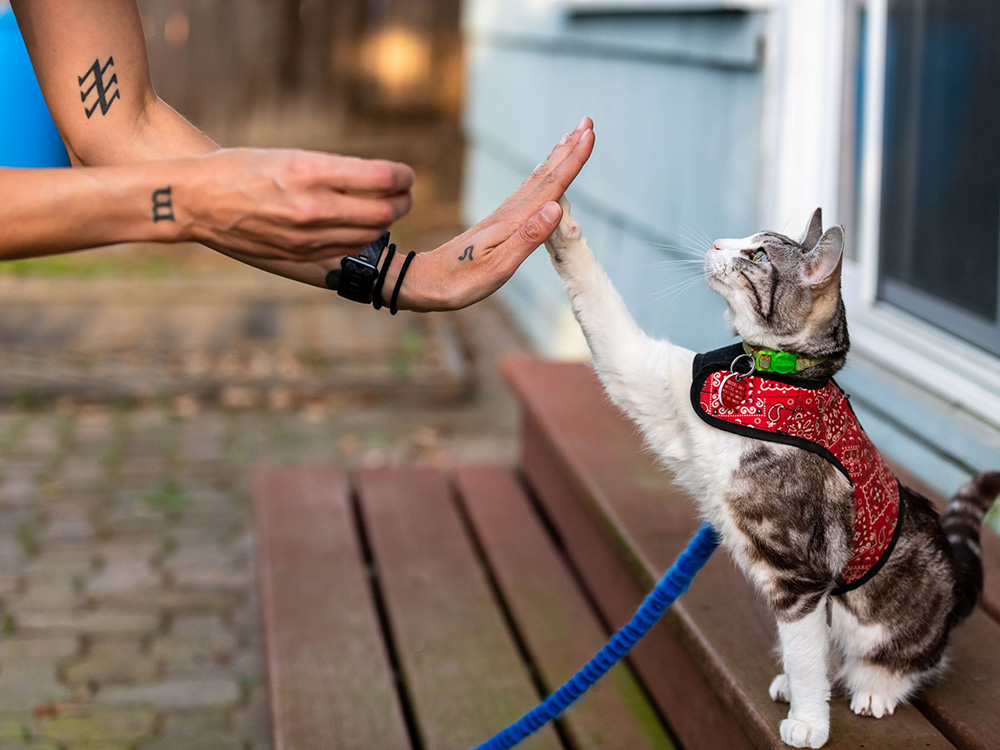
Imagine the surprise on your friends’ faces when your cat raises a paw for a high-five. Start by holding a treat just above your cat’s head. When they reach up with a paw, gently touch it and say “high-five.” Repeat this process several times, rewarding your cat with a treat each time. Gradually, your cat will associate the action with the command. Once they have grasped high-five, you can transition to teaching them to shake paws. Simply offer your hand and use the same reward system.Jump And Spin
Cats are natural jumpers, so why not channel that energy into a fun trick? Use a toy or treat to guide your cat over small obstacles. Begin with something low and easy to step over. As your cat becomes comfortable, increase the height slightly. When they jump, use a command like “jump” and reward them. For spins, hold a treat near their nose and slowly move it in a circle. Encourage your cat to follow the treat with their nose, leading to a spin. Reward them every time they complete a full circle. Are you curious about how quickly your cat will catch on? With patience and consistency, your cat will soon be showing off these impressive tricks. Clicker training isn’t just about teaching new skills; it’s about building communication and trust. Embrace the journey and enjoy the playful moments with your furry companion.Troubleshooting Common Challenges
Clicker training a cat involves patience and understanding. Common challenges include capturing your cat’s attention and maintaining consistency. Use simple commands and offer treats as rewards to encourage positive behavior.
Clicker training your cat can be an exciting and rewarding journey, but it’s not without its challenges. Sometimes, your furry friend might not respond as expected, leaving you puzzled. Don’t worry, every problem has a solution, and with a little patience, you can get back on track. Let’s dive into some common challenges and how to overcome them.Overcoming Fear Of The Clicker
Some cats might be startled by the sound of the clicker. If your cat runs away or hides when they hear the click, this is a sign they’re scared. To help them overcome this, try muffling the clicker sound. Wrap it in a cloth or use a quieter clicker. Gradually increase the volume as your cat becomes more comfortable. Reward them immediately with a treat after each click. This helps them associate the sound with something positive. Another tip is to click the device while your cat is eating their favorite food. This ensures the sound becomes part of a happy and safe experience.Dealing With Inattention
Cats are naturally curious and easily distracted. If your cat seems uninterested during training sessions, consider the timing and environment. Make sure your training sessions are short, around 5-10 minutes. This keeps your cat engaged without overwhelming them. Choose a quiet space with minimal distractions. Turn off the TV and keep other pets away to hold their attention. Use high-value treats that your cat loves. This makes the training session exciting and rewarding for them. Have you ever noticed how your cat pays more attention when they’re hungry? Try training before mealtime when they’re more motivated by food. Remember, patience is key. Celebrate small wins and progress, no matter how minor they seem. What are some challenges you’ve faced while clicker training your cat? Share your experiences in the comments below!Maintaining Progress
Start with small, consistent steps to clicker train your cat effectively. Use treats and a clicker to reinforce positive behaviors. Keep sessions short to maintain your cat’s interest and progress steadily.
Maintaining progress in clicker training your cat is crucial. Cats are curious creatures and love mental stimulation. Keeping them engaged ensures they continue learning and enjoying their training sessions.Reinforcing Learned Behaviors
Consistent reinforcement of learned behaviors helps your cat remember commands. Use the clicker every time your cat performs a desired action. Pair it with a treat to strengthen the connection. Praise your cat verbally with a gentle voice. This builds a positive association with the behavior. Maintain a routine for training sessions. Short, daily practices are better than long ones. This keeps your cat’s interest alive and avoids boredom.Introducing New Challenges
Once basic commands are mastered, introduce new challenges. Start with simple tricks like sitting or high-five. Gradually increase the difficulty level. This keeps your cat mentally stimulated. Vary the environment to add excitement to training sessions. Try using different rooms or outdoor spaces. Introduce new objects or toys during training. This encourages your cat to explore and learn. Adapt the training based on your cat’s progress. Be patient and flexible with new tasks.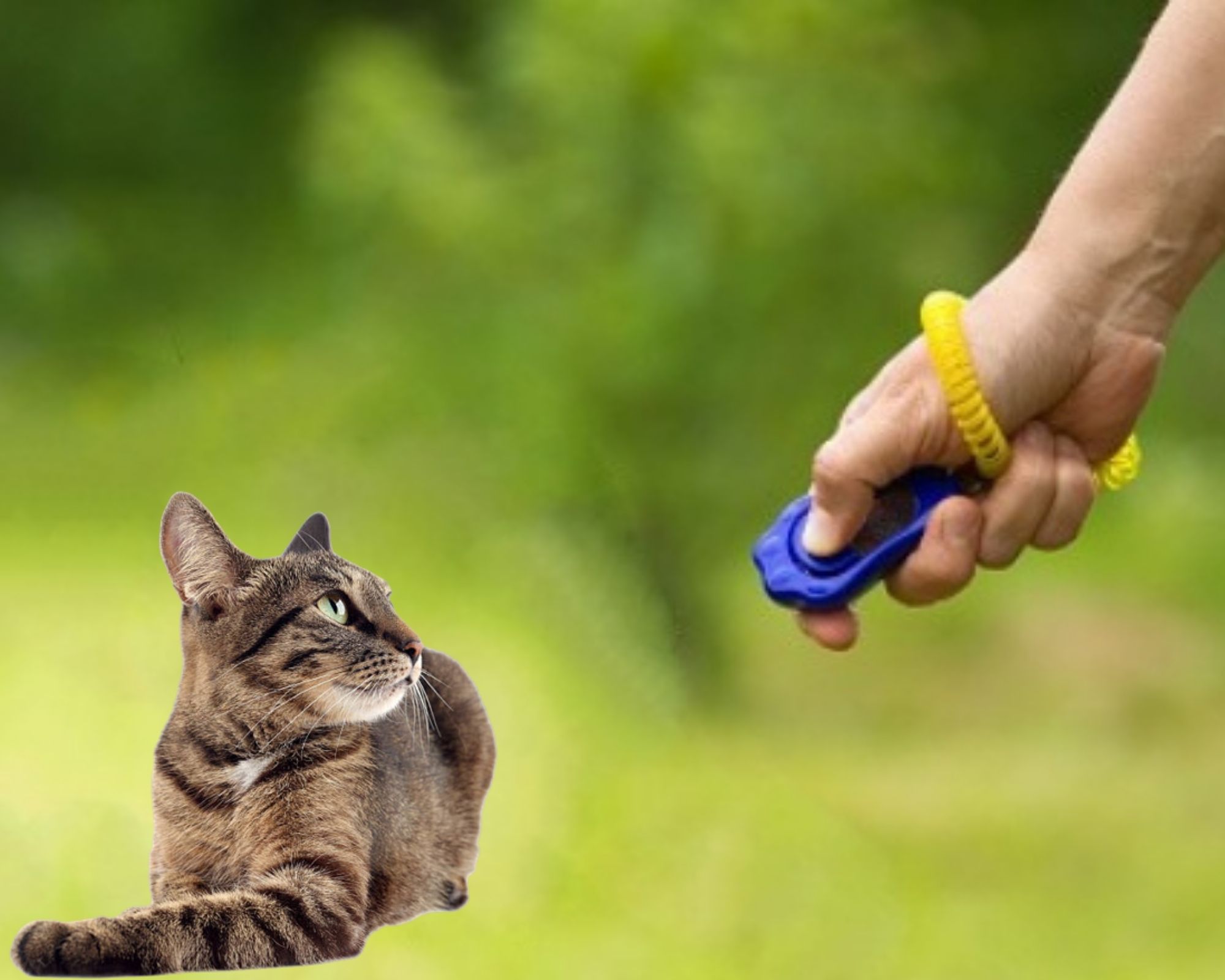
Credit: www.servicedogtrainingschool.org
Frequently Asked Questions
Do Clickers Work To Train Cats?
Yes, clickers effectively train cats by associating positive reinforcement with desired behaviors. Cats quickly learn commands using clicker training. Keep sessions short and reward promptly for best results. This method enhances communication between you and your feline friend, making training enjoyable and efficient.
How Long Does It Take To Clicker Train Cats?
Clicker training cats usually takes a few weeks to a couple of months. Consistency and patience are essential for success. Start with short, daily sessions to keep your cat engaged. Each cat learns at its own pace, so adjust your approach based on your cat’s progress and reactions.
How Do I Start Clicker Training My Cat?
Begin by choosing a quiet environment. Use a clicker and small treats. Click the clicker, then immediately give a treat. Repeat this process multiple times to create an association. Gradually introduce simple commands like “sit” or “come,” clicking and rewarding when your cat follows the command.
What Are The Downsides Of Clicker Training?
Clicker training may require precise timing and patience. Some pets might become dependent on the clicker for commands. It may not address behavioral issues effectively. Trainers need consistency for success. Not suitable for all animals or complex training scenarios.
Conclusion
Clicker training your cat can be fun and rewarding. It builds a strong bond. Your cat learns quickly with patience and practice. Keep sessions short and positive. Use treats your cat loves. Remember, every cat is unique. Progress may vary.
Celebrate small successes. Stay consistent and calm. Training creates a happier home. Both you and your cat enjoy the benefits. So grab a clicker, start today! The journey is worth it. Your cat will appreciate the effort. Happy training!