Are you tired of finding little surprises around your home because your cat refuses to use the litter box? You’re not alone.
Many cat owners face this frustrating issue, but the good news is that with the right approach, you can teach your cat to use the litter box consistently. Imagine the relief of walking into a clean, fresh-smelling home, knowing your cat has mastered this essential habit.
In this guide, you’ll discover simple, effective steps to train your cat, making your life easier and your home happier. Ready to say goodbye to those unwanted messes and hello to a more harmonious living space with your feline friend? Keep reading to unlock the secrets to successful litter box training.

Credit: www.dvm360.com
Choosing The Right Litter Box
Training your cat to use the litter box starts with choosing the right one. A well-chosen litter box ensures your cat feels comfortable and safe. Consider your cat’s size, habits, and preferences. This will make the training process smoother and more successful.
Size And Design Considerations
The size of the litter box matters. It should be large enough for your cat to move freely. If your cat feels cramped, they might avoid using it. Think about the litter box’s height too. A box with low sides can help kittens and older cats easily enter. For larger cats, opt for a box with higher sides to prevent litter spill.
Design is also important. Some cats prefer open spaces. Others like enclosed areas. Choose a design that suits your cat’s personality. A simple, easy-to-clean design is best for you and your cat.
Covered Vs. Uncovered Options
Deciding between a covered or uncovered litter box can be tricky. Covered boxes provide privacy, which some cats love. They also help contain odors. But not all cats like feeling confined. Some may feel trapped and avoid using it.
An uncovered box offers easy access and visibility. This can be reassuring for some cats. Observe your cat’s behavior to decide. If unsure, you can try both options. See which one your cat prefers.
Selecting The Ideal Litter
Training your cat to use the litter box efficiently starts with choosing the right litter. The texture, scent, and type of litter can significantly impact your cat’s willingness to use the litter box. But how do you select the ideal litter for your feline friend? Let’s dive into the different options available and how they might affect your cat’s comfort and your home’s environment.
Types Of Cat Litter
There are several types of cat litter available, each with its unique features. You can choose from clumping clay, non-clumping clay, silica gel, and natural options like pine or corn. Clumping clay is popular because it makes scooping easy, while silica gel offers superior odor control. Natural litters are biodegradable and better for the environment, but might not be as effective in controlling odor. It’s worth considering a trial of different types to see which your cat prefers.
Think about the impact on your cleaning routine. Clumping litter generally requires less frequent full changes, while non-clumping litter might need replacing more often. Also, consider your budget. Natural litters can be pricier but offer eco-friendly benefits.
Scented Vs. Unscented Litter
Should you choose scented or unscented litter? This decision can be crucial. Scented litter can mask odors, but some cats find the added fragrance off-putting. If your cat refuses to use the litter box, it might be worth switching to an unscented option. Many cats prefer a neutral smell, which makes unscented litter a safer bet.
Consider your home’s overall scent dynamics too. While scented litter might appeal to your sense of cleanliness, it can clash with other home fragrances. Unscented litter allows the natural odors of your home to prevail, providing a more harmonious environment.
Have you ever noticed your cat sniffing and walking away from a litter box? This could be a hint that the scent isn’t working for them. It’s a simple yet powerful observation that can guide your choice. Remember, the goal is to make your cat comfortable and keep your home fresh.
Ultimately, selecting the ideal litter involves a bit of experimentation and observation. Your cat’s preference and your household needs should guide your decision. Could the scent or type of litter be the reason your cat avoids the litter box? It’s worth pondering.
Strategic Placement Of The Litter Box
Training your cat to use a litter box is a task that requires patience and strategy. One of the key elements in ensuring success is the strategic placement of the litter box in your home. By choosing the right spot, you create a comfortable and accessible environment for your feline friend. Let’s dive into the best locations and areas to avoid when placing the litter box.
Best Locations In The Home
Finding the perfect spot for the litter box can make all the difference. Consider areas that are quiet and away from the hustle and bustle. A bathroom or laundry room often works well. They’re usually less chaotic and provide a sense of privacy.
Another tip is to place the litter box in a corner. Cats appreciate the security of a corner spot. It allows them to feel less exposed and more in control. Think about your cat’s perspective—where do they like to relax or hide? This can guide you to the ideal location.
Avoiding High-traffic Areas
Placing the litter box in high-traffic areas can lead to stress for your cat. Imagine trying to focus on a task while people constantly pass by. Your cat feels the same way. Avoid busy spots like hallways or kitchens where activity is constant.
Consider areas where you or your family gather frequently. These are usually not the best spots for a litter box. The commotion can discourage your cat from using it. Do you really want your cat to associate their bathroom with the sound of cooking or conversations?
Ultimately, the placement of the litter box should be strategic and considerate of your cat’s needs. Remember, every cat is unique. Pay attention to their behavior and preferences. This can lead to a happier cat and a cleaner home. Where will you place your litter box next?
Introducing Your Cat To The Litter Box
Introducing your cat to the litter box is an essential step. It ensures cleanliness and comfort for your feline friend. Cats are naturally inclined to use a litter box. But sometimes they need guidance. A proper introduction can make this transition smooth and stress-free. Let’s explore effective techniques for this process.
Gradual Introduction Techniques
Start by placing the litter box in a quiet spot. Avoid areas with heavy foot traffic. Cats prefer privacy. Allow your cat to explore the new setup. Don’t rush the process. Give them time to adjust. Initially, keep the litter box near their sleeping area. This proximity encourages usage. Gradually move it to its permanent location. Let them follow at their own pace.
Creating Positive Associations
Reward your cat after using the litter box. Treats work well as incentives. Praise them with gentle words. Make the experience pleasant. Keep the litter box clean. Cats dislike dirty environments. Use a litter type your cat prefers. Experiment with different textures. Some cats like clumping litter. Others prefer sand-like litter. Observe their behavior to decide.
Establishing A Routine
Training your cat to use the litter box requires patience and routine. A structured approach helps your cat understand where to go for their needs. Establishing a routine makes this process smoother and more effective.
Scheduled Litter Box Visits
Introduce your cat to the litter box at regular times. After meals is a good time. Cats often need to relieve themselves then. Guide them gently to the litter box. They will start associating the box with their needs.
During the day, bring your cat to the box. Do this regularly. It reinforces the habit. This scheduled approach helps them remember. Over time, they will go on their own.
Consistency In Training
Stick to the routine every day. Cats learn through repetition. Consistency builds confidence. Your cat will feel secure knowing what to expect.
Maintain the same routine. Change can confuse them. Use the same litter type and box location. Cats are creatures of habit. They thrive on predictability.
Reward your cat for using the box. Positive reinforcement encourages them. Praise or a treat works well. Keep training sessions short. Cats have short attention spans.
Credit: wb-iisg.com
Handling Accidents
Training your cat to use a litter box requires patience and consistency. Start by placing the box in a quiet, accessible area. Encourage your cat with gentle guidance and positive reinforcement.
Training your cat to use the litter box can sometimes be a bumpy ride, especially when accidents happen. It’s easy to feel frustrated, but remember that patience is key. Understanding how to manage these mishaps not only helps your cat learn better but also strengthens your bond. Let’s explore some practical ways to handle these situations effectively.Cleaning Up Properly
A fresh start begins with a clean space. When your cat has an accident, clean the area thoroughly to remove any lingering odors. Use an enzymatic cleaner designed for pet stains—these break down the odor-causing substances that attract your cat back to the same spot. Avoid using ammonia-based cleaners. They can smell similar to urine and may confuse your cat. If your cat keeps returning to the wrong spot, try placing the litter box there temporarily to encourage its use.Addressing Behavioral Issues
Sometimes, accidents are a sign of something deeper. Consider if there have been recent changes in your home that might stress your cat. New pets, moving, or changes in routine can all affect your cat’s behavior. Observe your cat for signs of anxiety or discomfort. Is your cat avoiding the litter box or acting differently? You might need to consult a vet to rule out medical issues. Training your cat is about understanding its needs—your cat might simply need more time or a different approach. Have you noticed patterns in your cat’s accidents? Identifying triggers can guide you in adjusting your training strategy. Small changes can make a big difference, leading to a happier, accident-free home.Monitoring And Adjusting
Training your cat to use the litter box can be challenging. Monitoring and adjusting are key parts of this process. Pay close attention to your cat’s behavior. Make necessary changes to ensure success. This approach helps in building a consistent routine.
Observing Your Cat’s Behavior
Watch your cat closely during the day. See how they interact with the litter box. Do they seem comfortable? Are they hesitant? These observations can provide valuable insights. They help you understand any issues your cat might have. Regular monitoring can identify problems early. This way, you can make timely adjustments.
Adapting To Changes
Cats may have changing needs over time. Be prepared to adapt. If your cat suddenly avoids the box, check for changes at home. New smells or sounds can affect their behavior. Adjust the box location if needed. Try different types of litter. Some cats prefer finer textures. Others like specific scents. A small change can make a big difference. Always be ready to try new solutions.

Credit: www.youtube.com
Common Mistakes To Avoid
Training a cat to use the litter box can be tricky. Avoid changing the location too often, as it confuses your cat. Ensure the litter box is clean to encourage regular use.
Training your cat to use the litter box can be a rewarding experience, but it’s not without its challenges. There are common pitfalls that many cat owners encounter, often leading to frustration for both the pet and the owner. Understanding these mistakes can help you create a more effective training environment for your feline friend. Let’s delve into some key areas where you might be going wrong.Overwhelming Your Cat
Cats are creatures of habit and sudden changes can stress them out. If you’ve ever switched your cat’s litter brand or moved the box to a new location, you might have noticed some resistance. Start by introducing changes gradually. Consider the experience of a friend who introduced two new litter boxes at once. Her cat ended up avoiding both. Instead, add one new box at a time and monitor your cat’s behavior. Does your cat seem hesitant to approach the box? It’s likely a sign that it’s overwhelmed. Ask yourself: Are you expecting too much too quickly? Remember, patience is key. Each cat learns at its own pace, so give your feline companion time to adjust.Neglecting Regular Maintenance
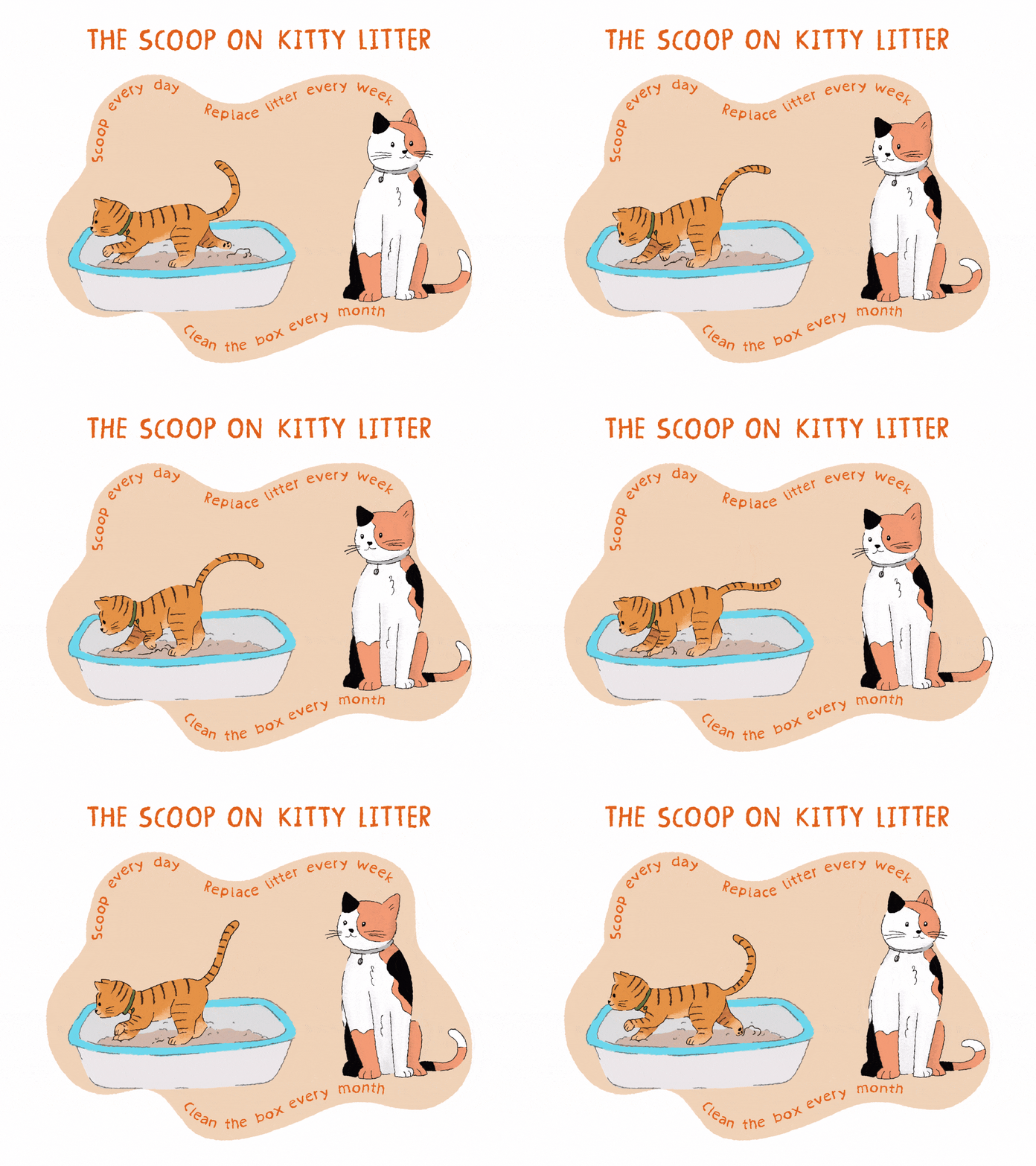
Imagine walking into a dirty restroom. Would you use it? Cats are no different. A clean litter box is crucial for effective training. If your cat is avoiding the litter box, check its cleanliness. A neighbor once complained about her cat using the bathroom floor instead of the box. Turns out, she was only cleaning the box once a week. A simple fix: scoop waste daily and fully replace the litter every few weeks. Are you maintaining your cat’s litter box regularly? The smell and cleanliness can greatly impact your cat’s willingness to use it. Regular maintenance is not just about hygiene; it’s about respecting your cat’s environment. Avoid these common mistakes to make your cat’s litter box training smoother and stress-free. By being mindful of your cat’s needs, you’re more likely to foster a positive and lasting habit.Frequently Asked Questions
How Do I Get My Cat To Use The Litter Box?
Place the litter box in a quiet, accessible location. Keep it clean by scooping daily. Use unscented litter, and ensure the box is the right size for your cat. Encourage use by placing your cat in it after meals or naps.
Reward positive behavior with treats or praise.
How Long Does It Take For A Cat To Learn How To Use A Litter Box?
Most cats learn to use a litter box within a few days. Kittens may take longer, around 3 to 4 weeks. Consistency and positive reinforcement help speed up the process. Ensure the litter box is easily accessible and kept clean for best results.
Do Cats Prefer Open Or Closed Litter Boxes?
Cats have individual preferences for litter boxes. Some prefer open boxes for easy access and visibility. Others like closed boxes for privacy. Offering both options can help determine your cat’s preference. Always ensure the litter box is clean and in a quiet, accessible location.
What Draws A Cat To A Litter Box?
Cats are drawn to litter boxes due to their natural instinct to bury waste. Litter boxes mimic outdoor environments, providing privacy and comfort. The scent of clean litter also attracts cats, encouraging them to use the box for their needs.
Regular cleaning keeps it inviting and hygienic.
Conclusion
Training your cat to use a litter box is achievable. Patience is key. Start with a suitable litter box and location. Choose a litter your cat likes. Encourage and reward your cat often. Keep the box clean to avoid issues.
Watch for signs of discomfort or reluctance. Adjust as needed to suit your cat’s preferences. Understand that each cat is unique. Tailor your approach accordingly. Consistent effort leads to success. With time, your cat will adapt. Enjoy a clean and happy home environment.