Are you losing sleep because your cat won’t stop meowing? Maybe your feline friend is vocalizing a bit too much, leaving you wondering how to find some peace and quiet.
You’re not alone. Many cat owners face the same challenge, and there is hope. Imagine enjoying a calm and silent home where you and your cat communicate effortlessly. The secret lies in understanding why your cat meows and using the right training techniques.
In this guide, you’ll discover simple and effective strategies to help your cat curb excessive meowing. Ready to transform your home into a more serene space? Let’s get started!

Credit: www.walmart.com
Causes Of Excessive Meowing
Cats meow for various reasons. Understanding these reasons is key to addressing excessive meowing. Each cat has its personality and reasons for vocalizing. By identifying the cause, you can help your cat meow less. Let’s explore some common causes of excessive meowing.
Attention Seeking
Many cats meow to get your attention. They might want to play or cuddle. If your cat meows often, try spending more time with them. A few extra minutes of play can make a difference. Attention-seeking meows are common in affectionate cats.
Hunger And Thirst
Cats meow when they are hungry or thirsty. Ensure your cat has fresh water available. Feed them at regular intervals to keep them satisfied. A scheduled feeding routine can reduce meowing for food. Hungry cats often vocalize loudly to express their needs.
Medical Issues
Excessive meowing can signal health problems. Cats might be in pain or discomfort. If your cat’s meowing is unusual, visit a vet. Early detection of medical issues can prevent serious complications. Health checks are crucial for vocal cats.
Stress And Anxiety
Changes in environment can stress cats. New pets or moving homes might upset them. Stress can lead to excessive meowing. Create a calm space for your cat to relax. Reducing stress can help lower anxiety-related meows.

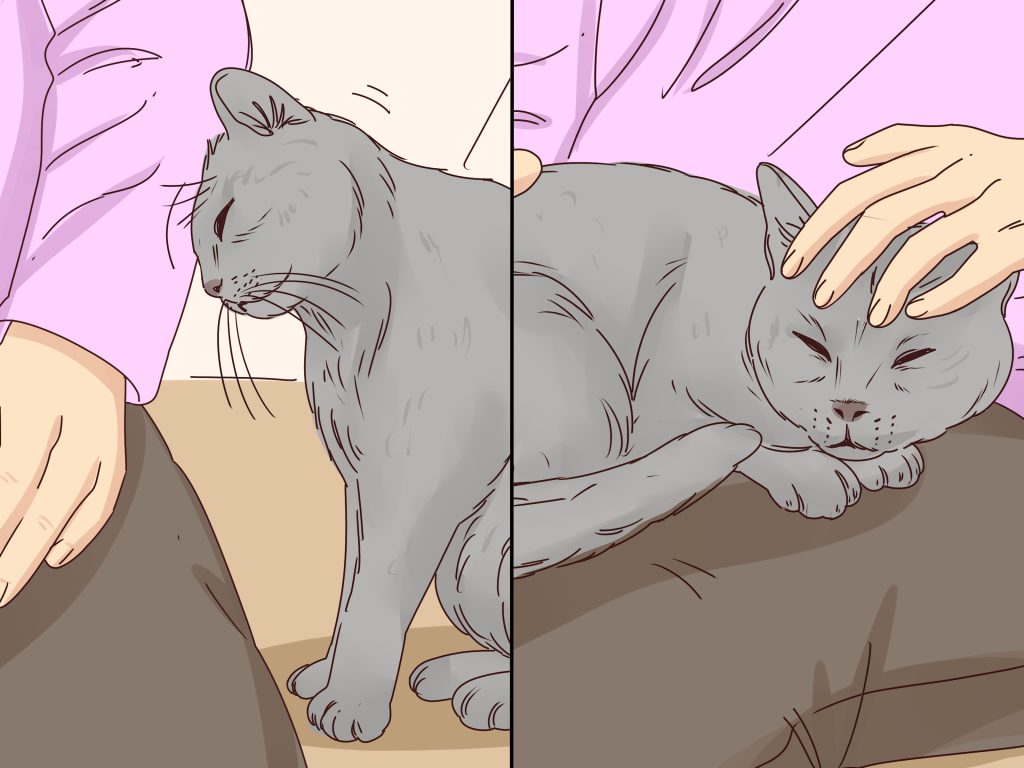
Credit: www.wikihow.com
Understanding Your Cat’s Meow
Cats meow to communicate, but excessive meowing can be managed. Identify triggers like hunger or boredom. Provide toys, create a routine, and reward quiet behavior to train your cat to meow less.
Understanding Your Cat’s Meow When your cat meows, it’s more than just a sound; it’s a form of communication. Understanding these vocalizations is crucial in training your cat to stop excessive meowing. Ask yourself, what is your cat trying to tell you? Once you decode their meows, you can address their needs more effectively.Types Of Meows
Cats have a variety of meows, each carrying its own message. A short, soft meow might mean a friendly greeting, while a loud, drawn-out meow could signal urgency or discomfort. Pay attention to the pitch and frequency, as they can provide clues about your cat’s emotional state. Imagine your cat meowing insistently at mealtime. This demanding sound often means “feed me now.” Recognizing these patterns helps you identify when meowing is necessary and when it’s simply a habit to be managed.Body Language
Your cat’s body language is a vital companion to their vocalizations. Notice if their tail is upright and ears are forward, as this typically indicates a content and relaxed cat. Conversely, a twitching tail and flattened ears might reveal stress or anxiety. Consider the context of your cat’s meowing. Is their body language indicating they want attention, or are they anxious about something in their environment? Observing these cues can guide you in addressing the root cause of their meowing. Remember, your cat’s meows are not just noise; they are an important part of how they interact with you. By understanding what they mean, you can build a stronger bond and help them adjust their vocal habits. Are you ready to listen to what your cat is really saying?Training Techniques
Quieting a cat’s meows involves patience and consistency. Introduce a routine with feeding and playtime to reduce anxiety. Reward silence with treats to encourage calm behavior.
Training a cat to stop meowing excessively can seem daunting, but with the right techniques, it becomes an achievable goal. The key lies in consistency and understanding your feline friend’s needs and behaviors. Let’s explore some effective training techniques that can help you manage your cat’s vocalizations.Positive Reinforcement
Positive reinforcement is a powerful tool in cat training. It involves rewarding your cat with treats or affection when they exhibit the desired behavior. For example, when your cat is quiet, reward them with a small treat or a gentle pet. This approach not only encourages good behavior but also strengthens your bond. It’s important to be patient and consistent. Over time, your cat will associate quietness with positive outcomes.Setting Boundaries
Cats, like humans, need boundaries. If your cat meows excessively, they may be testing your limits. Set clear boundaries by ignoring the meowing when it’s unnecessary. For instance, if your cat meows for food outside of meal times, resist the urge to feed them. This teaches them that meowing doesn’t always get them what they want. Ensure you provide attention during quiet moments instead.Using Commands
Training your cat with simple commands can also be effective. Use commands like “quiet” or “no meow” consistently. Accompany these commands with a hand gesture to reinforce the message. When your cat stops meowing on command, offer them a treat or praise. This method requires patience but can significantly reduce unnecessary meowing. Consider if your cat responds better to voice or visual cues. Are you ready to transform your relationship with your cat through these techniques? You’ll find that with time and patience, even the most vocal cat can learn to communicate in a quieter way.Adjusting Environment
Creating a calming space can help train cats to stop meowing. Adjust lighting and reduce noise for a peaceful atmosphere. Comfortable bedding and toys provide distraction, easing anxiety and reducing vocalizations.
Training a cat to stop meowing requires patience and understanding. One effective approach is adjusting the environment. Cats often meow for attention or due to discomfort. By tweaking their surroundings, you can help reduce unnecessary vocalizations. Creating a calm and inviting space often leads to a quieter and more content feline friend.Feeding Schedule
Cats might meow due to hunger or anticipation of meals. Establish a consistent feeding schedule. This helps minimize meowing related to food. Feed your cat at the same times each day. This routine provides security and reduces anxiety. Ensure the food is appropriate for your cat’s age and health. Balanced nutrition contributes to overall well-being.Comfortable Living Space
A comfortable living space is crucial for a content cat. Ensure your home offers plenty of cozy spots for resting. Cats enjoy soft bedding and quiet corners. Provide scratching posts and toys to keep them entertained. A well-arranged space reduces boredom and stress. Consider window perches for entertainment and relaxation.Reducing Stressors
Stress can lead to excessive meowing. Identify and reduce stressors in your cat’s environment. Loud noises, unfamiliar visitors, or other pets can cause anxiety. Create a safe zone where your cat can retreat. Use calming sprays or diffusers designed for cats. Regular playtime helps burn excess energy. It also strengthens the bond between you and your cat.Professional Help
Training a cat to stop meowing can challenge many owners. Sometimes, professional help becomes essential. Experts provide insights into your cat’s behavior. Understanding when to seek assistance is vital for effective training. If your cat’s meowing persists, it may indicate a deeper issue. This section delves into seeking professional help.
When To Consult A Vet
A vet can diagnose health problems causing excessive meowing. Pain or discomfort might be the reason behind your cat’s vocalization. A visit to the vet helps rule out medical concerns. If meowing continues despite training efforts, a vet’s opinion is crucial. Professionals can suggest treatments if underlying conditions exist.
Animal Behaviorists
Animal behaviorists specialize in understanding feline actions. They offer tailored strategies to address meowing issues. These experts analyze your cat’s environment and habits. They provide training plans that suit your cat’s needs. Consulting an animal behaviorist can improve your cat’s communication with you. Their guidance helps reduce your cat’s excessive meowing.
Consistency And Patience
Training a cat to stop meowing requires consistency and patience. Use gentle commands and positive reinforcement daily. Over time, your feline friend will learn to communicate more quietly.
Training a cat to stop meowing excessively can be challenging, but with consistency and patience, it’s entirely possible. Cats are creatures of habit, and they respond well to routines. By being consistent in your approach, you create a reliable pattern that your cat can follow. Patience is equally important, as changes in behavior don’t happen overnight. It’s crucial to remain calm and give your cat the time it needs to adjust to new expectations.Regular Practice
Just as you would with any habit, regular practice is key. Set aside a few minutes each day to work on training your cat. This doesn’t have to be a long or arduous process. Short, focused sessions are often more effective. For example, if your cat meows for attention, practice ignoring it until it stops. Reward the silence with a treat or affection. Over time, your cat will learn that quietness is more rewarding than constant meowing.Tracking Progress
Keeping a log of your cat’s behavior can be incredibly helpful. Note when your cat meows and what triggers it. This can help you identify patterns and address specific issues more effectively. Consider using a simple table to track: | Date | Trigger | Action Taken | Result | |————|——————|—————|————–| | Oct 1 | Meowed at door | Ignored | Stopped in 2 mins | | Oct 2 | Meowed for food | Fed at same time | Quieted down | This method not only helps you see improvements but also keeps you motivated. Are there particular times of day your cat is more vocal? Adjust your training sessions accordingly to tackle those moments. Consistency and patience aren’t just about training your cat; they also train you to be a more observant and compassionate pet owner. Have you found other effective ways to manage your cat’s meowing? Share your experiences in the comments below and let’s learn from each other.
Credit: www.amazon.com
Frequently Asked Questions
Can Cats Be Trained Not To Meow?
Training cats to reduce meowing is possible with patience and consistency. Reward quiet behavior with treats or attention. Address underlying causes like hunger or discomfort. Understand that complete silence may not be achievable, as meowing is natural communication for cats.
How Do You Discipline A Cat To Stop Meowing?
Ignore excessive meowing unless necessary. Ensure your cat’s needs are met, like food, water, and attention. Provide toys and playtime for stimulation. Use positive reinforcement for quiet behavior. Consult a vet if meowing persists.
How Do I Stop My Cat From Excessive Meowing?
Provide consistent feeding times and ensure they have enough play and attention. Address any medical issues with a vet. Use positive reinforcement to reward silence. Make sure their environment is stimulating and comfortable. Consider using interactive toys to keep them occupied.
How To Shut A Cat In Heat Up?
Calm a cat in heat by providing toys and distractions. Use feline pheromone diffusers for relaxation. Ensure she stays indoors to prevent mating. Consult a vet for spaying as a permanent solution.
Conclusion
Training a cat to stop meowing takes time and patience. Consistency is key. Use positive reinforcement to encourage quiet behavior. Reward your cat with treats and affection. Understand your cat’s needs for attention, food, or play. Meeting these needs can reduce excessive meowing.
Ensure a calm environment for your feline friend. Stress can lead to more vocalization. If meowing persists, consult a vet. Health issues might be the cause. Stay patient and understanding. Your cat will eventually learn. Remember, communication is natural for cats.
With time, you’ll both find balance. Enjoy the journey with your furry companion.