Are you a cat lover, or perhaps considering bringing a feline friend into your home? One of the many intriguing aspects of cats is their apparent knack for using the litter box.
But have you ever wondered if cats are naturally potty trained? This question might be more fascinating than you think. Understanding the answer could save you time, energy, and even a bit of frustration as you nurture a harmonious relationship with your furry companion.
Dive into this article to uncover the truth behind this mystery, and discover some surprising insights that could change how you view your cat’s behavior. Let’s unravel the secrets of your cat’s natural instincts and what it means for you as a pet owner.
Instinctual Behaviors
Cats often show natural instincts for using a litter box. Their preference for clean, soft surfaces helps guide them. These innate habits make them appear naturally potty trained.
Cats are fascinating creatures, and their behaviors often leave us humans both amused and bewildered. One of the most intriguing aspects of feline nature is their instinctual behaviors, especially when it comes to using the litter box. Many cat owners observe that their furry friends seem to know exactly what to do without much, if any, training. This natural inclination is deeply rooted in their instincts, which have evolved over thousands of years.Litter Box Attraction
Cats are naturally drawn to litter boxes, and this attraction is partly due to their instinctual preference for certain textures and environments. A litter box filled with fine, sandy material mimics the conditions they would seek in the wild. If you’ve ever noticed your cat scratching around in the litter before settling down to do its business, it’s because the texture feels right. This is why choosing the right type of litter is crucial. If your cat suddenly stops using the litter box, consider whether you’ve changed the type of litter or its location.Burial Instincts
Cats have a strong instinct to bury their waste, a behavior passed down from their wild ancestors. This burial instinct not only helps keep their living area clean but also serves a strategic purpose in the wild by hiding their scent from predators and rivals. You might find this behavior amusing or even annoying when your cat spends a significant amount of time covering its waste. But it’s a vital instinct that ensures your cat feels safe and secure in its environment. This is why a deep enough layer of litter is essential. If your cat can’t bury its waste, it might start looking for other places to do so. Have you ever wondered if these instincts are universal among all cats? Or if they can be altered through training or environment changes? Your observations and experiences with your cat might reveal more than you think about these fascinating creatures.
Credit: www.amazon.com
Role Of Mother Cats
Mother cats play a crucial role in teaching kittens essential habits, including potty training. They guide their young by demonstrating how to use a litter box and encouraging them to mimic these behaviors. Their natural instinct helps kittens become independent in maintaining cleanliness.
Cats are fascinating creatures, and their behavior often leaves us curious. One intriguing aspect is their ability to use the litter box. Are cats naturally potty trained, or do they learn this skill? The role of mother cats is pivotal here. They guide their kittens through early life, teaching essential skills, including using the litter box.Early Life Training
Mother cats play a crucial role in a kitten’s early life training. From the moment kittens are born, their mother tends to their needs, including grooming and feeding. During these early weeks, kittens closely observe their mother’s behavior. When it comes to using the litter box, kittens learn by watching their mother. If a mother cat uses a litter box, her kittens will likely follow her example. This early exposure is essential for kittens to grasp the concept of using a designated potty area.Copycat Learning
The concept of “copycat learning” is real in the feline world. Kittens often imitate their mother’s behavior. This includes how she grooms herself, hunts, and yes, even uses the litter box. Have you ever noticed how quickly kittens pick up habits? They are keen observers and learn through imitation. If a mother cat consistently uses the litter box, her kittens are more likely to do the same. This natural learning process simplifies the potty training journey for pet owners. But what if your cat wasn’t exposed to a litter-trained mother? Don’t worry! Cats are inherently clean creatures. With patience and positive reinforcement, you can guide your cat to use the litter box effectively. Isn’t it amazing how much influence a mother cat has on her kittens’ behavior? Do you recall any personal experiences where you noticed your cat mimicking behaviors? Understanding these dynamics can help you foster a harmonious environment for your feline friend.Human Influence
Cats often learn to use litter boxes without much effort. Instincts guide them to bury waste, making training easier. Gentle guidance and a clean environment can support this natural behavior.
Cats are often seen as naturally potty trained, but human influence plays a significant role in shaping their litter habits. Your choices can make or break this process. Understanding how you can positively influence your cat’s potty behavior is crucial.Litter Box Placement
The location of the litter box can greatly affect your cat’s willingness to use it. A friend of mine once had her cat refuse the box simply because it was placed in a noisy laundry room. Cats prefer quiet, private spaces where they feel secure. Placing the litter box in a calm area will encourage consistent use. Think about the accessibility of the litter box. A box placed too far away or in a difficult-to-reach spot may discourage use. Consider if you would enjoy the walk to the bathroom if it were in an inconvenient location.Choice Of Litter
The type of litter you choose can also impact your cat’s potty training success. A colleague was surprised when her cat rejected scented litter, preferring unscented, natural options. Cats often have strong preferences for certain textures and smells. Experiment with different types to find what your cat likes best. Monitoring your cat’s response to litter changes can guide your decision. Have you noticed a reluctance or eagerness in their behavior with different litters? Remember, your choices matter. By understanding and adjusting to your cat’s preferences, you can ensure a smoother potty training experience.Challenges And Solutions
Cats often instinctively use litter boxes, but some may need guidance. Observing their behavior helps identify any issues. Solutions like choosing the right litter and maintaining cleanliness can encourage proper habits.
Cats are often seen as naturally clean animals. They instinctively use litter boxes. Yet, some cats may face challenges. Owners need patience and understanding. Solutions can help address these issues effectively.Common Issues
Cats may avoid litter boxes for several reasons. Some dislike the type of litter. Others find the box location bothersome. Stress or changes in the home can affect behavior. Cats might also have health problems. These issues need attention for effective training.Training Tips
Choose a litter your cat likes. Experiment with different types. Keep the box clean. Cats avoid dirty areas. Place the box in a quiet spot. Cats need privacy. Ensure the box is easily accessible. This prevents accidents. Reward your cat for using the box. Positive reinforcement works well. If problems persist, consult a vet. Health issues might be the cause.Comparing Cats And Other Pets
Pet owners often wonder about the ease of potty training their furry friends. Cats are known for their cleanliness, often making potty training seem effortless. But how do they compare with other pets? Let’s explore this intriguing comparison.
Dogs Vs. Cats
Dogs require consistent training to learn potty habits. They rely on their owners to guide them. Puppies, in particular, need frequent trips outside. Cats are different. They instinctively use a litter box, needing little guidance. Their natural cleanliness makes them easier to manage. Owners find this trait convenient and less time-consuming.
Small Animals
Small animals like hamsters and rabbits have unique potty habits. Hamsters often choose one corner of their cage for waste. Rabbits can learn to use a litter box, but need training. Cats, by contrast, adapt quickly to litter boxes without much effort. Their behavior sets them apart in the world of pet potty training.
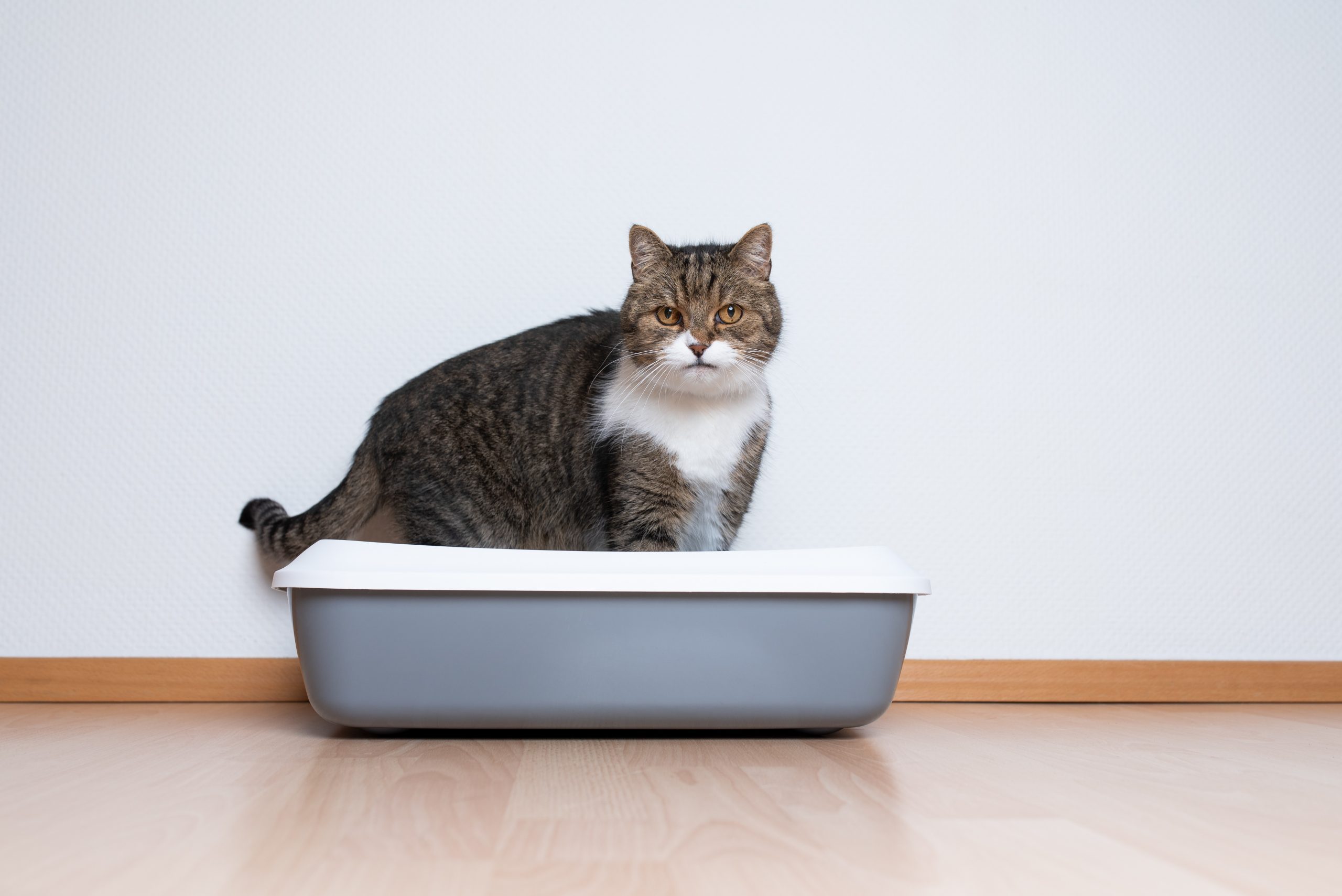
Credit: www.rd.com
Myths And Misconceptions
Cats are often seen as naturally clean animals. Many believe they instinctively know how to use a litter box. This perception leads to several myths and misconceptions. Understanding these can help cat owners better care for their pets.
Potty Training Myths
Some people think cats are born knowing how to use a litter box. This is not entirely true. Kittens learn this behavior from their mother. They mimic her actions. Without a mother to guide them, they might need human assistance.
Another myth is that all cats prefer the same type of litter. Cats have different preferences. Some like clumping litter, while others prefer non-clumping. Observing your cat’s behavior helps in selecting the right type.
Behavioral Misunderstandings
Not all potty issues are due to poor training. Sometimes, a cat’s refusal to use the litter box stems from stress. Changes in the environment can lead to accidents. New pets or a move might upset them.
Health issues can also affect litter habits. A urinary tract infection might cause a cat to avoid the litter box. It’s essential to rule out medical problems first. Consult a vet if unusual behavior persists.
Expert Opinions
Cats have a reputation for being naturally potty trained. But, is it true? Understanding expert opinions helps clarify this fascinating aspect of feline behavior. Experts like veterinarians and animal behaviorists share their valuable insights. These professionals shed light on why many cats seem to instinctively use the litter box. Their expertise reveals the nuances behind this behavior.
Veterinarian Insights
Veterinarians often observe cats’ natural habits and instincts. They note that cats have a strong inclination for cleanliness. This instinct guides them to bury their waste. Litter boxes mimic the natural environment where cats can dig and cover. This behavior is deeply rooted in their ancestry. Wild cats bury waste to avoid predators. Veterinarians emphasize the importance of a clean litter box. A dirty box can deter a cat from using it. This can lead to inappropriate elimination. Regular cleaning encourages the cat’s natural habits.
Animal Behaviorists
Animal behaviorists study why cats behave certain ways. They explain that a cat’s early life experiences play a role. Kittens learn to use the litter box from their mothers. Watching their mother helps them adopt this behavior. Positive reinforcement also influences litter box habits. Behaviorists suggest rewarding good litter box use. This strengthens the natural inclination. Some behaviorists recommend placing litter boxes in quiet areas. Cats prefer privacy when using the litter box. Understanding these preferences can improve litter box use.
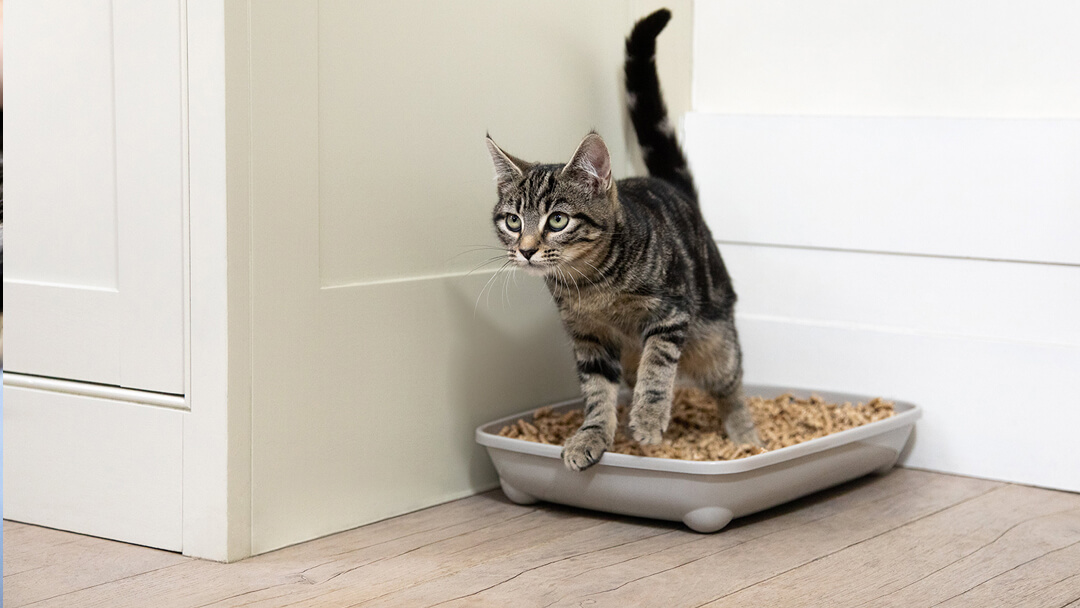
Credit: www.purina-arabia.com
Frequently Asked Questions
Will A Stray Cat Automatically Use A Litter Box?
A stray cat may not automatically use a litter box. Training and patience can help. Initially, place the box in a quiet, accessible area. Use unscented litter to attract the cat. Gradually, the cat may learn to use it consistently.
Do Kittens Automatically Use A Litter Box?
Most kittens instinctively use a litter box. They learn by observing their mother. Provide a clean, accessible box for best results.
At What Age Are Cats Fully Potty Trained?
Cats are usually fully potty trained by 6 months old. Training often begins at 3 to 4 weeks. Provide consistent litter box access to ensure success.
Are Cats Naturally Drawn To Litter Boxes?
Cats instinctively use litter boxes due to their natural desire to bury waste. They prefer clean, accessible areas for elimination. The litter’s texture mimics outdoor soil, enhancing attraction. Regular cleaning keeps them drawn to it. Familiar scents and privacy also encourage usage, ensuring a comfortable experience for your feline friend.
Conclusion
Cats often learn to use litter boxes naturally. Their instincts guide them. They enjoy keeping their space clean. This behavior makes training easier. Owners should provide a clean, accessible litter box. Location matters too. Place it in a quiet area.
Observe your cat’s habits. Adjust the box position if needed. Consistent training helps maintain habits. Patience is key. Each cat learns at its own pace. Some quicker than others. Reward positive behavior. Simple praise works well. This reinforces their natural instincts.
Training your cat can be a rewarding experience. Enjoy the bond it creates.