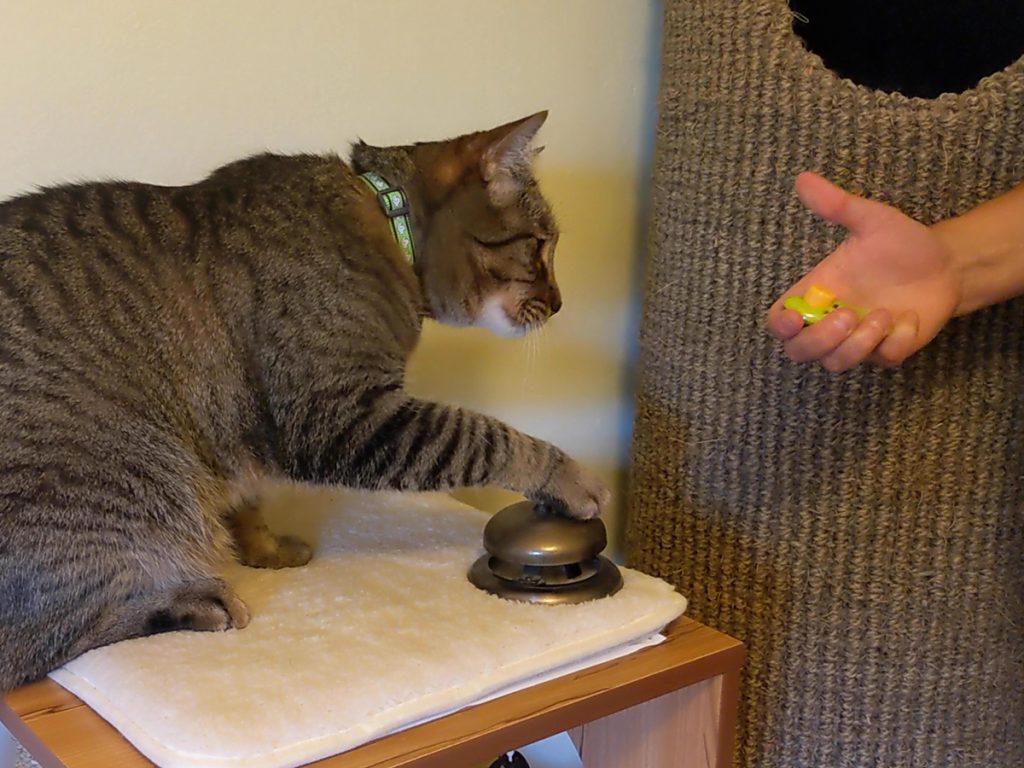
Are you looking for a fun and effective way to train your cat? Clicker training might be just what you need.
Imagine a world where your feline friend listens, learns, and responds with enthusiasm. Sounds too good to be true, right? With clicker training, it’s possible! This simple yet powerful technique can transform your cat’s behavior and strengthen your bond like never before.
In this guide, we’ll reveal the secrets to clicker training success. You’ll discover why it works, how to get started, and tips to ensure your cat’s learning journey is a rewarding experience for both of you. So, if you’re ready to unlock your cat’s full potential and enjoy a more harmonious home life, keep reading. Your cat’s new tricks are just a click away!
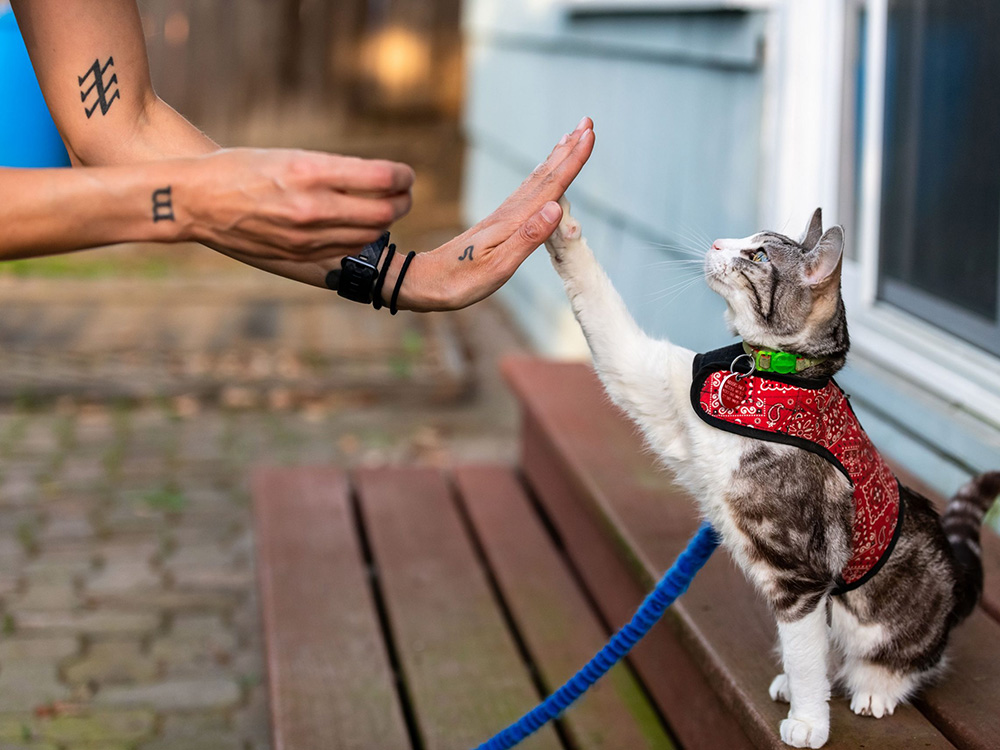
Credit: www.kinship.com
Benefits Of Clicker Training
Clicker training offers a fun way to teach cats. It builds a strong bond between you and your pet. This method is both effective and humane. Cats learn quickly through positive reinforcement. Let’s explore the main benefits of clicker training.
Improved Communication
Clicker training enhances communication with your cat. The clicker acts as a clear signal. It tells your cat they did something right. This clarity boosts their confidence. Your cat starts to understand your expectations better.
Strengthens Bond
Training with a clicker strengthens your bond. Spending time together enriches your relationship. It builds trust and understanding. Your cat learns to rely on you. This bond makes training sessions enjoyable.
Encourages Positive Behavior
Clicker training encourages positive behavior. It rewards good actions without punishment. Cats respond well to this method. They repeat behaviors that get rewarded. Over time, they develop good habits naturally.
Reduces Stress
Training can reduce your cat’s stress levels. It gives them mental stimulation. This helps in minimizing anxiety. A trained cat is a relaxed cat. They feel more secure and calm.
Enhances Learning Ability
Clicker training enhances your cat’s learning ability. They become more responsive. With consistent practice, they grasp new commands quickly. This increases their overall intelligence.

Credit: www.mauihumanesociety.org
Choosing The Right Clicker
Choosing the right clicker is crucial for effective cat training. A clicker helps communicate with your cat during training sessions. It creates a consistent sound that your cat associates with a reward. This sound reinforces positive behaviors. Selecting a clicker that suits you and your cat’s needs is vital.
Understanding Clicker Types
There are several types of clickers available. Some are handheld, while others are button-operated. Each type has its own benefits. Handheld clickers are easy to use. Button clickers might offer more precise clicking.
Sound Clarity And Volume
Sound clarity is important for effective training. Ensure the clicker produces a distinct sound. A clear sound helps your cat recognize the click. Volume matters too. Choose a clicker with adjustable sound levels. This ensures your cat hears the click even in noisy environments.
Comfort And Ease Of Use
Comfort is crucial during training sessions. Pick a clicker that feels good in your hand. Ease of use ensures you can click quickly. A comfortable clicker enhances your training experience. It allows you to focus on your cat, not the tool.
Durability And Quality
Durability ensures the clicker lasts through many sessions. Look for clickers made of high-quality materials. A well-made clicker resists wear and tear. This saves money in the long run.
Price Considerations
Price is a factor in choosing a clicker. They range from budget-friendly to pricier options. Decide on a budget before shopping. Remember, a higher price might mean better quality. Balance cost with the features you need.
Preparing For Training Sessions
Training a cat with a clicker requires thoughtful preparation. Setting up the right environment and gathering necessary supplies is crucial. Each step ensures your feline friend learns effectively and enjoys the process.
Setting The Environment
Choose a quiet room with minimal distractions. Cats get easily distracted by noises and movements. Ensure the area is safe for your cat. Remove any breakable items. A calm setting helps your cat focus better. Use a space your cat feels comfortable in. Familiarity boosts their confidence during training.
Gathering Supplies
A clicker is the main tool for training. It makes a distinct sound. This sound becomes a cue for your cat. Treats are essential for rewarding your cat. Choose small, tasty treats they love. Have a treat pouch or bowl nearby. This keeps treats within easy reach.
Patience is also a key supply. Training takes time and consistency. Keep sessions short, around 5-10 minutes. This prevents your cat from losing interest. With the right supplies, training becomes a rewarding experience.
Introducing The Clicker To Your Cat
Training your cat with a clicker involves associating positive sounds with rewards. Cats learn quickly when they hear a click followed by a treat. This method helps in teaching commands and improving behavior.
Training your cat with a clicker can be a fun and rewarding experience. It’s all about creating a communication bridge between you and your feline friend. Before diving into complex tricks, it’s crucial to start by introducing the clicker in a way that your cat understands and enjoys. Let’s break down how you can do this effectively.Getting Familiar With The Sound
The first step is to make sure your cat is comfortable with the sound of the clicker. Start by simply clicking it while your cat is relaxing nearby. Observe its reaction closely. Does it perk up its ears or seem startled? Avoid overwhelming your cat. Click once, pause, and offer a treat. This helps your cat associate the sound with something positive. It might be helpful to try this in different settings around your home. This way, your cat learns to recognize the clicker sound no matter where it is.Building Positive Associations
Now that your cat is familiar with the clicker sound, it’s time to build positive associations. Click and immediately reward your cat with a treat. Timing is crucial; the treat should follow the click sound instantly. Consistency is key. Repeat this process several times a day, keeping sessions short. You want your cat to look forward to hearing the click. Think about how your cat responds to different treats. Does it prefer crunchy or soft ones? Experiment to find what truly motivates your cat. Have you ever noticed your cat’s excitement when you open a can of its favorite food? Creating a similar anticipation with the clicker can make training much more effective. By creating a positive experience with the clicker, you’re setting the stage for successful training sessions. What’s your cat’s favorite treat or activity that you could incorporate into this process to strengthen those positive associations?Basic Clicker Training Techniques
Training your cat with a clicker is a rewarding experience. This method helps cats learn new behaviors with positive reinforcement. The clicker sound marks the exact moment your cat does the right thing. This helps them understand what you want. It’s simple, effective, and fun for both you and your cat.
Targeting
Targeting involves teaching your cat to touch an object. Use a small stick or a spoon for this purpose. Hold it near your cat’s nose. Click when your cat sniffs or touches it. Reward them with a treat right away. Repeat this process daily. Gradually, move the target further away. Encourage your cat to follow and touch it. This technique helps in guiding your cat to specific places.
Shaping Behaviors
Shaping behaviors means rewarding small steps toward a desired action. Start with simple tasks like sitting or standing. Click and reward when your cat moves in the right direction. Be patient and consistent. Slowly increase the difficulty level. For example, if you want your cat to jump on a chair, reward them first for looking at the chair. Then for moving closer, and finally for jumping on it. Break tasks into small steps and reward each step. This builds confidence in your cat.
Advanced Clicker Training Methods
Training cats with clicker methods improves communication and bond. Clicker signals desired behaviors, rewarding cats with treats or praise. Consistency and patience ensure successful training sessions.
Training your cat with a clicker can be a rewarding experience, especially when you move beyond the basics. Once your feline friend has mastered simple commands, it’s time to explore advanced clicker training methods. These techniques can help you teach your cat complex tricks, solve behavioral problems, and deepen your bond. Are you ready to take your cat’s training to the next level?Teaching Complex Tricks
Teaching your cat complex tricks can be both fun and challenging. Start by breaking down the trick into small, manageable steps. Use your clicker to mark each successful action, rewarding your cat with a treat. For instance, if you want your cat to jump through a hoop, begin by clicking and rewarding when they approach the hoop. Gradually increase the criteria, clicking only when they pass through it. Remember, patience is key, and every cat learns at their own pace.Problem Solving Strategies
Advanced clicker training can also help address behavioral issues. Identify the problem and think about what behavior you want to encourage instead. Use the clicker to reinforce positive behavior and redirect negative actions. Consider a common issue like scratching furniture. Train your cat to use a scratching post by clicking and rewarding when they use it. Over time, your cat will associate the scratching post with positive reinforcement. Have you noticed any other troublesome behaviors? Consider how clicker training might help. By using these advanced methods, you not only teach your cat new skills but also create a more harmonious home environment. What new tricks will you teach your cat today?Common Challenges And Solutions
Training a cat with a clicker can be rewarding. Yet, it comes with its challenges. Cats are known for their independent nature. This can make clicker training tricky. Understanding these challenges helps in overcoming them. Let’s explore common issues and their solutions.
Overcoming Fear Of The Clicker
Some cats may fear the clicker’s sound. This fear can hinder training. Start by introducing the clicker gently. Click it at a low volume. Let the cat associate the sound with positive things. Offer treats immediately after clicking. Repeat this until the cat relaxes.
Another method is using a softer clicker. A quieter sound might help calm nervous cats. Gradually increase the volume as the cat becomes comfortable. Patience is crucial during this process. Every cat adapts at its own pace.
Maintaining Consistency
Consistency is key in clicker training. Train your cat at the same time daily. This builds a routine. Use the same clicker sound and reward. Cats learn faster with familiar cues. Stick to one command per session. Overloading can confuse the cat.
Keep training sessions short. Five to ten minutes is ideal. Longer sessions may lead to boredom. If your cat loses interest, take a break. Resume training when the cat is alert. Consistency and patience will yield results.
Tips For Successful Clicker Training
Clicker training can be a fun and rewarding way to train your cat. It uses a click sound to mark good behavior. This method helps communicate clearly with your feline friend. To make the most of clicker training, follow these tips for success.
Timing And Precision
Timing is crucial in clicker training. Click the clicker the moment your cat does the desired action. This helps your cat connect the behavior with the reward. Quick and precise clicks lead to faster learning. Practice your timing to improve your skills.
Using Rewards Effectively
Choose rewards your cat loves. Small treats work best. Use them immediately after the click. This strengthens the behavior you want to teach. Keep training sessions short to maintain your cat’s interest. End sessions on a positive note with a reward.
Evaluating Progress
Understanding your cat’s progress is crucial in clicker training. Evaluating progress lets you see how well your cat learns new behaviors. It helps you understand what works and what needs change. Regular assessment ensures your cat’s learning is on track.
Tracking Improvements
Keep a training log. Write down each session’s details. Note the date and time. Record what you taught and your cat’s response. This helps spot patterns in learning. Observe your cat’s behavior outside training. Are they more responsive? Do they perform learned tasks more often? These signs show positive progress. Consistent tracking helps you see improvements over time.
Adjusting Techniques
Sometimes, your cat might not progress as expected. This means it’s time to try new methods. If your cat ignores the clicker, use a different sound. Try a bell or whistle. If they seem uninterested, change the reward. Offer a new treat or toy. Make sessions shorter if your cat loses focus quickly. Adjusting techniques keeps training effective. Every cat is unique, so be flexible with your approach.

Credit: www.amazon.com
Frequently Asked Questions
Do Clickers Work To Train Cats?
Yes, clickers effectively train cats by using positive reinforcement. Cats associate the click sound with rewards, encouraging desired behaviors. This method builds trust and improves communication between owner and cat. Consistency and patience are key for successful clicker training.
When Should I Start Clicker Training My Cat?
Begin clicker training your cat when they’re comfortable and curious, usually around 8 to 12 weeks old. Start with simple commands and positive reinforcement. Ensure the environment is calm and free from distractions. Consistency and patience are key to successful training.
How To Start Training With A Clicker?
Begin clicker training by choosing a quiet space. Introduce the clicker with treats. Click, then reward promptly. Repeat consistently. Gradually introduce commands or tricks. Keep sessions short and positive for best results. Adjust timing based on your pet’s understanding. Celebrate small successes to encourage learning and enjoyment.
How To Clicker Train A Cat To Stay Off Counters?
Use a clicker to train your cat to stay off counters. Reward with treats for staying away. Consistency is key; click and treat every time your cat avoids the counter. Gradually increase the time between clicks. Keep counters clean to remove temptation.
Conclusion
Training your cat with a clicker builds a strong bond. It’s simple and fun for both of you. Remember to stay patient and consistent. Cats learn at their own pace. Use treats as rewards to keep them motivated. Celebrate small successes along the way.
Clicker training improves your cat’s behavior. It makes communication clearer and strengthens trust. Start with short sessions to keep your cat engaged. Soon, you’ll see positive changes in your feline friend. Keep practicing regularly, and enjoy the journey together. Happy training!