
Training your cat to use the litter box can sometimes feel like a daunting task. You’ve probably imagined the perfect scenario: a clean home and a happy cat, both living in harmony.
But then reality hits, and you find yourself cleaning up messes and wondering what went wrong. You’re not alone. Many cat owners face this challenge, and the good news is that it’s more than possible to teach your feline friend to use the litter box with the right strategies.
Imagine the relief and satisfaction you’ll feel when your cat understands where to go. Picture your kitty confidently walking into the litter box, saving you from the frustration of unexpected surprises. This transformation is within reach, and it all starts with understanding your cat’s needs and behaviors. So, if you’re ready to turn that vision into reality, keep reading. We’ll guide you through proven steps that will make the litter box your cat’s favorite spot.
Credit: www.youtube.com
Choosing The Right Litter Box
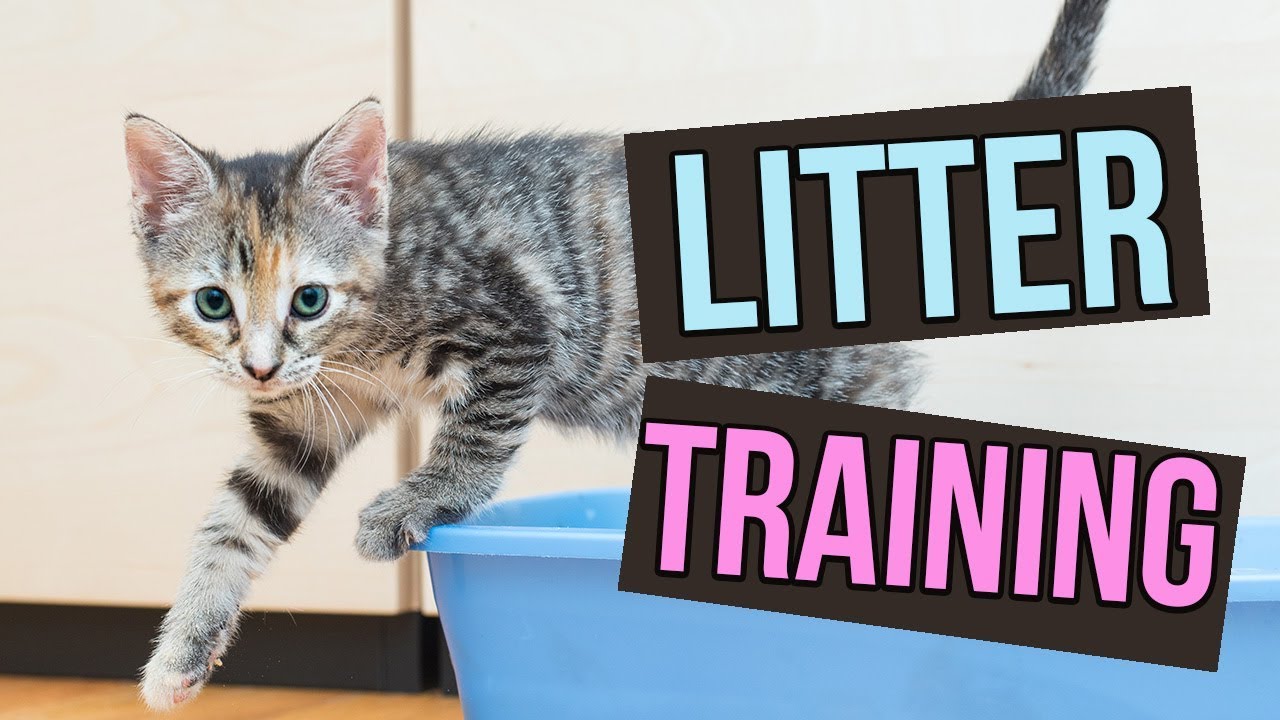
Training your cat to use a litter box begins with choosing the right one. The right litter box can make a big difference in your cat’s comfort. It also affects how easily they can learn to use it. A well-chosen box helps keep your home clean and odor-free.
Size And Style Considerations
Choose a litter box that fits your cat’s size. A larger cat needs a bigger box. Small kittens require smaller boxes. The style of the box matters too. Some cats prefer open boxes for easy access. Others like covered ones for privacy. Think about your cat’s habits and preferences.
Placement In Your Home
Where you place the litter box affects its use. Find a quiet spot in your home. Avoid loud and busy areas. Cats like privacy when using their litter boxes. The box should be in a place easy for your cat to reach. Make sure it’s not near their food or water. Cats dislike eating near their toilet.
Selecting The Best Cat Litter
Training your cat to use the litter box starts with choosing the right litter. Cats prefer unscented, clumping litter for easy use. Place the litter box in a quiet, accessible spot and introduce your cat to it gradually.
Selecting the right cat litter is crucial for ensuring your furry friend feels comfortable using the litter box. Choosing the wrong type can lead to your cat avoiding the box altogether, resulting in unwanted messes around the house. You might wonder, “What makes one type of cat litter better than another?” Let’s dive into the essentials of picking the best cat litter for your feline companion.Types Of Cat Litter
Understanding the different types of cat litter available can guide your decision. There’s clumping litter, which forms solid clumps when wet, making it easy to scoop out. Non-clumping varieties absorb moisture but don’t form clumps, so you’ll need to change the entire litter box more frequently. Silica gel litter is another option that controls odor well and requires less frequent changes. Lastly, biodegradable litters, made from materials like corn, wheat, or recycled paper, are eco-friendly. Each type has its pros and cons, and your choice might depend on your cat’s preference and your maintenance routine.Scent And Texture Preferences
Cats can be quite particular about scent and texture. Some cats may prefer unscented litter, as strong fragrances can be overwhelming for their sensitive noses. On the other hand, lightly scented litters might help in controlling odor in your home. Texture is equally important. Cats might favor a softer, sand-like texture over larger granules. Consider your cat’s past behavior—did they enjoy digging in the garden or did they avoid certain surfaces? Observing these tendencies can help you select a litter that feels right for them. Trying different types and textures can be a trial-and-error process. But once you find the one that suits your cat, it can lead to a happier, cleaner home. Have you tried experimenting with different litters to see what your cat prefers? What worked best?Introducing The Litter Box
Introducing your cat to a litter box can be a smooth process. Cats are naturally clean animals. They prefer a designated spot for their business. With the right approach, your cat will adapt quickly. Start by choosing a quiet, accessible location for the litter box. Place it away from their food and water. This ensures they feel comfortable and undisturbed.
Gradual Introduction Techniques
Gradually introduce your cat to the litter box. Begin by placing the cat near the box after meals. Cats often feel the urge to use the bathroom post-eating. Show them the box, but don’t force them inside. Allow them to explore it at their pace. Over time, they will start associating the box with relief. Keep the litter box clean to encourage use. A dirty box might deter them from using it.
Using Positive Reinforcement
Positive reinforcement can help train your cat effectively. Praise your cat when they use the litter box. Use gentle words and a calm tone. Offer a small treat as a reward. This reinforces good behavior. Avoid scolding them for accidents. Instead, clean the area thoroughly. Cats dislike the lingering smell of past mistakes. With patience and rewards, your cat will learn quickly.
Credit: www.banfield.com
Addressing Common Challenges
Training your cat to use the litter box involves patience and consistency. Create a comfortable environment and introduce your cat gradually. Place the litter box in a quiet area and reward positive behavior to encourage regular use.
Training your cat to use the litter box can sometimes feel like an uphill battle. But with patience and understanding, you can address common challenges that arise in the process. Cats are creatures of habit, and any deviation from their routine can lead to accidents or resistance. Let’s tackle these issues head-on so you can create a smoother transition for your feline friend.Dealing With Accidents
Accidents happen, and it’s crucial to stay calm when they do. Punishing your cat will only lead to anxiety and more accidents. Instead, focus on understanding the reason behind the mishap. Is the litter box in a location that’s too noisy or hard to reach? Consider relocating it to a quieter, more accessible spot. Sometimes, the type of litter can be a factor. Cats can be picky, so experimenting with different textures or scents might help. Clean the accident spots thoroughly to remove any lingering odors. Cats have a keen sense of smell and might return to marked areas.Handling Resistance
Resistance to using the litter box can stem from a variety of reasons. One common issue is the box itself. Is it too small or too deep for your cat’s comfort? Try different boxes and see if your cat prefers one style over another. You’d be surprised how much the shape and size can matter. If your cat is stubbornly avoiding the box, it might be time to assess any changes in your household. New pets, visitors, or even furniture rearrangement can unsettle your cat. Introduce the litter box gradually, and maybe even reward your cat with treats for showing interest. Positive reinforcement can go a long way. Training your cat is a journey filled with small victories. Each challenge is an opportunity to learn more about your pet’s preferences. What unexpected insight have you uncovered during your training process? Share your experiences in the comments below.Maintaining A Clean Litter Box
Training your cat to use the litter box is just the start. Maintaining a clean litter box is equally important. A clean box encourages your cat to use it consistently. It also helps prevent odors and keeps your home fresh. Below are some tips to ensure your cat’s litter box stays clean and inviting.
Cleaning Frequency
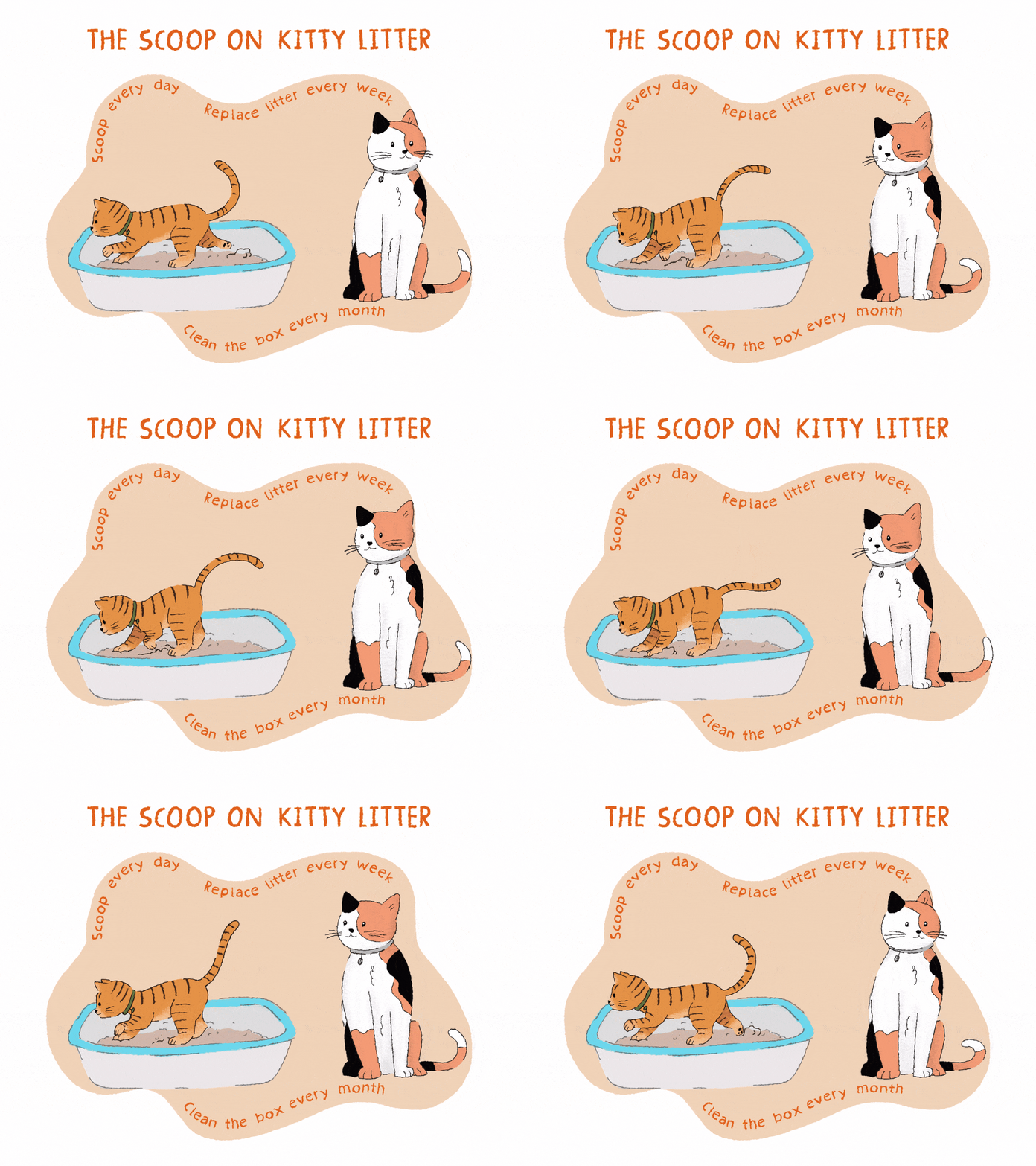
Clean the litter box daily. Remove waste to keep it fresh. A clean box reduces odors and attracts your cat to use it. It also helps prevent any mess around the box.
Proper Disposal Methods
Dispose of cat waste properly to avoid bad smells. Use a scooper to remove waste. Place it in a sealed bag. Throw it in the trash. Use biodegradable bags to be eco-friendly. Change the litter completely once a week. Wash the box with mild soap and water. Dry it before adding new litter.
Health And Behavioral Considerations
Training a cat to use the litter box involves understanding their natural instincts. Place the litter box in a quiet, accessible spot. Reward your cat with treats and praise after successful use to encourage consistent behavior.
Training your cat to use the litter box involves understanding health and behavior. Cats are sensitive creatures. They communicate through actions, not words. To ensure successful litter box training, consider their health and behaviors. Recognizing these signs can make training easier and more effective.Monitoring Health Issues
Cats can develop health issues that affect litter box habits. Urinary tract infections are common. They can cause pain during urination. If your cat avoids the litter box, this might be why. Observe for signs like straining or frequent trips. Diarrhea or constipation may also lead to litter box avoidance. Regular vet check-ups help spot these problems early. Addressing health issues ensures your cat stays comfortable.Understanding Behavioral Signs
Behavioral changes can signal litter box problems. Stress and anxiety play a major role. New environments or changes at home can stress your cat. This may lead them to avoid the litter box. Notice if your cat is marking territory. It indicates stress or insecurity. Pay attention to your cat’s body language. Tail twitching or ears flattened could show discomfort. Understanding these signs can help you address behavioral issues. It leads to better litter box training outcomes. Recognizing health and behavior patterns aids in effective training. It’s crucial for your cat’s wellbeing.Consulting A Veterinarian
Consulting a veterinarian can help train your cat to use the litter box effectively. They provide expert advice tailored to your cat’s behavior and needs. Guidance from a professional ensures the process is smooth and stress-free for both you and your feline friend.
When you’re training your cat to use the litter box, you might hit some roadblocks. Sometimes, it’s not just about behavior—there could be underlying health issues. That’s where consulting a veterinarian becomes invaluable. A vet can offer insights and solutions you might not have considered, ensuring your feline friend learns effectively and comfortably.When To Seek Professional Help
If your cat consistently avoids the litter box, it might be time to consult a vet. Cats are creatures of habit, so sudden changes often indicate a problem. Consider seeking help if your cat seems to be in pain, strains while trying to use the box, or if there’s noticeable blood in the urine. Behavioral issues can also stem from stress or anxiety. A vet can help identify these issues and suggest ways to alleviate them. Don’t wait too long; early intervention can prevent bad habits from forming.Benefits Of Expert Guidance
A veterinarian provides more than just medical advice. They can suggest specific litter types that might be more appealing to your cat. Additionally, they can offer advice on litter box placement and maintenance, ensuring it meets your cat’s needs. During one visit, my vet recommended a different litter texture for my cat. This simple change made a world of difference. Your vet might also spot health issues early, preventing them from becoming serious. Have you considered the role diet plays in your cat’s bathroom habits? A vet can guide you on nutritional choices that promote regularity. Expert guidance ensures that you’re not just guessing, but making informed decisions for your cat’s health.
Credit: www.youtube.com
Frequently Asked Questions
How Long Does It Take To Train A Cat To Use A Litter Box?
Training a cat to use a litter box usually takes a few days to a week. Consistency, patience, and positive reinforcement help speed up the process. Start by placing the cat in the box after meals and naps. Most cats learn quickly with proper encouragement and a clean environment.
How Do I Get My Cat To Use The Litterbox?
Place the litterbox in a quiet, accessible spot. Keep it clean and use unscented litter. Encourage your cat by gently placing them in the box after meals. Reward them with treats or praise for using it. Ensure the litterbox size suits your cat’s needs.
How Do I Encourage My Cat To Pee In The Litter Box?
Place the litter box in a quiet, accessible area. Keep it clean by scooping daily. Use unscented litter that your cat prefers. Praise and reward your cat for using the box. Ensure your cat isn’t stressed or ill, as these can affect litter box habits.
What Is The Fastest Way To Litter Train A Kitten?
Place the litter box in a quiet, accessible area. Show the kitten the box after meals. Use unscented litter. Clean the box regularly to encourage use. Reward positive behavior with treats and praise.
Conclusion
Training your cat to use the litter box is rewarding. Patience is key. Start with a clean, accessible box. Encourage your cat’s natural instincts. Use positive reinforcement like treats. Keep the area quiet and comfortable. Consistency helps build trust and routine.
Avoid punishing mistakes. Instead, calmly guide your cat back to the box. Remember, every cat learns at their own pace. Celebrate small successes along the way. With time, your cat will feel more confident. A little effort now leads to a happier home.
Enjoy the journey with your feline friend.