Imagine a life where your adorable kitten knows exactly where to go when nature calls. No more surprises behind the couch or frantic searches for accidents in hidden corners.
Sounds like a dream, right? Cat box training your kitten is not just a skill; it’s a step towards a cleaner, happier home for both you and your feline friend. Whether you’re a first-time pet owner or someone who’s experienced the joys of a kitten before, this guide is designed to make the process straightforward and stress-free.
With simple steps and practical tips, you can transform your kitten’s bathroom habits in no time. So, get ready to discover the secrets to creating a harmonious living space, where you and your kitten thrive together. Let’s dive into the essentials of cat box training and pave the way for a future filled with purrs and peace.
Credit: www.zoetispetcare.com
Choosing The Right Litter Box
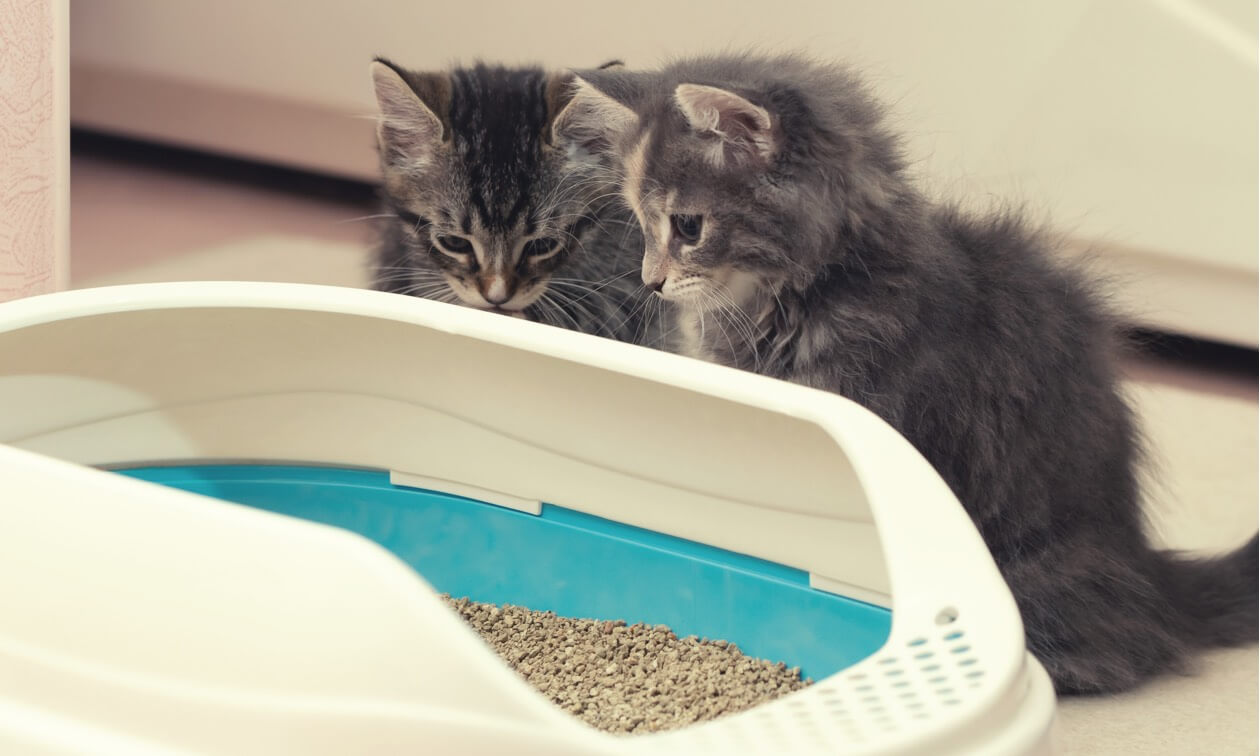
Selecting the right litter box eases kitten training. Ensure it’s accessible, easy to clean, and kitten-friendly. This encourages proper habits early on.
Choosing the right litter box is a crucial step in cat box training your kitten. A well-selected litter box can make the training process smoother and more successful. Not all litter boxes are created equal, and selecting the perfect one can make all the difference for your feline friend’s comfort and your home’s cleanliness.Size And Type Considerations
Kittens grow quickly, so choosing a litter box that accommodates their growth is essential. Look for a box that is large enough for your kitten to turn around and dig comfortably. A larger box will also save you the hassle of upgrading to a bigger size as your kitten matures. Consider the type of litter box that best suits your kitten’s needs. Open-top boxes are great for easy access and visibility, while covered boxes provide privacy and contain odors. If you’ve ever used a covered box, you might have noticed how it reduces litter scatter, making cleaning easier.Placement In The Home
Where you place the litter box can significantly impact how quickly your kitten adapts to using it. Choose a quiet, low-traffic area in your home where your kitten can have some privacy. This could be a spare bathroom or a secluded corner of a room. Avoid placing it near their food and water bowls to maintain a hygienic environment. Think about accessibility for your kitten. If you place the box in a spot that’s hard to reach, your kitten may become discouraged from using it. When I first trained my kitten, I realized that moving the box closer to her favorite napping spot encouraged her to use it more consistently. Engage with your kitten and observe their behavior to determine the best location and type of litter box. What unique traits does your kitten have that might influence your choice? By considering these factors, you can make the transition smoother for both you and your furry friend.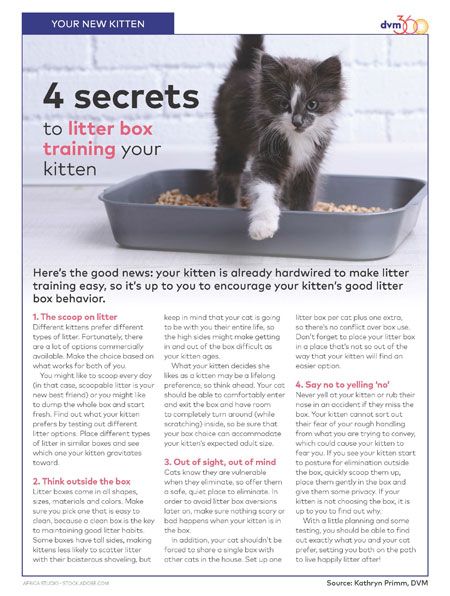
Credit: www.dvm360.com
Selecting The Appropriate Litter
Choosing the right litter is crucial for kitten training success. Opt for unscented, clumping litter for easier cleanup. Avoid dusty options to prevent respiratory issues.
Selecting the right litter is crucial when training your kitten to use the cat box. It’s not just about picking any litter off the shelf; it’s about understanding your kitten’s needs and preferences. A suitable litter can make the training process smoother and more effective. Let’s dive into some factors to consider.Clumping Vs. Non-clumping
Clumping litter forms solid masses when it comes into contact with moisture. This makes it easy to scoop out the used litter, keeping the box clean for your kitten. Many cat owners prefer clumping litter because it controls odors well and reduces the amount of litter you need to change. Non-clumping litter, on the other hand, absorbs moisture but doesn’t form clumps. It may require more frequent changes to keep the litter box fresh. If your kitten tends to play in the litter box, non-clumping might be a less messy option. Have you noticed how your kitten interacts with different textures? Some kittens might prefer the feel of clumping litter over non-clumping.Scented Vs. Unscented
Scented litter can help mask unpleasant smells, making the area more pleasant for you. However, some kittens might find the strong perfumes overwhelming. A strong scent might even deter them from using the litter box altogether. Unscented litter, in contrast, is often more natural and less intrusive for your kitten’s sensitive nose. If your kitten seems hesitant to use the box, switching to an unscented variety might help. Consider your kitten’s comfort level with various scents. Have you ever noticed your kitten sneezing or avoiding certain areas? It could be a reaction to overpowering scents. Choosing the right litter involves a bit of trial and error, but it’s worth the effort. The right choice can make a significant difference in how quickly and comfortably your kitten adapts to using their new space. Your patience and observation will help guide you to the best option for your furry friend.Setting Up The Litter Box
Setting up the litter box is crucial for successful cat box training. A comfortable and clean space encourages kittens to use it consistently. This section helps you create the perfect setup for your kitten’s litter box.
Proper Filling Technique
Use the right amount of litter for your kitten’s comfort. Fill the box with about two inches of litter. This depth allows easy digging and covering. Avoid overfilling, which can make it difficult for small paws. Choose a litter type that is safe for kittens. Opt for unscented, non-clumping litter to prevent ingestion risks. Keep the litter fresh to maintain a pleasant environment. Regularly scoop out waste to reduce odor.
Ensuring Accessibility
Place the litter box in a quiet, accessible spot. Avoid areas with heavy foot traffic to ensure privacy. Choose a location that is easy for the kitten to find. Consider putting the box on a stable surface. Make sure the kitten can easily climb in and out. If your kitten is very young, use a box with low sides. This helps them enter without difficulty. Ensure the box is not too close to food or water areas.
Introducing The Kitten To The Litter Box
Training a kitten to use a litter box involves patience and consistency. Place the box in a quiet spot. Show the kitten the box after meals and naps.
Introducing a kitten to a litter box is a crucial step in ensuring they feel comfortable and confident in their new home. A well-trained kitten will save you time and reduce stress. Here’s how you can make the introduction smooth and successful.Guided Exploration
Allow your kitten to explore the litter box area at their own pace. Place the litter box in a quiet and accessible corner where they can easily find it. You might notice them sniffing around or digging; this is a great sign. Gently place your kitten in the litter box and let them investigate. You can use your fingers to mimic the digging motion. This shows them what to do without overwhelming them. Avoid forcing them to stay in the box. If they leave, that’s okay. They’ll return when they’re ready.Positive Reinforcement
Praise your kitten when they use the litter box correctly. A kind word or gentle petting goes a long way. You might even offer a small treat to reinforce the behavior. Avoid punishing mistakes. This can create fear or confusion. Instead, clean up accidents without fuss and encourage the right behavior next time. Think about your first pet experience. What helped you learn? Cats respond well to love and patience. They will thrive with a little guidance and a lot of encouragement. Training a kitten takes time, but it’s worth the effort. What steps will you take to ensure your kitten feels at home?Monitoring Kitten’s Usage
Monitoring your kitten’s litter box usage is crucial in their training process. Observing their habits helps ensure they are comfortable using the box. It also allows you to quickly address any issues that might arise. Understanding their behavior can lead to a cleaner home and a happier kitten.
Recognizing Success
Success is when your kitten uses the litter box consistently. Keep an eye on their visits to the box. Notice if they use it after meals or naps. This regularity indicates they are adapting well. Praise your kitten for using the box. Positive reinforcement encourages continued success. A treat or gentle petting works wonders.
Identifying Issues
Problems arise if your kitten avoids the litter box. Look for signs like scratching outside the box. This might mean they find the box uncomfortable. Check the cleanliness of the box. A dirty box can deter usage. Ensure the litter type suits them. Some kittens prefer certain textures. If the problem persists, consult a vet. Health issues can affect litter habits.
Troubleshooting Common Problems
Training a kitten to use the litter box can be challenging. Problems can arise, leaving pet owners frustrated. Understanding common issues helps ensure successful training. Addressing these problems promptly is crucial.
Avoiding Litter Box Aversion
Kittens might avoid the litter box for several reasons. The box might be too dirty. Clean the litter box regularly. The box could also be in a noisy area. Place it in a quiet spot. A kitten might dislike the type of litter used. Try different types. Some kittens prefer clumping litter. Others might like non-clumping litter. Find what your kitten prefers.
Dealing With Accidents
Accidents happen. Stay calm and patient. Do not punish the kitten. Punishment can create fear. Instead, clean the area thoroughly. Use an enzyme cleaner to remove the smell. The scent can attract the kitten back. Ensure the litter box is accessible. A kitten might not reach it in time. Place boxes in various locations. This helps prevent accidents.
Maintaining Cleanliness
Training a kitten to use a cat box ensures a clean home. Begin by placing the box in a quiet area. Gently guide the kitten to the box after meals and naps.
Maintaining cleanliness in your kitten’s litter box is vital. It ensures a healthy and pleasant environment for both you and your furry friend. A clean litter box encourages your kitten to use it consistently. This keeps your home smelling fresh and inviting.Regular Cleaning Routine
Establish a regular cleaning routine to keep the litter box fresh. Scoop out waste at least once a day. This prevents build-up and reduces odors. Replace the litter completely every week. This ensures a clean space for your kitten. Clean the box with mild soap and water. Avoid strong chemicals that might deter your kitten.Handling Odors
Odor control is crucial in maintaining a pleasant home. Use a quality, clumping litter designed for odor control. Baking soda can help neutralize unpleasant smells. Sprinkle a small amount in the litter box. Ensure proper ventilation in the area. This helps in dissipating any lingering odors. Consider using an air purifier near the litter box. This further enhances air quality in the room. Keeping the litter box clean makes your kitten happier. It also improves your living space.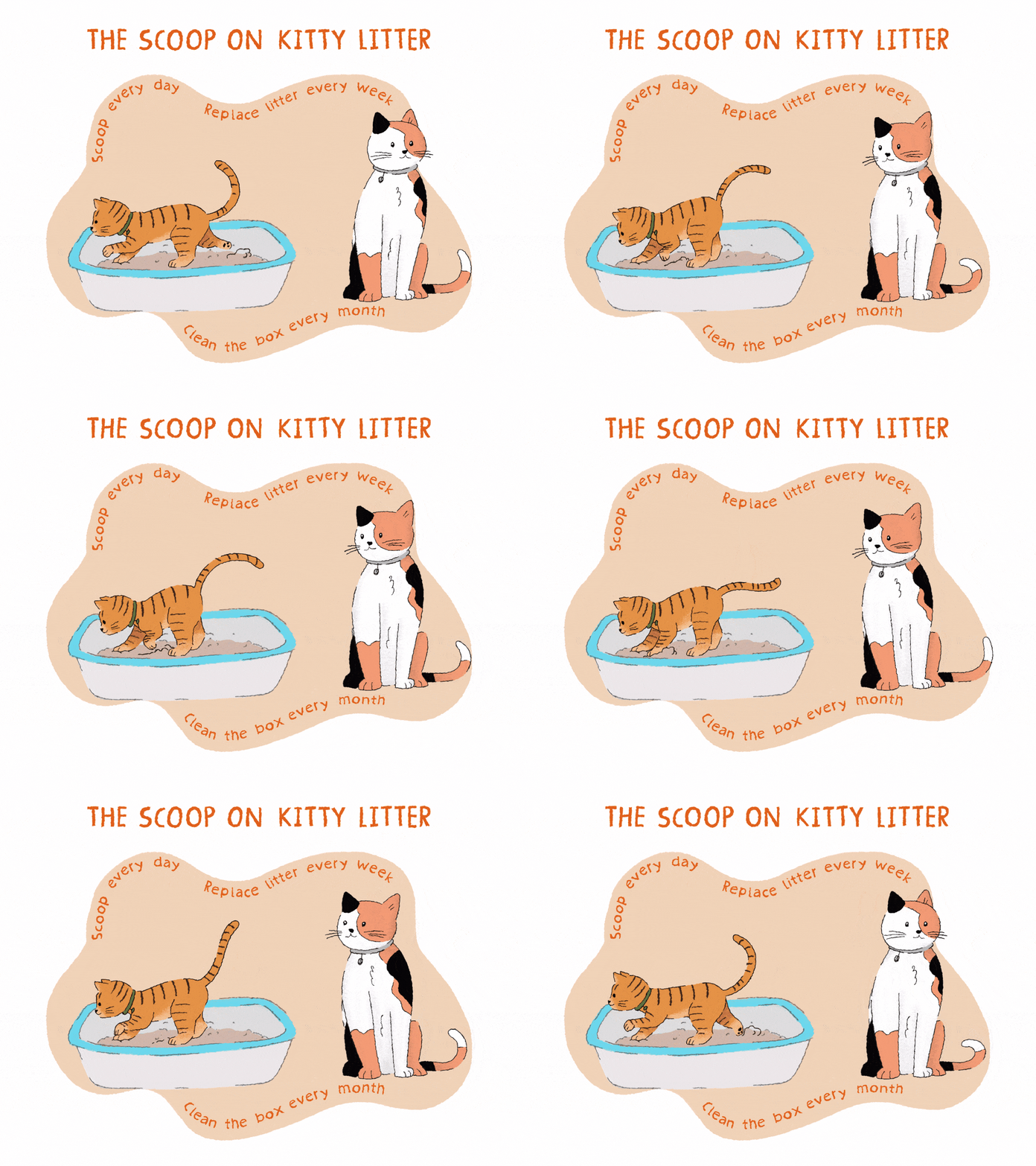
Credit: www.banfield.com
Tips For Long-term Success
Training a kitten to use a litter box ensures a clean home. Start by placing the box in a quiet corner. Encourage the kitten after meals and naps to explore the box, reinforcing positive behavior. Consistency is key for long-term success.
Training a kitten to use a cat box is only the first step in ensuring their long-term success in maintaining this essential habit. While initial training can be challenging, consistency and adaptability are key to making it stick. These tips will help you establish a routine that works for both you and your furry friend, paving the way for a lifelong positive relationship with their cat box.Consistency In Training
Cats thrive on routine. Establishing a consistent schedule for their cat box use is crucial. Place the box in a quiet and accessible location. Make sure you clean the box regularly to keep it inviting. A clean box is more appealing to your kitten. Reward your kitten when they use the box correctly. Positive reinforcement encourages good habits.Adapting To Changes
Life changes can impact your kitten’s habits. Moving house or changing the box location may confuse them. Introduce changes gradually. If you need to relocate the box, do it in small steps. Observe your kitten’s behavior. Are they showing signs of discomfort or confusion? Address these promptly to avoid setbacks. What adjustments have you found helpful when routines change? Share your experiences in the comments below.Frequently Asked Questions
How Do I Get My Kitten To Use The Cat Box?
Place the cat box in a quiet, accessible area. Introduce your kitten to it gently. Keep the box clean. Use unscented litter. Reward your kitten with praise or treats after they use it successfully.
How Long Does It Take To Litter Box Train A Kitten?
Litter box training a kitten usually takes about 1 to 2 weeks. Most kittens learn quickly with consistency. Provide a clean, accessible litter box and encourage use after meals and naps. Positive reinforcement helps speed up the process. Each kitten is unique, so patience is key.
Are Kittens Hard To Litter Box Train?
Kittens are usually easy to litter box train. They naturally seek out sandy areas to eliminate. Provide a clean, accessible litter box. Encourage them by placing them in the box after meals and naps. With consistency, kittens typically learn quickly.
At What Age Should A Kitten Use A Litter Box?
Kittens typically start using a litter box at around 3 to 4 weeks old. Training them early helps establish good habits. Ensure the litter box is accessible and use kitten-friendly litter. Encourage them by placing them in the box after meals or naps.
Conclusion
Training your kitten to use a cat box can be simple. Start with a clean box and fresh litter. Place your kitten in the box regularly. Praise them when they use it. Keep the box in a quiet, accessible spot.
Patience is key. Mistakes will happen. Stay calm and consistent. Regular cleaning helps encourage use. Your kitten will learn with time and love. Make training fun and positive. A well-trained kitten grows into a happy cat. Enjoy the process and bond with your furry friend.
Your efforts will pay off with a clean home.