Imagine a world where you no longer have to deal with litter boxes or the mess they bring into your home. Sounds like a dream, right?
Well, with the right approach, you can make it a reality. Potty training your cat is not just possible; it’s easier than you might think. You may have heard stories or seen videos online, but you’re probably wondering how to make it happen in your own home.
This guide is here to help you every step of the way. With simple techniques and a bit of patience, you can teach your feline friend to use the toilet. Dive in and discover how to transform your cat’s bathroom habits and, in turn, your life. Trust us, you’ll want to read every word.
Credit: www.kinship.com
Choosing The Right Time
Potty training a cat requires patience and timing. Choosing the right time is crucial for success. Cats are creatures of habit. Introducing them to new routines can be challenging. Picking the right time ensures a smoother transition.
Understanding Your Cat’s Behavior
Observe your cat’s daily habits. Notice when they are most relaxed. This is often after eating or sleeping. Cats are more open to learning during calm moments. Recognize these periods to start training.
Avoid Stressful Situations
Timing is everything. Avoid training during stressful events. Moving to a new home or getting a new pet can be distracting. Ensure your cat feels secure. A calm environment fosters better learning.
Age Considerations
Young kittens adapt quickly. They learn new routines faster. Older cats may resist change. Start training when your kitten is still young. This enhances success. Yet, older cats can learn too with patience.
Consistency Is Key
Choose a time when you can be consistent. Regular practice is essential. Set a schedule that you can maintain. This helps the cat adjust. Consistency builds confidence in your cat.
Observe For Signs Of Readiness
Look for signs your cat is ready. Curiosity about the litter box is one sign. If your cat watches you in the bathroom, it might be ready. These signs indicate readiness for potty training.
Using Positive Reinforcement
Timing also involves reward. Offer praise when your cat tries the toilet. Positive reinforcement encourages good behavior. Choose times when you can give immediate feedback. This strengthens learning.
Preparing The Environment
Creating a comfortable space is crucial for cat potty training success. Ensure the litter box is clean and accessible. Choose a quiet, low-traffic area, helping your cat feel safe and relaxed during training.
Potty training a cat can be a rewarding yet challenging experience. A critical first step is setting up the perfect environment. This isn’t just about placing a litter box in a corner. It’s about creating a welcoming space that encourages your cat to use it consistently. By tailoring the environment to your cat’s needs, you’ll set the stage for successful potty training. Let’s dive into how you can achieve that.Setting Up The Litter Box
Choosing the right litter box is crucial. Bigger is often better, especially for larger cats. It gives them enough room to move comfortably without making a mess. Some cats prefer open boxes, while others like the privacy of a covered box. If you’re not sure, try both and see which one your cat uses more frequently. The type of litter matters too. Some cats are finicky about texture and scent. You might need to test a few before finding the one your cat prefers. Keep the litter at a consistent depth, usually about two to three inches. Too much or too little can be a turn-off for cats.Choosing The Right Location
Where you place the litter box can make or break your training efforts. Cats value privacy but still want to feel safe. A quiet corner away from their food and water is ideal. Avoid high-traffic areas where your cat might feel disturbed or threatened. Think about accessibility. Is it easy for your cat to reach the litter box from their favorite spots? If your home has multiple levels, consider placing a litter box on each floor. This reduces the chance of accidents and makes it more convenient for your cat. Have you ever noticed how your cat behaves in different parts of your home? Use these observations to pick a location they naturally gravitate towards. It might be the key to encouraging them to use the litter box consistently. By carefully setting up the environment, you’re not just making it easier for your cat; you’re making it easier for yourself. A well-prepared space reduces stress and sets the groundwork for a successful potty training journey. What changes can you make today to improve your cat’s potty environment?Familiarizing Your Cat
Potty training a cat is an exciting journey for any pet owner. Familiarizing your cat with the process is crucial. This step lays the foundation for successful potty training. Cats are naturally clean animals. They prefer a designated spot for their bathroom needs. Helping them understand the litter box is the first step. It requires patience and consistency. Let’s explore how to make this familiarization process smooth.
Introducing The Litter Box
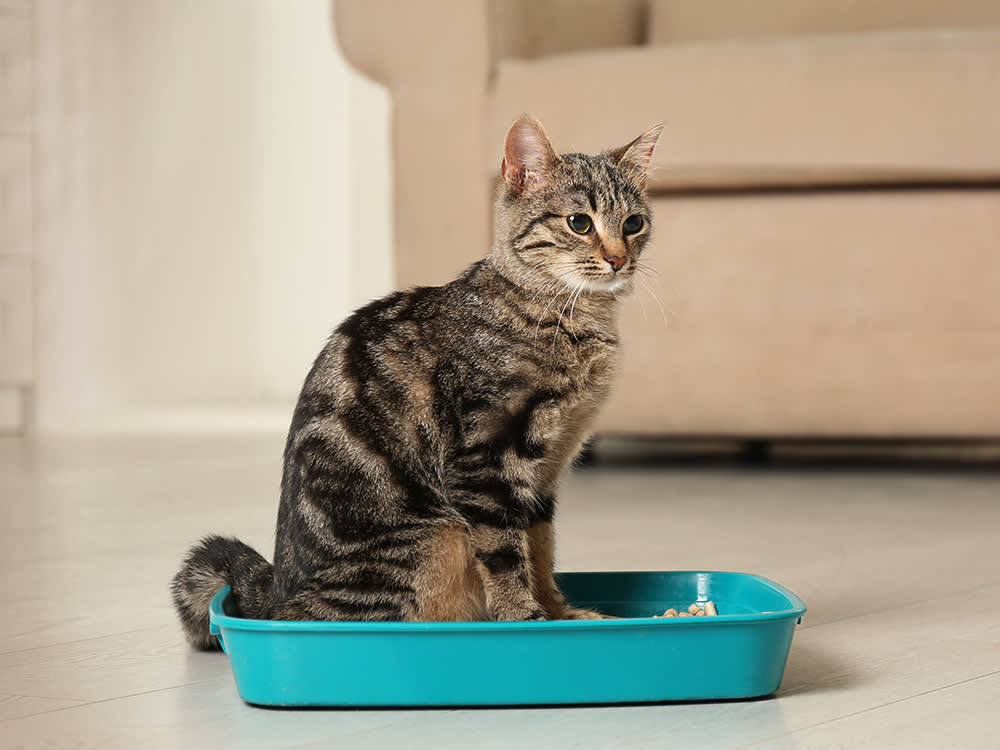
Choose a quiet spot for the litter box. It should be easily accessible. Place it away from food and water bowls. Cats need privacy. Ensure the box is clean and odor-free. Use a simple litter that’s not scented. Introduce the box gently. Show your cat where it is. Encourage them to explore it. A calm approach helps your cat feel comfortable.
Encouraging Exploration
Allow your cat time to explore the litter box. Make it inviting. You can play near it. Use toys or treats around the box. This makes the area interesting. Watch your cat closely. See if they approach the box. Praise them when they do. Positive reinforcement builds confidence. It helps them feel secure. Gradually, your cat will associate the box with their bathroom needs.
Gradual Transition To Toilet
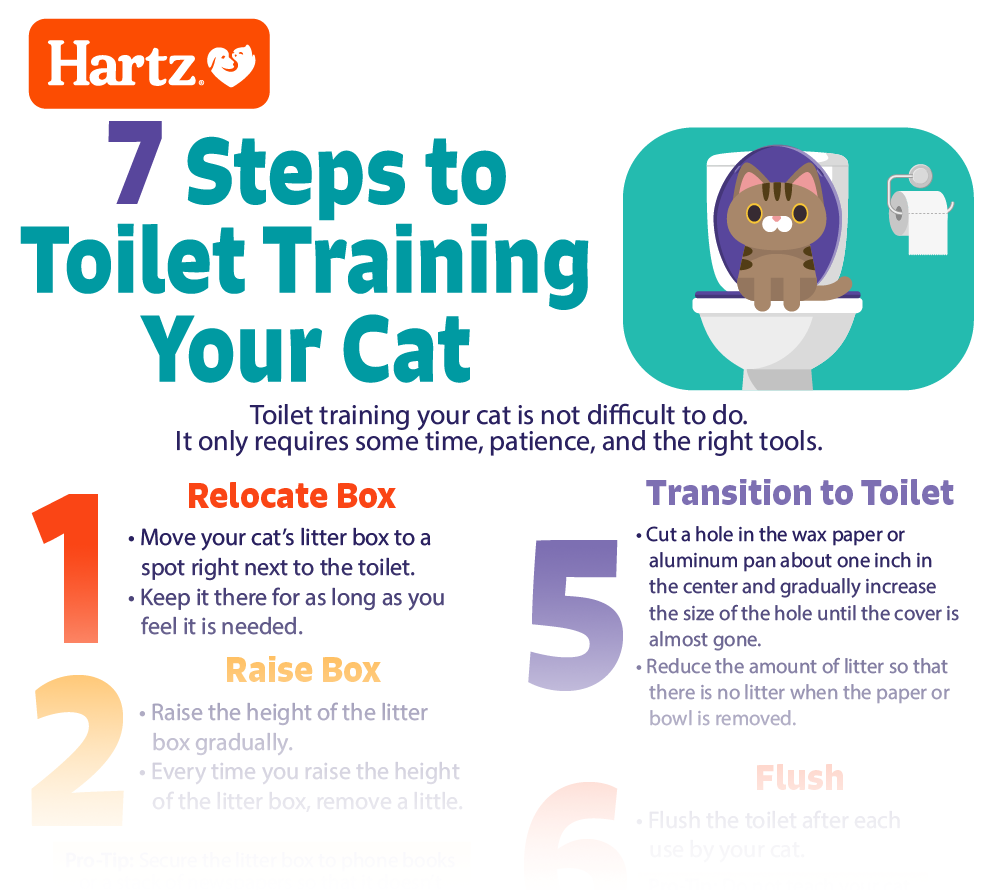
Start by moving your cat’s litter box closer to the toilet daily. Gradually raise the litter box using sturdy materials. Over time, the cat will adjust to the new height and location, making it easier to transition to using the toilet.
Patience and consistency are key.
Potty training your cat can be a rewarding and fascinating journey. The gradual transition to toilet is a key part of this process, allowing your cat to adapt at its own pace. This approach ensures a smooth shift from the traditional litter box to the toilet, minimizing stress for both you and your feline friend. With patience and the right steps, your cat can learn to use the toilet like a pro, saving you from the hassle of dealing with litter boxes.Moving The Litter Box
Start by moving the litter box closer to the bathroom. This simple step introduces your cat to the new environment. Position the box near the toilet to help your cat get accustomed to the idea. Cats are creatures of habit, so changing their routine gradually is crucial. Observe your cat’s reaction and adjust the pace as necessary. Is your cat showing curiosity? That’s a good sign to proceed.Elevating The Box
Once your cat is comfortable with the box near the toilet, it’s time to elevate it. Use sturdy materials to gradually raise the box to toilet height. This step helps your cat learn to jump onto the toilet seat. Ensure the box remains stable to prevent accidents. Consider using books or a small table to keep the box secure. Your cat’s comfort is key. If it struggles, slow down and provide encouragement. Would you enjoy jumping onto an unstable surface? Probably not, and neither would your cat. This method requires patience and careful observation. The gradual transition respects your cat’s natural instincts and adapts to its learning pace. What if your cat learns faster than expected? Celebrate the milestone and reward your cat with a treat.Using A Training Seat
Training your cat to use a potty seat is a clever strategy. It saves space and reduces odor. This method is less messy than using a litter box.
Introducing The Training Seat
Start by buying a cat training seat. Choose one that fits your toilet size. Gradually place it where the litter box was. This helps your cat adjust. Let your cat sniff and explore it. Encourage them by placing treats nearby. Show them that it’s safe and interesting.
Guiding Your Cat’s Usage
Guide your cat to use the training seat. Begin by placing litter inside the seat. This mimics their usual routine. Be patient and gentle during this process. Praise your cat when they use it. Reward them with treats to reinforce behavior. Slowly reduce the litter over time. Let them get used to the new texture and feel.
If they struggle, return to previous steps. Adjusting takes time. Always be patient and supportive. Your cat will learn with practice.
Monitoring Progress
Potty training your cat can feel like a challenging task. Yet, with patience and observation, you will see progress. Monitoring your cat’s progress helps ensure success. It allows you to adjust techniques if needed. You’ll also know when to celebrate small wins.
Recognizing Milestones
Notice when your cat uses the litter box consistently. This is a positive sign. Cats may also begin to show interest in the toilet area. Observe if they jump onto the toilet seat. These are signs of growing comfort with the new potty routine. Another milestone is fewer accidents. Celebrate these moments to encourage your cat.
Addressing Setbacks
Setbacks happen, and they can be frustrating. If your cat has an accident, stay calm. Clean the area thoroughly to remove any scent. This helps prevent repeated accidents. Evaluate if something has changed in their environment. Stress or changes can impact training progress. Adjust your approach to suit your cat’s needs. Consistency is key. Keep a routine to help your cat feel secure. Revisit earlier training steps if needed.
Maintaining Consistency
Training your cat to use the potty requires patience and consistency. Start by placing the litter box near the toilet. Gradually move it onto the seat. Encourage your cat with treats when they use it correctly.
Maintaining consistency is key in potty training your cat. Cats thrive on routine and predictability. Establishing a consistent potty training routine helps your cat understand expectations. Patience and perseverance play a vital role here. Every step builds trust and understanding between you and your feline friend.Routine Reinforcement
Stick to a regular schedule for feeding and potty breaks. This helps your cat anticipate when it’s time to use the litter box. Use consistent commands or phrases. Say “go potty” each time you guide your cat to the litter box. This repetition helps reinforce the behavior. Ensure the litter box is in the same spot. Cats prefer familiarity and dislike changes to their environment.Positive Reinforcement
Reward your cat after successful use of the litter box. Use treats or gentle praise. Positive reinforcement encourages repeat behavior. It also strengthens the bond between you and your cat. Avoid negative responses to accidents. Cats respond better to rewards than punishment. Keep the tone of voice calm and reassuring. Your cat will feel more secure and willing to learn.:strip_icc()/cat-pooping-outside-box-554017-b408bc2885e042a5a1937e7e0b183b5a.jpg)
Credit: www.thesprucepets.com
Common Challenges
Potty training a cat can be an exciting journey. Yet, it comes with challenges that might test your patience. Understanding these hurdles can help you tackle them more effectively. Let’s explore some common obstacles you might face.
Handling Resistance
Resistance is often the first challenge. Cats are creatures of habit. Changing their routine can make them stubborn. They may refuse to use the litter box. This stubbornness can be frustrating. Remain calm and patient. Gradual introduction to the new potty spot can help. Use positive reinforcement to encourage progress. Treats and praise work wonders.
Managing Accidents
Accidents are inevitable in potty training. Cats might miss the litter box or choose another spot. This can be messy and discouraging. Clean accidents immediately to prevent odor. Use enzymatic cleaners for effective results. Consistency is key. Guide your cat back to the litter box after each accident. Regularly check the cleanliness of the potty area. A clean environment encourages proper use.
Tips For Long-term Success
Training a cat to use the toilet requires patience and consistency. Start by placing a litter box near the toilet. Gradually move it closer until it’s on top of the seat.
Potty training a cat can seem daunting, but understanding key elements for long-term success makes the process smoother. Your cat is a unique individual, and recognizing their needs and behaviors is crucial. Long-term success is not just about getting them to use the litter box—it’s about ensuring they continue to do so comfortably and confidently. Let’s dive into some tips that can help you achieve this goal.Ensuring Comfort
Comfort plays a huge role in potty training your cat. Cats are sensitive to their environment, and a comfortable setting encourages consistent behavior. Choose a litter box that suits their size and preferences. If your cat feels cramped, they might avoid the box altogether. Pay attention to the type of litter you use. Some cats prefer unscented litter, while others might like a specific texture. Experiment with different options to discover what your cat finds most comfortable. Remember, a happy cat is more likely to stick to their potty routine.Building Trust
Building trust with your cat is essential for long-term potty training success. A cat that trusts you is more likely to follow your guidance. Spend time with your cat daily, engaging in activities that they enjoy. This can be as simple as playing with a favorite toy or providing gentle petting. Reward your cat when they use the litter box. Positive reinforcement helps solidify good behavior. You might use treats, affection, or praise to show your appreciation. Your cat will begin to associate using the litter box with positive experiences. Have you ever noticed your cat’s behavior changing when you adjust your routine? Cats thrive on consistency. Try to keep their environment stable, and avoid sudden changes. A trusting relationship with your cat fosters a cooperative and successful potty training experience. By focusing on comfort and building trust, you create a supportive environment for your cat. This foundation paves the way for long-term potty training success, ensuring your cat remains happy and healthy. Are there any other tips you’ve discovered that helped your cat? Share them in the comments!
Credit: www.associatedregistry.com
Frequently Asked Questions
Are Cats Easy To Potty Train?
Cats are generally easy to potty train due to their instinct to bury waste. Use a litter box with clean litter. Encourage them by placing them in the box after meals. Consistency and patience are key. Most cats learn quickly and adapt to using a litter box effectively.
How Long Does It Take To Potty Train Your Cat?
Potty training a cat typically takes 2 to 4 weeks. Consistency and patience are crucial for success. Start by placing the litter box in a quiet, accessible location. Gradually move it closer to the toilet, encouraging your cat to adapt to the new environment.
Adjust as needed for your cat’s progress.
How To Potty Train An Indoor Cat?
To potty train an indoor cat, start by choosing a clean litter box. Place it in a quiet spot. Introduce your cat to the box and encourage use after meals. Keep the litter box clean daily. Reward your cat with praise or treats for using the box consistently.
At What Age Are Cats Fully Potty Trained?
Cats are usually fully potty trained by 6 months old. Training starts around 3 to 4 weeks of age. Providing consistent litter box access helps them learn quickly. Regular cleaning and placement in a quiet, accessible area encourage proper use.
Early training ensures fewer accidents and reinforces good habits.
Conclusion
Potty training your cat takes patience and consistency. Start with a suitable litter box. Keep it clean to encourage use. Reward your cat for good behavior. Gradually move the box closer to your desired location. Cats learn at their own pace.
Stay calm and patient throughout the process. Remember, accidents happen. Don’t scold your cat. Instead, reinforce positive habits. Training may take time, but it’s worth the effort. Celebrate small victories. Enjoy a cleaner home and a happy cat. Consistency is key.
Keep practicing, and you will see progress. Your cat will thank you.