If you’ve ever wondered about the possibility of teaching your cat to use the toilet instead of a litter box, you’re not alone. The idea of potty training a cat may sound ambitious, but it’s entirely possible with patience and the right approach.
You might be imagining how convenient it would be to never deal with litter again. Picture your cat using the toilet like a pro, sparing you the hassle of cleaning up after them. But before you dive into this intriguing venture, it’s essential to know how much time and effort it might take.
Understanding the timeline can help you set realistic expectations and tailor your training plan accordingly. Are you ready to discover the secrets behind successful cat potty training? Let’s explore how long it typically takes and the steps involved to achieve this feline milestone.
Credit: institutomulherbrasileira.com.br
Factors Affecting Potty Training Duration
Potty training a cat can vary in duration. Several factors play a role in how quickly your feline friend learns this new behavior. Understanding these can help set realistic expectations and tailor the training process for better results.
Cat’s Age And Personality
Age is a critical factor. Kittens usually adapt faster than older cats. Younger cats are more open to new experiences. Personality also matters. Some cats are naturally curious and eager to learn. Others may be more cautious and take longer.
Previous Litter Box Experience
Cats with prior litter box experience may transition more easily. Familiarity with using a litter box can shorten training time. Cats with no prior experience might need extra encouragement. They may require more time to understand the new routine.
Training Method Used
The method chosen for potty training impacts the duration. Methods vary in complexity. Simpler methods may yield quicker results. More involved techniques might take longer but can be more effective long-term. Choose a method that suits your cat’s temperament.
Consistency And Patience
Consistency is key. Regular training sessions help reinforce the behavior. Patience is equally important. Cats need time to adjust and learn. Rushing the process can lead to setbacks. Stay patient and maintain a consistent routine for best results.
Popular Cat Potty Training Methods
Cats are intelligent and adaptable creatures. Potty training a cat can be a smooth process with the right methods. Many cat owners have shared their experiences and techniques online. Here, we’ll explore some popular methods. These can help you potty train your cat effectively.
Litter Box Transition
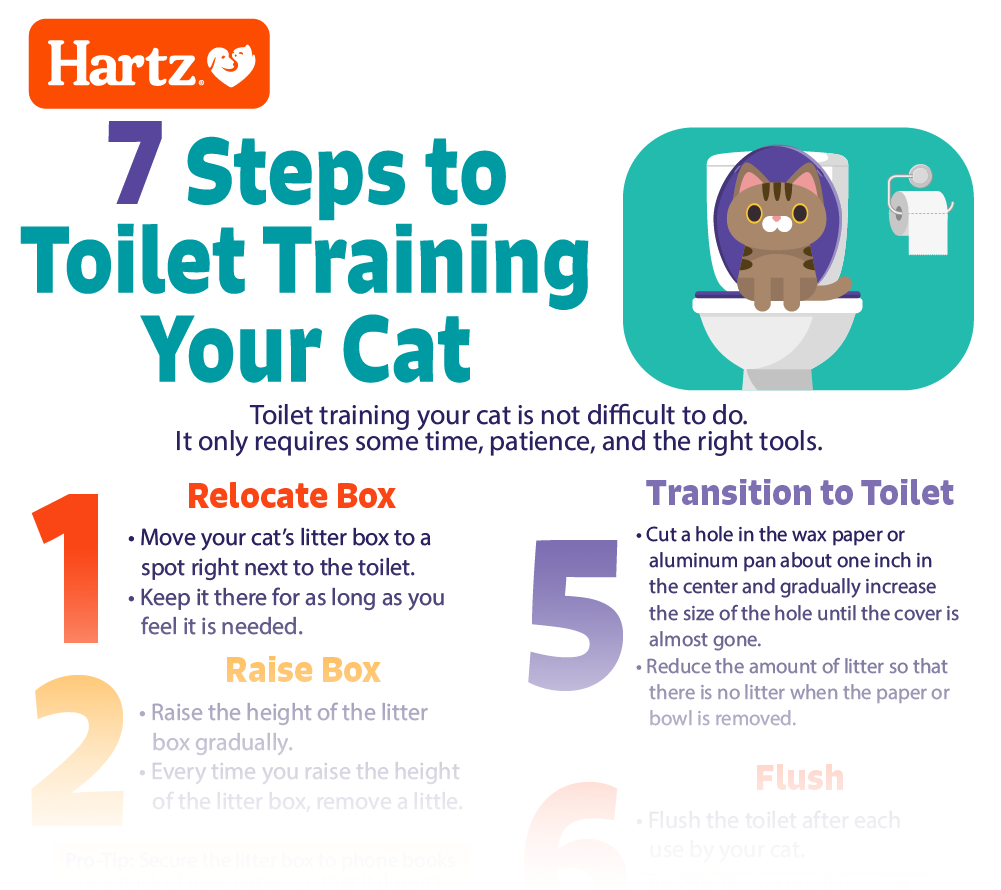
The litter box transition is a common method for potty training cats. Start by placing the litter box in a quiet, accessible area. Gradually move it closer to the toilet over time. This helps the cat get used to the new location. Elevate the box with sturdy supports. This allows the cat to adjust to the height of the toilet. Once the cat is comfortable, try reducing litter in the box. This encourages them to use the toilet instead.
Toilet Training Kits
Toilet training kits are specially designed to assist in this process. These kits come with a seat that fits over the toilet. They often have several rings that you remove gradually. This helps the cat adapt to the toilet’s shape and size. Most kits include detailed instructions. Follow these steps closely for the best results. Cats will learn to balance on the toilet with practice.
Diy Toilet Training
Some cat owners prefer a DIY approach to toilet training. This involves using household items to create a training setup. Start with a large bowl or pan inside the toilet. Fill it with a small amount of litter. Gradually reduce the litter as the cat gets used to the toilet. Make sure to secure the bowl well. This prevents accidents and builds the cat’s confidence. Patience is key with this method.
Step-by-step Potty Training Process
Potty training a cat can seem daunting at first. With patience and the right steps, it’s manageable. Cats are intelligent creatures. They can learn new habits with consistency. Following a step-by-step process makes the transition easier.
Introducing The Training Setup
Begin by selecting a suitable litter box. Place it in a quiet corner. Ensure the box is accessible. Fill it with litter your cat likes. This creates a familiar environment. Keep the box clean and fresh. Cats prefer tidy spaces for their needs.
Gradual Transition Techniques
Start with the litter box on the floor. Gradually elevate it to toilet height. Use books or boxes to raise it slowly. Each adjustment should be small. This helps your cat adapt. Once at the desired height, move it closer to the toilet.
Monitoring Progress
Observe your cat’s behavior regularly. Look for signs of discomfort or confusion. Adjust the setup if needed. Praise your cat for successful attempts. Rewards encourage positive behavior. Be patient and consistent. Every cat learns at their own pace.
Credit: www.banfield.com
Common Challenges And Solutions
Training a cat to use the toilet can take weeks or months. Cats might resist new habits initially. Consistent routine and positive reinforcement help overcome these challenges. Patience and gradual steps are key to success.
Potty training a cat can be a rewarding journey, but it’s not without its hurdles. Every cat is unique, and what works for one might not work for another. Understanding common challenges and their solutions can significantly ease the process for you and your feline friend.Handling Accidents
Accidents are an inevitable part of potty training. The key is to remain patient and not punish your cat. Instead, clean the area thoroughly to eliminate odors that might attract repeat accidents. Use enzyme cleaners to break down the smell completely. Encourage your cat to use the litter box by placing them in it after meals. Consistent reinforcement helps them learn faster. Remember, accidents don’t define failure. They are learning opportunities for both you and your cat. Have you considered adjusting the litter box placement for better accessibility?Overcoming Resistance
Some cats may resist using the litter box. This can stem from an aversion to the litter type or box location. Experiment with different litter textures and box styles to find the right fit. Place the litter box in a quiet, low-traffic area. Your cat needs to feel safe and comfortable to use it. Have you noticed if your cat prefers a particular room or type of surface? Positive reinforcement can work wonders. Reward your cat with treats or affection when they use the litter box successfully. This builds a positive association and encourages future use.Maintaining Hygiene
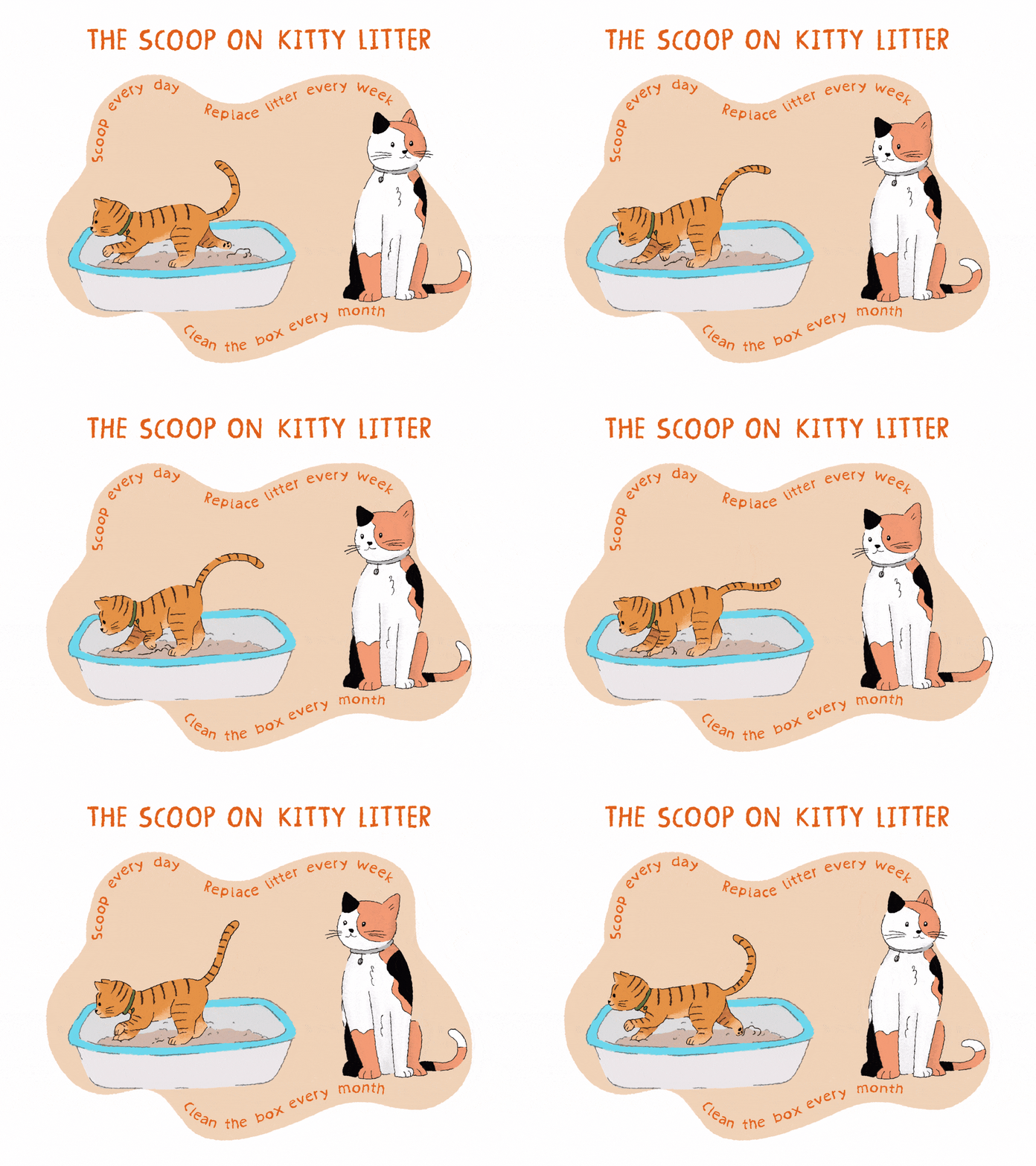
Cats are clean creatures by nature. A dirty litter box can deter them from using it. Regularly scoop out waste and change litter to maintain a fresh environment. Consider using litter box liners for easy cleaning. A clean box can prevent accidents and reduce odors, making it more inviting for your cat. Do you check the litter box daily? Staying on top of cleanliness ensures your cat feels comfortable and continues to use the box consistently. Maintaining hygiene is not just about odor control—it’s about ensuring your cat’s comfort and health. By addressing these common challenges with practical solutions, you can make the potty training process smoother. Your patience and adaptability play crucial roles in your cat’s success.Signs Of Successful Potty Training
Cats can show signs of potty training success. They might use their litter box consistently. Accidents become rare, showing improved habits.
Potty training a cat can be a rewarding experience, but how do you know when your feline friend has fully mastered the art? Recognizing the signs of successful potty training is crucial in ensuring your cat has adapted well to its new routine. Here’s what to look for to confirm that your cat is on the right track.Consistent Usage
One of the first signs of successful potty training is your cat consistently using the designated potty area. Whether it’s a litter box or a toilet training setup, your cat should head there without hesitation. If you notice your cat regularly heading to the correct spot, it’s a strong indication that the training has been effective. Consistency is key here. A cat that occasionally misses the mark might need a bit more guidance. I remember when my own cat, Whiskers, finally mastered the litter box after a few weeks of hit-and-miss. It was a relief to see him confidently trotting over to his spot each time.Comfort With The Setup
Your cat should feel completely at ease with the potty setup. If your feline is comfortable, they will show no signs of stress or anxiety when using the potty area. Watch out for relaxed body language and a calm demeanor during their bathroom routine. Pay attention to your cat’s behavior. Are they hesitant or do they approach the potty area with ease? A cat that is comfortable with its setup will show a smooth and natural approach, indicating that they trust the environment you’ve created for them.Independence In Potty Habits
A successfully potty-trained cat will exhibit independence in their potty habits. They won’t need coaxing or reminders; they’ll go when they need to, without any prompting from you. This independence is a strong sign that your cat understands its bathroom routine. Think about how your cat acts throughout the day. Are they seeking your approval before going, or are they confidently heading to the potty on their own? When my friend noticed her cat, Luna, confidently using the litter box on her own, it was clear Luna had reached a milestone in her potty training journey. How does your cat measure up against these signs? Observing these indicators not only affirms your success in training but also strengthens the bond between you and your cat. Keep an eye on your feline’s habits, and celebrate these small victories on your potty training adventure!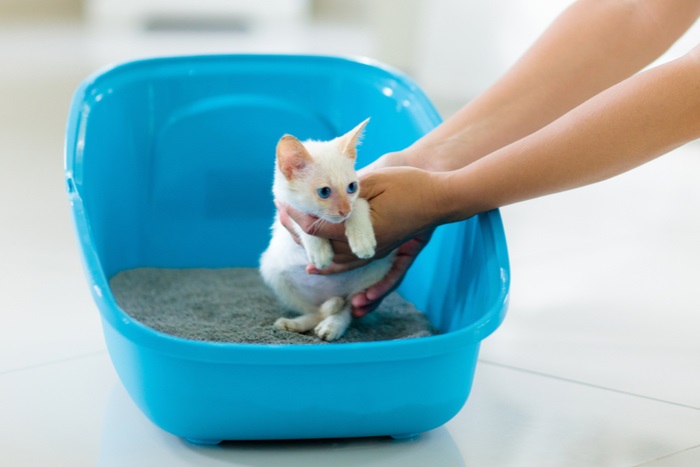
Credit: www.cruceroclick.com
Tips For Faster Training
Potty training a cat usually takes weeks. Cats learn quickly if you provide a clean litter box. Consistent routines and rewards speed up the process.
Potty training a cat can be a rewarding experience. With patience and the right techniques, you can make the process smoother. Fast training means a happier home for both you and your feline friend. Here are some tips to speed up the training process.Positive Reinforcement
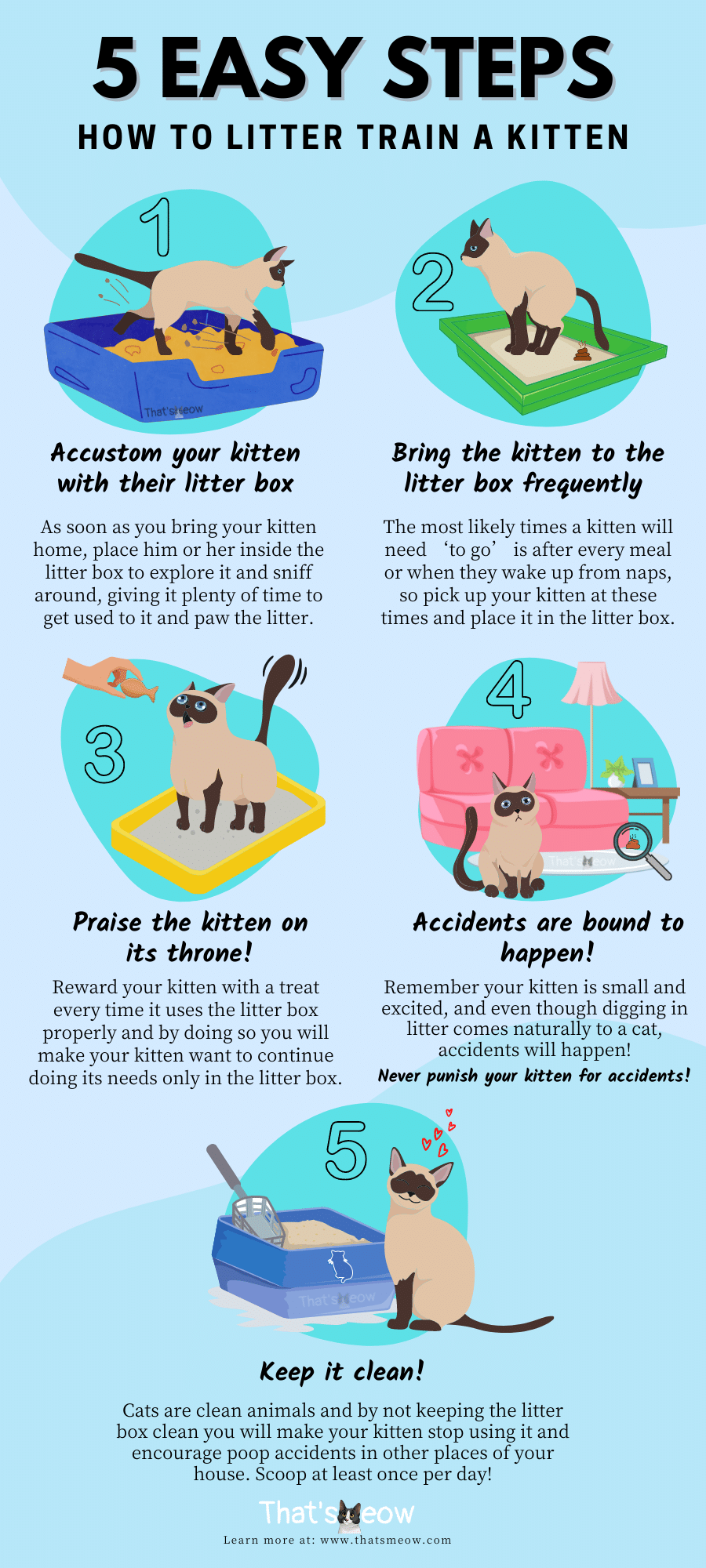
Cats respond well to positive reinforcement. Offer treats when they use the litter box. Praise them with a gentle voice. This makes them associate the litter box with good things. Avoid scolding if they make a mistake. Negative reactions can cause fear and anxiety. Always focus on rewarding the desired behavior.Creating A Routine
Consistency is key in training. Establish a regular routine for feeding and bathroom breaks. Cats thrive on predictable schedules. Place them in the litter box after meals. This helps them understand when and where to go. Stick to the same routine daily. A routine builds a habit over time.Observing Behavior
Watch your cat’s behavior closely. Look for signs they need to go. Common signs include scratching or sniffing the floor. If you notice these signs, guide them to the litter box. Observing helps you intervene at the right moment. This increases success in training.Frequently Asked Questions
Are Cats Hard To Potty Train?
Cats are generally easy to potty train with a litter box. Most instinctively use it without much guidance. Introduce them to the box early, and maintain cleanliness for best results. Consistency and patience are key for successful training.
How Long Does It Take A Cat To Get Potty Trained?
Cats usually get potty trained in 2 to 4 weeks. Consistency and positive reinforcement help. Kittens may learn faster, while older cats might need more time. Provide a clean litter box and choose a suitable location. Patience and encouragement are key for successful training.
What Is The Easiest Way To Potty Train A Cat?
Train your cat by placing the litter box in a quiet, accessible spot. Gradually move it closer to the toilet. Use a litter box insert for transition. Reward your cat with treats and praise for successful use. Consistency and patience are key for effective potty training.
How Long Does It Take For A Cat To Use The Litter Box In A New Home?
A cat typically adapts to a new litter box within a few days. Some may take a week. Encourage by placing them in the box after meals and naps. Ensure the litter box is clean, accessible, and in a quiet location to facilitate faster adaptation.
Conclusion
Potty training a cat takes patience and time. Each cat is unique. Most cats learn in weeks. Some may take a bit longer. Consistency is key. Use positive reinforcement. Celebrate small successes. Provide a clean, accessible litter box. This encourages good habits.
Don’t rush the process. Gradual steps ensure lasting results. Watch for signs your cat is ready. This approach builds trust and understanding. Remember, patience leads to success. Happy training!