
Are you tired of your feline friend ruling the roost? Imagine a world where your cat listens, behaves, and even learns a few tricks.
Sounds impossible? It’s not. Training a cat may seem like a daunting task, but with the right approach, you can transform your mischievous moggy into a well-behaved companion. Picture this: less chaos, more cuddles, and the satisfaction of a harmonious home.
This guide is here to unlock the secrets of cat training, showing you step-by-step how to communicate with your feline friend effectively. Stick around, and you’ll discover how to create a bond that makes your cat not just a pet, but a true part of your family.
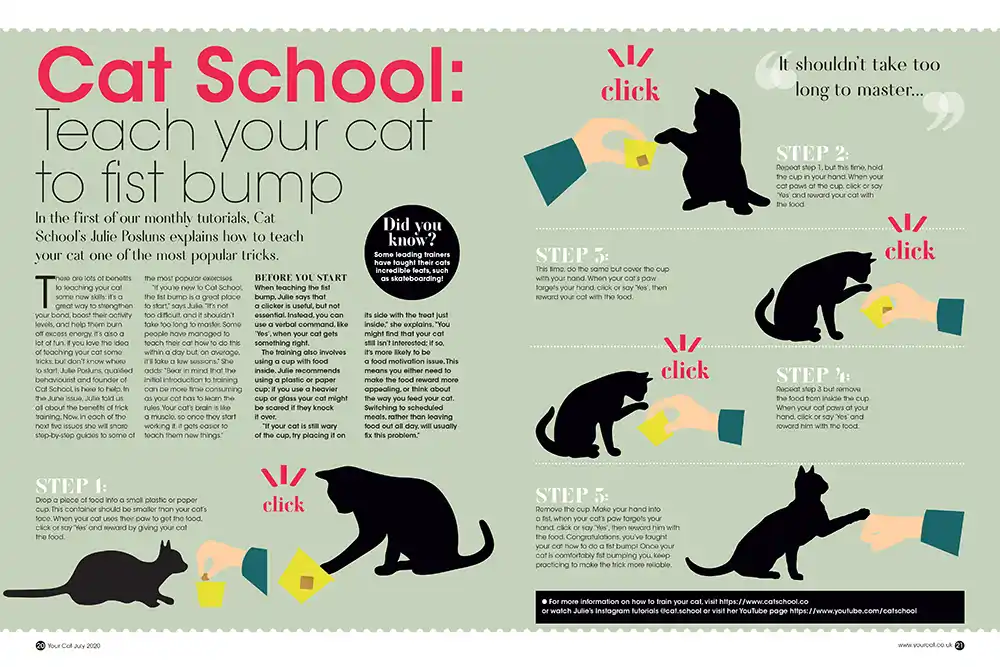
Credit: www.yourcat.co.uk
Choosing The Right Environment
Training a cat is rewarding. The first step is choosing the right environment. A calm, familiar setting helps your cat learn better. It minimizes distractions and keeps your cat focused. Let’s explore how to create this perfect space.
Creating A Safe Space
Your cat needs a safe space to feel secure. Start by removing dangerous objects. Ensure there are no cords or sharp items around. Soft bedding adds comfort. Quiet surroundings reduce stress. Keep the space consistent. Familiarity builds trust and focus.
Essential Supplies For Training
Gather essential supplies for training. Treats motivate and reward your cat. Use small, tasty snacks. Clickers help communicate commands. They’re easy for cats to understand. Toys encourage play and learning. Choose interactive ones. Scratching posts protect furniture and offer exercise. Food and water bowls should be nearby. Convenience matters. These items create a positive training environment.

Credit: www.youtube.com
Understanding Cat Behavior
Understanding cat behavior is crucial for effective training. Cats have unique instincts and body language. Knowing these can help in training. It builds a stronger bond with your feline friend. Let’s explore their natural instincts and body language cues.
Natural Instincts
Cats are natural hunters. They love to chase and pounce. This instinct drives many of their actions. It influences how they play and interact. Cats also have a strong territorial nature. They mark their space with scent glands. Understanding this helps in managing their environment.
Scratching is another instinct. It helps keep their claws healthy. It also marks territory. Providing a scratching post can satisfy this need. Cats also enjoy climbing and perching. High places make them feel safe. Offering vertical spaces can reduce stress.
Body Language Cues
Cats communicate through body language. The position of their tail speaks volumes. A raised tail often means a happy cat. A twitching tail can signal irritation or excitement.
Watch their ears and eyes. Forward ears indicate interest. Flattened ears might show fear or aggression. Slow blinking suggests trust and affection. It’s a sign they feel safe with you.
Pay attention to their whiskers too. Forward whiskers show curiosity or excitement. Whiskers pulled back might mean discomfort or fear. Understanding these cues helps in creating a positive training experience. Being observant leads to better communication and bonding.
Positive Reinforcement Techniques
Training a cat can be a rewarding experience. Positive reinforcement is a proven method that encourages desired behaviors. It involves rewarding good behavior, making training enjoyable for both you and your cat.
Rewards And Treats
Use treats to motivate your cat during training. Choose small, tasty snacks that your cat loves. Offer a treat immediately after your cat performs a desired action. This helps your cat associate the treat with good behavior. Keep sessions short to maintain interest.
Praise And Affection
Show your cat love when it behaves well. Use a gentle voice to praise your cat. Petting is a powerful tool. Cats enjoy physical affection. This creates a bond and reinforces positive behavior. Remember to be consistent with your praise. Consistency helps your cat understand what you expect.
Basic Commands And Tricks
Training a cat involves patience and consistency. Use basic commands like “sit” or “come” during playtime. Reward positive behavior with treats to encourage learning.
Training your cat to follow basic commands and perform tricks can be both fun and rewarding. Cats, unlike dogs, have a reputation for being independent and aloof. However, with patience and the right techniques, you can teach your feline friend some impressive skills.Teaching ‘sit’ And ‘stay’
Teaching your cat to ‘sit’ can be a great starting point. Use their natural curiosity and love for treats to your advantage. Hold a treat above your cat’s head and slowly move it back towards their tail. As their eyes follow the treat, they will naturally sit down. Once they do, immediately reward them with the treat and some praise. Consistency is key, so practice this in short sessions daily. Once your cat has mastered ‘sit’, you can move on to teaching ‘stay’. Begin by having your cat sit. Then, hold your hand up with your palm facing them and say ‘stay’ firmly. Take a step back, and if your cat stays put, reward them immediately. Gradually increase the distance and time before giving the treat. Remember, patience and repetition are essential.Training To Use A Litter Box
Getting your cat to use a litter box can sometimes be a challenge. Start by placing the litter box in a quiet, accessible location. Show your cat where it is, especially after meals or naps when they are most likely to need it. If accidents happen, gently place them in the litter box to reinforce the idea. Choose the right type of litter. Some cats prefer specific textures or scents. Observe your cat’s reaction and adjust accordingly. Clean the box regularly to encourage use. A clean litter box is more inviting and reduces the chance of your cat seeking alternative locations. Have you ever noticed how cats often seem to choose the most unexpected places to sit? Use this quirk in your training. Once your cat associates the commands with positive experiences, they’re more likely to respond willingly. What challenges have you faced while training your cat? Share your experiences, and let’s learn from each other!Addressing Common Challenges
Training a cat can be a rewarding journey, but it’s not without its challenges. Cats, known for their independent nature, often present unique hurdles that can test your patience and creativity. Addressing common challenges like scratching and aggression is essential to building a harmonious relationship with your feline friend. Let’s dive into practical ways to tackle these issues.
Dealing With Scratching
Scratching is a natural behavior for cats, but it can become problematic if your furniture becomes their favorite target. Have you tried providing alternative scratching surfaces? A scratching post can be a lifesaver, redirecting your cat’s attention away from your couch.
Place these posts strategically near areas your cat prefers to scratch. Does your cat ignore them? Sprinkling a bit of catnip can make these posts irresistible. Remember, consistency is key. Encourage your cat each time they use the post instead of the furniture.
Managing Aggression
Aggressive behavior in cats can be unsettling. Have you considered what triggers your cat’s aggression? Identifying the source can be half the battle. Sometimes, overstimulation or fear can lead to aggressive outbursts.
Creating a calm environment can help. If your cat gets aggressive during play, try using toys that keep your hands at a safe distance. Wand toys are great for this. Also, observe your cat’s body language. Recognizing signs of discomfort early can prevent escalation.
Could your cat be reacting to another pet or a change in their environment? Gradual introductions and maintaining a familiar routine can ease tensions. Addressing aggression with patience and understanding can transform your cat’s behavior over time.
Advanced Training Methods
Training a cat goes beyond simple commands. Advanced methods can deepen your bond with your feline friend. These techniques not only teach complex behaviors but also stimulate your cat’s mind. Whether you’re using clicker training or leash training, patience and consistency are key. Let’s explore these advanced methods in detail.
Clicker Training Basics
Clicker training involves a small device that makes a clicking sound. This sound marks desired behaviors. When your cat hears the click, they expect a reward. Start by clicking and offering a treat. Repeat this until your cat associates the sound with treats. Once they understand, use the clicker to reinforce specific actions. For example, click when your cat sits or comes to you. This method encourages positive reinforcement. It strengthens the connection between action and reward.
Leash Training For Cats
Leash training allows your cat to explore the outdoors safely. Start indoors with a comfortable harness. Let your cat get used to wearing it. Attach the leash and let them drag it around. This helps them feel the weight and get accustomed. Once comfortable, guide them gently with the leash. Use treats to encourage movement. Practice indoors before heading outside. Choose a quiet area for your first outdoor adventure. Stay calm and patient throughout the process.
Maintaining Long-term Success
Training a cat for long-term success involves patience and consistency. Use positive reinforcement to encourage good behavior. Establish a routine with simple commands and treats.
Training a cat is an ongoing journey. Achieving long-term success requires dedication and flexibility. After mastering basic commands, maintaining your cat’s skills and adapting to changes is crucial. You need to be consistent and responsive to your cat’s evolving behaviors. Let’s dive into how you can ensure sustained progress in your cat training efforts.Consistency In Training
Consistency is key to reinforcing learned behaviors. Regular training sessions help your cat retain what they’ve learned. Set aside a few minutes each day for practice. Use the same commands and gestures every time. This minimizes confusion and strengthens the association in your cat’s mind. If your cat is learning to sit, always use the same word and hand signal. Reward your cat with treats or affection immediately after they perform a desired action. This immediate feedback reinforces the behavior. Have you noticed how your cat responds faster when the reward is timely?Adapting To Behavioral Changes
Cats, like humans, change over time. Your cat’s preferences and behaviors may evolve, requiring you to adjust your training approach. Pay attention to any new behaviors or reactions your cat exhibits. If your cat loses interest in a previously loved treat, try a new one. Sometimes, a simple change can reignite their enthusiasm for training. Be patient and observe your cat’s body language. Does your cat seem stressed or distracted during training? You might need to adjust the environment or timing of your sessions. Flexibility in your approach can make a significant difference in your cat’s progress. Maintaining long-term success in cat training is about balance. Balance consistency with adaptability, and you’ll find your efforts pay off. Are you ready to continue the journey with your feline friend?
Credit: www.pumpkin.care
Frequently Asked Questions
Are Cats Easy To Train?
Cats can be challenging to train due to their independent nature. Patience and consistency are key. Positive reinforcement, like treats and praise, works best. Focus on simple commands and routines. Each cat’s personality varies, so adapt training methods accordingly.
How Do I Discipline My Cat?
Use positive reinforcement by rewarding good behavior. Redirect unwanted behavior with toys or scratching posts. Avoid physical punishment, as it harms trust. Use consistent commands and signals. Provide a stimulating environment to prevent boredom-related misbehavior.
How Do You Teach A Cat No?
Use a firm, consistent tone when saying “no” to your cat. Redirect its attention with a toy or treat. Reward good behavior immediately. Avoid yelling or physical punishment. Consistency is key to teaching your cat boundaries effectively.
What Annoys A Cat The Most?
Cats get annoyed by loud noises, unfamiliar smells, and sudden changes in their environment. Rough handling and lack of personal space irritate them. They dislike dirty litter boxes and inconsistent routines. Cats also get frustrated with excessive petting or ignored affection.
Respect their boundaries to keep them content.
Conclusion
Training a cat takes patience and consistency. Start with simple commands. Use treats as rewards. Cats respond well to positive reinforcement. Keep sessions short to maintain interest. Practice regularly to reinforce learning. Each cat learns at its own pace. Celebrate small successes along the way.
Build a strong bond through training. Enjoy the journey with your feline friend. Remember, it’s about mutual respect and understanding. Happy training!