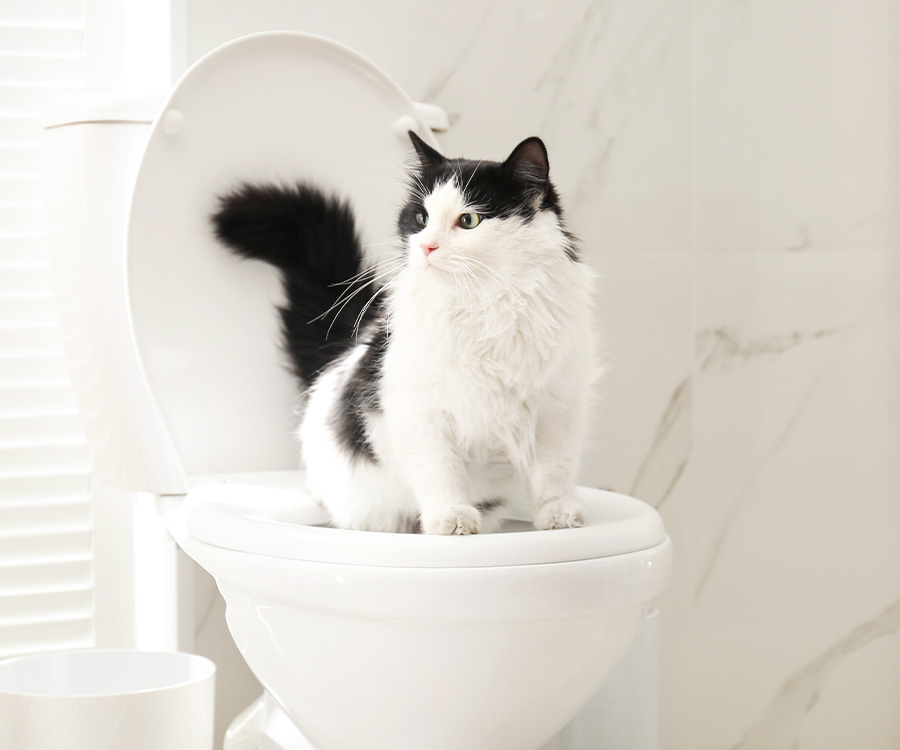
Are you tired of dealing with the litter box and all the mess that comes with it? Imagine having a cat that uses the toilet just like you do.
It might sound like a dream, but potty training your cat is entirely possible! You’re probably wondering how to get started and if it’s even worth the effort. By the end of this article, you’ll discover simple and effective steps to guide your feline friend from litter box to bathroom pro.
You won’t believe how easy it can be, and your home will be cleaner and fresher than ever. Dive in to unlock the secrets of a litter-free life for both you and your cat!
Choosing The Right Litter Box
Choosing the right litter box is crucial for potty training your cat. Consider size, ease of cleaning, and location. The right choice encourages your cat to use it consistently.
Choosing the right litter box is crucial in potty training your cat. A suitable litter box can make the process smoother and more effective. Factors like size, design, and location play key roles. Let’s explore these aspects to ensure a successful training journey.Size And Design Considerations
A litter box should be spacious enough for your cat to move. Cats need space to turn around and dig comfortably. Consider the age and size of your cat. Kittens and adult cats require different box sizes. An adult cat needs a larger box than a kitten. Design is another important factor. Some cats prefer high sides to prevent litter from spilling. Others may need low sides for easy access. Consider your cat’s mobility too. Older cats might struggle with high-sided boxes.Covered Vs. Uncovered Options
Covered boxes offer privacy, which some cats appreciate. They help contain odors and litter scatter. Yet, not all cats enjoy covered boxes. Some feel trapped or scared. Uncovered boxes are open and accessible. They allow for easy monitoring of your cat’s habits. Observe your cat’s preferences. A trial and error approach can help decide the best option.Location Matters
The litter box’s location affects your cat’s willingness to use it. Choose a quiet, low-traffic area in your home. Avoid placing it near loud appliances or in busy rooms. Cats value privacy and peace when using the litter box. Make sure the box is easily accessible. Avoid placing it in the basement if your cat dislikes stairs. Multiple cats may need multiple boxes in different locations. This prevents territorial disputes and ensures everyone is comfortable.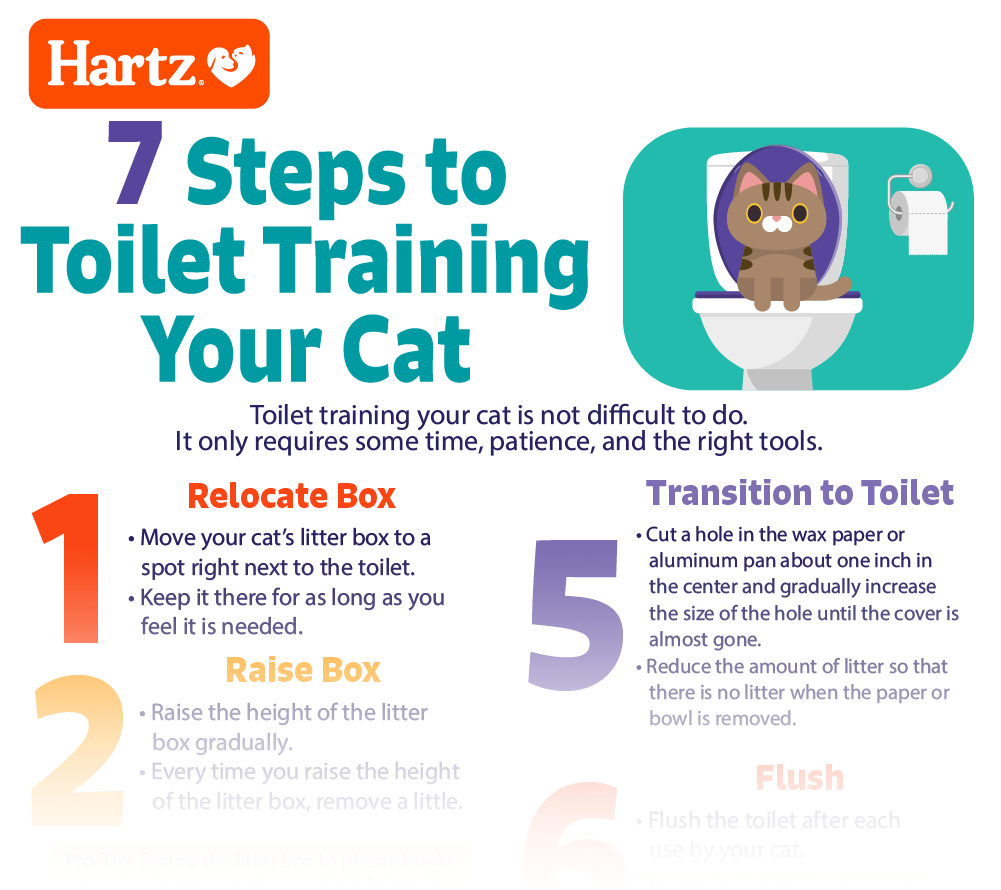
Credit: www.hartz.com
Selecting The Best Litter
Choosing the right litter is crucial for successful cat potty training. Cats can be picky about their litter. A suitable litter can make training easier. It ensures your cat feels comfortable and secure. Various factors influence which litter is best for your feline friend. Let’s explore the different types of cat litter. We’ll also discuss scented versus unscented options. Finally, we’ll look at clumping versus non-clumping litter. Each type has its own benefits and drawbacks. This helps you find the perfect fit for your cat.
Types Of Cat Litter
Cat litter comes in several forms. Clay is the most common type. It is absorbent and affordable. Silica gel litter is another option. It controls odors well. Biodegradable litter includes materials like corn or pine. These are eco-friendly choices. Each type has unique characteristics. Consider your cat’s preferences and needs. This will help you make the right decision.
Scented Vs. Unscented
Scented litter masks unpleasant odors. This can be appealing to humans. But some cats dislike strong scents. Unscented litter is often preferred by sensitive cats. It offers a more natural smell. Keep your cat’s sensitivity in mind. This ensures they use the litter box without hesitation.
Clumping Vs. Non-clumping
Clumping litter forms solid clumps when wet. This makes cleaning easier. It also helps control odors effectively. Non-clumping litter absorbs moisture but does not form clumps. It may require more frequent cleaning. Some cats prefer the texture of non-clumping types. Evaluate what works best for your cleaning routine.
Establishing A Routine
Establishing a routine is crucial for successful cat potty training. Cats thrive on predictability, and a consistent schedule helps them understand what is expected. Having a routine reduces stress and confusion for your feline friend. It also makes the training process smoother and more effective.
Timing And Frequency
Choose a specific time each day for potty training sessions. Align these times with your cat’s natural habits. Cats often need to go after meals or naps. Plan your sessions around these activities for best results. Frequent practice helps reinforce learning. Start with short sessions and gradually increase the duration.
Consistency Is Key
Consistency builds trust and understanding. Use the same litter box and location each time. Ensure the area is quiet and comfortable. Stick to the same training cues or commands. This reduces confusion and helps your cat learn faster. Keep your approach consistent to avoid setbacks.
Signs Your Cat Is Ready
Observe your cat’s behavior for readiness signs. Is your cat using the litter box regularly? Does your cat follow simple commands or routines? These are positive indicators. Notice if your cat shows interest in the toilet area. Such curiosity signals readiness for advanced training. Look for these signs before proceeding further.

Credit: wb-iisg.com
Training Techniques
Potty training a cat can be a rewarding experience. It requires patience and consistency. Understanding the right techniques makes the process smoother. Cats are independent creatures. They learn best with structured methods.
Here, we explore effective training techniques. These include positive reinforcement and gradual transitions. We also tackle addressing accidents. Each technique helps in its own unique way.
Positive Reinforcement
Cats respond well to positive reinforcement. Reward them when they use the litter box. Use treats, praise, or petting. This encourages them to repeat the behavior. Ensure rewards are immediate. Cats must connect the action with the reward.
Avoid punishing mistakes. It can create fear and confusion. Focus on rewarding correct actions instead. Consistency is key. Reinforce the behavior every time.
Gradual Transition Methods
Gradual transition methods work well with cats. Start by placing the litter box where your cat usually goes. Gradually move it to the desired location. Move the box a few inches each day. This helps your cat adjust without stress.
Change the litter gradually too. Mix new litter with the old. Increase the new litter amount over time. Cats dislike sudden changes. A gradual approach eases the transition.
Addressing Accidents
Accidents happen. It’s important to address them calmly. Clean the area thoroughly to remove odors. Use an enzyme cleaner for best results. This prevents your cat from returning to the spot.
Observe your cat’s behavior. Accidents might indicate a problem. It could be medical or stress-related. Consult a vet if accidents persist. Understanding your cat’s needs helps prevent future issues.
Common Challenges
Training a cat to use the litter box can be difficult. Cats may resist change or dislike certain litter types. Consistency and patience are key.
Potty training a cat can be an intriguing journey, filled with unexpected twists and turns. While some cats take to litter training naturally, others may resist, creating hurdles for even the most patient owners. Understanding these common challenges is crucial to successfully training your feline friend. Let’s delve into the specifics of dealing with resistance, handling multiple cats, and tackling territorial issues.Dealing With Resistance
Resistance is a common issue when potty training cats. Some cats may be skeptical of using a litter box, preferring other spots in your home. Try to understand the underlying reasons for their resistance. Is the litter box in a noisy area? Are you using a type of litter that your cat dislikes? A friend once shared how her cat refused to use a litter box placed near the washing machine. The noise and vibrations were enough to cause a feline rebellion! Consider relocating the box to a quieter spot and experimenting with different types of litter. You might need to try several options before finding one your cat prefers.Handling Multiple Cats
Training multiple cats adds complexity to the process. Each cat has its own preferences, making it essential to cater to individual needs. Think about this: Do your cats have their own litter boxes? Sharing a box can lead to territorial disputes, making training difficult. My two cats, Max and Luna, had constant conflicts until I provided separate boxes for each. This simple change made a world of difference. Ensure each cat has access to a personal litter box and observe their interactions. This prevents territorial battles and promotes harmony in your home.Tackling Territorial Issues
Territorial issues can disrupt potty training. Cats are naturally territorial and may avoid using a litter box if it feels “claimed” by another cat. Pay attention to signs of territorial behavior, like scratching or spraying near the box. If your cat shows these signs, consider changing the box’s location or adding more boxes to reduce competition. In one case, a reader shared how moving the box to a neutral space resolved her cat’s territorial issues. It was a simple adjustment that made her cat feel more comfortable using the litter box. Ask yourself: Is your home environment promoting territorial disputes? Observing your cats and adjusting their litter box setup can help tackle these issues effectively. Overcoming these common challenges requires patience and a willingness to adapt. Every cat is unique, and understanding their specific needs will lead you to success. What challenges have you faced in potty training your cat? Share your experiences and insights in the comments below!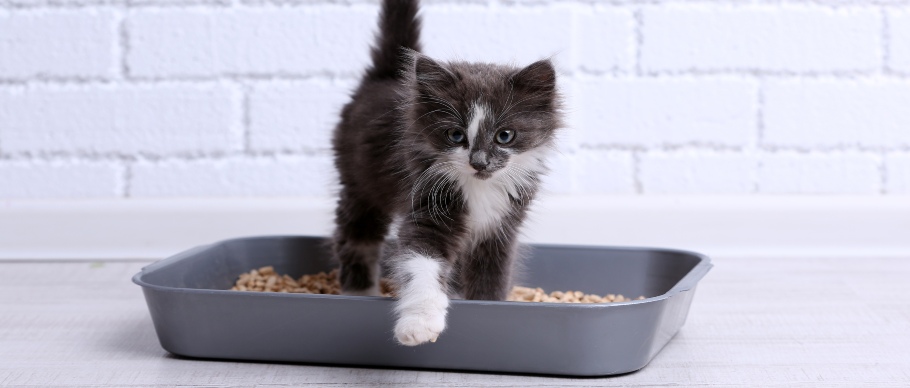
Credit: www.fourpaws.com
Monitoring Progress
Watching your cat’s progress is crucial for successful potty training. Keep a close eye on their habits and preferences. Adjust training techniques as needed for a smooth transition.
Potty training a cat requires patience and observation. Monitoring your cat’s progress is crucial for success. Regularly check on their development to ensure effective training. This helps identify any issues early. Keeping a close eye on your cat’s behavior and reactions can help adjust the training process as needed.Tracking Improvements
Note changes in your cat’s behavior. Are they using the litter box more consistently? Observe the frequency and location of their bathroom habits. Keeping a journal can help track these details. Document any positive changes or setbacks. This information helps you understand what works best.Adjusting Strategies
If your cat struggles, change your approach. Consider the litter box’s location and type. Some cats prefer a quieter spot. Others might like different litter textures. Experiment with these variables. Adjust based on your cat’s preferences. This flexibility can lead to better results.When To Seek Professional Help
Sometimes, professional help becomes necessary. Persistent issues might require expert advice. Consult a vet if your cat has health problems. A behaviorist can offer targeted strategies. Professional guidance ensures you address all concerns effectively.Maintaining Success
Training a cat to use the toilet can keep your home clean and odor-free. Start by placing the litter box near the toilet. Gradually elevate it until it reaches seat level. This method ensures your cat feels comfortable and confident, leading to successful potty training.
Potty training your cat can be a rewarding journey, but maintaining that success requires ongoing effort and attention. Once your cat has successfully learned to use the litter box, ensuring this behavior continues is crucial. Let’s explore some key strategies to help you maintain that success, focusing on building long-term habits, ensuring cleanliness, and adapting to changes in your cat’s life.Long-term Habits
Consistency is key. Continue to place the litter box in the same spot to reinforce the habit. If you find your cat using the litter box without prompting, reward them with a treat or affection to encourage the behavior. Over time, you might notice your cat developing preferences for certain litter types or box shapes. Stay observant to these choices and accommodate them to maintain their comfort. It’s amazing how these small changes can keep their litter box habits strong. Ask yourself: Are you keeping the routine enjoyable for your cat? A little positive reinforcement can go a long way in maintaining their good behavior.Ensuring Cleanliness
A clean litter box is a happy litter box. Make it a routine to scoop out waste at least once a day. Your cat will appreciate a fresh and tidy space, and it will help prevent any accidents outside the box. Consider a deeper clean weekly by emptying the entire box and scrubbing it with mild soap and water. Replace with fresh litter and watch your cat happily return to use it. Have you ever noticed how your cat avoids a dirty box? Their behavior is a clear signal of their cleanliness standards. Meeting these standards ensures continued success.Adapting To Changes
Life changes can affect your cat’s potty habits. Moving to a new home or introducing a new pet can disrupt their routine. During such times, be patient and observe their behavior closely. If you notice any regression, revisit initial training methods. Reintroducing rewards and spending extra time with your cat during these transitions can help ease their stress. Think about how you adapt to changes. Your cat needs a similar level of support and patience to maintain their potty training success. Maintaining your cat’s potty training success is an ongoing process. Consistency, cleanliness, and adaptability are your allies in ensuring that your cat continues to thrive with their litter box habits. Are you ready to make these practices a part of your routine?Frequently Asked Questions
Are Cats Easy To Potty Train?
Cats are generally easy to potty train. They instinctively use litter boxes. Start by providing a clean, accessible litter box. Show them its location. Keep it clean to encourage consistent use. Most cats learn quickly with minimal effort. Ensure the litter box is appropriately sized for your cat’s comfort.
How Long Does It Take To Potty Train A Cat?
Potty training a cat usually takes 2 to 4 weeks. Consistency and positive reinforcement help speed up the process. Each cat is different, so patience is crucial.
What Is The Fastest Way To Litter Train A Kitten?
Place the litter box in a quiet area. Show the kitten the box after meals and naps. Use positive reinforcement to encourage use. Keep the box clean to prevent aversion. Use a litter type the kitten prefers. Consistency and patience are key for quick litter training success.
At What Age Are Cats Fully Potty Trained?
Cats are usually fully potty trained by 6 months of age. Start training early for best results. Use a consistent routine and ensure a clean litter box. Monitor their progress and adjust training methods as needed. Patience and positive reinforcement help kittens learn quickly and effectively.
Conclusion
Potty training your cat is simpler than it seems. Start with patience. Use positive reinforcement. Reward your cat for good behavior. Gradually introduce the litter box. Make sure it’s clean and accessible. Consistency is key. Avoid sudden changes in routine.
Each cat learns at its own pace. Stay calm and supportive. Soon, your cat will master the skill. Enjoy a cleaner, happier home. Remember, patience and love work wonders. Celebrate small victories along the way. Happy training!