
Are you tired of finding little surprises around your home? You’re not alone.
Many cat owners face the same challenge when it comes to litter box training. But imagine a world where you no longer have to worry about where your cat decides to go. Sounds great, right? Litter box training your cat doesn’t have to be a daunting task.
With a few simple steps, you can teach your feline friend exactly where to do their business. Not only will this save you time and energy, but it will also create a cleaner, more harmonious living space for both you and your pet. Ready to transform your home into a tidy, stress-free zone? Let’s dive in and discover the secrets to successful litter box training.
Credit: www.dutch.com
Choosing The Right Litter Box
Choosing the right litter box is crucial for successful training. Cats have different needs. A well-selected box can ease the process. Consider size, coverage, and number of cats. Each aspect affects comfort and hygiene.
Size And Depth
The litter box size matters. Cats need space to move. A cramped box feels uncomfortable. Depth is important too. Shallow boxes might lead to spills. Deep boxes retain litter better. Choose a box big enough for your cat to turn around.
Covered Vs. Uncovered
Covered boxes offer privacy. Some cats prefer it. They feel safe. But not all cats like covers. It might trap odors. Uncovered boxes provide freedom. They’re easier to clean. Observe your cat’s behavior. Choose according to their preference.
Multiple Cats Consideration
Multiple cats need more boxes. One box per cat is ideal. Cats can be territorial. Sharing can cause stress. More boxes reduce conflict. Place boxes in different areas. This gives each cat their space.
Selecting The Perfect Litter
Choosing the right litter is vital for your cat’s comfort. The right choice keeps your home clean and odor-free. Cats have preferences, just like humans. Understanding these preferences aids in successful litter box training. Let’s dive into the types of litter available.
Types Of Cat Litter
Cat litter comes in various forms. Clay is popular due to its absorption. Natural litters are made from corn, wheat, or pine. They are eco-friendly and biodegradable. Silica gel litter absorbs moisture and controls odor. Each type has its unique benefits. Consider your cat’s needs when selecting.
Scented Vs. Unscented
Scented litters mask odors but can irritate cats. Unscented options are often preferred by sensitive cats. Cats rely on smell for their environment. Strong perfumes might deter them from using the box. Choose a litter that balances odor control and comfort.
Clumping Vs. Non-clumping
Clumping litter forms solid clumps when wet. This makes cleaning easy. Non-clumping litter absorbs moisture but doesn’t form clumps. It’s usually cheaper and needs frequent changing. Clumping litter is often more convenient for busy owners. Consider your cleaning habits before deciding.
Finding The Ideal Location
Choosing the right location for your cat’s litter box is crucial. It affects how comfortable your cat feels using it. The perfect spot encourages regular use and minimizes mess. Consider your home’s layout and your cat’s needs.
Quiet And Accessible Spots
Place the litter box in a quiet area. Cats prefer privacy. Avoid noisy appliances or busy rooms. The spot should be easy for your cat to reach. Ensure your cat feels safe and undisturbed there.
Avoiding High-traffic Areas
Keep the litter box away from high-traffic spots. Crowded areas stress cats. They might avoid using the box if they feel exposed. A tucked-away corner is often best. It provides a sense of security.
Multiple Levels In Multi-story Homes
Multi-story homes need careful planning. Ensure your cat has access on each level. Place a box on each floor. This prevents accidents and promotes regular use. Cats shouldn’t have to trek far to find a box.
Credit: www.youtube.com
Introducing The Cat To The Litter Box
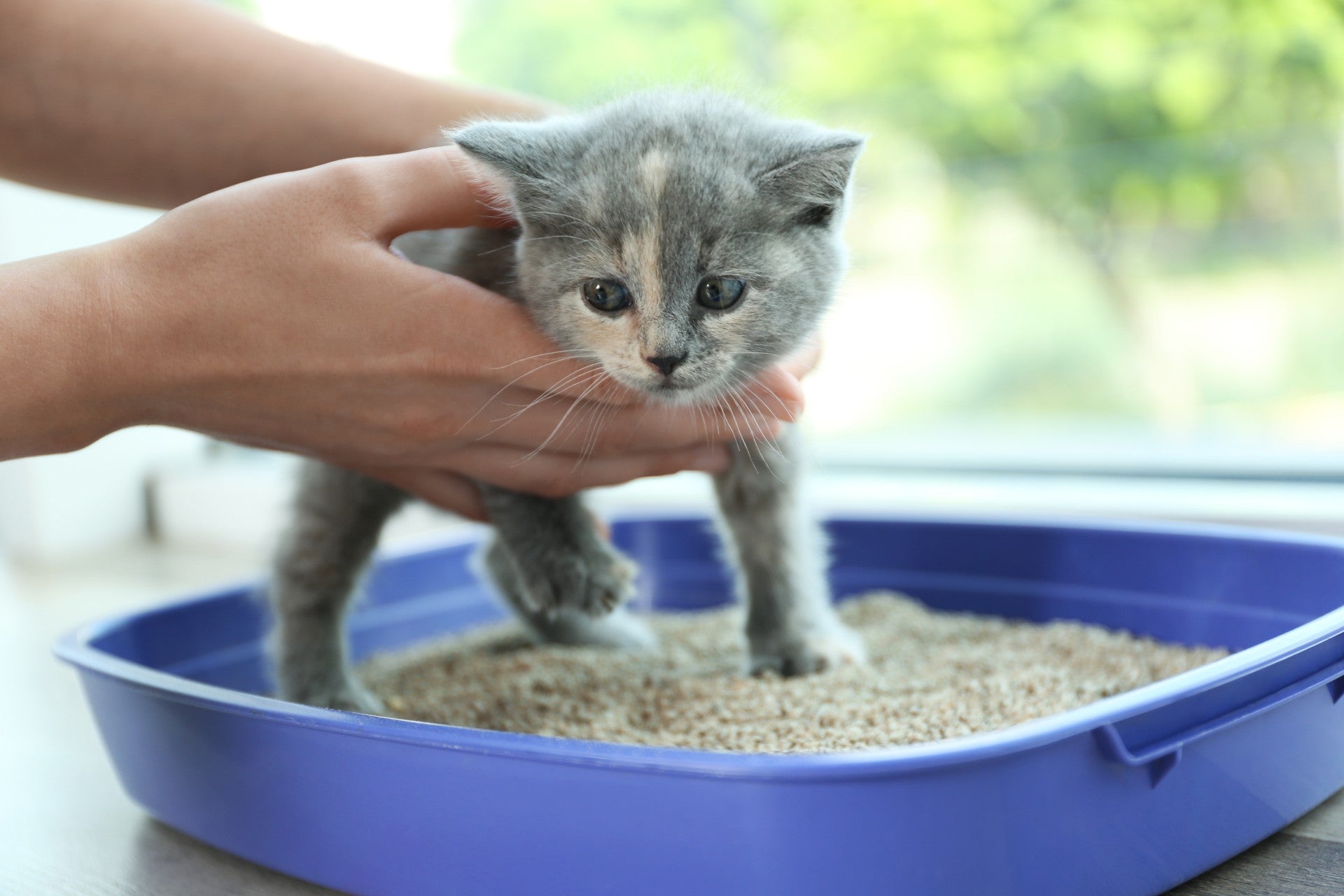
Training a cat to use the litter box involves patience and consistency. Start by placing the box in a quiet spot where your cat feels comfortable. Encourage your feline friend by gently placing them in the box after meals and playtime.
Getting your cat comfortable with a litter box is important. Cats are naturally clean animals. They usually take to the litter box quickly. Yet, introducing a new cat to this can be challenging. Knowing the right techniques can make this process smooth.Familiarization Techniques
Start by placing the litter box in a quiet corner. This area should be easily accessible. Let your cat explore the space. Give them time to sniff and investigate. Use a litter type that is unscented and similar to what they used before. Show them the litter box. Gently place them in it. This helps them understand its purpose.Positive Reinforcement
Reward your cat for using the litter box. Offer treats and praise. Cats respond well to positive reinforcement. It makes them feel secure and loved. Use a calm voice. This encourages them to repeat the behavior.Handling Initial Resistance
Some cats might resist at first. They might avoid the litter box. Don’t worry. This is common. Observe their behavior. If they seem fearful, try a different litter type. Ensure the box is clean. Cats dislike dirty litter boxes. Keep the area free from noise. This reduces stress and encourages use. `Maintaining Cleanliness
Training your cat to use a litter box helps maintain cleanliness at home. Start by placing the box in a quiet spot. Encourage your cat by gently placing them inside after meals.
Maintaining cleanliness is crucial for successful litter box training. Cats are clean animals and prefer a tidy space. Keeping the litter box fresh helps prevent accidents and ensures your cat’s comfort. A clean environment also reduces the risk of health issues. Consistent maintenance fosters good habits and makes training more effective.Daily Scooping Routine
Daily scooping is essential for a clean litter box. Remove waste every day to keep the box fresh. This practice prevents unpleasant smells and keeps your cat happy. Cats dislike using dirty litter boxes. Regular scooping encourages them to use the box properly. It also minimizes the spread of bacteria. Set a routine to scoop at the same time each day. Doing so makes it a simple habit.Regular Full Cleanings
Full cleanings should be done weekly. Empty the entire box and wash it with mild soap. This eliminates lingering odors and bacteria. Dry the box thoroughly before adding fresh litter. A clean box attracts your cat to use it. Fresh litter keeps your cat’s paws clean. Regular cleanings keep the environment healthy for your cat.Managing Odors
Controlling odors is important for maintaining a pleasant home. Choose a litter designed to minimize smells. Baking soda can be added to the litter to help absorb odors. Ensure proper ventilation in the area where the box is located. This helps disperse any lingering smells. Regular cleaning and scooping reduce odor buildup. A fresh-smelling box encourages consistent use by your cat.Troubleshooting Common Issues
Cats are usually quick to adapt to litter boxes. Yet, some may face challenges. Knowing how to address these issues can make the process smoother. Here, we’ll explore some common problems cat owners face.
Resolving Aversion To Litter
Some cats dislike the feel or smell of certain litters. Try changing the type of litter. Unscented varieties are often preferred. Also, ensure the litter is not too deep. A shallow layer may feel more comfortable for your cat. Experiment with different textures to find one your cat likes.
Addressing Territorial Behavior
Territorial behavior can lead to litter box issues. Cats may refuse to share a box. Provide multiple boxes in multi-cat households. Place them in different areas. This gives each cat a private space. Clean boxes regularly to avoid marking behavior.
Dealing With Health-related Problems
Health issues can affect litter box use. If a cat suddenly avoids the box, consult a vet. Urinary tract infections are common culprits. Pain during elimination can cause avoidance. Address any health concerns promptly to ensure your cat stays comfortable.
Transitioning To A New Litter Box
Training a cat to use a new litter box involves patience and consistency. Gradually introduce the new box by placing it near the old one. Encourage your cat to explore by adding familiar scents, ensuring a smooth transition.
Transitioning your cat to a new litter box can be challenging. Cats are creatures of habit. They might resist changes to their environment. Successful transition requires patience and understanding. Follow these steps for a smooth changeover.Gradual Introduction
Start with placing the new litter box near the old one. Let your cat explore it at their own pace. Keep the old box clean to avoid deterring them. Gradually reduce the use of the old box. This helps your cat adapt to the new box.Monitoring Cat Behavior
Observe your cat’s behavior around the new box. Notice any signs of reluctance. Watch for pacing or scratching outside the box. These indicate discomfort or confusion. If so, make adjustments as needed.Adjusting For Preference
Cats have individual preferences. Some may dislike certain litter types. Experiment with different textures or scents. Adjust the litter depth to suit their liking. Pay attention to your cat’s reactions. This ensures a comfortable transition.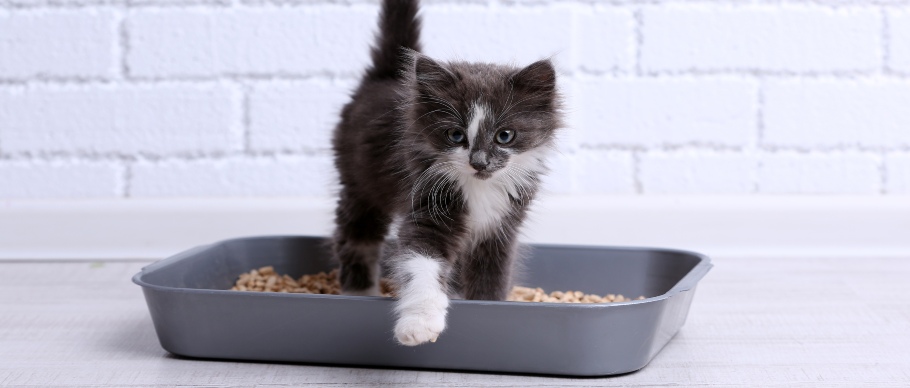
Credit: www.fourpaws.com
Frequently Asked Questions
How Long Does It Take To Train A Cat To Use A Litter Box?
Training a cat to use a litter box usually takes around one to two weeks. Start by placing your cat in the litter box after meals and naps. Keep the box clean and accessible. Most cats learn quickly, but patience is key for successful training.
How Do I Teach My Cat To Use The Litter Box?
Place the litter box in a quiet, accessible area. Show your cat the box. Praise and reward them when they use it. Keep the box clean. Ensure litter is comfortable for your cat. Gradually encourage use by placing them in the box after meals or naps.
How Do I Get My Cat To Start Peeing In The Litter Box?
Place the litter box in a quiet, accessible area. Clean it regularly to ensure it’s odor-free. Use unscented litter that your cat prefers. Reward your cat with treats after successful use. Consult a vet if behavioral issues persist.
Do Cats Train Themselves To Use The Litter Box?
Cats naturally have an instinct to bury their waste. Most kittens learn to use the litter box by observing their mother or through instinct. Providing a clean litter box encourages this behavior. Some may need gentle guidance, but they typically adapt quickly.
Conclusion
Training your cat to use a litter box takes patience. Start early and stay consistent. Clean the box regularly to keep it inviting. Choose a quiet spot for the box. Praise your cat when they use it correctly. Avoid punishment; it can lead to fear.
Offer treats for successful use. Every cat learns at their own pace. Celebrate small victories along the way. With time, your cat will feel comfortable using the litter box. Your bond with your cat will grow stronger. Litter box training is a journey worth taking.
Happy training!