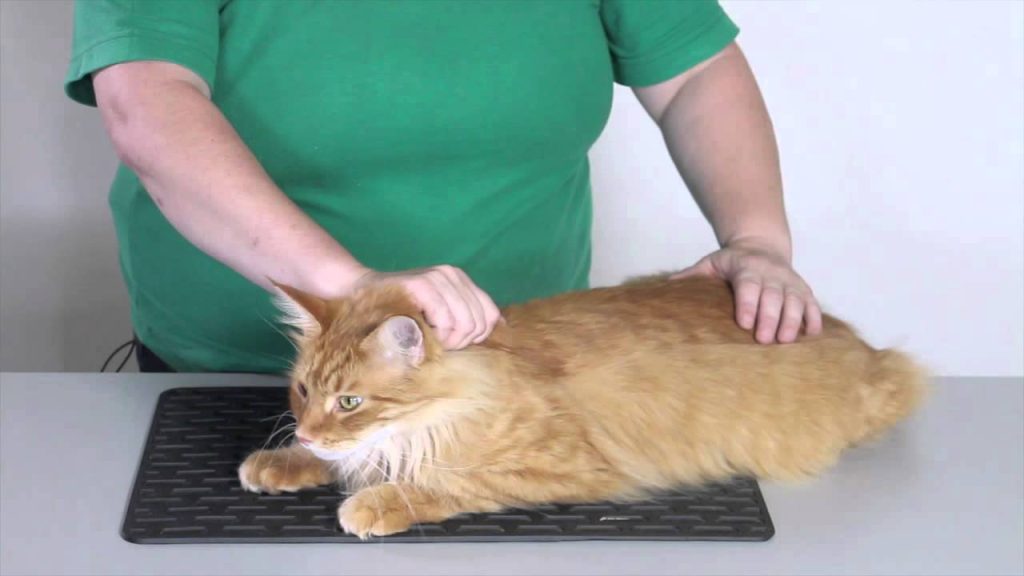
Imagine this: you’re at home with your beloved feline companion, and suddenly, you find yourself in a situation where you need to safely restrain your cat. Perhaps it’s for grooming, administering medication, or a trip to the vet.
You know how unpredictable cats can be—one moment they’re purring contentedly, and the next, they’re a whirlwind of fur and claws. The thought of restraining your cat might feel daunting, but fear not! In this guide, you’ll discover simple, effective, and humane techniques to keep your cat calm and secure.
By the end of this article, you’ll gain confidence in handling your cat safely, ensuring both you and your furry friend remain stress-free. Keep reading to learn how you can turn this challenging task into a manageable one. Your cat will thank you!
Preparation For Handling
Gently approach your cat to avoid startling it. Use a towel to wrap the cat securely, keeping its paws inside. Hold the cat close to your body, speaking softly to calm it down.
Preparing to handle a cat requires some thought and care. Cats, with their unique personalities and behaviors, need gentle and informed handling. Whether you’re taking your cat to the vet or simply grooming them, a little preparation can make the process smoother for both you and your furry friend.Understanding Cat Behavior
Understanding your cat’s behavior is key before attempting to restrain them. Cats are sensitive creatures. They often react to fear or discomfort with defensive behavior. Watch for signs of anxiety, like flattened ears or a twitching tail. These can indicate that your cat is feeling stressed. A calm and quiet environment can help soothe their nerves.Gathering Necessary Supplies
Having the right supplies on hand can make a big difference. Consider using a soft towel or blanket. These can help gently wrap and hold your cat securely. You might also want a pair of cat-friendly gloves. They’re useful if your cat tends to scratch when nervous. Keep treats nearby as well. Offering a tasty snack can distract and reward your cat during the process. Do you have a special trick or tool that works wonders with your cat? Share your tips in the comments below!
Credit: www.wikihow.com
Approaching The Cat
Approaching a cat requires patience and understanding. Cats can be sensitive and easily stressed. You must approach them carefully and with respect. This ensures both your safety and the cat’s comfort. Knowing how to build trust and recognize stress signs is key.
Building Trust
Start by observing the cat from a distance. Let it adjust to your presence. Speak softly to create a calm environment. Use a gentle and soft voice. Avoid sudden movements or loud noises. Offer your hand for the cat to sniff. This helps the cat feel safe. Bringing treats can help in gaining trust. Reward the cat for calm behavior. Patience is essential for building trust.
Recognizing Signs Of Stress
Cats show stress through body language. Look for flattened ears or a twitching tail. These can indicate discomfort or fear. A stressed cat may hiss or growl. It might also hide or try to escape. Observe its eyes and body posture. Wide eyes or a crouched body can signal stress. Respect these signs and give the cat space. Understanding these cues is crucial for a safe approach.
Techniques For Restraint
Restraining a cat can be challenging for many pet owners. Cats are agile and sensitive creatures. They often resist handling, especially during vet visits or grooming. Using the right techniques is essential. It ensures both your safety and the cat’s comfort. Let’s explore some effective methods for restraining your feline friend.
Using Towels For Comfort
Towels are excellent tools for calming cats. A simple towel can work wonders. Place the towel on a flat surface. Gently place the cat on the towel. Wrap the towel around the cat’s body. This creates a soothing cocoon. The warmth and pressure comfort the cat. It also reduces movement, preventing escapes. Always ensure the towel is not too tight.
Gentle Scruffing
Gentle scruffing is a natural restraint method. Mother cats use this technique with their kittens. It mimics a familiar sensation for the cat. Hold the loose skin at the back of the neck. Use only gentle pressure. This temporarily immobilizes the cat. It helps during quick procedures. Avoid lifting the cat by the scruff. Support their weight with your other hand.
The Burrito Wrap Method
The burrito wrap method is popular among pet owners. It offers full-body restraint. Lay a large towel flat. Place the cat near one edge. Fold the towel around the cat snugly. Tuck each side under the cat. This secure wrap limits movement. It is ideal for administering medications or grooming. Ensure the cat can breathe easily. Avoid covering the face completely.
Safety Tips
Restraining a cat requires patience and understanding. Ensuring safety is crucial for both you and your pet. Cats can be unpredictable. They may scratch or bite if threatened. Safety tips help you handle them calmly and effectively.
Protecting Yourself
Wear long sleeves to prevent scratches. Gloves can offer extra protection. Approach your cat slowly. Sudden movements may scare them. Keep your face away from the cat’s claws. Use a towel to wrap the cat gently. This limits their movement. Speak softly to soothe them. Stay calm. Your energy affects the cat’s behavior.
Ensuring Cat’s Safety
Check the environment for hazards. Remove sharp objects from the area. Ensure the room is quiet. Loud noises can stress the cat. Use a towel or blanket. Wrap it gently around the cat’s body. Avoid wrapping too tightly. This can cause discomfort. Make sure the cat can breathe easily. Observe their reactions. If the cat is too stressed, pause and try again later.
Handling Different Situations
Cats can be tricky to restrain, especially during vet visits or grooming. Calmly approaching with a gentle voice helps. Wrapping them snugly in a towel provides security and prevents scratching. Keep movements slow and reassuring to ease their anxiety.
Handling different situations with your cat can be challenging. Cats are independent creatures. They often dislike being restrained. Knowing how to manage them in various scenarios is crucial. This ensures their safety and comfort. It also makes tasks like administering medication or transporting them easier.Administering Medication
Giving medication to a cat is tricky. Cats sense when something unusual is happening. They may become anxious or resist. Prepare the medication before approaching your cat. This minimizes stress. Hold your cat gently but firmly. Use one hand to support their head. With the other hand, administer the medication. If pills are involved, hide them in treats. This makes the process smoother. Liquid medicine requires a syringe. Angle the syringe towards the side of their mouth. Slowly release the liquid. Offer a treat afterward. This helps calm your cat.Transporting The Cat
Transporting a cat can be stressful for both of you. Cats often dislike carriers. They associate them with vet visits. Introduce the carrier early. Place it in a familiar spot. Add a cozy blanket or toy inside. Encourage your cat to explore it. When ready to transport, calmly place your cat inside. Ensure the carrier is secure. Speak softly to reassure your cat. Keep the environment quiet. This reduces anxiety during travel. Upon arrival, allow your cat to exit the carrier slowly. Give them time to adjust to new surroundings.
Credit: www.youtube.com
Expert Advice
Gently grasping the scruff of a cat’s neck can help in calming them for a short while. Using a towel to swaddle them provides a safe and effective restraint method during grooming or veterinary visits. Familiarity with these techniques ensures minimal stress for both the cat and the owner.
Restraining a cat can be a challenging task, even for experienced pet owners. It’s essential to learn from those who handle cats regularly to ensure both your safety and the cat’s comfort. Expert advice can provide invaluable insights into effective restraint techniques. Let’s dive into some professional perspectives that can help you manage your feline friend more comfortably.Veterinarian Insights
Veterinarians are well-versed in handling animals, including our sometimes feisty feline friends. They often recommend using a gentle but firm approach. Keeping your cat’s comfort in mind is crucial. Dr. Sarah, a local vet, once shared a tip that changed my approach. She suggested using a towel to wrap around the cat, creating a “kitty burrito.” This method limits the cat’s movement without causing distress. The towel acts as a barrier and a calming pressure, similar to swaddling a baby. Another insight is to always approach your cat with calm energy. Cats are sensitive to your mood. If you’re nervous, they sense it and may react defensively. Practice deep breaths before attempting to restrain them. This small change can make a significant difference in how your cat responds.Professional Groomer Techniques
Groomers handle cats daily and have honed techniques that prioritize both safety and efficiency. One popular method involves acclimating the cat to the grooming environment gradually. Patience is key. Lisa, a seasoned groomer, once demonstrated an effective technique to me. She uses positive reinforcement, like treats, to encourage the cat to remain calm. By rewarding calm behavior, the cat associates grooming sessions with positive experiences. Another technique involves using a grooming harness. Unlike typical harnesses, these are designed to gently secure the cat without causing distress. Lisa mentioned that grooming harnesses are particularly useful for cats prone to wriggling during grooming. Have you ever considered how your cat’s personality might affect their response to restraint? Understanding whether your cat is more anxious or relaxed can guide your approach. Tailoring your technique to suit your cat’s temperament can transform a stressful task into a manageable one. By learning from experts who handle cats daily, you can develop a more effective approach to restraining your cat. These insights not only ensure your safety but also promote a more positive experience for your feline companion. What strategies have you found effective in managing your cat’s behavior?Post-restraint Care
Gently restraining a cat involves holding it securely yet comfortably to ensure its safety. After restraint, offer treats and soothing words to calm the cat. Observing behavior for any stress signs is crucial for effective post-restraint care.
After restraining your cat for a necessary task, such as a veterinary visit or grooming session, it’s crucial to ensure they feel safe and comfortable again. Post-restraint care is essential for maintaining your cat’s trust and preventing any lingering stress. This care helps your cat to recover mentally and physically from the experience, promoting a harmonious relationship between you and your feline friend. Let’s dive into some practical steps you can take to ensure your cat feels at ease.Calming Techniques
One of the simplest ways to soothe your cat after restraint is by creating a peaceful environment. Dim the lights and reduce any loud noises in your home. This can help your cat feel secure and relaxed. You can also try gently petting your cat or giving them a favorite treat. These small gestures can reassure your cat that everything is okay and that they are loved. Some cat owners find that playing soft music or using a pheromone diffuser can help calm their pets. These tools can mimic the comfort of a mother cat, bringing a sense of familiarity and peace.Monitoring For Stress
Keep an eye on your cat’s behavior after restraint. Look for signs of stress, such as hiding, excessive grooming, or loss of appetite. These behaviors can indicate that your cat is still feeling anxious. If you notice these signs, give your cat space but also be available for comfort when they seek it. Sometimes, just being nearby can provide a sense of security. Engage with your cat on their terms. Offer playtime or a cozy spot beside you, allowing them to approach when they feel ready. This approach helps rebuild trust and reassures them that you’re a source of safety. Have you ever noticed how a little patience goes a long way with your cat? By taking these thoughtful steps, you not only help your cat feel better but also strengthen the bond you share.
Credit: animals.howstuffworks.com
Frequently Asked Questions
How Do You Restrain An Uncooperative Cat?
Gently wrap the cat in a towel, leaving the head exposed. Secure firmly without causing discomfort. Use treats to calm them. Approach slowly and calmly, avoiding sudden movements. Ensure the cat feels safe and secure during handling. Consider using a cat restraint bag for more control if necessary.
How To Physically Restrain A Cat?
Use a towel to gently wrap the cat, keeping its head exposed. Hold it securely but not too tight. Ensure the cat feels safe and calm. Always prioritize the cat’s comfort and safety during restraint.
How To Immobilize A Cat Yourself?
Gently wrap the cat in a towel, ensuring paws are tucked in. Hold firmly but not too tight. Keep the cat calm by speaking softly. Use treats to distract if necessary. This method helps when administering medication or examining injuries.
Always prioritize the cat’s comfort and safety.
How To Correctly Grab A Cat?
To safely grab a cat, approach calmly and confidently. Support its chest and hind legs securely. Use gentle hands, ensuring the cat feels comfortable and safe. Avoid grabbing by the scruff or tail. Always observe the cat’s body language for signs of distress.
Conclusion
Safely restraining a cat requires patience and gentle techniques. Prioritize the cat’s comfort and safety. Always approach calmly and speak softly. Use a towel or blanket if needed. Remember, practice makes perfect. With time, both you and the cat will feel more at ease.
Understanding your cat’s behavior helps in making the process smoother. Keep treats handy as a reward. This helps build trust and cooperation. Restraining a cat is about care, not force. Make each experience positive. Your bond with your cat will grow stronger.