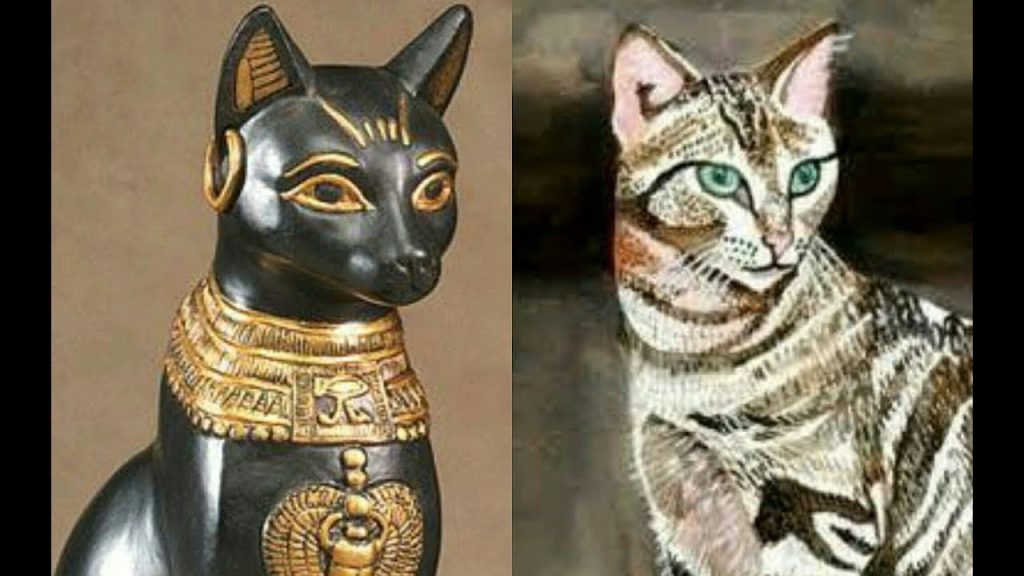
Have you ever paused to wonder about the origins of your feline friend? Cats have been a beloved part of human history for thousands of years, but what was the first breed of cat to captivate hearts?
This intriguing question opens the door to a fascinating exploration of feline history and evolution. By understanding the roots of our furry companions, you gain insight into their unique behaviors and traits. Discover the ancient lineage that led to the diversity of breeds we cherish today, and uncover secrets that might just surprise you.
Prepare to delve into a world where history meets the adorable charm of cats, and keep reading to satisfy your curiosity about the very beginnings of the feline family.
Ancient Feline Companions
Throughout history, cats have fascinated humans, not just as pets but as mystical creatures. As we trace back their lineage, the question arises: what was the first breed of cat? Delving into the past, we find that our ancient ancestors were not only drawn to cats for their beauty but also for their prowess. These ancient feline companions have left an indelible mark on human history, bridging the gap between the wild and domestic worlds.
Understanding The Origins Of Domestic Cats
The first domesticated cats are believed to have emerged around 9,000 years ago in the Fertile Crescent. This region, known for its rich lands and early human settlements, was a hotspot for the development of agriculture. As humans began to store grain, it attracted rodents, which in turn drew wildcats closer to human habitats.
These early interactions gradually led to a symbiotic relationship. Wildcats helped control rodent populations, and humans provided a steady food source. This mutual benefit laid the groundwork for the domestication of cats.
The African Wildcat: The Earliest Domesticated Breed?
The African Wildcat is often regarded as the ancestor of all domestic cats. Found in the deserts and savannas of Africa, this breed adapted well to a human-centric environment. Its natural agility and hunting skills made it a valuable ally in ancient agricultural societies.
Unlike the domestication of dogs, which involved selective breeding, cats largely chose to coexist with humans. Their independent nature meant they adapted to human environments on their own terms. It’s fascinating to consider how this early relationship shaped the diverse feline breeds we cherish today.
Ancient Egypt: The Cat’s Rise To Reverence
In ancient Egypt, cats were revered and often associated with gods and goddesses. Bastet, the goddess of home, fertility, and domesticity, was often depicted as a lioness or as a woman with a cat’s head. This association elevated cats to a status of worship and protection.
In my own travels to Egypt, visiting the temple of Bastet was a profound experience. Seeing the ancient carvings and statues of cats underscored their importance in Egyptian culture. This reverence ensured the protection and proliferation of cats, influencing their spread to other regions.
What Can We Learn From Ancient Feline Companions?
Considering the ancient bond between humans and cats, it’s intriguing to think about why we are so drawn to these creatures. Is it their independent nature or their mysterious allure? Perhaps it’s the age-old companionship that has been passed down through generations.
As you look at your own cat lounging in a sunbeam, remember that they carry a legacy dating back thousands of years. Their ancestors roamed ancient lands, forming alliances with early humans. This history enriches our appreciation for the cats we share our lives with today.
Have you ever wondered about the stories your cat could tell if it could speak? The tales of ancient lands, revered temples, and the first steps towards domestication lie in their DNA. Embrace this connection, and consider what you and your feline friend can learn from the past.
Credit: www.catster.com
Domestication Of Cats
The domestication of cats began thousands of years ago. Humans and cats formed a special bond. This relationship changed both species. Initially, wild cats lived near human settlements. They hunted rodents attracted by food stores. Humans noticed the benefits of having cats around. This mutual benefit paved the way for domestication.
Cats offered pest control. Humans provided shelter and food. Over time, cats adapted to living with humans. They became less aggressive and more social. This gradual process led to the first domesticated cat breeds. But which breed came first remains a mystery.
Early Human-cat Interactions
Early humans and cats interacted in mutualistic ways. Cats helped humans by controlling pests. Cats kept food supplies safe. Humans, in turn, tolerated their presence. This partnership was crucial for early settlements. Cats were not just tolerated; they were welcomed.
Archaeological evidence shows cats lived with humans in ancient times. This evidence includes cat remains near human dwellings. Over time, humans and cats formed a unique bond. A bond that was beneficial for both parties. This bond is the foundation of cat domestication.
Roles In Ancient Societies
Cats played key roles in ancient societies. In Egypt, cats were revered as sacred animals. They were associated with gods and goddesses. Killing a cat was a grave offense. Cats protected grain stores from rodents. This was vital for survival and prosperity.
In other cultures, cats held different roles. Some saw them as symbols of good luck. Others viewed them as mystical creatures. Cats were companions, hunters, and protectors. Their roles varied, but their importance was clear. They were more than just animals; they were valuable partners.
Tracing Lineages
Understanding the origin of cats requires exploring their lineages. Ancient breeds offer a glimpse into their evolutionary history. These lineages help connect past to present. By studying cat genetics, we uncover fascinating histories. Each breed tells a unique story, revealing connections to early ancestors.
Genetic Studies And Discoveries
Genetic studies reveal insights into cat lineage. Scientists analyze DNA to trace ancestry. These studies identify links between modern cats and ancient breeds. Research shows cats share common ancestors. Genetic markers help identify specific lineages. Discoveries continue to evolve, offering deeper understanding.
Linking Modern Breeds To Ancestral Cats
Modern breeds have roots in ancient lineages. Breeders focus on maintaining these connections. Understanding ancestral traits enhances breed development. Historical records document early cat breeds. Breeds like the Egyptian Mau link to ancient times. Each modern breed reflects a piece of history.
The African Wildcat
The African Wildcat is the ancestor of today’s domestic cats. Known for its shy nature, this feline roams the grasslands and deserts. Its existence dates back thousands of years, marking the beginnings of feline domestication. Let’s explore the African Wildcat’s habitat and characteristics.
Habitat And Characteristics
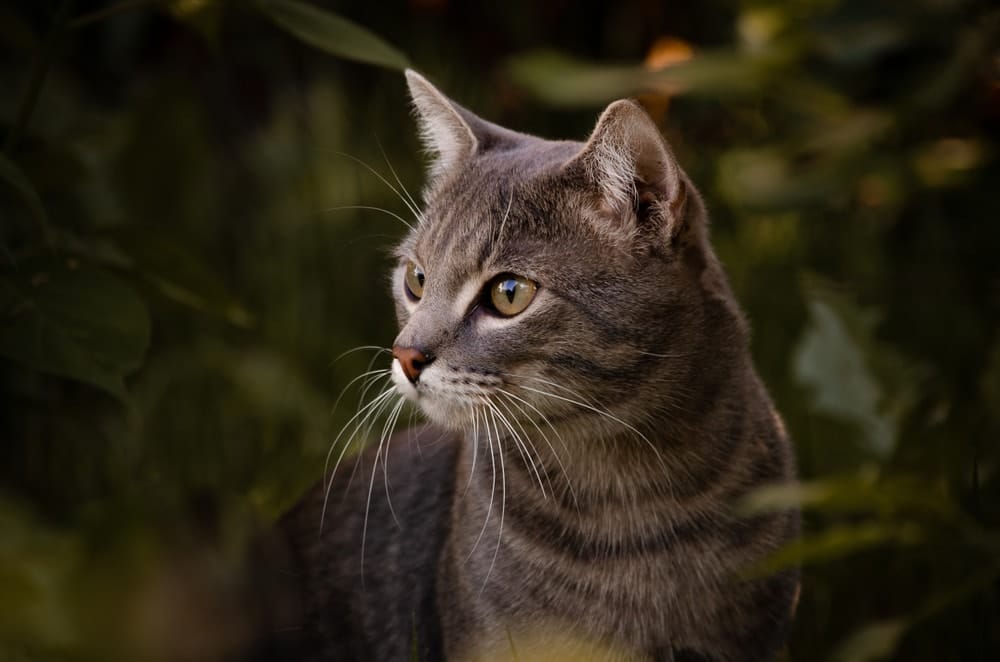
The African Wildcat thrives in diverse environments. It prefers open landscapes like savannas and grasslands. Sometimes, it finds shelter in desert areas. This cat is typically solitary and avoids human contact. Its coat is sandy-grey with faint stripes, aiding camouflage. Large ears help detect prey and predators. Its eyes are sharp, perfect for night hunting.
Domestication Pathways
Domestication began around 9,000 years ago in the Near East. Wildcats were attracted to human settlements by abundant food sources. Over time, they adapted to living alongside humans. Gradually, humans began to value these cats for pest control. This mutual relationship led to the domestication of cats. The African Wildcat’s genes are found in most domestic cats today.
Cultural Significance
The first breed of cat holds immense cultural significance across civilizations. Cats have influenced art, religion, and daily life. Their presence in history showcases human fascination with these creatures. Let’s delve into their impact on ancient cultures.
Cats In Ancient Egypt
Ancient Egypt revered cats as sacred animals. They represented grace and protection. Egyptians linked cats to Bastet, the goddess of home and fertility. Cats were guardians against evil spirits. Their roles in households were highly valued. Egyptians even mummified cats as offerings. This practice showed deep respect and admiration. Cats were often depicted in Egyptian art. Statues and paintings celebrated their beauty and elegance. Cats were integral in religious ceremonies. Their presence symbolized divine favor.
Symbolism In Other Cultures
Cats also held symbolic roles in other cultures. In ancient China, cats were believed to bring good fortune. Their ability to catch pests was appreciated. In Norse mythology, Freyja’s chariot was pulled by cats. This linked them to love and fertility. Japanese folklore saw cats as spirits with protective powers. They were guardians of temples and homes. Cats often appeared in literature and myths. Their mystique intrigued storytellers and audiences alike. Many cultures associated cats with mystery and independence. These traits made them fascinating subjects for art.
Credit: a-z-animals.com
Myth And Reality
Exploring feline history reveals intriguing myths and realities about cat breeds. Ancient Egyptian cats, often thought to be the first breed, were actually domesticated from African wildcats. This blend of myth and reality continues to captivate cat enthusiasts worldwide.
The origin of cats is a blend of myth and reality. Many tales suggest the first cat breeds came from ancient lands. Yet, historical evidence often tells a different story. Understanding these myths and realities can help us appreciate our feline friends.Common Misconceptions
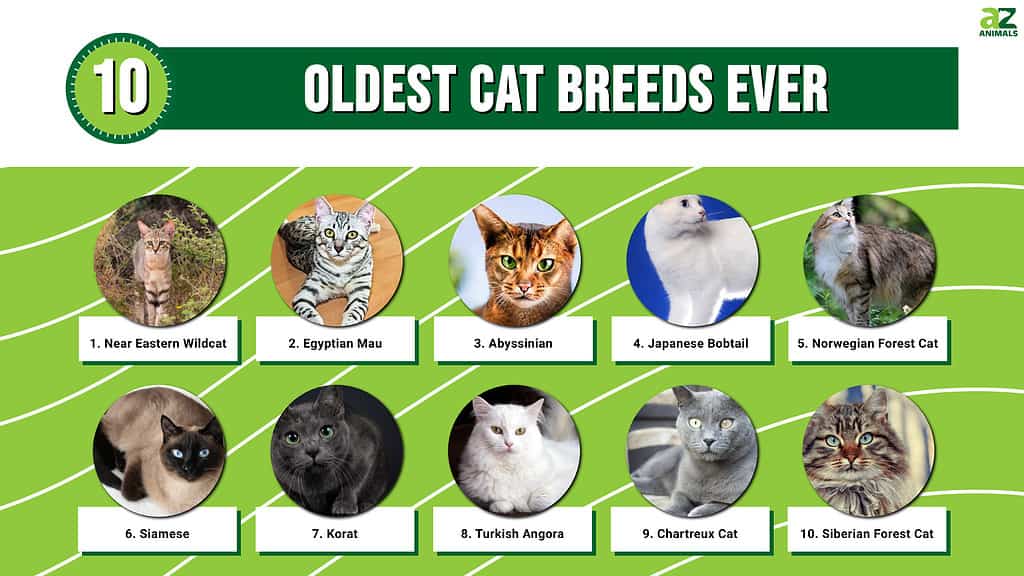
Many believe the Egyptian Mau is the oldest breed. This belief arises from ancient Egyptian art. Cats appear often in these artworks. Some also think Siamese cats are ancient. Their unique appearance suggests a long history. But these ideas lack strong evidence.Historical Accounts And Evidence
Researchers trace domestic cats back to the African wildcat. This species lived over 10,000 years ago. It roamed the Middle East and Africa. Evidence shows humans tamed these wildcats. They became partners in ancient farming communities. Archaeological findings support this theory. Cat bones found in ancient sites match modern cats. These findings provide a clearer picture of cat origins. The journey from wild to domestic began long ago. The first breed remains a topic of debate. But history gives clues about our shared past with cats. `Impact On Modern Breeds
The first breed of cat, the Egyptian Mau, influences modern breeds with its unique spots and agility. Known for its speed and grace, this ancient breed contributes to the diverse genetics of contemporary cats. Its characteristics continue to shape the development and popularity of various feline breeds today.
The first breed of cat, often believed to be the Egyptian Mau, has left a lasting impact on modern breeds. Its unique characteristics have influenced contemporary cat breeding practices, shaping the felines we know and love today. Understanding this impact can offer insights into the diversity and beauty of our current cat companions.Influence On Cat Breeding
The Egyptian Mau’s natural agility and spotted coat have inspired breeders to create new breeds with similar features. Breeders have admired its grace and attempted to capture this in other breeds. This has led to a variety of cats that showcase similar elegance and athleticism. Imagine your own cat, perhaps a Bengal, stretching luxuriously in a sunbeam. Its lineage might trace back to the Egyptian Mau, embodying the same sleekness and energy. Have you ever noticed how some cats seem to have a wild spirit? This is the legacy of the Egyptian Mau in action.Preservation Of Ancestral Traits
Maintaining the original traits of the first cat breed is crucial for preserving its historical and cultural significance. Breeders work diligently to ensure these traits remain intact, even as they introduce new breeds. They prioritize characteristics like the Mau’s distinct vocalizations and affinity for water. For those passionate about cats, understanding the importance of preserving these traits can enhance your appreciation of your pet. It’s fascinating to think that your cat’s quirky habits might be inherited from ancient ancestors. Do you ever wonder about the stories behind your pet’s unique behaviors? Reflecting on these ancestral traits adds a layer of depth to your relationship with your feline friend. The Egyptian Mau’s impact on modern breeds is a testament to the enduring legacy of the first cat breed. Embracing this history allows us to better appreciate the diversity and richness of the feline world today.
Credit: www.meowingtons.com
Frequently Asked Questions
What Was The First Cat Called?
The first domesticated cat’s name isn’t documented. Ancient Egyptians revered cats, often depicting them as deities.
Who Had The First Cat As A Pet?
The ancient Egyptians were the first to domesticate cats around 4,000 years ago. They valued cats for controlling pests. Cats became beloved household pets and even sacred animals in Egyptian culture.
What Is The Oldest Living Cat Breed?
The Egyptian Mau is considered the oldest living cat breed. Originating from ancient Egypt, this breed is known for its distinctive spotted coat and graceful appearance. Its history traces back thousands of years, making it one of the most ancient domesticated cat breeds still existing today.
What Was The First American Cat Breed?
The Maine Coon is the first American cat breed. Known for its large size and friendly nature, it originated in the northeastern United States. This breed is highly popular and recognized for its tufted ears and bushy tail.
Conclusion
Exploring the history of cats reveals fascinating origins. The Egyptian Mau is often considered the first domestic cat breed. This ancient breed shares a unique bond with human history. Their spotted coats and keen hunting skills made them special. Understanding cat history enriches our appreciation for these companions.
Cats evolved alongside humans, adapting to various environments. This journey from wild to domestic is remarkable. Knowing their roots helps us connect deeper with our feline friends. Cats have been a part of human life for thousands of years. Their legacy continues to thrive in today’s homes.