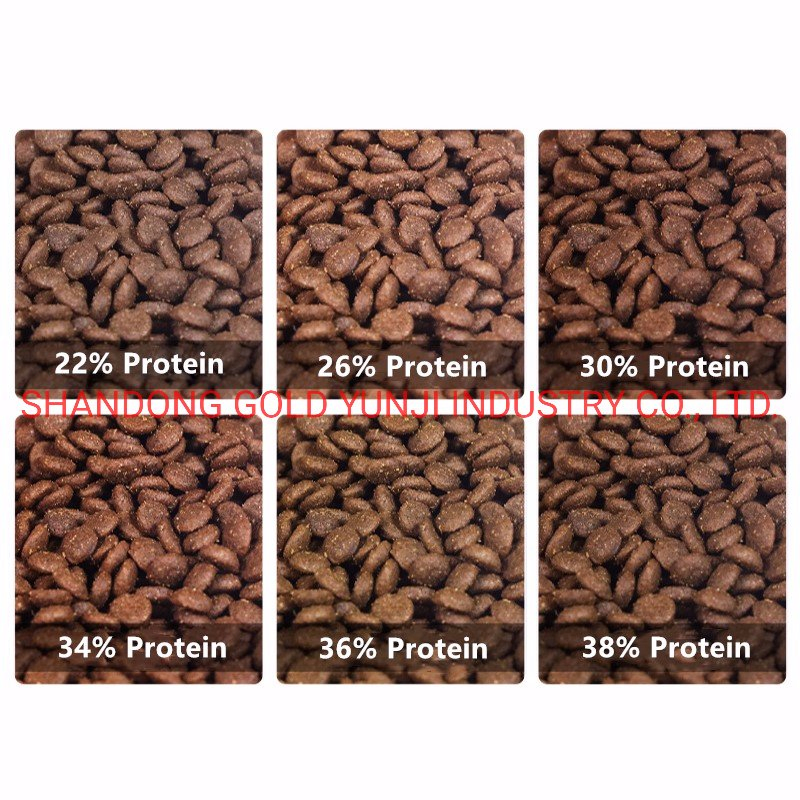
Have you ever glanced at the label on your cat’s food and wondered what “crude protein” really means? You’re not alone.
As a caring pet owner, you want to ensure your furry friend is getting the best nutrition possible. Understanding what’s inside that bag or can of cat food is crucial for your cat’s health and happiness. Crude protein might sound technical, but it plays a significant role in your cat’s diet.
By the end of this article, you’ll have a clear understanding of crude protein and why it matters. Get ready to uncover the secrets behind those nutrition labels and make informed choices for your beloved feline companion.
Crude Protein Definition
Crude protein in cat food refers to the total protein content measured before processing. It includes both digestible and indigestible proteins. This measure helps assess nutritional value for cats.
Understanding what crude protein means in cat food can make a significant difference in your pet’s diet. Crude protein is essentially the total amount of protein present in the food, calculated from its nitrogen content. This measure doesn’t distinguish between high-quality proteins and less beneficial ones, so knowing more about it can help you make better choices for your feline friend.What Is Crude Protein?
Crude protein is a term you might see on cat food labels, but what does it really mean? It represents the total protein content derived from the food’s nitrogen levels. This measurement doesn’t differentiate between the sources of protein, whether it’s from meat, plants, or other ingredients. When considering cat food options, understanding crude protein is key. It indicates the potential protein your cat could consume, but not necessarily the quality or digestibility. This is crucial because cats require specific amino acids found primarily in animal proteins.Why Does Crude Protein Matter?
You might wonder why crude protein is important. It’s a starting point for evaluating the nutritional value of cat food. However, it doesn’t tell the whole story. Not all proteins are equal, and cats need specific types to thrive. Think about it like this: you could have a diet rich in protein but if it’s not the right kind, your health could suffer. Similarly, your cat needs proteins that provide essential nutrients like taurine.How To Assess Crude Protein Quality
Assessing the quality of crude protein can be tricky. You can’t rely solely on the percentage listed on the packaging. Look at the ingredient list for sources like chicken, beef, or fish at the top. This indicates higher-quality protein content. Another way to gauge protein quality is through your cat’s health. A shiny coat and active behavior often point to a good diet. If you notice any changes, it might be time to reassess the food’s protein sources.Practical Tips For Choosing Cat Food
When choosing cat food, consider more than just the crude protein percentage. Check for named meat sources as the first ingredient. Avoid foods with ambiguous terms like “animal by-products.” Research brands and read reviews from other cat owners. Their experiences can offer insights into the real-world impact of the food’s protein quality. You might find that a particular brand works wonders for your cat’s health and energy levels. Have you checked your cat food’s crude protein content lately?
Credit: b80e7a65901207db.en.made-in-china.com
Importance In Cat Nutrition
Crude protein in cat food is essential for a feline’s growth and overall health. It provides amino acids necessary for strong muscles and a healthy immune system. Ensuring your cat’s diet includes adequate protein supports energy levels and proper development.
Crude protein is more than just a term you’ll find on cat food labels; it’s a critical component of your cat’s diet. Understanding its importance can help ensure your feline friend receives the right nutrition. Cats are obligate carnivores, meaning they rely heavily on proteins to meet their dietary needs.What Is Crude Protein?
Crude protein refers to the total amount of protein in a cat food product. It’s calculated by measuring the nitrogen content of the food, as proteins are primarily made of nitrogen. This measurement gives you an idea of the potential protein available, but not necessarily the quality or digestibility.Why Cats Need Protein
Cats have higher protein needs than many other animals. They use protein not just for energy, but also for maintaining muscles, organs, and a healthy coat. Without enough protein, your cat could lose muscle mass and energy.Protein Sources Matter
Not all proteins are created equal. Animal-based proteins, like chicken or fish, provide essential amino acids that plant-based proteins might lack. Check the label for high-quality protein sources to ensure your cat gets the nutrients they need.The Risks Of Low Protein Diets
Feeding your cat food with low protein content can lead to health issues. Cats on such diets might experience weakness, poor coat condition, and even organ problems. It’s crucial to choose a diet that meets their protein requirements.How To Choose The Right Cat Food
Look for cat foods that list specific animal proteins as the first ingredient. Avoid those with vague terms like “meat by-products.” Consider your cat’s age and health needs, as kittens and senior cats have different protein requirements.Personal Insights
When I first got my cat, Whiskers, I chose food based solely on price. Later, I learned that the cheaper brand lacked quality protein, affecting his energy levels. Switching to a protein-rich diet transformed his health and vitality. Is your cat getting enough protein? Take a look at their current food label. Ensuring they have the right balance can make a noticeable difference in their well-being. Understanding crude protein’s role in cat nutrition empowers you to make informed decisions for your pet’s health. Prioritize quality protein sources to keep your cat energetic and thriving.How Crude Protein Is Measured
Understanding the protein content in cat food is vital for pet health. Crude protein refers to the total protein content in the food. It is an essential component for growth, energy, and overall well-being. Measuring crude protein helps determine the nutritional value of cat food.
The measurement process involves analyzing the nitrogen content in the food. This method estimates protein levels by calculating nitrogen presence. A common technique is the Kjeldahl method. It provides a reliable estimate of protein levels in the food.
Understanding The Kjeldahl Method
The Kjeldahl method is a standard process for measuring protein. It involves boiling the food with acid, converting nitrogen into ammonia. The ammonia is then measured to estimate the protein content. This method is widely accepted for its accuracy in food analysis.
The Role Of Nitrogen In Measurement
Nitrogen plays a crucial role in protein measurement. Proteins are made up of amino acids, which contain nitrogen. By measuring nitrogen, the Kjeldahl method estimates the protein content. This provides a comprehensive view of the food’s nutritional value.
Limitations Of Crude Protein Measurement
Crude protein measurement has its limitations. It does not differentiate between protein sources. Not all proteins are equally digestible or beneficial. Some plant-based proteins are less digestible than animal-based ones. Understanding these differences is key to choosing quality cat food.
The Importance Of Protein Quality
Protein quality matters as much as quantity. High-quality proteins offer better digestibility and nutrition. Animal-based proteins are often more beneficial for cats. They provide essential amino acids needed for health and growth.
Sources Of Crude Protein
Understanding the sources of crude protein in cat food is vital. It ensures your feline friend gets the right nutrition. Crude protein refers to the amount of protein present in the food. It is essential for growth, repair, and overall health. This protein can come from various sources.
Animal-based Sources
Animal-based sources are rich in essential amino acids. They support muscle growth and maintain healthy skin and coat. Common animal-based proteins in cat food include chicken, beef, and fish. These ingredients provide high-quality protein. They are easily digestible for cats. Egg is another excellent animal-based protein source. It is packed with vital nutrients. Animal proteins are biologically appropriate for cats. They resemble what cats would eat in the wild.
Plant-based Sources
Plant-based sources are less common in cat diets. They can still be a part of balanced nutrition. Peas and lentils are frequently used plant proteins. They offer fiber and vitamins alongside protein. Soy is another plant protein found in cat foods. It provides protein but lacks some essential amino acids. Cats digest plant proteins differently than animal proteins. They may not absorb all nutrients efficiently. Plant-based proteins are usually supplements to animal sources. They contribute to the overall protein content.
Balancing Protein In Diet
Crude protein in cat food refers to the total protein content. It includes essential amino acids for cats. Balancing this protein is vital for your cat’s health, supporting growth and energy.
Balancing protein in your cat’s diet is crucial for their health and wellbeing. Cats are obligate carnivores, which means they need a significant amount of protein to thrive. However, it’s not just about quantity; the quality and balance of protein matter too.Understanding Crude Protein Levels
Crude protein is a measure of the total protein content in cat food. It doesn’t indicate how digestible the protein is. When you see a high crude protein percentage, it might seem like a good choice, but it’s important to consider the source of that protein.Animal-based Vs. Plant-based Proteins
Animal-based proteins provide the essential amino acids your cat needs. Plant-based proteins, while present in some cat foods, may not offer the same nutritional benefits. Always check if the protein comes from meat, fish, or poultry for optimal nutrition.Optimal Protein Content For Different Life Stages
Kittens, adult cats, and senior cats have different protein needs. Kittens, for example, require more protein to support rapid growth. Older cats may need less but still high-quality protein to maintain muscle mass. Is your cat getting the right amount for their age?Signs Your Cat Might Need More Or Less Protein
Too much protein can lead to weight gain, while too little can cause muscle loss. If you notice changes in your cat’s weight or energy levels, it might be time to reassess their diet. Have you observed any unusual changes in your cat recently?Consulting With Your Veterinarian
Discuss your cat’s dietary needs with your vet to ensure they’re getting the right protein balance. They can guide you on choosing the right cat food based on your pet’s specific health requirements. When was the last time you reviewed your cat’s diet with a professional? Finding the right balance of protein in your cat’s diet can be a game-changer for their health. By understanding the nuances of crude protein and making informed choices, you’re setting your cat up for a healthier, happier life.
Credit: www.researchgate.net
Analyzing Cat Food Labels
Crude protein in cat food indicates the total protein content from both animal and plant sources. This essential nutrient supports muscle growth, repair, and overall health in cats. Understanding crude protein levels helps pet owners choose nutritious meals for their feline friends.
When you’re strolling down the pet food aisle, the colorful bags and cans might leave you feeling overwhelmed. Each package seems to scream “healthy” or “natural,” but how do you truly know what’s best for your feline friend? Analyzing cat food labels is your secret weapon. Understanding these labels ensures that you’re feeding your cat a diet that supports their health and vitality.Understanding Crude Protein
Crude protein is a term you’ll often see on cat food labels. It refers to the total amount of protein in the food, including both digestible and indigestible parts. This number doesn’t tell the whole story about the protein quality or its source. Imagine you’re preparing your grocery list, and you need to decide between fresh chicken or processed chicken nuggets. Both might offer similar protein amounts, but they aren’t equal in quality. The same concept applies to cat food. The crude protein percentage gives you a starting point, but not the full picture.Ingredients Matter
Glance at the ingredient list on the back of the cat food package. The first few ingredients should ideally be named meat sources like chicken, beef, or fish. If you see vague terms like “meat by-products,” it might be time to reconsider. Think about when you read a food label for yourself. You’d likely avoid products with unclear ingredients, right? Your cat deserves the same scrutiny to ensure they’re getting the best nutrition possible.Checking For Fillers
Many cat foods are packed with fillers to bulk up the product. Ingredients like corn, wheat, or soy can appear prominently. While not harmful in small amounts, they shouldn’t be the main component of your cat’s diet. Have you ever tried a snack that was mostly air and left you unsatisfied? Cats need their diets to be protein-rich and filling. Keep an eye out for foods that list fillers as primary ingredients, and prioritize those with meat at the top.The Role Of Protein In Your Cat’s Diet
Cats are obligate carnivores, meaning they thrive on a meat-rich diet. Protein is essential for their muscle development, energy, and overall health. Think about the energy you feel after a protein-packed breakfast compared to a sugary snack. Protein keeps your cat active and healthy, supporting their playful nature and keeping them strong. Consider if your current cat food meets these needs.Making Informed Choices
Next time you’re in the pet food aisle, take a moment to read the labels closely. Look beyond the flashy marketing on the front. Focus on the details that matter: the sources of protein, the presence of fillers, and the overall nutritional content. If you’ve ever regretted a rushed grocery choice, you know the importance of reading labels. Apply that same diligence to your cat’s food. This ensures you’re making the best choice for their health and happiness. By becoming label-savvy, you empower yourself to make informed decisions. You’ll feel confident knowing you’re providing your cat with the nutrition they need to thrive.Common Misconceptions
Understanding crude protein in cat food can be confusing. Many pet owners hold misconceptions. These myths can impact their buying decisions. Let’s explore some common misunderstandings.
Crude Protein Equals High-quality Protein
Many believe more crude protein means better quality. This is not always true. Crude protein measures quantity, not quality. The source of protein matters more. Meat-based proteins usually offer better quality. Plant-based proteins might not be as beneficial.
All Proteins Are The Same
Not all proteins are equal. Animal proteins and plant proteins differ. Cats are obligate carnivores. They need animal-based proteins. Plant proteins can lack essential amino acids. Choose cat food with high-quality animal proteins.
More Protein Is Always Better
Some think more protein is always beneficial. Cats need a balanced diet. Excessive protein can lead to health issues. Kidney problems might occur with too much protein. Always consult with a veterinarian for dietary advice.
Crude Protein Reflects Nutritional Value
Crude protein does not show nutritional value. It only indicates protein content. Quality and digestibility are key factors. Look for foods with named meat ingredients. Avoid generic terms like “meat by-products.”
Plant Proteins Are As Good As Animal Proteins
Many believe plant proteins suffice for cats. Cats require specific nutrients. Animal proteins provide these essential nutrients. Taurine, found in meat, is vital for cats. Plant proteins often lack taurine.
Choosing The Right Cat Food
Choosing the right cat food requires careful consideration. Understanding crude protein is crucial. Cats need protein for energy and muscle development. Not all cat foods are the same. Different life stages and dietary needs must be considered. A thoughtful approach ensures your cat’s optimal health.
Considerations For Different Life Stages
Kittens need more protein than adult cats. Their bodies grow rapidly. Protein supports development and energy. Adult cats have different protein needs. They require less than kittens. Senior cats need easily digestible protein. Their metabolism slows down with age. Choose foods tailored to your cat’s life stage. This ensures they get the right nutrition.
Dietary Needs And Preferences
Some cats have special dietary needs. Others may have food allergies. It’s important to check food labels. Look for high-quality protein sources. Cats can be picky eaters. They may prefer certain flavors. Experiment with different options. Find what your cat enjoys. Their happiness is important too.

Credit: www.researchgate.net
Frequently Asked Questions
Is Crude Protein In Cat Food Good?
Crude protein in cat food is essential for their health. Cats need protein for energy and muscle development. Ensure the food meets their specific dietary requirements. High-quality protein sources are beneficial for overall well-being. Always check the label for protein content and consult a vet for personalized advice.
What Is The Difference Between Crude Protein And Regular Protein?
Crude protein measures total nitrogen content in feed, not just usable protein. Regular protein refers to digestible and usable protein by the body. Crude protein includes all nitrogen sources, some of which may not be digestible. Understanding both helps evaluate nutritional quality in food and feed.
Is 30% Crude Protein Good For Cats?
Yes, 30% crude protein is good for cats. Cats are obligate carnivores, requiring high protein diets. Ensure protein sources are high-quality. Always consult a veterinarian for specific dietary needs.
What Is The Healthiest Protein For A Cat?
Chicken is often considered the healthiest protein for cats. It’s lean, easily digestible, and rich in essential nutrients. Turkey and fish like salmon also provide excellent protein sources. Always ensure the meat is cooked and free from harmful additives. Consult your veterinarian for personalized dietary advice.
Conclusion
Understanding crude protein in cat food is essential for your pet’s health. It provides vital nutrients that support growth and energy. Always check the protein source on the label. Quality matters more than quantity. Look for meats like chicken or fish.
Avoid fillers and by-products. A balanced diet keeps your cat healthy and active. Consult your vet for personalized advice. They can guide you on the best choices. Remember, every cat has unique needs. Feed them well. They’ll thank you with purrs and cuddles.
Keep their bowl full of nutrition and love.