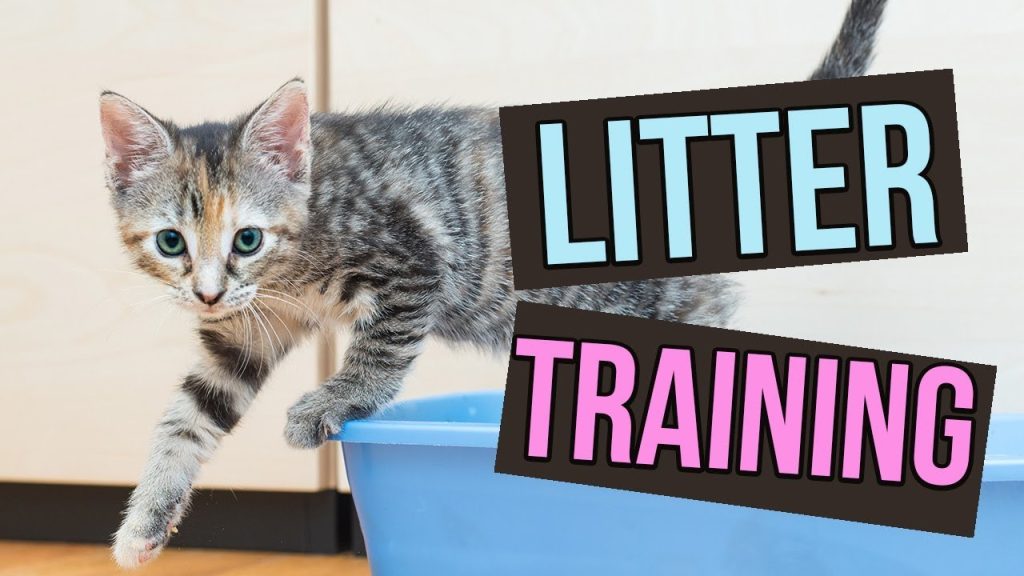
Imagine a world where your furry companion gracefully trots over to their litter tray without a hitch. No more surprises in unexpected corners of your home, just a clean, happy environment for both you and your cat.
Sounds too good to be true? It’s not. Training your cat to use a litter tray might seem like a daunting task, but it doesn’t have to be. You might wonder if your cat will ever get the hang of it, or if you’re destined to a life of cleaning up after their little “accidents.
” Fear not, because with the right approach, you can guide your feline friend to adopt this essential habit. This guide will show you exactly how to do it effectively, ensuring you and your cat enjoy a harmonious cohabitation. Keep reading, and you’ll discover the secrets to making this transition smooth and stress-free. Your perfect litter-training plan awaits!

Credit: greensafaris.com
Choosing The Right Litter Tray
Choosing the right litter tray is crucial for your cat’s comfort. A good litter tray helps your cat feel secure and encourages use. Make sure the tray suits your pet’s size and preferences. Consider various features to ensure it fits well in your home.
Size And Shape Considerations
The size of the litter tray should match your cat’s size. Cats need enough space to turn around comfortably. Small trays may make them feel cramped. Large trays give them room to move. The shape also matters. Some cats prefer open trays for easy access. Others might like enclosed trays for privacy. Observe your cat’s behavior to pick the best option.
Material And Design Options
Litter trays come in different materials. Plastic is common and easy to clean. Look for trays with smooth surfaces. They help prevent odors from sticking. Some trays are made of eco-friendly materials. These are great for environmentally conscious pet owners. Design matters too. High sides prevent litter spill. Low sides are easier for small or older cats. Choose a design that meets your cat’s needs.
Selecting The Best Cat Litter
Training cats to use a litter tray requires patience and the right setup. Place the tray in a quiet, accessible spot. Introduce your cat gently, and reward them for using it.
Selecting the right cat litter is crucial in your journey to successfully train your feline friend to use a litter tray. It might seem like a simple decision, but the type of litter you choose can significantly impact your cat’s willingness to use the tray. Cats can be quite picky, and their preferences should guide your choice. Making an informed decision about cat litter can save you from future headaches and ensure your cat’s comfort.
Types Of Cat Litter
There are several types of cat litter available, and each has its own benefits. Clumping litter is popular because it makes cleaning easier; it forms solid clumps when it comes into contact with moisture. Non-clumping litter, on the other hand, absorbs moisture but doesn’t form clumps, which means you’ll need to change it more frequently. Biodegradable litter is made from natural materials like corn, wheat, or recycled paper. It’s eco-friendly, but not all cats like its texture. Silica gel crystals are another option, known for their excellent odor control and low dust levels. However, they can be more expensive and may not be as comfortable for your cat’s paws.
Scent And Texture Preferences
Cats have a keen sense of smell, and a strong-scented litter might deter them from using the tray. You might love a lavender-scented litter, but your cat might disagree. It’s often best to choose unscented litter to avoid any potential issues with your cat’s sensitive nose. Texture is equally important. Think about your cat’s comfort. Some cats prefer the feel of finer, sand-like litter under their paws, while others might like the coarser texture of larger granules. Observe your cat’s behavior and try different textures if you notice any signs of discomfort or avoidance. Have you ever considered the type of surfaces your cat naturally gravitates towards? This can give you clues about their texture preferences. If your cat enjoys scratching soft surfaces, a fine-grained litter might be the perfect match. Choosing the right litter isn’t just about convenience for you—it’s about creating a welcoming environment for your cat. What litter has worked best for you and your cat? Share your experiences or any tips you’ve discovered along the way.
Finding The Perfect Location
Training cats to use a litter tray can be challenging. Choosing the right location for the litter tray is crucial. Cats need a comfortable spot to feel secure when using the litter tray.
Privacy And Accessibility
Cats value privacy when using a litter tray. Select a spot that offers some seclusion. A quiet corner or a small room can work well. Ensure the location is easily accessible. Cats should reach it without obstacles or barriers. Accessibility is key for maintaining litter tray hygiene.
Avoiding High-traffic Areas
High-traffic areas are less ideal for a litter tray. Loud noises and constant movement can stress cats. Choose a place away from frequent human activity. This helps your cat feel relaxed when using the tray. A calm environment encourages regular litter tray use.

Credit: www.embassyofpakistanusa.org
Introducing The Litter Tray
Cats are naturally clean animals. Introducing them to a litter tray is crucial. It helps maintain hygiene in your home. Proper introduction ensures your cat feels comfortable. This process requires patience and understanding. Follow these steps for a smooth transition.
Gradual Introduction Techniques
Start by placing the litter tray in a quiet spot. Cats prefer privacy when using the tray. Choose a location away from food and water. Let your cat explore the tray at its own pace. Encourage them to sniff and investigate. Sprinkle a few treats near the tray to attract them. Gradually move the tray closer to their usual resting area. This helps your cat associate the tray with comfort.
Using Positive Reinforcement
Positive reinforcement encourages cats to use the tray. Praise them when they approach the litter tray. Use a gentle, soothing voice to communicate approval. Offer treats immediately after they use the tray. This reinforces the behavior you want. Consistency is key in training your cat. Avoid punishing or scolding if mistakes happen. Patience and positivity lead to success.
Establishing A Routine
Training a cat to use a litter tray is crucial. Establishing a routine helps your cat adapt quickly. Cats are creatures of habit. They thrive on consistency. Routine makes them feel secure.
Consistent Timing
Choose a regular time for litter tray visits. After meals or playtime is ideal. This timing helps your cat learn when to use the tray. Stick to this schedule daily. Consistency builds trust and familiarity.
Monitoring Usage Patterns
Observe your cat’s behavior closely. Notice when they use the litter tray. Track their usage patterns. This helps you understand their needs. Adjust the routine based on their habits. Tailor it to suit your cat’s preferences. This observation ensures your cat feels comfortable and secure.
Handling Common Challenges
Training a cat to use a litter tray can be challenging. But with patience and understanding, you can overcome common hurdles. Every cat is unique, and each may face different issues. Addressing these challenges helps ensure a smoother training process. Let’s explore some common problems and their solutions.
Addressing Litter Aversion
Litter aversion is a frequent issue among cats. Some cats dislike certain textures or smells. Try different types of litter to find the right match. Unscented, clumping litter often works well. Keep the litter box clean to avoid odors. Cats have a strong sense of smell and prefer clean spaces. Consider the litter box location too. It should be quiet and easily accessible.
Managing Accidents
Accidents are part of the learning process. Do not scold your cat for accidents. This can create fear or anxiety. Instead, clean the area thoroughly to remove any scent. Use an enzyme-based cleaner for best results. Encourage your cat to use the litter tray by placing them in it after meals. Positive reinforcement, like treats or praise, can help. Reward your cat when they use the litter tray correctly.
Maintaining Cleanliness
Training cats to use a litter tray involves choosing the right tray size and placing it in a quiet spot. Encourage your feline friend by gently placing them in the tray after meals. Praise your cat whenever they use the tray correctly to reinforce this behavior.
Maintaining cleanliness in your cat’s litter tray is crucial for both your cat’s health and your home’s hygiene. A clean litter tray encourages your cat to use it consistently, reducing the likelihood of accidents around the house. But how can you ensure the tray remains inviting and odor-free?
Regular Cleaning Schedule
Establishing a regular cleaning routine is essential. Scoop out waste at least once daily to keep the litter fresh and prevent odors. A full litter change and thorough cleaning with mild soap and water should be done weekly. You might wonder why this frequency matters. Cats are fastidious creatures, and a dirty litter tray can be off-putting to them. Regular cleaning not only keeps your cat happy but also makes your home smell better.
Deodorizing Strategies
What about those lingering smells? There are several effective strategies to combat this. Using a baking soda-based litter can help absorb odors naturally without harming your cat. Consider adding a small layer of activated charcoal beneath the litter. This can significantly reduce odors without introducing harmful chemicals. Additionally, ensure the litter tray is placed in a well-ventilated area to help dissipate any smells quickly. If you use any scented products, ensure they are pet-safe. Strong fragrances can deter cats from using the tray, so opt for mild, cat-friendly options. Maintaining cleanliness in your cat’s litter tray is not just about odor control; it’s about creating a welcoming environment for your feline friend. How do you keep your cat’s litter tray clean and inviting? Your tactics might inspire other cat owners to improve their routines!
Expert Advice And Tips
Teaching cats to use a litter tray can be simple. Start by placing them in the tray after meals. Gradually, they will learn. Praise them for using it correctly. Choose a quiet spot for the tray. Keep it clean to encourage regular use.
Training your cat to use a litter tray can be a rewarding journey. With the right advice and techniques, you can help your feline friend adapt quickly and comfortably. Let’s delve into expert advice that provides valuable insights into cat behavior and advanced training techniques, ensuring a smooth transition for your pet.
Behavioral Insights
Understanding your cat’s behavior is crucial. Cats are naturally clean animals and prefer to bury their waste. Observe your cat’s habits and preferences. Does your cat prefer a certain type of litter or location? Consider your cat’s age and temperament. Kittens may learn quicker, while older cats might need more patience. My own cat took a liking to a particular scent of litter, which made all the difference in her training. Cats are creatures of habit. Keep the litter tray in a consistent location to avoid confusion. Make sure it’s accessible, especially for younger cats or older ones with mobility issues.
Advanced Training Techniques
Once you understand your cat’s behavior, you can move on to more advanced techniques. Start by introducing the litter tray gradually. Place your cat in the tray after meals or naps. This helps them associate the tray with the need to go. Reward your cat for using the litter tray successfully. Use treats or affection as positive reinforcement. This encourages repeat behavior. If your cat is hesitant, try using a second litter tray temporarily. Sometimes, a different location or type of litter can make a difference. Create a routine. Cats thrive on consistency. Regularly clean the litter tray to keep it inviting. Would you want to use a dirty bathroom? Neither does your cat. If accidents happen, don’t scold your cat. Instead, clean the area thoroughly to remove odors that might attract your cat back to that spot. Training a cat requires patience and observation. What unexpected quirks does your cat show? Understanding these can turn training challenges into successes.
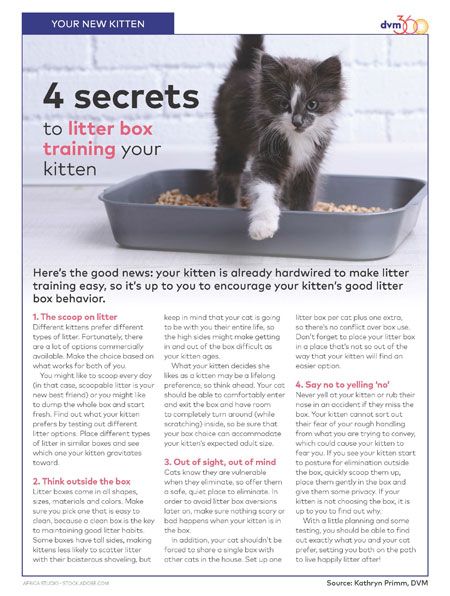
Credit: www.dvm360.com
Frequently Asked Questions
How Long Does It Take To Train A Cat To Use A Litter Box?
Training a cat to use a litter box usually takes about one to two weeks. Start by placing the box in a quiet, accessible location. Encourage your cat to use it by gently placing them inside after meals. Consistency and patience are key for successful litter box training.
How Do I Train My Cat To Use A Litter Tray?
Place the litter tray in a quiet, accessible spot. Encourage your cat by placing them inside after meals. Reward them with treats for using it. Keep the tray clean daily to avoid odors. Use unscented, clumping litter for comfort. Be patient and consistent with training.
How Do I Get My Cat To Pee And Poop In The Litter Box?
Place the litter box in a quiet spot. Keep it clean by scooping daily. Use unscented litter your cat prefers. Encourage your cat by placing them in the box after meals. Reward them with treats after successful use.
How Do I Start Training My Cat?
Begin by placing the litter tray in a quiet, accessible spot. Gradually introduce your cat to it, showing them where to dig. Use positive reinforcement like treats or praise when they use it correctly.
Conclusion
Training your cat to use a litter tray takes patience and consistency. Start with a clean, accessible tray. Praise your cat when they use it. Use positive reinforcement. Avoid punishment, as it scares them. A calm environment helps your cat feel safe.
Gradually, they will understand the routine. Make sure the litter tray is always clean. Cats prefer cleanliness. Monitor your cat’s behavior for any changes. Adjust the training techniques if needed. Each cat is unique. With time, your cat will adapt.
Celebrate small successes. Happy training!