
Are you wondering how much cat food your furry friend needs each day? You’re not alone.
Many cat owners find themselves puzzled when it comes to portion sizes, often asking, “How many ounces of cat food per day is ideal? ” Getting it right is crucial for your cat’s health and happiness. Too little could leave them hungry, while too much might lead to weight issues.
You’ll discover the perfect balance for your cat’s daily meals, ensuring they stay energetic and well-nourished. Ready to unravel the mystery and become the best pet parent you can be? Read on to find out how to tailor your cat’s diet to their unique needs.
Credit: www.petmd.com
Factors Affecting Cat Food Quantity
Determining the right amount of cat food can be tricky. Various factors influence how much a cat should eat daily. Understanding these factors ensures your cat stays healthy and happy. From age to activity level, each element plays a role.
Cat’s Age And Life Stage
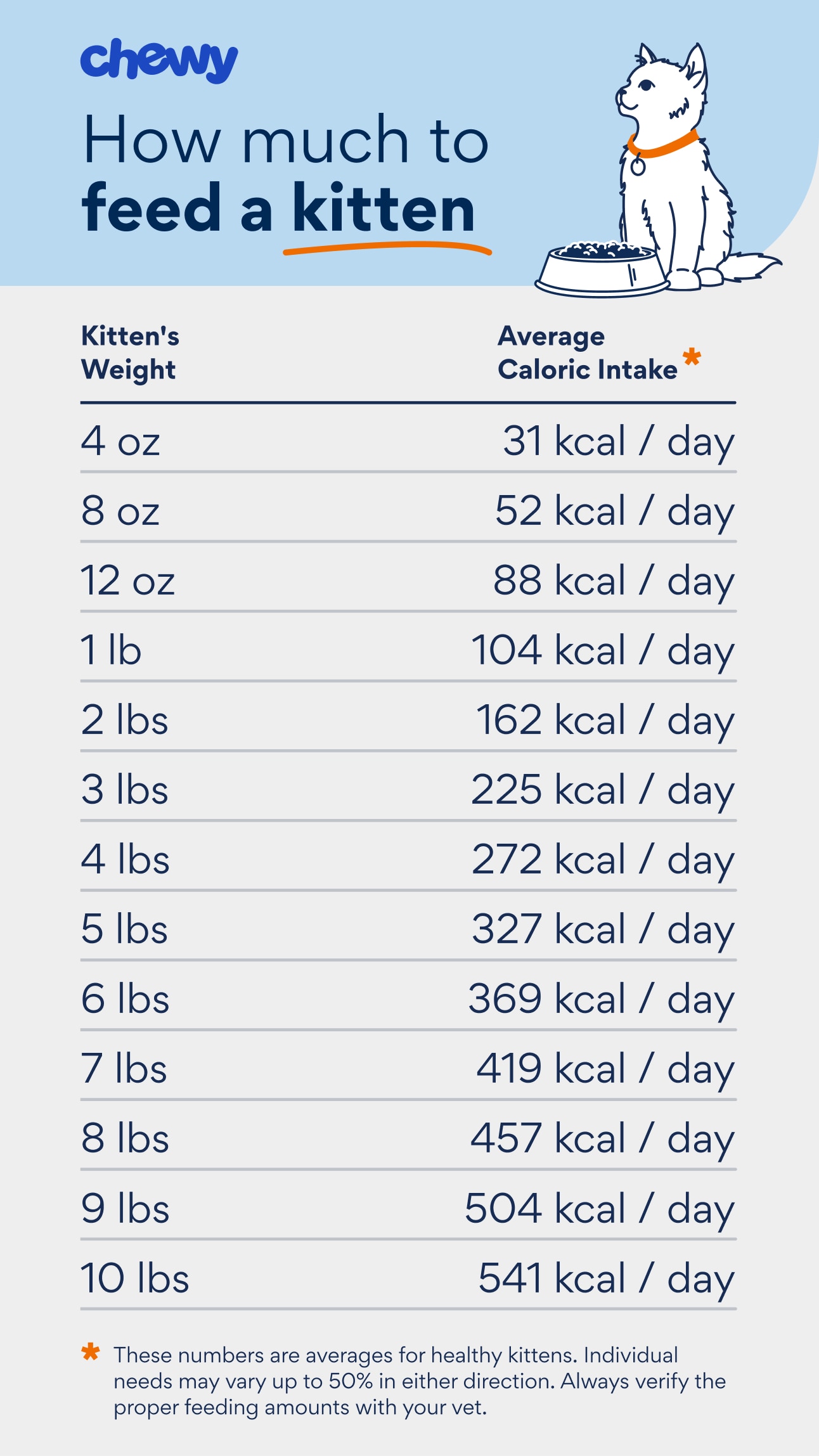
Kittens need more food than adult cats. Their bodies grow rapidly. They require extra nutrients and energy. Adult cats, on the other hand, may need less. Senior cats may need even less due to slower metabolism. Always adjust food quantity based on life stage.
Activity Level
Active cats burn more calories. They may need more food to stay energized. Indoor cats, who are less active, might need less food. Observing your cat’s behavior helps determine their activity level. Adjust food portions accordingly to maintain a healthy weight.
Health Conditions
Health issues can affect a cat’s food needs. Conditions like diabetes or kidney disease may require special diets. Some cats might need more food if they have hyperthyroidism. Consult a vet for cats with health conditions. They can provide specific dietary guidelines.
Breed Size And Metabolism
Breed size affects how much food a cat needs. Larger breeds often require more food. They have higher energy needs. Metabolism also plays a role. Cats with fast metabolism may need extra calories. Smaller breeds with slower metabolism need less food. Be mindful of your cat’s breed and metabolism.
Understanding Cat Food Labels
Understanding cat food labels helps ensure your cat gets the right nutrition. Many pet owners struggle to figure out how much food to give. Labels can be confusing with complex terms and numbers. But with a bit of knowledge, you can make informed choices for your pet.
Reading Serving Recommendations
Serving recommendations are usually on the back of the cat food package. These guidelines suggest how many ounces to feed based on your cat’s weight. Always remember, these are just guidelines. Each cat’s needs can vary.
Check the serving size and adjust for activity levels. An active cat may need more food. A less active cat may require less. Monitoring your cat’s weight is also crucial.
Identifying Nutritional Needs
Cats have specific nutritional needs. Protein should be the main ingredient. Check for quality protein sources like chicken or fish. Avoid foods with fillers like corn or soy.
Vitamins and minerals are also important. Look for added taurine, which is essential for cats. Omega-3 and omega-6 fatty acids support healthy skin and coat. Reading the label helps ensure your cat gets a balanced diet.
Types Of Cat Food
Feeding cats involves choosing between dry, wet, and raw food. Each type varies in nutritional content. Typically, cats eat about 3-5 oz of wet food daily, divided into meals. Monitoring your cat’s weight and activity helps determine exact portions.
Choosing the right type of cat food for your feline friend is crucial for their health and happiness. With so many options available, it’s easy to feel overwhelmed. Understanding the different types of cat food can help you make informed decisions. Let’s break it down into two main categories: wet vs. dry food and commercial vs. homemade options.Wet Vs. Dry Food
Wet and dry cat foods serve different purposes and have distinct benefits. Wet food, often found in cans or pouches, is great for hydration. Cats naturally get most of their water from their food, so wet food can help prevent dehydration. Dry food, or kibble, is convenient and helps keep your cat’s teeth clean. It’s less messy and can be left out for longer periods. However, it contains less moisture, so ensure your cat drinks plenty of water if they primarily eat dry food. Think about your daily routine and your cat’s needs. Do you have time for the frequent feeding required with wet food? Or does a busy schedule make the convenience of dry food more appealing?Commercial Vs. Homemade Options
Commercial cat food is balanced and convenient. It’s designed to meet your cat’s nutritional needs with minimal effort on your part. Brands often offer specialized formulas for different life stages and dietary needs. Homemade cat food allows you to control the ingredients and tailor meals to your cat’s preferences. However, it requires careful planning to ensure nutritional balance. Cooking for your cat can be rewarding, but it demands time and research. Consider your lifestyle and cooking skills. Are you willing to invest the time in preparing homemade meals? Or would a reliable commercial brand better suit your needs? Choosing the right type of food can significantly impact your cat’s health. Your choice depends on your cat’s preferences and your lifestyle. What’s most important is providing a balanced diet that keeps your feline friend happy and healthy.Daily Feeding Guidelines
Understanding daily feeding guidelines for your cat is essential to ensure they receive the right nutrition and maintain a healthy weight. Cats, much like humans, have unique dietary needs based on their age, weight, and activity level. It’s crucial to determine how much food your feline friend should consume daily, measured in ounces, to keep them happy and healthy.
Calculating Food Portions
Have you ever wondered how much food your cat really needs? To calculate food portions, start by considering your cat’s weight. A general rule is to feed approximately 1 ounce of canned cat food per pound of body weight. However, dry food may have different requirements due to its caloric density.
Check the packaging for specific feeding recommendations. Many brands offer feeding charts based on weight and age, making it easier to determine the right portion size. Keep in mind that active cats may need more calories, while less active ones may require less.
Use a kitchen scale to measure food accurately. This ensures you’re not overfeeding or underfeeding your cat, which can lead to health issues. It might seem tedious at first, but precision can make a big difference in your cat’s well-being.
Adapting To Dietary Changes
Has your cat’s appetite changed recently? It’s important to adapt their diet accordingly. If your cat has gained weight, consider reducing their daily food intake slightly. Conversely, if they seem more active, they might need additional ounces to fuel their energy.
Consulting with a vet can provide insights tailored to your cat’s specific needs. They can help you adjust food portions during different life stages or health conditions. Regular check-ups and weigh-ins are excellent ways to keep track of your cat’s dietary needs.
Experiment with different feeding schedules. Some cats thrive on multiple small meals throughout the day, while others prefer fewer, larger servings. Observing your cat’s eating habits can guide you in finding the best routine that works for them.
What changes have you noticed in your cat’s eating habits? Share your experiences in the comments below and let’s learn from each other!
Common Feeding Mistakes
Feeding your cat the right amount of food is essential for its health. Many cat owners make common feeding mistakes that can lead to health issues. Understanding these mistakes can help you make better choices for your furry friend.
Overfeeding Risks
Overfeeding your cat can lead to obesity, a common health issue. Obese cats may develop diabetes, heart disease, or joint problems. They can also become less active, affecting their overall well-being. It’s important to monitor your cat’s weight regularly. Adjust food portions based on your cat’s activity level and age.
Underfeeding Consequences
Underfeeding can be just as harmful as overfeeding. Cats need enough nutrients to stay healthy and active. Insufficient food can lead to malnutrition, weakening their immune system. Your cat may become lethargic or lose weight rapidly. Ensure your cat’s diet includes essential vitamins and minerals.
Credit: www.foodfurlife.com
Monitoring Your Cat’s Weight
Ensure your cat stays healthy by monitoring their weight. Feed them about 3 to 4 ounces of cat food daily. Adjust portions based on age, activity, and health needs.
Understanding how much to feed your cat is crucial. Cats can be experts at hiding weight changes. Regular monitoring helps maintain their health. You can ensure they stay at a healthy weight.Signs Of Healthy Weight
A cat at a healthy weight is active and playful. Their ribs should be felt but not seen. You should notice a slight waist when viewed from above. Their belly shouldn’t sag too much.Adjusting Food Intake
If your cat gains weight, consider feeding them less. Check the food packaging for guidelines. If they lose weight, increase their food slightly. Always keep fresh water available. Regular vet visits help monitor their weight. `Consulting With Veterinarians
When determining how many ounces of cat food your furry companion should consume daily, consulting with veterinarians can provide valuable insight. A professional can offer personalized advice, considering your cat’s specific needs, age, weight, and health status. Not only can they help tailor a diet plan, but they can also ensure your cat is on track for a healthy life.
Professional Dietary Advice
Veterinarians are your go-to experts for tailored dietary advice. They can evaluate your cat’s unique needs and recommend the right type and amount of food. Think of it as having a personal nutritionist for your pet.
Discuss any changes in behavior or health with them. They can adjust dietary recommendations based on your cat’s lifestyle and medical history. This ensures that your pet’s nutritional intake is balanced and appropriate.
Have you ever wondered if your cat’s food contains all the necessary nutrients? With professional advice, you can rest assured that every meal supports your pet’s health.
Regular Health Check-ups
Regular vet visits are essential for more than just vaccinations. They provide an opportunity to assess your cat’s weight and overall health. Tracking these factors can help you make informed adjustments to their diet.
Health check-ups can detect early signs of dietary imbalances. This allows for timely intervention and adjustments in their food portions. Have you scheduled your cat’s next appointment?
Routine visits keep you informed about potential health risks. They can highlight any nutritional deficiencies or excesses, ensuring your cat remains in peak condition.
By seeking regular veterinary guidance, you empower yourself with knowledge. This ensures your cat receives the best care and nutrition every day.
What insights have you gained from consulting with your vet? Share your experiences in the comments below!
Credit: www.chewy.com
Frequently Asked Questions
Is 1 Cup Of Food A Day Enough For A Cat?
A cat’s food needs vary based on age, weight, and activity level. 1 cup may be sufficient for some, but consult a vet for personalized advice. Proper nutrition ensures health and longevity. Always choose high-quality cat food for balanced nutrients.
Is 2 Ounces Of Wet Food Enough For A Cat?
Two ounces of wet food may not be enough for most cats. Adult cats typically need 3-5 ounces daily. Always consult your vet for tailored feeding recommendations. Adjust portions based on your cat’s age, weight, and activity level. Keep your cat healthy with balanced nutrition.
How Much Cat Food Should I Feed Daily?
The amount of cat food depends on your cat’s weight and activity. Typically, adult cats need about 3 to 5 ounces of wet food per day. Dry food servings vary, so check the package for guidelines. Always consult your vet for personalized advice.
Is Wet Or Dry Food Better For Cats?
Wet food is often recommended because it provides hydration and is easier to digest. Dry food is more convenient and can help with dental health. A balanced diet with both types may be ideal. Consult your vet to determine the best option for your cat.
Conclusion
Feeding your cat the right amount of food is crucial. It ensures their health and happiness. Remember, every cat is unique. Their age, weight, and activity level matter. Monitor your cat’s weight regularly. Adjust food portions based on their needs.
Consult your vet for advice. A balanced diet supports their well-being. Always provide fresh water alongside their meals. Keep an eye on their eating habits. Changes can signal health issues. Your cat deserves the best care. A little attention goes a long way.
Keep them healthy and thriving.