
Are you wondering when your adorable little furball should transition to eating cat food? It’s a common question for new kitten parents.
You want to make sure your kitten is growing strong and healthy, but figuring out the right time to switch their diet can be confusing. You’re not alone in this; many pet owners face the same dilemma. By understanding when to make this transition, you can ensure your kitten receives the right nutrients at the right time.
This not only supports their growth but also sets the foundation for a long, healthy life. Keep reading to discover the ideal timing and tips for introducing cat food to your kitten. Your kitten’s health and happiness depend on it!
Credit: www.chewy.com
Kitten Growth Stages
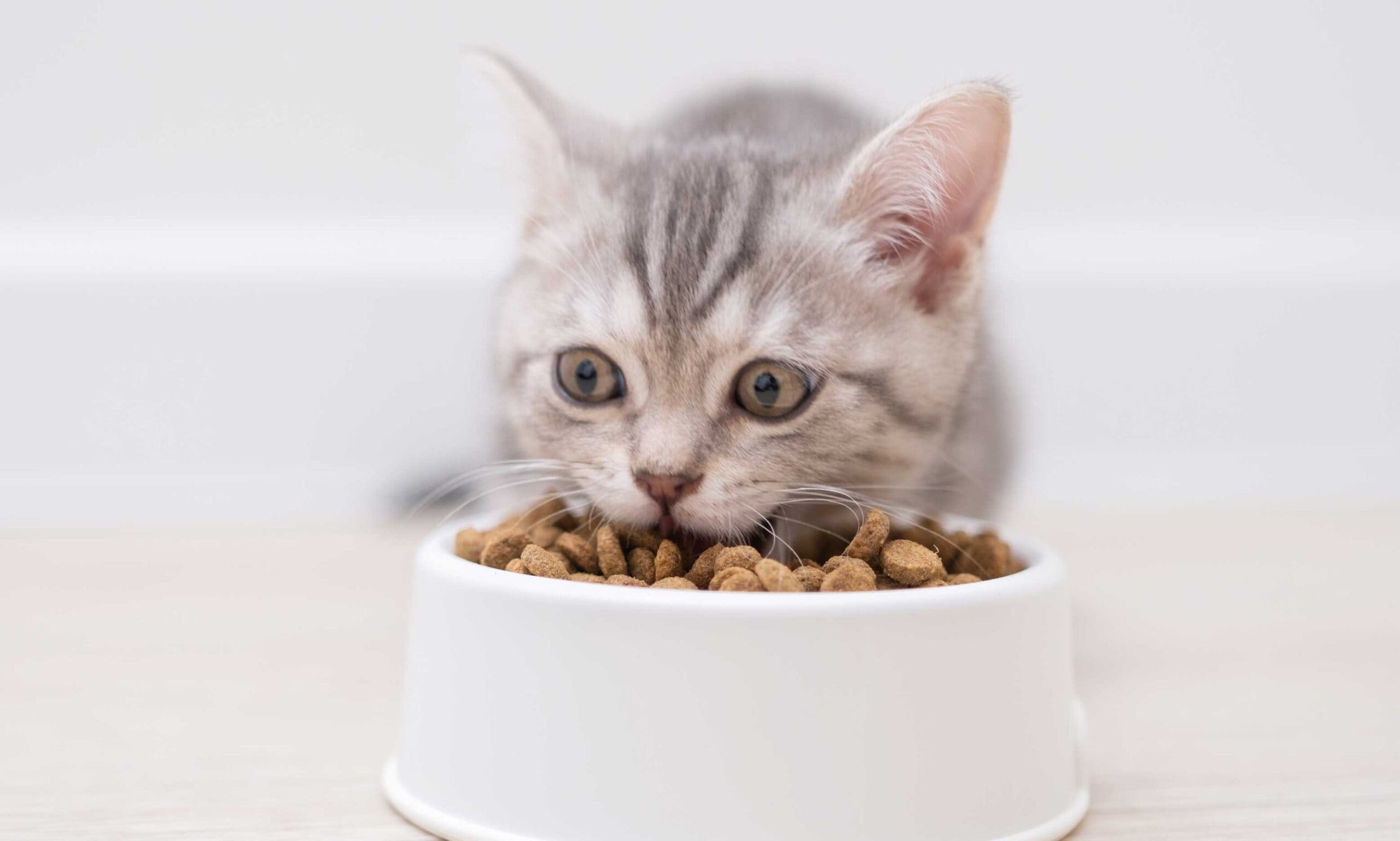
Kittens transition to cat food around four weeks old. Their teeth start developing, making them ready for solid food. Gradually introduce wet or moistened dry cat food. Ensure they have easy access to water. Watch their eating habits to ensure a smooth transition from mother’s milk.
Welcoming a new kitten into your home is an exciting journey filled with curiosity and learning. Understanding the different growth stages of a kitten is crucial to ensuring their healthy development. Each stage of growth comes with specific needs, especially when it comes to their diet. But when exactly should a kitten start eating cat food? Let’s explore the key stages of kitten growth to find out.Newborn To Weaning
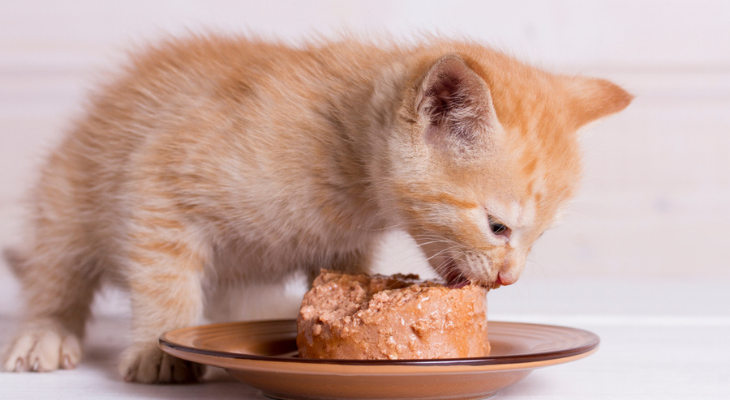
In the first few weeks, kittens rely entirely on their mother’s milk or a special kitten formula. This stage is vital for building their immune system and providing essential nutrients. Did you know that during this time, kittens are blind and deaf? They depend on their mother for everything. Around four weeks, kittens begin to show interest in solid food. This is the weaning stage, where you can introduce wet kitten food mixed with a little water. Have you tried offering a shallow dish? It makes it easier for tiny mouths to lap up the food.Transition Phase
From six to eight weeks, kittens start transitioning from milk to solid food. During this period, they gradually move from wet to dry kitten food. Have you noticed your kitten chewing on everything in sight? It’s a sign their teeth are developing, and they’re ready for more texture in their meals. It’s important to keep meals small and frequent. At this stage, kittens have lots of energy but small stomachs. You might wonder, how often should they eat? Aim for four small meals a day to keep them satisfied and growing strong.Adolescent Development
Kittens enter their adolescent phase around four months. This is when their growth rate peaks, and they need more calories and nutrients. Have you ever seen a kitten suddenly zoom across the room? That burst of energy is fueled by their diet. During this time, you can gradually introduce adult cat food. Monitor their weight and energy levels to ensure they’re on the right track. Do you notice any changes in their coat or behavior? It could be time to adjust their diet to maintain optimal health. Understanding these growth stages helps you make informed decisions about your kitten’s diet. Are you ready to support your kitten through each exciting phase of their life? Making the right dietary choices will ensure they grow into a healthy, happy adult cat.Nutritional Needs Of Kittens
Transitioning kittens to cat food is crucial at eight weeks. Their tiny bodies need protein for growth. Specialized kitten food supports their development, ensuring they receive essential nutrients. Early introduction to proper nutrition aids in healthy bone and muscle formation.
Understanding the nutritional needs of kittens is crucial to their development and well-being. Just like a growing child, a kitten requires a balanced diet packed with essential nutrients to support its rapid growth and high energy levels. Feeding your kitten appropriately during this formative stage can set the foundation for a healthy and vibrant life.Essential Nutrients
Kittens need a diet rich in proteins, fats, and certain vitamins and minerals. Proteins are the building blocks for growth, helping to develop strong muscles and tissues. Fats provide energy and aid in the absorption of fat-soluble vitamins. Vitamins like A, D, and E, along with minerals such as calcium and phosphorus, are vital for bone development and immune function. When selecting cat food, ensure it is specially formulated for kittens, as it will contain these necessary nutrients.Calories And Growth
Kittens have boundless energy and require more calories than adult cats. They can burn through calories quickly as they play, explore, and grow. But how many calories does your kitten really need? Typically, a kitten needs about twice the calories of an adult cat on a per-pound basis. Adjust their food intake as they grow to avoid overfeeding, which can lead to obesity.Hydration Importance
Hydration plays a crucial role in a kitten’s diet. Water supports digestion and helps regulate body temperature. But are you sure your kitten is drinking enough water? While wet cat food can contribute to their water intake, always provide fresh, clean water. Encourage hydration by placing multiple water bowls around your home or trying a pet water fountain, which some kittens find irresistible. As you care for your kitten, remember that their dietary needs are not just about filling their bowl. It’s about providing the right nutrients, calories, and hydration to support their growth into healthy adult cats. How will you ensure your kitten gets the best start in life?Types Of Cat Food For Kittens
Kittens should start eating cat food around four weeks old. Begin with soft, wet kitten food for easy digestion. Gradually introduce dry food as they grow, ensuring proper nutrition for healthy development.
When it comes to feeding your kitten, understanding the types of cat food available is crucial. Your kitten’s nutritional needs differ from those of an adult cat. Selecting the right food can impact their growth, health, and energy levels.Wet Vs. Dry Food
Wet and dry cat foods each have their benefits. Wet food often contains more moisture, which helps keep your kitten hydrated. This can be particularly beneficial if your kitten isn’t drinking enough water. Dry food, on the other hand, is convenient and helps in maintaining dental health by reducing tartar buildup. However, make sure your kitten has constant access to fresh water. If you’re like me, you might find combining both types gives the best of both worlds. It provides variety and balances the benefits of each.Specialized Kitten Formulas
Kitten formulas are specifically designed to support growth and development. These formulas contain higher levels of protein and fats, essential for energy and building strong muscles. You might notice that kitten formulas also have added nutrients like DHA, crucial for brain and vision development. Check the packaging for age recommendations. A friend once bought adult cat food by mistake, which lacked the necessary nutrients for her growing kitten. Reading labels carefully can prevent such mix-ups.Homemade Diets
Some pet owners prefer homemade diets, believing they offer more control over ingredients. If you choose this route, ensure the diet is balanced and meets all nutritional needs. Consulting with a veterinarian or a pet nutritionist is wise to avoid deficiencies. Consider if you have the time and resources to prepare balanced meals daily. A neighbor shared how she initially loved making meals for her kitten but found it challenging to maintain consistency. Could you commit to this?Choosing the right type of food for your kitten is a journey of understanding and observation. Your kitten’s preferences and health needs can guide you toward the best option. What have you found works best for your furry friend?
When To Introduce Cat Food
Kittens begin eating cat food around four weeks of age. Their diet should gradually shift from mother’s milk. Offer wet or dry kitten food, ensuring it’s nutrient-rich.
Introducing cat food to your kitten is a crucial step in their growth. Transitioning from mother’s milk or formula to solid food is an exciting milestone. But when is the right time to make this switch? Understanding the signs and process can ensure a healthy start for your furry friend.Signs Of Readiness
Look for specific behaviors indicating your kitten is ready for cat food. Are they showing interest in your food or nibbling at the bowl? These actions suggest their growing curiosity and readiness for solid meals. Another sign is their teeth development. Once they start teething, their ability to chew improves. This natural progression means they can handle more solid textures. Observe their weight gain and activity levels. A kitten that’s playful and gaining weight steadily is likely ready for more substantial nourishment.Gradual Introduction
Begin with small portions to ease the transition. Mixing wet kitten food with a little water creates a soft texture that mimics their previous diet. This approach helps them adapt without overwhelming their digestive system. Introduce new foods alongside their familiar milk or formula. This gradual shift allows their bodies to adjust smoothly. Monitor their reactions and adjust accordingly. Use feeding times as bonding moments. Watch their excitement grow as they explore new flavors. These shared experiences build trust and familiarity.Avoiding Digestive Issues
Prevent digestive issues by being cautious with portions. Sudden changes can lead to upset stomachs. Start small and increase gradually as they show tolerance. Avoid foods that are too rich or heavily seasoned. Kittens have sensitive stomachs. Stick to specially formulated kitten food to ensure balanced nutrition. Observe your kitten for any signs of discomfort or irregular bowel movements. Prompt attention to these signs can prevent long-term issues. Are you noticing any changes in their stool or behavior after feeding? Keeping an eye out for these signs ensures they’re adjusting well.Feeding Schedule And Portions
Understanding the feeding schedule and portions for kittens is essential. It ensures their healthy growth and development. Knowing how often and how much to feed them can be tricky. It’s important for their health and happiness. Let’s break it down for you.
Frequency Of Meals
Kittens need frequent meals throughout the day. They have small stomachs. Feeding them multiple times a day is crucial. Typically, kittens under six months need three to four meals daily. This schedule helps them get enough nutrients. It also prevents overeating in one sitting.
Portion Sizes
Portion sizes depend on a kitten’s age and weight. Small portions are best. It avoids overfeeding. Start with a tablespoon of wet food per meal. Gradually increase as they grow. Always follow the feeding guidelines on the cat food label. Adjust portions as needed. Watch your kitten’s weight and activity level.
Adjusting As They Grow
Kittens grow quickly. Their dietary needs change over time. As they age, reduce the frequency of meals. Around six months, transition to two meals daily. Increase portion size to match their growth. Monitor their weight and adjust as necessary. Consult a vet if unsure about their diet.
Common Feeding Mistakes
Kittens should transition to cat food around 8-10 weeks old. Introducing cat food too early can upset their stomachs. Ensure gradual transition from mother’s milk to prevent digestive issues.
Feeding a kitten might seem straightforward, but it’s easy to make mistakes that can impact their growth and health. Understanding these common feeding mistakes can save you and your kitten from unnecessary stress and health issues. Knowing what to watch for and how to adjust your feeding routine ensures your furry friend develops into a healthy adult cat.Overfeeding Risks
Kittens are tiny and adorable, but their appetites can be surprisingly large. It’s tempting to indulge their constant cries for food, thinking they need more to grow. Overfeeding, however, can lead to obesity, which is hard to correct once established. A chubby kitten might look cute, but it can struggle with health issues like diabetes and joint problems later on. Always stick to the recommended portion sizes on your kitten food packaging or consult with a vet for guidance.Inappropriate Food Choices
Choosing the wrong type of food is another common mistake. Not all cat foods are suitable for kittens. Adult cat food doesn’t meet the higher nutritional needs of growing kittens. They require specific nutrients like DHA for brain development, which are more abundant in kitten formulas. By feeding them adult food too early, you may be depriving them of essential nutrients for healthy growth. Always check the labels and ensure you’re buying food specifically formulated for kittens.Monitoring For Allergies
Just like humans, kittens can have food allergies or intolerances. It’s crucial to monitor your kitten for any signs of adverse reactions when introducing new foods. Symptoms can include vomiting, diarrhea, or skin irritations. If you notice any of these, it might be time to reconsider their diet. Have you ever had a meal that didn’t sit right with you? Imagine your kitten feeling that discomfort regularly. Keeping a close eye on their reactions can help you identify and eliminate foods that cause issues, ensuring they stay comfortable and healthy. By avoiding these common feeding mistakes, you can provide your kitten with a balanced diet that supports their growth and development. What changes will you make to your kitten’s feeding routine today?Consulting A Veterinarian
Introducing kittens to cat food can be a confusing experience. With so many options and opinions, it’s easy to feel overwhelmed. One of the best ways to ensure you’re on the right track is by consulting a veterinarian. They can provide guidance tailored to your kitten’s specific needs, helping you make informed decisions. Let’s delve into why professional advice is crucial and how it can shape your kitten’s diet journey.
Professional Guidance
Veterinarians are the go-to experts for your kitten’s health. They have the knowledge to suggest the right time and type of cat food. Based on your kitten’s age, breed, and health, they can recommend a feeding schedule that ensures optimal growth.
Consider the vet as your partner in raising a healthy cat. Have you ever wondered if your kitten is getting all the nutrients it needs? A vet can answer that, offering peace of mind and practical advice.
Dietary Adjustments
Kittens grow rapidly and their dietary needs change. A vet can help you adjust their diet as they transition from milk to solid food. They will guide you on portion sizes and food types, ensuring that your kitten’s diet supports healthy development.
Adapting to a new diet can sometimes cause digestive issues in kittens. Vets can suggest gradual changes to make the transition smoother. What if your kitten is picky? A vet can also help you explore different food options that cater to your kitten’s taste.
Health Monitoring
Regular vet visits are essential for monitoring your kitten’s health. They can identify any nutritional deficiencies early on and advise on necessary supplements. This proactive approach helps in preventing health issues before they arise.
Have you noticed any unusual behavior or changes in your kitten’s appetite? Share these observations with your vet. They can assess whether these changes are normal or need attention, ensuring your kitten stays on the path to good health.
Consulting a vet not only supports your kitten’s dietary needs but also fosters a healthier, happier life. Are you ready to take the next step in your kitten’s dietary journey? A vet’s expertise might just be the key to unlocking your kitten’s full potential.
:max_bytes(150000):strip_icc()/kitten-6-weeks-145561913-2000-d72330d398054c918a52cee93ad6bdc9.jpg)
Credit: www.dailypaws.com
Credit: www.brownvet.com
Frequently Asked Questions
When Should I Switch From Kitten To Cat Food?
Switch to cat food at around 12 months of age. Ensure gradual transition over a week. Consult your vet for specific dietary needs. Adult cats require different nutrients than kittens. Proper nutrition supports their growth and health.
How To Know If A Kitten Is Ready For Cat Food?
Kittens are ready for cat food at around 8 weeks old. They should show interest in solid food and have baby teeth. Ensure they can chew small kibble or wet food easily. Transition gradually to avoid digestive issues. Always provide fresh water alongside their meals.
What Age Can Kittens Start To Eat Cat Food?
Kittens can start eating wet or dry cat food around 4 weeks old. Gradually introduce solid food as they wean. Ensure the food is specifically formulated for kittens to support their growth and development. Always provide fresh water and monitor their eating habits for any issues.
What Age Can Kittens Eat Cat Food?
Kittens can start eating cat food around 8 weeks old. At this age, they can digest solid foods effectively. Transition gradually from mother’s milk or kitten formula to cat food. Ensure the food is formulated for kittens to meet their nutritional needs.
Always consult a vet for tailored guidance.
Conclusion
Feeding kittens properly is crucial for their growth and health. Start with kitten milk replacement if needed. Gradually introduce wet kitten food. This transition supports their developing teeth and digestion. By eight weeks, kittens can eat solid food. Ensure it is nutrient-rich and age-appropriate.
Monitor their eating habits and adjust as they grow. Always consult a vet for specific advice. This ensures your kitten gets the best start in life. Proper nutrition leads to happy, healthy cats. Enjoy the journey of watching your kitten grow strong and playful.