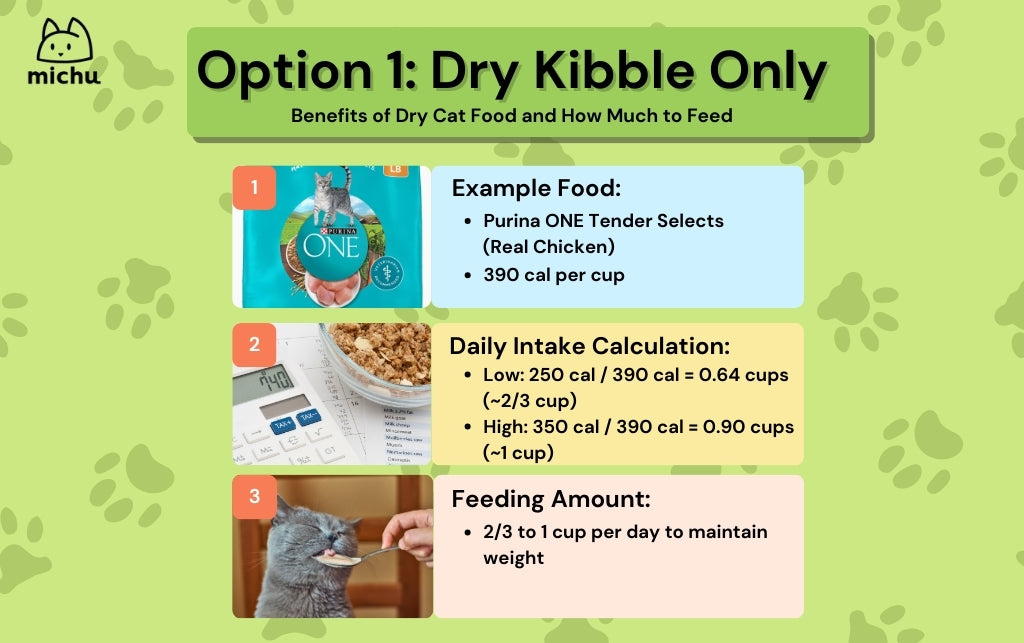
Are you wondering how much food to give your furry friend each day? You’re not alone.
Figuring out the right amount of cat food can feel like a puzzle. You want your cat to be healthy, happy, and full of energy, but you also worry about overfeeding. It’s not just about filling a bowl; it’s about ensuring your cat gets the right nutrition without the risk of obesity or other health issues.
We’ll explore exactly how many cups of cat food you should be serving. We’ll dive into the factors that influence your cat’s dietary needs, such as age, weight, activity level, and health. By the end, you’ll have a clear understanding of how to tailor your cat’s meals for optimal health and happiness. Keep reading to discover how you can make meal times a moment of care and love for your beloved pet.

Credit: www.instagram.com
Determining The Right Portion Size
Feeding your cat the right amount is crucial for its health. Too much food can lead to obesity. Too little can cause malnutrition. Finding the perfect balance is key. This involves understanding various factors. Each cat is unique. Their needs may differ.
Factors Affecting Portion Size
Several factors influence how much food your cat needs daily. Breed plays a significant role. Larger breeds might require more food. Smaller breeds might need less. The type of food also matters. Wet food often has fewer calories than dry. Check the packaging for feeding guidelines. Health conditions can also affect portion size. Cats with thyroid issues may need more or less. Always consult your vet for advice.
Age And Life Stage Considerations
A cat’s age significantly impacts its dietary needs. Kittens need more calories for growth. They are active and burn more energy. Adult cats have different needs. Their activity levels might decrease. Senior cats require fewer calories. Their metabolism slows down with age. Adjust their food intake accordingly. Life stage plays an essential role in portion size. Pregnant or nursing cats need extra nutrition. Special diets may be necessary.
Activity Level And Lifestyle
Activity level is a crucial factor in determining food portions. Active cats burn more calories. They might need larger portions. Indoor cats may lead a more sedentary lifestyle. They might require fewer calories. Outdoor cats are often more active. They tend to need more food. Consider your cat’s daily routine. Adjust portions to maintain a healthy weight. Balance is essential for a happy, healthy cat.
Understanding Nutritional Requirements
Determining the right amount of cat food is crucial for a pet’s health. Cats generally require 1/2 to 3/4 cup of dry food daily. Age, weight, and activity level influence this amount. Consult a vet for personalized advice.
Understanding your cat’s nutritional requirements is crucial for their health and happiness. You might wonder how many cups of cat food your feline friend needs each day. The answer depends on various factors, including their age, weight, and activity level. Let’s dive into the essential nutrients your cat needs and how to balance wet and dry food effectively.Essential Nutrients For Cats
Cats require a diet rich in proteins, fats, and carbohydrates. Proteins are vital for muscle growth and repair. Fats provide energy and help in the absorption of vitamins. Carbohydrates, although less critical, can still be a good energy source. Taurine, an amino acid, is crucial in a cat’s diet. Lack of taurine can lead to serious health issues. Ensure your cat food contains enough of this essential nutrient. Vitamins and minerals are equally important. They support immune function and overall health. Be sure to check the label on your cat food to see if it meets these nutritional needs.Balancing Wet And Dry Food
Wet and dry foods both have their benefits. Wet food provides hydration, which is essential if your cat doesn’t drink much water. It can also be more palatable for picky eaters. Dry food is convenient and helps keep teeth healthy. It can be left out for longer periods without spoiling. Mixing wet and dry food can provide a balanced diet that covers all nutritional bases. Consider your cat’s preferences and health needs. Some cats may thrive on a mix of both, while others might do better on one type. Have you noticed a change in your cat’s behavior or health based on their diet? Feeding your cat the right amount of food requires observation and adjustment. Use these insights to ensure your feline friend enjoys a nutritious, balanced diet every day.Guidelines For Feeding Kittens
Determining the right amount of cat food for kittens involves careful consideration. Typically, kittens need about half to one cup of food daily, depending on age and weight. Adjust portions based on activity levels and growth to ensure healthy development.
Feeding kittens is a delightful yet crucial responsibility. Ensuring they get the right nutrition sets the foundation for their health and growth. But how much should you feed them, and how often? Let’s delve into some essential guidelines to help your little feline friends thrive.Frequency Of Meals
Kittens, with their boundless energy and rapid growth, need frequent meals. Typically, a kitten should eat about four times a day. This regular feeding schedule supports their metabolism and keeps their energy levels stable. Imagine a day when you skipped breakfast and lunch—how would you feel by dinner? Similarly, kittens rely on consistent meals to avoid energy crashes. As they grow, you can gradually reduce the frequency, but the early months are critical for frequent feeding.Transitioning To Adult Food
Transitioning your kitten to adult food is a milestone. It usually happens when they’re around 12 months old. It’s essential to do this gradually to prevent any digestive issues. Start by mixing a small amount of adult cat food with their kitten food. Increase the adult food portion over a week or two. This gentle transition helps them adjust without stress or upset stomachs. Did you know that the nutritional needs of a kitten differ from an adult cat? Kitten food is higher in calories and nutrients to support their growth. So, ensuring a smooth transition is crucial for their development. Have you ever wondered if you’re feeding your kitten right? Observing their energy levels and growth can provide clues. Your vet can also offer tailored advice to suit your kitten’s needs. Feeding kittens is more than just filling a bowl—it’s about nurturing them for a healthy life. With these guidelines, you’re well on your way to raising a happy, healthy cat.Adult Cat Feeding Recommendations
Feeding your adult cat the right amount of food daily can significantly impact their health and happiness. Balancing nutrition with portion size is crucial to prevent obesity and ensure your furry friend’s well-being. Understanding adult cat feeding recommendations can help you tailor a diet plan that keeps your cat fit and energetic.
Daily Feeding Schedule
Setting a consistent daily feeding schedule is key. Cats thrive on routine, so feeding them at the same times each day helps regulate their metabolism. Consider dividing their daily food intake into two or three meals. This approach mimics their natural hunting patterns and keeps them satisfied throughout the day.
Observing your cat’s behavior can also guide your schedule. Does your cat seem hungriest in the morning or evening? Adjust meal times to match their natural rhythm. This not only enhances their eating experience but also strengthens your bond.
Adjusting Portions For Weight Management
Portion control is essential for maintaining your cat’s ideal weight. Start with the recommended serving size on your cat food packaging, but be prepared to adjust. If your cat is gaining weight, consider reducing the portion size slightly. Conversely, if they’re losing weight, add a bit more food to their daily intake.
Keep an eye on your cat’s body condition. Can you easily feel their ribs but not see them? This indicates a healthy weight. Periodically weigh your cat or consult with your veterinarian to ensure you’re on the right track.
Personal experience has taught me that each cat is unique. My cat, Luna, tends to be less active, so I adjust her portions accordingly. What about your cat? Are they more of a couch potato or a playful athlete? Tailor their diet to match their lifestyle.
Feeding your cat isn’t just about filling their bowl. It’s about creating a balanced routine that supports their health. Have you ever noticed how a slight change in their diet can affect their energy levels or mood? Paying attention to these details can make all the difference. What small adjustments can you make today to improve your cat’s feeding routine?
Senior Cat Dietary Needs
Understanding the dietary needs of senior cats is crucial. As cats age, their nutritional requirements change significantly. Senior cats often face health challenges that require specific dietary adjustments. Feeding them the right amount of food is essential for their well-being.
Special Nutrient Requirements
Senior cats need special nutrients to stay healthy. Their metabolism slows down, requiring fewer calories. Protein plays a vital role in maintaining muscle mass. Older cats may need higher protein levels in their diet. Omega-3 fatty acids support joint health and reduce inflammation. Vitamins like E and C help boost their immune system.
Fiber aids digestion and prevents constipation. Senior cats often benefit from increased fiber intake. Antioxidants are crucial for fighting free radicals. They help in maintaining overall health. Taurine supports heart health and vision. Senior cats might require more taurine to stay active.
Monitoring Health Through Diet
Diet monitoring is key to a senior cat’s health. Regularly assess their weight and body condition. Obesity can lead to health complications. Adjust their food portions based on their activity level. A balanced diet helps maintain their energy levels. Look for signs of digestive issues or allergies. Diet changes can alleviate these problems.
Consult a vet for personalized dietary advice. They can recommend suitable food options. Keep track of any changes in behavior or health. A consistent diet plan contributes to longevity. Small portions throughout the day can improve digestion. Ensure your senior cat receives adequate hydration too.

Credit: digifolio.me
Common Feeding Mistakes
Feeding your cat might seem straightforward. Yet, many cat owners make common feeding mistakes. These mistakes can affect your cat’s health. Understanding these pitfalls helps ensure your cat stays healthy. Let’s explore some frequent errors in feeding habits.
Overfeeding And Obesity Risks
Overfeeding is a common mistake among cat owners. It often leads to obesity. Obesity in cats can cause many health problems. These include diabetes and joint issues. Cats need a balanced diet. Too much food disrupts this balance. Some owners think extra food shows love. But it actually harms their pet. Understanding portion sizes is key. Follow guidelines on cat food packaging. It helps maintain your cat’s weight. Regular vet visits also help monitor your cat’s health.
Underfeeding Concerns
Underfeeding is another issue to watch for. Cats need enough nutrients for energy. Insufficient food can lead to malnutrition. This affects their growth and vitality. Some owners misjudge portion sizes. They might fear overfeeding and give too little. Use measuring tools for accuracy. Ensure your cat gets a balanced meal daily. Consult your vet for feeding advice. They can provide specific recommendations. Ensuring your cat is neither overfed nor underfed is vital.
Tips For Managing Multiple Cats
Feeding multiple cats can be tricky. Generally, adult cats need about 1/2 to 1 cup of dry food daily. Adjust portions based on size, age, and activity level. Always ensure fresh water is available.
Managing multiple cats at home can be a delightful yet challenging experience, especially when it comes to feeding time. Balancing the dietary needs of each feline while ensuring harmony during meals requires some strategic planning. Here are some tips that can help you streamline the process and keep all your cats healthy and satisfied.Individual Feeding Stations
Creating separate feeding stations for each cat is crucial in a multi-cat household. This setup minimizes competition and allows each cat to eat at its own pace. If space permits, place the feeding stations in different rooms or at varying heights to accommodate each cat’s preferences and ensure they feel secure while eating. Consider using different types of bowls for each cat. Some cats might prefer shallow dishes, while others might like deeper bowls. Observe your cats and adjust their feeding stations accordingly. A small change like this can make a big difference in their comfort and satisfaction during meal times.Monitoring Food Intake
Keeping an eye on each cat’s food intake is essential for maintaining their health. Use measuring cups to portion out their food, ensuring they get just the right amount. This practice helps in preventing overfeeding or underfeeding, which can lead to health issues. You might wonder how to track their eating habits without being intrusive. Try maintaining a simple log of their meal times and the amount of food they consume. This can help you spot any changes in their eating patterns, which could indicate health concerns. Set aside some time to observe your cats as they eat. Are they finishing their meals or leaving leftovers? Changes in their eating behavior can signal stress or illness, prompting you to take timely action. Managing multiple cats doesn’t have to be a daunting task. By establishing individual feeding stations and closely monitoring their food intake, you can ensure a peaceful and healthy dining experience for all your feline friends. What strategies have worked for you in managing meal times for multiple cats? Share your thoughts in the comments!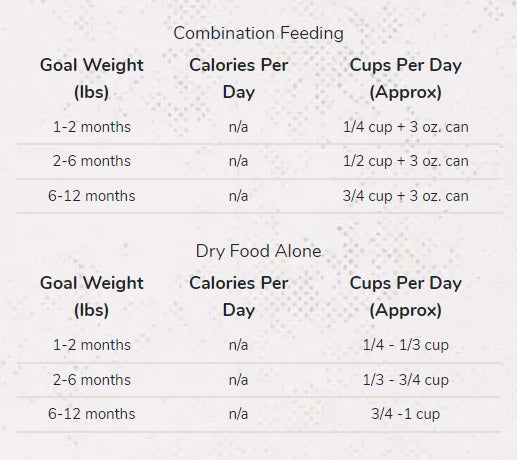
Credit: anaheimfeed.com
Consulting With A Veterinarian
Consulting with a veterinarian is crucial for your cat’s diet. They provide guidance on how many cups of food your cat needs daily. A vet’s advice ensures your cat’s health and well-being. This consultation helps prevent overfeeding or underfeeding. It also considers your cat’s specific needs. Remember, every cat is unique. Their diet should reflect that.
When To Seek Professional Advice
See a veterinarian when you get a new cat. They can assess your cat’s nutritional needs. Also, consult a vet if your cat’s weight changes. Rapid weight gain or loss is a concern. Changes in activity level can also affect feeding needs. A vet visit can help adjust the feeding plan. It’s better to seek advice early. Prevention is key to good health.
Tailored Feeding Plans
Vets can create a tailored feeding plan for your cat. This plan considers age, weight, and health status. Active cats need more energy. Older cats may need fewer calories. Health conditions like diabetes require special diets. A tailored plan ensures balanced nutrition. It supports your cat’s overall health. A customized diet can improve quality of life.
Frequently Asked Questions
Is 1 Cup Of Food A Day Enough For A Cat?
A cat’s daily food intake varies by age, size, and activity level. One cup might be too much or too little. Consult a veterinarian for specific dietary recommendations tailored to your cat’s needs. Providing balanced nutrition ensures your cat’s health and well-being.
How Much Food Should A Cat Eat In 24 Hours?
Cats typically need 24 to 35 calories per pound of body weight daily. An average cat weighing 10 pounds should consume about 240 to 350 calories a day. Ensure the food is balanced and meets their nutritional needs. Always consult a vet for specific dietary recommendations.
How Much Dry Cat Food Per Day In Cups?
Feed your cat 1/3 to 1/2 cup of dry food daily. Adjust based on your cat’s weight and activity level. Always consult your veterinarian for personalized advice.
Is 2 Cans Of Cat Food A Day Too Much?
Two cans of cat food a day might be too much for some cats. Consider your cat’s size, age, and activity level. Consult your veterinarian for personalized feeding advice to ensure your cat’s health and well-being.
Conclusion
Determining the right cat food amount takes care and attention. Each cat is unique. Factors like age, weight, and activity level matter. Always consult your vet for advice. This ensures your cat stays healthy and happy. Monitor their weight and adjust portions as needed.
Remember, a balanced diet is key. Avoid overfeeding to prevent obesity. Keep fresh water available at all times. Regular vet visits help track your cat’s health. Proper nutrition supports their well-being. Happy feeding!