
Are you considering adopting a new feline friend and wondering if a hairless cat might be the perfect addition to your family? With their unique appearance and captivating personality, hairless cats are gaining popularity among pet enthusiasts.
But are they really good pets for you and your home? This question might have you curious or even skeptical, but what if these intriguing creatures offer more than meets the eye? Imagine a pet that not only turns heads but also provides endless companionship.
Hairless cats, often known for their affectionate nature, can surprise you with their warmth—both literally and figuratively. They might look different, but their hearts are just as big as their furry counterparts. As you explore the ins and outs of living with a hairless cat, you might discover hidden benefits that make them an ideal choice for you. Prepare to delve into a world where the absence of fur is the beginning of a remarkable bond. Are you ready to uncover the surprising truth about these extraordinary pets? Keep reading to find out why a hairless cat might just be your next best friend.
:strip_icc()/GettyImages-528925876-b27e1609b74e43eaa56d5a2b8bdc1064.jpg)
Credit: www.thesprucepets.com
Traits Of Hairless Cats
Hairless cats often intrigue pet lovers with their unique features. Their lack of fur sets them apart, but they possess many charming traits. They are known for their affectionate nature and playful demeanor. These cats love human interaction and can be very loyal companions. Their skin feels warm to the touch, which provides comfort during colder seasons. Despite their appearance, hairless cats require special care to keep their skin healthy.
Appearance And Characteristics
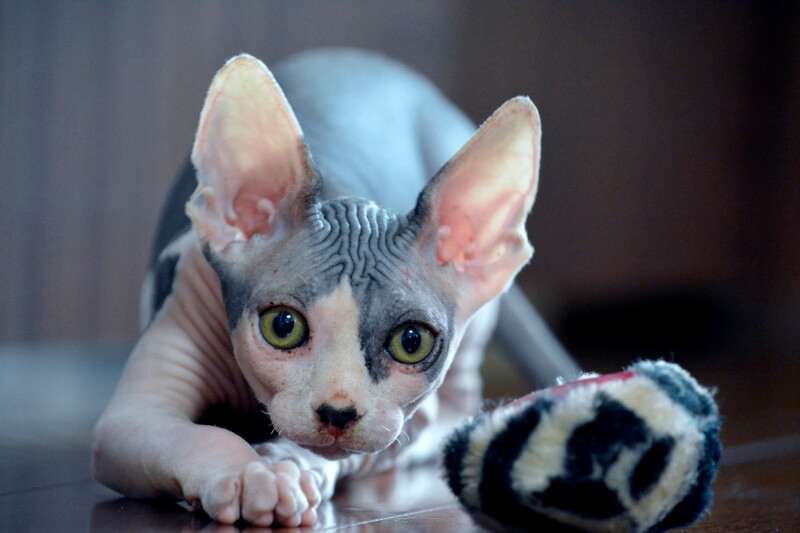
Hairless cats have smooth skin, often with wrinkles around the face and body. Their ears are large and bat-like, adding to their distinctive look. Eye color varies, complementing their unique features. These cats have a muscular build, which makes them agile and active. Their tails are usually long and slender. Their personalities are often as bold as their appearance.
Common Breeds
The Sphynx is the most recognized hairless breed. It is known for its friendly disposition. Another breed is the Donskoy, which originated in Russia. It is often mistaken for the Sphynx due to its similar appearance. The Peterbald is a breed that may have some hair initially but can become hairless over time. Each breed has its unique traits but shares the common characteristic of being without fur.
Care Needs
Hairless cats make unique and affectionate pets. Their care requires regular bathing and moisturizing to protect their sensitive skin. These cats are known for their playful nature and love for human interaction, thriving in warm environments.
Caring for hairless cats requires a bit more attention than their furry counterparts. These unique pets demand specific care routines due to their lack of fur, which directly affects their skin, temperature regulation, and diet. If you’re considering a hairless cat, it’s important to understand their distinct needs to ensure they lead a comfortable and healthy life.Skin Maintenance
Hairless cats have delicate skin that requires regular cleaning. Without fur to absorb oils, their skin can become greasy, leading to potential skin issues. Weekly baths help maintain skin health and prevent dirt build-up. You might find it surprising that these cats can also get sunburned. Applying a vet-approved sunblock can protect their sensitive skin during sunny days. Be observant and adjust their exposure to sunlight accordingly.Temperature Sensitivity
Without the insulation provided by fur, hairless cats are more susceptible to changes in temperature. They might enjoy snuggling under blankets or wearing a soft sweater when it’s cold. Have you ever noticed your hairless cat seeking the warmest spot in the house? It’s crucial to ensure they have access to cozy areas, especially during the winter months. Consider heating pads designed for pets to provide extra warmth.Dietary Considerations
Hairless cats often require more calories than their furry friends. Their bodies work harder to maintain a stable body temperature, which can increase their energy needs. Consult with your vet to determine a diet that meets their specific caloric requirements. High-quality cat food rich in proteins and healthy fats can support their metabolism. Have you ever tried adding omega-3 supplements to your pet’s diet? They can help promote healthy skin and overall well-being. Understanding the care needs of hairless cats can make a significant difference in their quality of life. Are you ready to embrace the unique challenges and rewards of owning one of these fascinating pets? With the right approach, they can be loving and engaging companions.Behavioral Aspects
Behavioral aspects are crucial when considering a pet, especially with unique breeds like hairless cats. These intriguing creatures bring a mix of characteristics that make them stand out. Understanding their behavior can help you decide if they’re the right fit for your home.
Social Nature
Hairless cats are known for their social nature. They enjoy being around people and often follow their owners from room to room. If you enjoy company, these cats can be excellent companions, always ready to snuggle or play.
However, their desire for attention means they might not do well if left alone for long periods. Do you work from home or have a flexible schedule? That could be ideal for a hairless cat who thrives on interaction.
Intelligence And Playfulness
These cats are not just pretty faces; they are smart and playful. They learn quickly and can even be trained to perform simple tricks. Incorporating puzzle toys can keep them entertained and mentally stimulated.
Their playful nature means they require regular playtime. Are you ready to dedicate time to daily play sessions? A hairless cat will reward you with fun and joy.
Compatibility With Other Pets
Hairless cats typically get along well with other pets. Their friendly demeanor can make them great companions for other cats and even dogs. Introducing them to other animals slowly can help ensure a smooth transition.
Do you already have pets at home? Consider how a hairless cat might fit into the existing dynamic. Their adaptable nature often leads to harmonious living arrangements.
Hairless cats bring a distinct set of behavioral traits that could make them a wonderful addition to your family. Are you ready to embrace their unique personality and needs? If so, they might just be the pet you’ve been looking for.
Credit: www.aspcapetinsurance.com
Health Considerations
Hairless cats require special care due to their sensitive skin and unique health needs. Regular bathing is essential to remove skin oils. Ensuring a warm environment helps prevent illness and discomfort.
Are hairless cats good pets? One important aspect to consider is their health. These unique felines require specific attention to stay healthy and happy. While they can make wonderful companions, understanding their health needs is essential for any prospective pet owner.Common Health Issues
Hairless cats, like any breed, have their own set of health challenges. Their lack of fur makes them more prone to skin conditions. Without fur, their skin is exposed to elements, leading to dryness or irritation. Regular moisturizing can help, but it’s crucial to monitor their skin closely. Another concern is their susceptibility to temperature changes. Without fur, hairless cats can easily get too cold or too hot. This means you’ll need to be mindful of your home’s temperature and possibly invest in cozy cat sweaters for winter. Are you prepared to manage these health needs? Your vigilance can make a huge difference in your pet’s quality of life.Regular Vet Visits
Hairless cats benefit greatly from regular vet check-ups. These visits can catch potential health issues before they become serious. Your vet can provide personalized advice tailored to your cat’s unique needs. During these visits, ask about the best diet for your hairless feline. Nutritional needs vary and a vet can recommend food that supports their skin health and overall well-being. Regular vet visits also build a health record that can be invaluable in emergencies. Do you have a vet you trust? Establishing a relationship with a knowledgeable vet is essential for the long-term care of your pet. Taking these steps ensures your hairless cat lives a happy, healthy life. Are you ready to commit to their unique health requirements? Doing so can reward you with a devoted, loving companion.Pros And Cons Of Ownership
Hairless cats are intriguing pets. Their unique appearance sets them apart. Many people wonder about the pros and cons of ownership. Understanding their advantages and challenges can help decide if they’re right for you.
Advantages Of Hairless Cats
Hairless cats have minimal grooming needs. Without fur, shedding is not an issue. This is ideal for those with allergies. They’re often affectionate and enjoy companionship. Their playful nature can entertain you for hours. Their skin is warm, making them pleasant to touch.
They often have a strong bond with their owners. Their sociable nature makes them great companions. They adapt well to indoor living. They don’t need outdoor adventures to stay happy. Their lack of fur means fewer fleas and ticks. This reduces health concerns related to parasites.
Challenges Of Owning
Hairless cats need special skin care. Their skin can become oily without proper cleaning. Regular baths are essential to keep them healthy. They require warmth in colder months. Without fur, they can get cold easily.
Sun exposure can harm their skin. They need protection to avoid sunburn. Their skin is sensitive and prone to scratches. Careful handling is necessary to prevent injuries. They may also need extra attention to stay comfortable. Their unique needs require attentive care and observation.
Credit: www.petmd.com
Choosing The Right Breed
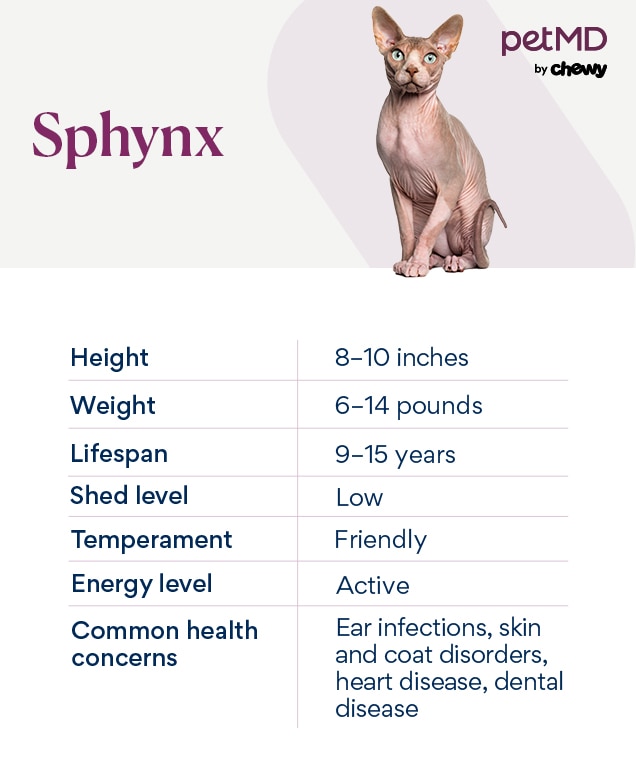
Hairless cats, like the Sphynx, can make good pets for those seeking low-shedding companions. Their affectionate nature and unique appearance attract many cat lovers. Regular grooming is essential to maintain their skin health.
Choosing the right breed of hairless cat is crucial. Each breed has unique traits and needs. Understanding these can help you find the perfect feline friend. Hairless cats are unique and require special care. With the right choice, they can become loving companions.Factors To Consider
Consider your living environment. Some breeds adapt better to apartment life. Others need more space to roam. Think about your lifestyle. Busy individuals might prefer low-maintenance breeds. Also, consider allergy concerns. Hairless cats are not always hypoallergenic. Their skin can produce allergens. Energy levels vary among breeds. Some are playful and active. Others are more laid-back. Matching energy levels ensures a happy home. Also, consider grooming needs. Hairless cats require regular baths. This keeps their skin healthy.Popular Choices
The Sphynx is a well-known hairless breed. They are friendly and social. Sphynx cats love attention and playtime. They often form strong bonds with their owners. The Peterbald is another option. They are elegant and curious. Peterbalds are known for their intelligence. They adapt well to different environments. The Bambino is a unique breed. They have short legs and playful personalities. Bambinos are affectionate and enjoy cuddling. Each breed offers something special. Consider what suits your home and lifestyle. Your perfect hairless cat is out there. Choose wisely for a lifelong companion.Personal Stories And Testimonials
Personal stories and testimonials bring the truth about owning hairless cats to life. Real experiences help potential owners make informed decisions. Hearing from those who live with these unique pets can provide valuable insights. Let’s dive into some heartwarming accounts from hairless cat owners.
Experiences From Owners
Many owners share their joy of adopting hairless cats. Sarah from Texas adopted a Sphynx named Luna. She describes Luna as affectionate and playful. Luna loves to snuggle under blankets. This warmth-seeking behavior is common among hairless breeds. Sarah says Luna’s company brightens her days.
Tom, another owner, talks about his cat, Max. Max enjoys sitting on Tom’s shoulders. This unique behavior sparks conversations with visitors. Hairless cats often bond closely with their humans. Tom feels a sense of companionship every day.
Unique Bonds
Owners often speak of a deep connection with their hairless pets. Jenny shares her story with her Sphynx, Bella. Bella follows her around the house. This constant companionship creates a special bond. Jenny feels Bella understands her moods and offers comfort.
Another owner, Mark, shares about his Devon Rex named Oliver. Oliver greets Mark at the door with enthusiasm. This warm welcome makes Mark feel appreciated. Many hairless cat owners experience this mutual attachment. The bond with these cats is truly unique.
Frequently Asked Questions
Do Hairless Cats Like To Be Held?
Hairless cats often enjoy being held due to their affectionate nature. They seek warmth and human interaction. Each cat’s preference varies, so observe your cat’s behavior. Socialization and trust-building enhance their comfort in being held. Always handle them gently to ensure a positive experience.
What Are The Cons Of Hairless Cats?
Hairless cats require frequent baths due to oily skin. They can be sensitive to cold temperatures. Sunburn risk is higher. These cats may need special care for skin allergies. Regular grooming and skin maintenance are essential to prevent health issues.
Are Hairless Cats Difficult To Take Care Of?
Hairless cats require special care due to their lack of fur. Regular bathing is essential to remove oils. They need warmth, as they can get cold easily. Sun protection is important to prevent skin damage. Despite these needs, they are affectionate pets and manageable with proper care.
Do Sphynx Cats Smell?
Sphynx cats can have a mild odor due to their skin oils. Regular bathing helps manage this smell. These cats lack fur, so oils can build up on their skin. Proper grooming and hygiene are essential to keep them smelling fresh.
Conclusion
Hairless cats can be delightful companions. Their unique looks charm many. They often have friendly and affectionate personalities. These cats enjoy warmth and attention. Regular care is essential for their skin health. Bathing and moisturizing help maintain their skin. They can be great pets for allergy sufferers.
Consider their needs before adopting one. They require special care and attention. Their loving nature makes them wonderful friends. Explore if they fit your lifestyle. Understand their care needs. Make a decision that suits your home. Enjoy the bond they offer.
Create lasting memories together.