
Have you ever wondered how to care for a hairless cat? These unique creatures capture attention with their striking appearance and playful personalities.
Owning one can be rewarding, but they require special care that differs from your average feline. You might be worried about keeping them warm, protecting their skin, or even managing their diet. Don’t fret—this guide is designed to help you understand everything you need to know about nurturing your hairless friend.
As you read on, you’ll discover simple tips and tricks that will ensure your cat stays healthy and happy. Dive into this article to unlock the secrets of hairless cat care, and become the best pet parent you can be!
Understanding Hairless Cat Breeds
Hairless cats have a unique charm that captivates many pet lovers. Understanding their breeds helps in providing better care. These cats are rare and have specific needs. Knowing the breed specifics is vital for their well-being.
Popular Hairless Cats
Sphynx cats are the most famous hairless breed. They have a friendly nature and love attention. Another popular breed is the Bambino. They are known for their short legs and playful behavior. The Peterbald breed is also well-liked. They have a variety of coat types, from hairless to fuzzy. Each breed has its distinct characteristics.
Unique Characteristics
Hairless cats have sensitive skin. They require regular baths to maintain cleanliness. Their skin can be oily and prone to sunburn. They may need special clothing to stay warm. Their lack of fur means they need extra care. Their skin can be prone to infections. Regular vet visits are essential for their health. They are sociable and crave human interaction.
Creating A Comfortable Environment
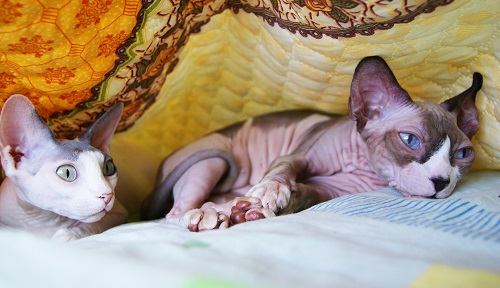
Creating a cozy space for your hairless cat is essential. Provide soft blankets and keep room temperatures warm. Gentle baths and moisturizing help maintain their sensitive skin.
Creating a cozy home for your hairless cat is essential to keep them happy and healthy. These unique feline companions require specific care to thrive. A well-thought-out environment can make all the difference in their comfort and well-being.Temperature Control
Hairless cats are more sensitive to temperature changes than their furry counterparts. They can get cold easily, especially during the cooler months. Keep your home at a stable, warm temperature to ensure their comfort. Consider using heated beds or pads designed for pets, as they provide a warm spot for your cat to relax. I once noticed my Sphynx, Luna, curling up near the heater more often than not. That was my cue to invest in a heated bed. If you live in a colder climate, you might need to dress your cat in a cozy sweater. It’s not just adorable; it keeps them warm without relying solely on external heat sources. But, be careful—make sure the sweater fits well and doesn’t restrict movement.Safe Spaces
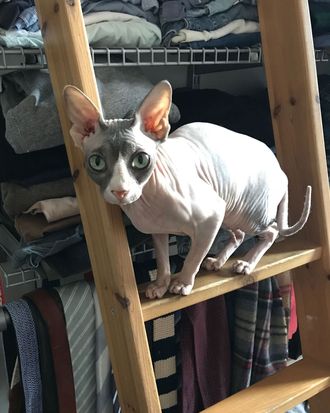
Hairless cats, like all cats, appreciate having safe spaces to retreat to. They may seek out hidden corners or elevated areas to feel secure. Provide a variety of nooks and crannies for them to explore and rest. A cat tree or shelves can offer great vertical space. My cat loved sitting atop her cat tree, surveying the room like a queen. It gave her a sense of security and ownership over her territory. Ensure these spaces are free from hazards. Hairless cats’ skin is more exposed and sensitive, so keep sharp objects and rough surfaces out of reach. Offer soft blankets or cushions to make these hideaways even more inviting. What unique spaces can you create at home for your hairless friend? By tailoring their environment to their needs, you’re not just giving them a home—you’re giving them a sanctuary.Skin Care Routine
Hairless cats have unique skin needs. They lack fur that usually protects the skin. Therefore, a good skin care routine is essential. It keeps their skin healthy and comfortable. Regular care helps prevent skin issues. Let’s explore some key steps.
Bathing Techniques
Bathing a hairless cat is important. Their skin gets oily and dirty quickly. Use lukewarm water for their baths. Warm water helps in removing dirt. Choose a gentle, cat-friendly shampoo. Avoid harsh chemicals. Lather the shampoo gently on their skin. Rinse thoroughly to remove all soap. Dry them with a soft towel. Ensure they are completely dry.
Moisturizing Tips
Hairless cats need moisturizing. Their skin can get dry easily. Choose a natural moisturizer. Look for products safe for cats. Apply a small amount to their skin. Focus on dry areas. Use your fingers to spread it gently. Avoid their eyes and mouth. Moisturizing keeps their skin supple and healthy.
Credit: holidaybarn.com
Feeding And Nutrition
Caring for a hairless cat requires attention to their unique feeding needs. These cats need a high-calorie diet to maintain body heat. Regular meals with balanced nutrients support their energy and skin health.
Feeding and nutrition are pivotal in ensuring your hairless cat thrives. Their unique physiology demands careful attention to their diet. You’ll want to make sure they’re getting everything they need to stay healthy and happy. Whether you’re a seasoned pet owner or new to the world of hairless cats, understanding their dietary needs is essential. Let’s dive into the specifics and explore how you can optimize your hairless cat’s nutrition.Dietary Needs
Hairless cats have a faster metabolism than their fur-coated counterparts. This means they burn energy quickly and require more calories to maintain their body temperature. A high-protein diet can be beneficial. Look for cat food with real meat as the first ingredient. It’s a great way to ensure they’re getting quality nutrients. Consider their preferences. Some cats may favor wet food over dry, which can also provide added hydration. Have you noticed your cat’s food choices changing with the seasons?Supplements
Supplements can offer added benefits. Omega-3 fatty acids can support skin health, which is crucial for hairless cats. Vitamin E might be another option. It can help in maintaining a healthy coat, even if it’s not visible. Consult with your vet before adding supplements. They’re best positioned to advise you on what’s suitable for your feline friend. Have you discussed your cat’s unique needs with a professional recently? When feeding your hairless cat, remember that their dietary needs are distinct. Adjusting their diet not only keeps them healthy but can also enhance their quality of life.Clothing And Protection
Hairless cats need special care. Their skin is sensitive and exposed. Clothing and protection are essential. It helps keep them comfortable and safe.
Choosing The Right Fabric
Not all fabrics are suitable for hairless cats. Soft, breathable materials work best. Cotton and fleece are great choices. They prevent skin irritation and allow easy movement.
Avoid rough fabrics like wool. They can cause discomfort and scratches. Choose stretchy fabrics. They fit snugly without restricting movement.
Seasonal Clothing
Hairless cats feel cold more easily. In winter, warm clothes are a must. Thick fleece or knit sweaters keep them cozy.
Summer needs lighter clothing. Use thin cotton or linen. It prevents overheating and keeps their skin cool.
Always check the fit. It should be snug but not tight. Proper clothing ensures they stay comfortable year-round.
Health Monitoring
Taking care of a hairless cat involves regular health checks. Their unique skin and lack of fur need special attention. Regular health monitoring ensures your cat stays happy and healthy.
Common Health Issues
Hairless cats can face certain health challenges. Skin infections are common due to their exposed skin. They may also experience sunburn without fur protection. Ear infections can occur since their ears have no fur. Regularly check for these issues to keep your cat in good shape.
Regular Check-ups
Schedule regular vet visits for your hairless cat. These check-ups help detect health problems early. Your vet will inspect their skin, ears, and overall health. Ask your vet about any concerns you have. Keep a record of your cat’s health history for reference.
Socialization And Play
Hairless cats, like the Sphynx, require special attention. Socialization and play are crucial for their happiness. These cats have unique needs compared to furry counterparts. Ensuring they are mentally stimulated is essential. Let’s explore how to keep them engaged.
Interactive Toys
Interactive toys keep your hairless cat mentally active. Choose toys that challenge their mind. Puzzle feeders are excellent options. They provide both food and entertainment. Wand toys mimic prey. They encourage natural hunting instincts. Rotate toys regularly to avoid boredom. This keeps their interest fresh and exciting.
Socializing With Other Pets
Introducing your hairless cat to other pets requires patience. Start with short, supervised interactions. Watch their body language closely. Positive experiences build confidence. Gradually increase interaction time. Ensure the environment is calm and safe. Reward good behavior with treats. This strengthens positive associations. Your cat will soon feel comfortable around their furry friends.
Credit: nymag.com
Travel Considerations
Traveling with a hairless cat requires special considerations. Their sensitive skin and unique needs mean extra precautions. Ensuring their comfort and safety during trips is crucial. Proper planning helps minimize stress and ensures a smooth journey.
Safe Transport Tips
Choose a sturdy carrier for your cat. It should be well-ventilated and secure. A soft lining inside offers comfort. Ensure the carrier has enough room for movement. Always buckle it in the car for safety. Avoid placing the carrier in direct sunlight. Keep the car temperature balanced. Sudden temperature changes can affect your cat’s health.
Preparing For Trips
Before a trip, pack essential items. Include food, water, and medication. Bring their favorite blanket or toy. Familiar items reduce anxiety. Ensure your cat is microchipped. Identification tags are important too. Plan regular breaks during long drives. Let your cat stretch and relax. Monitor their behavior closely.
Building A Bond
Hairless cats have unique personalities. Building a bond with them requires patience. They crave human interaction and warmth. Understanding their behavior is key. This helps in forming a strong connection. These cats communicate in subtle ways. Their gestures and actions say a lot. By recognizing these cues, you can build trust. It’s the foundation of a loving relationship.
Understanding Their Behavior
Hairless cats are social creatures. They enjoy being around people. They often follow their owners from room to room. This shows their attachment. These cats love to curl up next to you. Their need for warmth makes them seek closeness. They use soft meows and purrs to communicate. This is their way of expressing needs or affection. Observing these behaviors helps in understanding them better.
Strengthening Your Connection
Spending quality time is essential. Play with your hairless cat daily. Interactive toys keep them engaged. Gentle petting reassures them. It makes them feel loved. Speak softly when you are near them. They respond well to a calm voice. Establish routines for feeding and playtime. Consistency builds trust. Each day, aim to be present and attentive. This strengthens your bond.

Credit: www.youtube.com
Frequently Asked Questions
Are Hairless Cats Hard To Take Care Of?
Hairless cats require regular grooming and skin care due to their sensitive skin. They need frequent baths to remove oil buildup. Ensure they stay warm, as they lack fur insulation. Routine cleaning of ears and nails is important. They demand attention, but are generally affectionate and loving pets.
How To Care For A Sphynx Cat For Beginners?
Sphynx cats need regular baths to manage skin oils. Clean ears weekly and trim nails often. Provide a warm, cozy environment. Feed a balanced, nutritious diet suitable for active cats. Schedule regular veterinary check-ups to monitor health.
Can Hairless Cats Be Left Alone?
Hairless cats can be left alone for short periods. They need companionship and stimulation. Ensure they have toys and safe spaces. Consider a pet sitter for long absences. Regular attention helps reduce stress and loneliness.
How Often Should I Bathe A Hairless Cat?
Bathe a hairless cat once a week. Their skin accumulates oils and dirt more quickly than other cats. Regular baths help prevent skin issues and keep them clean. Ensure you use gentle, cat-friendly shampoo to avoid irritation.
Conclusion
Caring for a hairless cat requires patience and attention. Regular baths keep their skin healthy. Make sure their environment stays warm and cozy. Use soft blankets to avoid scratches. Trim their nails often to prevent injuries. Feed them a balanced diet for better health.
Check their ears for wax buildup. Gentle cleaning helps prevent infections. Give them love and playtime daily. Hairless cats make loving companions when cared for properly. Follow these tips to ensure your pet stays happy and healthy. Enjoy the unique bond with your feline friend.