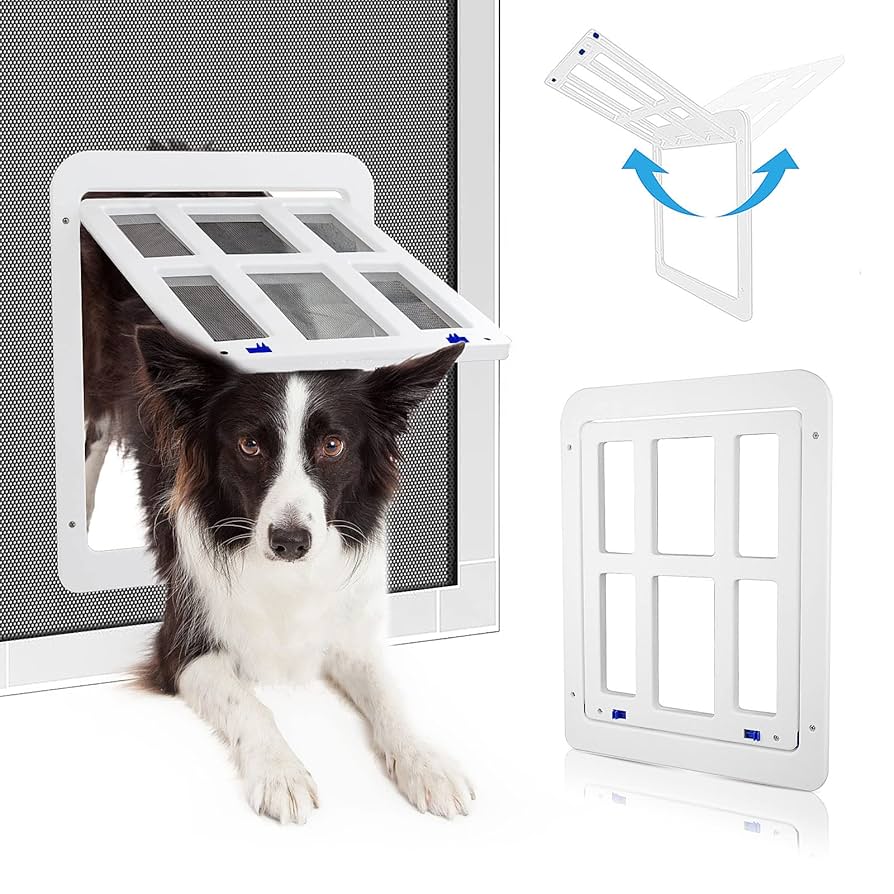
Are you tired of constantly opening the door for your cat? Imagine a world where your feline friend can come and go as they please, giving them the freedom they crave while saving you time and hassle.
Choosing the right pet door for your cat can be a game-changer, creating a seamless home environment for both you and your pet. But with so many options on the market, how do you decide which one is best for your cat’s needs?
You’ll discover the different types of pet doors available, their benefits, and what you should consider when making your choice. Get ready to unlock the secret to a happier, more independent cat and a more convenient life for yourself. Dive in to find out which pet door is perfect for your furry companion!
Types Of Pet Doors
Choosing the right pet door is essential for your cat’s comfort and safety. Flap doors are affordable and easy to install. Magnetic doors keep out unwanted animals. Electronic doors offer advanced security and convenience. Consider your cat’s size and home setup to find the best fit.
Choosing the right pet door for your cat is more than just a convenience; it’s about ensuring their safety and happiness. With so many options available, it’s essential to understand the different types to find the perfect match for your feline friend. Each type of door has its own unique features and benefits, making it easier for you to cater to your cat’s needs and your home’s layout. Whether you’re looking for simplicity or advanced technology, there’s a pet door that fits your lifestyle.Flap Doors
Flap doors are the classic choice for pet owners. They are simple and affordable, making them a popular option. The flexible flap allows your cat to push it open easily. Installation is straightforward, and these doors fit well in most settings. However, they may not provide the best insulation. If you live in a chilly area, consider additional weatherproofing.Electronic Doors
Electronic doors are perfect for tech-savvy pet owners. They open only when they detect a sensor on your cat’s collar. This feature is excellent for keeping unwanted animals out. These doors offer enhanced security and peace of mind. They require a bit more investment upfront but can save you trouble in the long run. Does the added security outweigh the cost for you?Magnetic Doors
Magnetic doors are a step up from traditional flap doors. They use magnets to keep the flap sealed when not in use. This design offers better insulation and a tighter seal. Your cat wears a small magnet on their collar to access the door. It’s a neat solution for those looking to balance cost with functionality. Have you considered how important energy efficiency is to you?Sliding Glass Doors
Sliding glass doors are an excellent choice for homes with existing glass doors. They blend seamlessly with your existing decor. These doors offer a stylish and modern solution. Installation might require professional help to ensure a proper fit. They can be a bit pricier but offer unmatched aesthetics. Are you ready to combine style with your pet’s freedom? Choosing the right pet door involves considering your cat’s habits and your home’s layout. Each type offers distinct advantages. By weighing these factors, you can make an informed decision that benefits both you and your furry friend.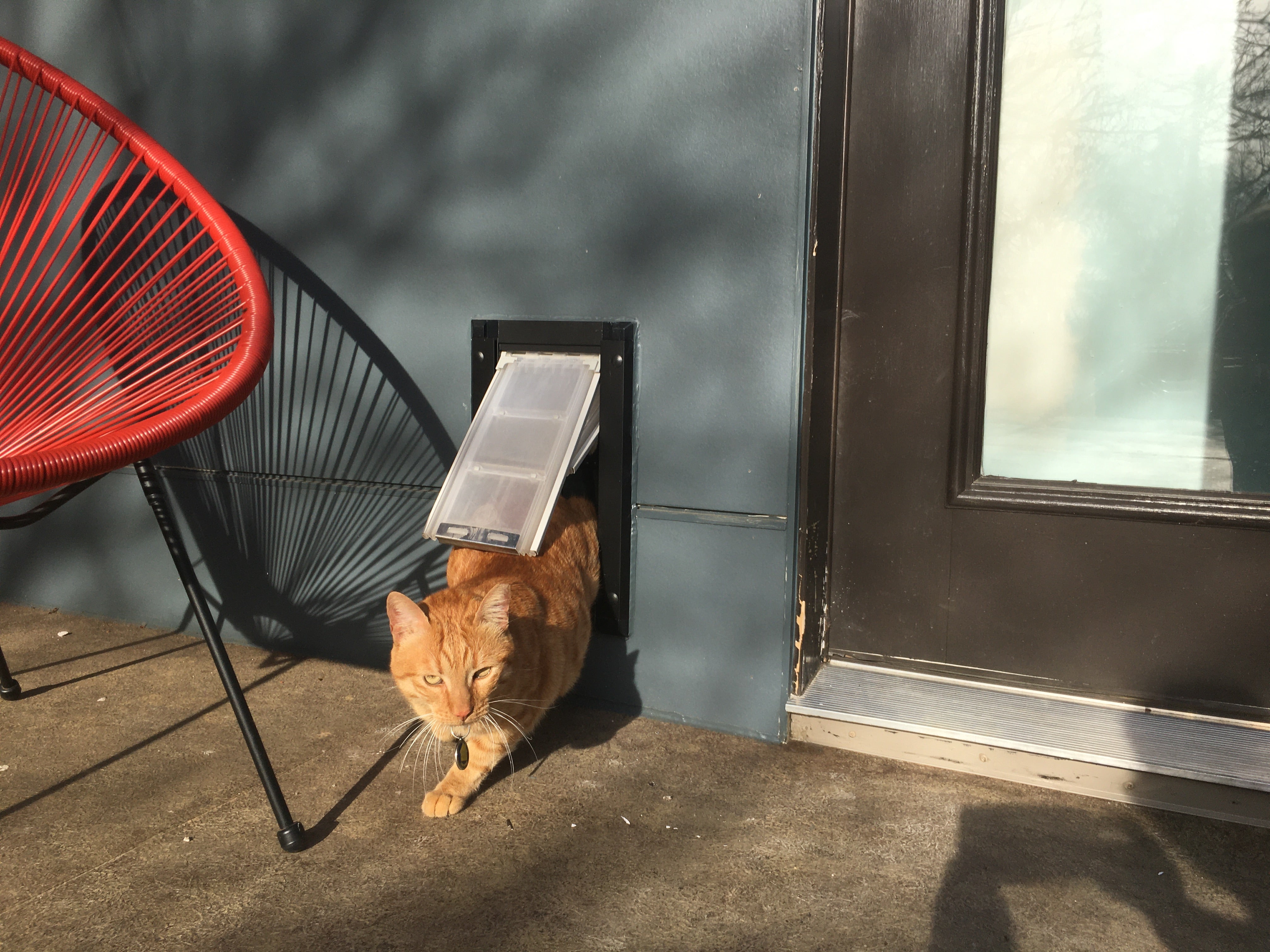
Credit: www.petdoors.com
Material Considerations
Choosing the right pet door for cats involves considering materials like plastic, wood, or metal. Plastic doors are lightweight and affordable. Wood doors blend well with home interiors. Metal doors offer durability and security. Each material has unique benefits suitable for different needs and settings.
Choosing the right pet door for your cat is crucial, and the material of the door plays a significant role in its functionality and longevity. You want a door that can withstand your cat’s playful nature and the elements outside. Whether you’re installing the door in your home, garage, or another space, understanding the pros and cons of different materials can guide your decision.Plastic Vs. Metal
Plastic pet doors are lightweight and often more affordable. They are suitable for smaller cats and less active environments. However, if you live in an area with harsh weather conditions or have a highly energetic cat, plastic might not hold up well in the long run. Metal doors, on the other hand, are more durable and secure. They are perfect for larger cats or homes with multiple pets. Although they are generally more expensive, the investment pays off with increased durability and resistance to damage. Consider how often your cat uses the door and the potential for wear and tear.Weatherproof Options
Weatherproof doors are essential if you live in a region with extreme temperatures or frequent storms. Some pet doors come with insulated flaps that help maintain the indoor temperature, keeping your home energy efficient. This is particularly important during winter or hot summer months when energy bills can skyrocket. Additionally, look for doors with magnetic closures or double flaps to provide extra protection against the wind and rain. A friend of mine once installed a basic door, only to find puddles forming inside every time it rained. Choosing a weatherproof option saved her from countless clean-ups and helped keep her home cozy. Have you considered how the seasons might affect the usability of your cat’s door? It’s crucial to think ahead and choose wisely. This decision impacts not just your cat’s convenience but also your home’s comfort and efficiency.Size And Placement
Choosing the right size and placement for a cat door ensures ease of access for your feline friend. A door should be at least six inches above ground to accommodate your cat’s height comfortably. Installing it in a quiet location helps minimize stress and encourages frequent use.
Choosing the best pet door for your cat involves more than just picking a door that looks appealing. Size and Placement are critical factors that ensure your cat can use the door comfortably and safely. A well-sized and correctly placed door offers convenience and keeps your home secure. How do you make the right choice? Let’s dive into these crucial aspects.Measuring For Size
Start by measuring your cat from the floor to the top of their shoulders. This height gives you a benchmark for selecting a door that your cat can easily walk through. You also need to measure the width of your cat at their widest point to ensure the door is not too narrow. A door that’s too small can be frustrating and unwelcoming for your furry friend. Consider your cat’s growth if they are still young or their potential weight gain if they love those treats. A slightly larger door ensures longevity and comfort over time.Ideal Locations
Think about where your cat spends most of their time. Placing the door in a frequently used area makes it more convenient for them. Consider the environmental conditions outside where the door will lead. Is it a busy street or a quiet garden? This influences your choice for security and safety reasons. If you have multiple cats, observe if they have preferred routes and place the door accordingly. This simple observation can save you from future hassle and ensure all your pets are happy. Selecting the right size and location for your cat’s door is like giving them their own personal entrance. What better way to show your love and care?
Credit: proelectricva.com
Security Features
Choosing the best pet door for your cat goes beyond convenience; it’s about ensuring safety. Security features in cat doors are crucial, particularly if you want to prevent unwanted guests. As you consider installing a pet door, it’s important to weigh the security aspects to keep your home safe and your feline friend protected. How do you ensure that only your cat has access? Let’s delve into some security features that can make all the difference.
Locking Mechanisms
Locking mechanisms are the first line of defense in pet door security. Many cat doors come with simple manual locks, allowing you to control access. For example, a four-way lock provides options like completely locked, open both ways, or one-way access.
If you ever had a raccoon sneak into your kitchen, you know how valuable a locking mechanism can be. These locks are easy to use and provide peace of mind, especially at night or when you’re not at home.
Smart Technology
Smart technology is transforming pet door security. Imagine a door that recognizes your cat’s microchip or a special collar key. These systems ensure that only your cat can enter, keeping other animals out.
Some smart pet doors can even track your pet’s movements, providing data on how often they come and go. This feature can be great for monitoring your cat’s habits and ensuring their safety.
Have you ever wondered if your cat is safe when you’re away? With smart technology, you can rest easy knowing your pet door is only accessible to your furry friend.
Security features are not just about keeping intruders out; they’re about peace of mind for you and safety for your cat. When choosing a pet door, consider how these features fit into your lifestyle and provide the security you need.
Installation Process
Choosing the best pet door for your cat involves more than just the design. The installation process is equally important. A well-installed pet door ensures security and ease of use. Understanding the installation steps can help you decide whether to do it yourself or hire a professional.
Diy Vs. Professional Installations
DIY installation might seem appealing to some pet owners. It’s often cheaper and can be a fun project. Make sure you have the right skills and patience. Improper installations can lead to security issues or drafts. Professional installations guarantee a perfect fit. Experts have the experience and tools to handle various door types. Hiring a pro might cost more but saves time and potential headaches.
Tools Needed
For DIY installations, gather essential tools first. A measuring tape ensures accurate dimensions. A jigsaw or drill helps create the opening. Use screwdrivers for securing the pet door frame. Caulking guns are necessary for sealing gaps. Sandpaper smoothens rough edges. Professionals arrive equipped with all these tools. They also bring specialized equipment for tricky installations.
Cost Considerations
Choosing the right pet door for your cat involves various factors, with cost being a significant consideration. Cat owners often seek a balance between affordability and durability. Understanding the cost implications can help in making an informed decision. This section highlights budget-friendly choices and long-term value in cat doors.
Budget-friendly Options
Many affordable cat doors suit different needs. Basic flap doors are popular for their simplicity and low cost. They come in various materials like plastic or vinyl, keeping the price down. Manual locking mechanisms are common in these models. This feature allows you to control your cat’s movements. Installation is usually straightforward, which saves on costs.
Sliding doors for cats are another budget option. They fit into existing patio doors, avoiding the need for cutting walls. This type is ideal for renters or those who prefer not to alter their homes. Budget-friendly models focus on function over features, prioritizing accessibility.
Long-term Value
Investing in a quality cat door can offer long-term benefits. Durable materials like aluminum or polycarbonate withstand wear and tear. These options might cost more initially. Yet, they reduce the need for frequent replacements. Electronic cat doors provide additional security and convenience. They use microchip technology to allow entry only to your pet. This reduces the risk of stray animals entering your home.
Energy-efficient cat doors help maintain indoor temperatures. They prevent drafts, which can save on heating and cooling costs. This feature makes them a valuable choice for those living in extreme climates. While initial costs might be higher, the savings on energy bills add value over time.
Maintenance Tips
Choosing a pet door for cats involves considering size, security, and material. Opt for a durable flap design that fits snugly, ensuring your cat’s safety and comfort. Regular cleaning and lubrication of hinges will keep the door functioning smoothly and extend its lifespan.
Maintaining your cat’s pet door is crucial to ensure it functions smoothly and remains secure. Not only does regular upkeep prevent malfunctions, but it also keeps your home clean and safe. By paying attention to cleaning and repair needs, you can extend the life of your pet door and keep your feline friend happy.Cleaning And Upkeep
Regular cleaning keeps a pet door free from dirt and debris, ensuring it opens and closes without a hitch. Wipe down the door flaps with a damp cloth every week. Consider using mild soap if there’s a buildup of grime. Check for any loose screws or parts. Tightening them promptly can prevent bigger issues. Do you have a curious cat that loves to paw at the door? This might cause scratches. Regular cleaning helps minimize visible wear.Repair And Replacement
Sometimes, parts of the pet door may become worn or damaged. Inspect the frame and flaps periodically for cracks or signs of wear. This helps you catch potential problems early. Replacing a damaged flap is often simple and can prevent drafts or unwanted critters from entering your home. Have you ever noticed your cat struggling with the door? It might be a sign that a part needs repair or replacement. Addressing these issues promptly ensures your pet’s comfort and safety. Maintaining a cat door might seem like a small task, but its impact on your home’s cleanliness and your cat’s freedom is significant. What steps will you take today to ensure your cat’s door stays in top shape?:strip_icc()/Spruce-best-cat-doors-4151956-d54f1dca632c499b9d10225f510620d2.jpg)
Credit: www.thesprucepets.com
User Reviews And Recommendations
Choosing the perfect pet door for your feline friend can be tricky. User reviews can help you make an informed decision. Recommendations from other cat owners offer valuable insights.
Popular Brands
Several brands stand out in the world of cat doors. PetSafe is a favorite among cat owners. Known for durability, their doors fit most homes. SureFlap also receives praise. Its microchip technology ensures security. Ideal for homes with multiple pets. Ideal Pet Products offers a range of sizes. Their doors are easy to install and reliable.
Customer Feedback
Real-world feedback is crucial. Many users appreciate PetSafe’s weather-resistant doors. They keep homes insulated during cold months. SureFlap users enjoy peace of mind. The microchip system prevents stray animals from entering. Users of Ideal Pet Products praise its simplicity. The doors work well for indoor-outdoor cats.
Reviews highlight installation ease. PetSafe doors are quick to set up. SureFlap requires precise fitting but rewards with security. Ideal Pet Products offer straightforward installation. Feedback often mentions maintenance. PetSafe doors need occasional checks for wear. SureFlap’s electronics may need updates. Ideal Pet Products usually require minimal upkeep.
Environmental Impact
Choosing the right pet door for your cat affects the environment. A thoughtful choice can minimize energy use and reduce waste. Understanding the environmental impact helps you make a sustainable decision.
Energy Efficiency
Energy-efficient pet doors help maintain indoor temperatures. They prevent heat loss in winter and keep cool air in during summer. This reduces the need for extra heating or cooling. Less energy use means lower utility bills. It also leads to a smaller carbon footprint. Insulated doors are a great option for energy efficiency.
Eco-friendly Materials
Eco-friendly materials minimize harm to the environment. Pet doors made from recycled materials reduce waste. They often have a lower environmental impact during production. Look for doors with non-toxic, sustainable materials. Some brands offer biodegradable options. These choices support a healthier planet.
Frequently Asked Questions
Is It A Good Idea To Have A Cat Door?
A cat door offers convenience for both pets and owners. It allows cats to enter and exit freely, reducing stress. Enhanced independence can improve a cat’s well-being. Ensure it’s secure to prevent unwanted animal entry. A cat door can be a beneficial addition to your home environment.
How To Choose A Cat Door?
Choose a cat door by considering your cat’s size, door material, and installation location. Ensure it’s weatherproof and secure. Opt for manual or electronic, depending on your needs. Measure accurately for a proper fit. Check reviews for durability and ease of use.
What Is The Difference Between A Cat Door And A Cat Flap?
A cat door is a small door installed in a wall or door. A cat flap is a flexible flap that swings. Both allow cats to enter or exit freely.
What Is The Alternative To A Cat Door?
Consider using a window insert for pets. They are adjustable and fit into most windows easily. Magnetic screens can also work, providing access while keeping insects out. Alternatively, you can train your cat to signal when it wants to go outside.
These options are effective and simple.
Conclusion
Choosing the right pet door for your cat is crucial. Think about your cat’s size and habits. Consider your home’s layout and security needs. Many options exist, from manual to electronic doors. Each has its own benefits. Always prioritize your cat’s comfort and safety.
Review different models and materials carefully. A well-chosen pet door enhances your pet’s freedom. It also provides convenience for you. A happy cat makes a happy home. So, take time to make the best choice. Your furry friend will thank you.