
Are you a proud owner of two feline friends? If so, you might be wondering how many litter boxes are needed to keep your cats comfortable and your home clean.
It’s a common question, and getting it right can make all the difference for you and your pets. Imagine a home where your cats feel relaxed and you no longer have to deal with unpleasant surprises. Curious to know the secret behind a happy and clean home with two cats?
Keep reading to discover the perfect number of litter boxes for your furry companions, and ensure a harmonious living environment for everyone.
Determining The Right Number
Choosing the right number of litter boxes is essential for two cats. Experts suggest having at least three boxes to ensure comfort. More boxes prevent territorial disputes and maintain cleanliness.
Determining the right number of litter boxes for your feline friends isn’t just a matter of convenience; it’s about ensuring their comfort and happiness. Balancing cleanliness with accessibility can make all the difference. Your cats deserve a space where they can feel secure and relaxed. But how many litter boxes do you actually need for two cats? Let’s break it down using some practical guidelines.Basic Rule Of Thumb
A common guideline is to have one litter box per cat, plus one extra. So, for two cats, you would ideally have three litter boxes. This simple rule helps prevent territorial disputes and ensures each cat has options. It’s a straightforward approach that enhances your cats’ well-being, minimizing stress and potential behavioral issues.Considerations For Different Scenarios
Every household is unique, and so are your cats. If one of your cats is older or has health issues, you may need an additional box to accommodate their needs. Similarly, if your home has multiple floors, consider placing a litter box on each level. This setup ensures accessibility and convenience for your cats, reducing the likelihood of accidents. Think about your cats’ personalities as well. Do they prefer privacy or are they okay with sharing? Understanding their preferences can help you decide if the basic rule suffices or if adjustments are necessary. What works for your neighbor’s cats might not work for yours, so pay attention to what your cats are telling you through their behavior. In providing the right number of litter boxes, you’re not just managing a practical concern. You’re enhancing your home environment, making it a happier place for both you and your cats.Space And Location
Creating a harmonious space for two cats involves careful planning. Their comfort depends on the strategic placement of litter boxes. Choosing the right space and location can make a big difference. Cats need their litter boxes in places where they feel safe and secure.
Optimal Placement
Place litter boxes in quiet, low-traffic areas. Cats prefer privacy when using them. Ensure easy access at all times. Avoid placing them in busy or noisy areas. A spare bathroom or a quiet corner works well. Ensure there is enough light for them to see clearly. Natural light or a small lamp can help.
Separate the boxes in different parts of the house. This gives each cat its own space. It also reduces territorial disputes. Keep the boxes away from their food and water. Cats dislike eating near their bathroom areas.
Avoiding Common Mistakes
Avoid placing litter boxes in hard-to-reach places. Cats may ignore them if it’s too much effort. Don’t place them near loud appliances like washing machines. The noise can scare them away.
Don’t crowd the boxes together in one small area. This limits their choices and can lead to stress. Avoid using covered boxes if your cats don’t like them. Some cats feel trapped and prefer open ones.
Keep the boxes away from direct airflow, like vents or fans. Cats prefer stable environments without sudden temperature changes. Regularly check the location for any potential disturbances. Your cats’ comfort depends on a thoughtful setup.
Types Of Litter Boxes
Choosing the right litter box for two cats can be challenging. Each type offers unique benefits and fits different lifestyles. Understanding these types helps in making a suitable choice for your feline friends.
Open Vs. Covered
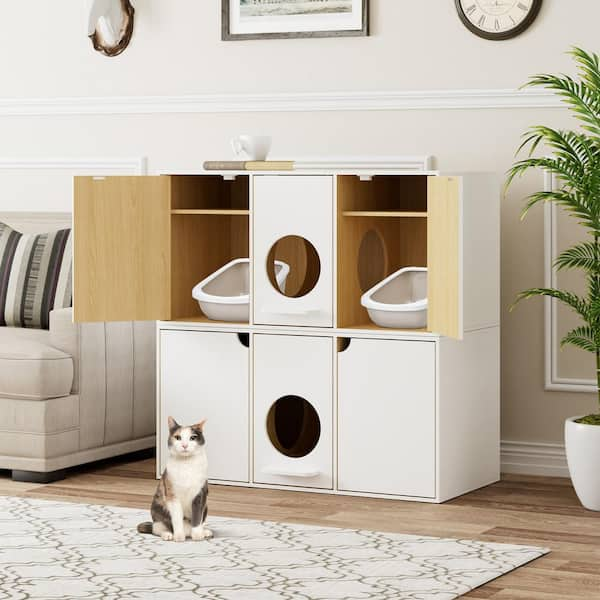
Open litter boxes are simple and easy to clean. Cats often prefer them due to easy access and ventilation. They are ideal for cats that dislike confined spaces. Covered litter boxes offer privacy and contain odors better. They help reduce litter scatter, making them a good choice for messy cats. Some cats may not like the enclosed feeling, though.
Automatic Vs. Manual
Automatic litter boxes clean themselves and reduce maintenance. They are convenient for busy pet owners. These boxes often come with sensors to detect usage. Manual litter boxes require regular scooping. They are affordable and straightforward. Manual boxes allow you to monitor your cat’s health more closely.
Credit: www.homedepot.com
Choosing The Right Litter
Two cats thrive best with three litter boxes, ensuring comfort and cleanliness. Providing ample space reduces territorial disputes and promotes healthy habits. Proper placement enhances accessibility, preventing accidents and maintaining a fresh environment.
Choosing the right litter for your cats can be a challenging task. The type of litter you select can impact their health and your home’s cleanliness. With two cats, finding the perfect fit becomes even more crucial. You want a litter that caters to their needs and preferences while being easy to maintain. Understanding the differences between various litter types can guide you in making the best choice.Clumping Vs. Non-clumping
Clumping litter forms solid clumps when wet. It makes cleaning easier and faster. You can scoop out used portions daily, keeping the box fresh. Non-clumping litter absorbs moisture without forming clumps. It requires regular replacement and more effort in cleaning. Clumping litter is often preferred for its ease of maintenance.Scented Vs. Unscented
Scented litter masks odors with added fragrances. It can be helpful in controlling unpleasant smells. Some cats may find strong scents irritating or overwhelming. Unscented litter offers a more natural experience. It might be better for sensitive cats. Choosing between scented and unscented depends on your cat’s comfort and your odor control preference.Maintenance And Cleaning
Two litter boxes are ideal for two cats to ensure cleanliness and comfort. This setup helps prevent territorial issues and reduces odor. Regular cleaning keeps the litter boxes fresh and inviting for your feline friends.
Maintaining and cleaning litter boxes is crucial for a harmonious home with your feline friends. A clean litter box can prevent unwanted odors and keep your cats happy. It’s not just about scooping; it’s about creating a healthy environment for your pets. Let’s dive into how you can make this task manageable and ensure your cats have a clean space.Daily Cleaning Routine
Cleaning the litter box daily is essential. It prevents smells from spreading and keeps your cats comfortable. Start by scooping out waste at least once a day. If you notice clumps forming or excess litter, consider a quick sift to remove them. A personal tip: I found that using a covered scoop makes the task easier and less messy. Have you tried different types of litter? Clumping litter can make daily cleaning quicker, while non-clumping might need more frequent attention.Deep Cleaning Tips
A weekly deep clean is a must. Completely change the litter and scrub the box to remove any residue. Use mild soap and warm water for a thorough wash. Don’t forget to dry it completely before refilling it with fresh litter. Consider the placement of the litter box. Moving it to a well-ventilated area can reduce odors. Ever thought about rotating your litter box with a spare one during cleaning? This ensures your cats always have a clean box available. How often do you rotate or change your litter boxes? It might be time to try this method for a fresher experience. Maintaining a clean litter box is not just about hygiene; it’s about your cats’ comfort and your home environment.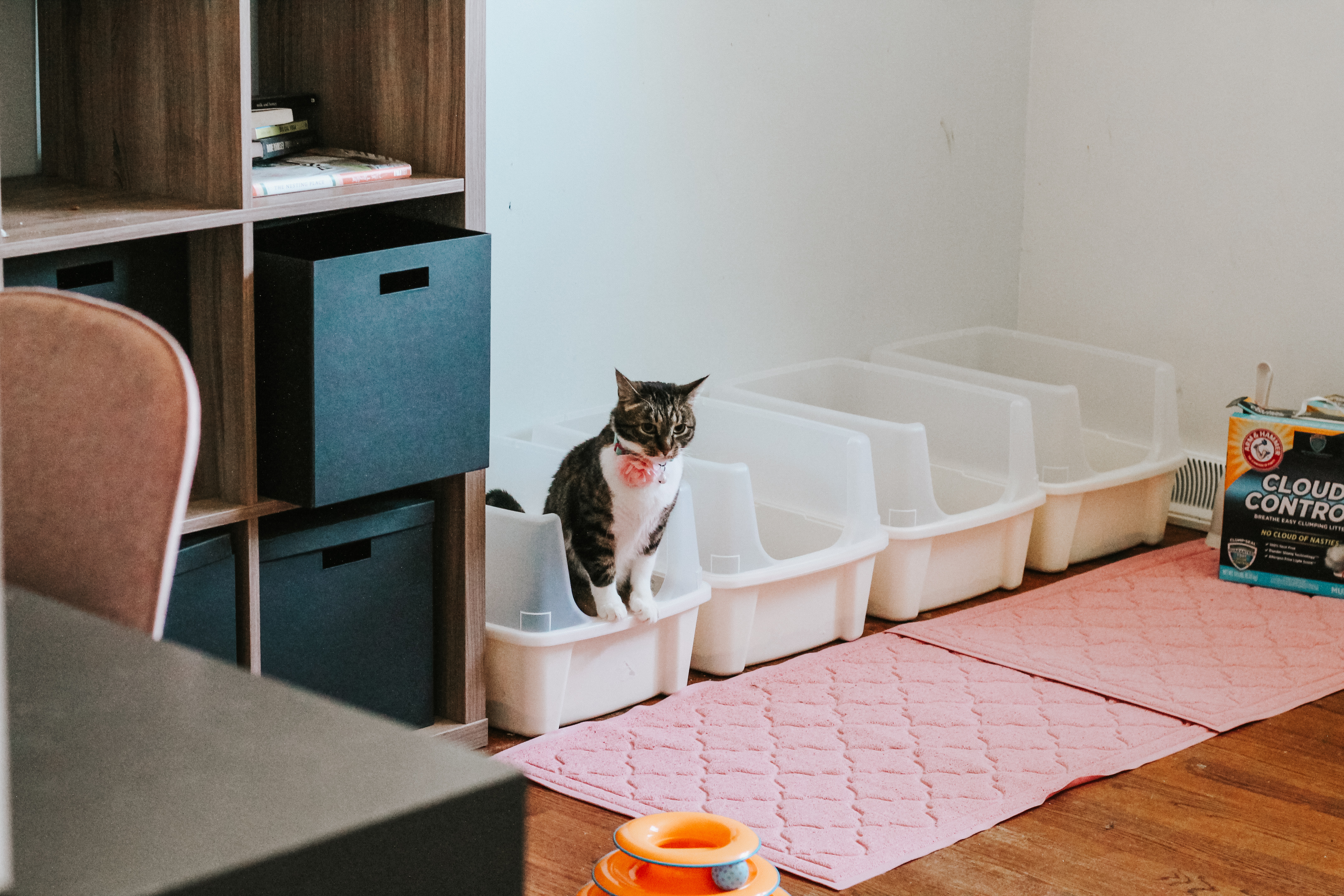
Credit: www.kendallrayburn.com
Signs Of Litter Box Issues
Two cats might need three litter boxes to avoid issues. Sharing can cause stress and improper elimination. Ensure each cat has access to a personal and a shared box.
Recognizing the signs of litter box issues is crucial for maintaining a harmonious home with your feline friends. Cats are creatures of habit, and any deviation from their routine might indicate a problem. Being vigilant about these signs can help address potential issues before they escalate, ensuring your cats remain happy and healthy.Behavioral Changes
Does your cat suddenly avoid the litter box? This could be a red flag. Cats may associate the box with discomfort if it’s too dirty or in a noisy location. Once, I noticed my cat scratching at the bathroom door instead of using the litter box. Moving the box to a quieter area resolved the issue instantly. Have you ever seen your cat going outside the box? This might mean they are displeased with something about it.Health Concerns
Unexpected litter box behavior can also signal health problems. If your cat is visiting the box frequently but producing little, it may be experiencing urinary issues. I once discovered my cat was making frequent trips to the litter box. A quick vet visit revealed a urinary tract infection. Such health problems require immediate attention. Keep an eye out for changes in stool consistency or urine color. These could indicate digestive or kidney issues. Regular vet check-ups can help catch these problems early. Are you noticing any of these signs in your cats? Addressing them promptly can lead to a happier home for both you and your pets.Tips For Multi-cat Households
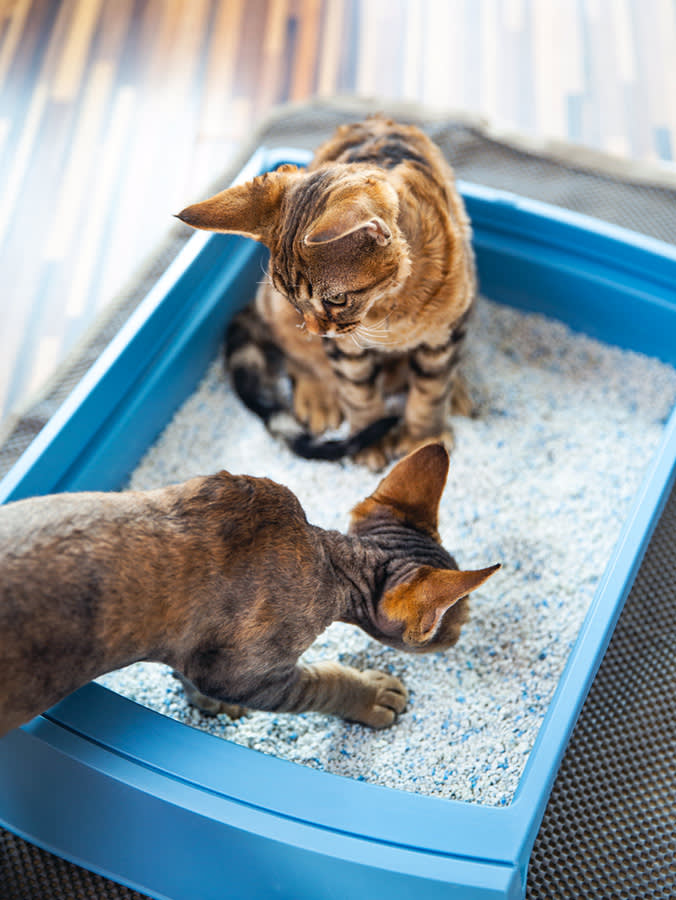
Managing a multi-cat household requires some thought and preparation. Ensuring harmony between your cats is essential. Proper litter box management plays a big role in this. With two cats, it’s crucial to have enough litter boxes. Experts suggest one box per cat, plus one extra. This rule helps maintain peace and cleanliness in your home.
Preventing Territorial Disputes
Cats can be territorial. They may claim certain spaces as their own. Providing multiple litter boxes helps prevent conflicts. Place boxes in different areas of the house. This gives each cat their own space. Make sure boxes are easily accessible. Avoid placing them in cramped or noisy areas. Cats prefer privacy and quiet. Proper placement reduces stress and tension between them.
Encouraging Good Habits
Good litter habits are crucial for a clean home. Ensure litter boxes are clean and odor-free. Scoop them daily to keep them fresh. Regular cleaning encourages your cats to use the boxes. Cats dislike dirty litter boxes. They may find other spots if boxes are unclean. Providing enough boxes helps encourage good habits. It makes sharing easier and reduces accidents.
Credit: www.kinship.com
Frequently Asked Questions
Do I Need Multiple Litter Boxes For Two Cats?
Yes, it’s best to have three litter boxes for two cats. This prevents territorial issues and ensures cleanliness. Each cat should have a personal box, plus an extra one for emergencies. Cats prefer their own space for privacy and comfort.
This setup helps maintain harmony in multi-cat households.
What Is The Golden Rule For Litter Boxes?
The golden rule for litter boxes is one box per cat, plus one extra. Keep them clean daily. Ensure easy access, privacy, and place them in quiet areas. Use unscented, clumping litter. Regularly replace and clean the entire box to maintain hygiene and encourage consistent use.
How Much Litter Should I Use For Two Cats?
Use about 3-4 inches of litter in each box. Provide one litter box per cat, plus one extra. Regularly clean and replace the litter to maintain hygiene. This setup ensures both cats have enough space and reduces odor.
Do Cats Need A Litter Box On Every Floor?
Cats benefit from having a litter box on each floor of your home. It provides convenience and reduces accidents. This setup is especially helpful for older cats or those with mobility issues. Ensuring easy access promotes consistent use and maintains cleanliness.
Conclusion
Two cats need at least three litter boxes. This reduces stress and conflict. Cats are territorial animals. They prefer their own space. More boxes mean less mess. Cleaning becomes easier, too. Your home stays fresh and clean. Cats feel more comfortable.
A happy cat means a happy owner. Follow these simple tips. Provide enough litter boxes. Your cats will thank you. Keep their environment clean. Watch them thrive in their space. Enjoy a harmonious home with your pets.