
Have you ever watched your cat hacking and gagging, trying to expel a stubborn hairball? It’s a sight that can be both distressing and puzzling.
You’re not alone in wondering how to best help your furry friend with this common feline issue. Hairballs, while a natural occurrence, can be uncomfortable for your cat and worrying for you. Understanding how to assist your cat in passing a hairball can make a world of difference.
You want to ensure your cat’s comfort and health, right? Well, you’re in the right place. This article is here to guide you through simple steps and practical tips to ease the process. By the end, you’ll feel confident in knowing exactly what your cat needs. So, let’s dive in and make sure your feline companion is happy and hairball-free!

Credit: www.wikihow.com
Understanding Hairballs
As a cat owner, you might be familiar with the occasional coughing and gagging sounds your feline friend makes. These are often signs of hairballs, a common issue that most cats face at some point. Understanding hairballs is crucial in helping your cat pass them safely and maintaining their overall health. Let’s dive into what hairballs are, why they form, and how you can assist your cat in passing them.
What Are Hairballs?
Hairballs are masses of undigested hair that accumulate in a cat’s stomach. They form when your cat grooms itself and swallows loose fur. Most of the hair passes through the digestive tract without any issues. However, some may remain and clump together, creating a hairball.
Why Do Cats Get Hairballs?
Cats are meticulous groomers, often spending a significant portion of their day cleaning their fur. This grooming habit leads to ingestion of hair, especially in long-haired breeds. As your cat ages or becomes more obsessive about grooming, the likelihood of hairball formation increases.
Recognizing the signs can help you take timely action. Your cat might exhibit coughing, gagging, or retching. Sometimes, they might lose appetite or become lethargic. If you notice these symptoms, it might be time to assist your cat in passing the hairball.
Personal Experience: Spotting Hairball Issues Early
My cat, Luna, once had trouble passing a hairball. She was coughing persistently and seemed uncomfortable. By recognizing these early signs, I was able to help her before it became a serious problem. It taught me the importance of being observant and proactive.
How Can You Help Your Cat Pass A Hairball?
There are several ways to assist your cat. Regular grooming can reduce the amount of hair they ingest. You might consider specialized cat foods or treats designed to minimize hairball issues. Hydration is vital, so ensure your cat has access to fresh water. Sometimes, a gentle massage can help your cat pass the hairball.
Have You Ever Considered A Vet Visit?
If your cat struggles frequently with hairballs, think about visiting a vet. They can provide valuable insights and suggest products or treatments tailored to your cat’s needs. A professional opinion can make a significant difference.
Helping your cat pass a hairball is not just about immediate relief; it’s about ensuring their long-term well-being. Regular care, attention, and understanding can keep your furry friend happy and healthy.
Causes Of Hairballs In Cats
Hairballs are common in cats. They occur when cats groom themselves. During grooming, cats ingest loose fur. This fur can form a ball in their stomach. Understanding the causes helps in managing hairballs. It also ensures your cat stays healthy.
Excessive Grooming
Some cats groom more than others. This can lead to more hair ingestion. Stress or skin irritation can cause excessive grooming. If your cat grooms too much, watch for hairballs. Identifying the cause of excessive grooming is important. It can help reduce hairball formation.
Long-haired Breeds
Long-haired cats are more prone to hairballs. Their fur is more likely to be ingested. Breeds like Persians and Maine Coons often face this issue. Regular brushing can help. It reduces the amount of loose hair.
Seasonal Shedding
Cats shed more during certain seasons. This increases the risk of hairballs. During shedding, more fur is ingested. You can help by brushing your cat often. This minimizes loose hair and hairball formation.
Diet And Nutrition
Poor diet can affect fur health. Weak fur breaks easily and is ingested more. Ensure your cat gets a balanced diet. High-fiber foods can help move hair through the system. This reduces hairball risks.
Age And Health Conditions
Older cats may groom less efficiently. This can lead to more ingested hair. Some health conditions can also affect grooming habits. Regular vet check-ups are important. They help ensure your cat’s overall health.
Signs Your Cat Has A Hairball
Cats often cough or vomit when struggling with hairballs. Observing frequent hacking sounds? Offer your cat a fiber-rich diet. Regular grooming also helps reduce shedding and prevents hairball formation.
Hairballs are a common issue for many cat owners, but recognizing the signs that your cat has a hairball can make all the difference in ensuring their comfort and health. Understanding these signs can help you address the problem before it becomes more serious. Let’s dive into the symptoms that might indicate your feline friend is dealing with a hairball.1. Frequent Coughing Or Gagging
Does your cat sound like they’re trying to clear their throat? This is a typical sign of a hairball. Cats often attempt to expel a hairball by coughing or gagging. Pay attention if this behavior becomes more frequent.2. Decreased Appetite
Have you noticed your cat eating less than usual? A lodged hairball can cause discomfort, leading to a decrease in appetite. If your cat’s eating habits suddenly change, it might be time to consider the possibility of a hairball.3. Lethargy
Is your normally playful cat suddenly acting sluggish? Lethargy can be a sign of many issues, but when combined with other symptoms, it may indicate a hairball. If your cat seems less energetic, keep an eye on them.4. Constipation Or Diarrhea
Digestive issues can also point to a hairball problem. Both constipation and diarrhea can occur when your cat is struggling with a hairball. Monitor your cat’s litter box habits for any unusual changes.5. Excessive Grooming
Cats are meticulous groomers, but excessive grooming can lead to more hair being ingested. If you notice your cat grooming more than usual, it could be a precursor to hairball issues. Consider brushing your cat more frequently to help manage their grooming needs. Understanding these signs can help you take action sooner rather than later. Have you ever noticed these symptoms in your cat? Addressing hairball issues can prevent discomfort and keep your feline companion happy and healthy.Dietary Adjustments
Cats often struggle with hairballs. Making dietary adjustments can help them pass hairballs more easily. By focusing on what your cat eats, you can ease their discomfort. Let’s explore how.
High-fiber Foods
Fiber aids digestion. It helps move hair through your cat’s system. Try adding pumpkin or peas to their diet. These foods are high in fiber and cats usually enjoy them. You can also find fiber-rich cat treats. They are tasty and beneficial for hairball control.
Special Hairball Formulas
Many cat foods are designed to reduce hairballs. These special formulas contain ingredients that support healthy digestion. They often include added fiber and other beneficial nutrients. Look for labels indicating hairball control. This ensures you choose the right product for your pet.
Grooming Techniques
Hairballs can be uncomfortable for cats. Regular grooming helps prevent them. It removes loose hair before it’s swallowed. Cats naturally groom themselves. But sometimes they need extra help. Effective grooming techniques can make a big difference. Regular brushing and occasional baths are key.
Regular Brushing
Brushing helps reduce hairballs. Use a soft brush designed for cats. Brush your cat often. Daily brushing is ideal for long-haired breeds. Short-haired cats may need brushing twice a week. Start brushing from the head. Work towards the tail gently. Make sure to be gentle to avoid stress. This keeps your cat’s coat healthy. It removes loose fur effectively.
Bathing Tips
Bathing can reduce hairballs. Cats usually groom themselves, but baths help. Use a gentle cat shampoo. Make sure it’s safe for cats. Wet your cat slowly. Use lukewarm water. Be gentle and calm. Ensure the bathing area is quiet. Rinse thoroughly to remove all shampoo. Dry your cat well with a towel. Baths should not be frequent. Once a month is enough. Bathing keeps fur clean. It reduces shedding and hairball formation.
Hydration Importance
Hydration plays a vital role in a cat’s overall health. It becomes crucial in helping cats pass hairballs. Cats often groom themselves, leading to hair ingestion. This can cause hairballs, which are uncomfortable for your feline friend. Ensuring your cat stays hydrated can ease this process. Water helps break down the hairball, making it easier to pass.
Why Hydration Matters For Cats
Cats naturally have a low thirst drive. They evolved from desert animals. So, they don’t often feel thirsty. But water is essential for their digestion. It helps in the smooth passage of hairballs. Dehydration can make the hairball hard and difficult to pass.
How Much Water Does A Cat Need?
On average, a cat needs about 3.5 to 4.5 ounces of water daily. This amount varies based on their diet. Wet food contains water, which contributes to their intake. Dry food lacks moisture, so your cat may need more water.
Ways To Encourage Your Cat To Drink More
Place multiple water bowls around your home. Cats prefer fresh, clean water. Change it often. Use a water fountain. Cats are attracted to flowing water. It can make drinking more appealing. Add a bit of tuna juice to the water. This can entice your cat to drink more.
Signs Of Dehydration In Cats
Check for dry gums or sunken eyes. These can indicate dehydration. Your cat’s skin elasticity can also help identify dehydration. Gently pinch the skin on their back. If it doesn’t snap back quickly, they might be dehydrated.
Benefits Of Proper Hydration
Good hydration aids in passing hairballs smoothly. It also supports kidney health and prevents urinary tract issues. Keeping your cat hydrated ensures they stay healthy and happy.
Natural Remedies
Cats often struggle with hairballs. Brushing your cat regularly can reduce hair ingestion. Offering a teaspoon of pumpkin puree can aid digestion and help pass hairballs naturally.
Cats are wonderful companions, but hairballs can be a pesky problem. Fortunately, there are natural remedies that can help your feline friend pass hairballs more comfortably. These remedies are simple, effective, and easy to incorporate into your cat’s routine.Olive Oil
Olive oil is more than just a kitchen staple; it can be a helpful aid for your cat’s digestive system. Adding a small amount of olive oil to your cat’s food can help lubricate their digestive tract, making it easier for hairballs to pass. Start with a teaspoon of olive oil once a week. This small addition can make a big difference. Remember, moderation is key—too much oil can cause diarrhea.Pumpkin Puree
Pumpkin puree is another effective natural remedy. Rich in fiber, it helps move hair through the digestive system and out of the body. Introduce pumpkin puree slowly into your cat’s diet. A teaspoon mixed with their regular food can be enough to help. Make sure you use plain pumpkin puree, not the spiced pie filling. Have you noticed your cat enjoying the taste? Some cats love the flavor, turning this remedy into a treat rather than a chore. Incorporating these natural remedies can make hairball management easier for you and more comfortable for your cat. Have you tried any of these tips, or do you have other remedies that work wonders for your feline friend?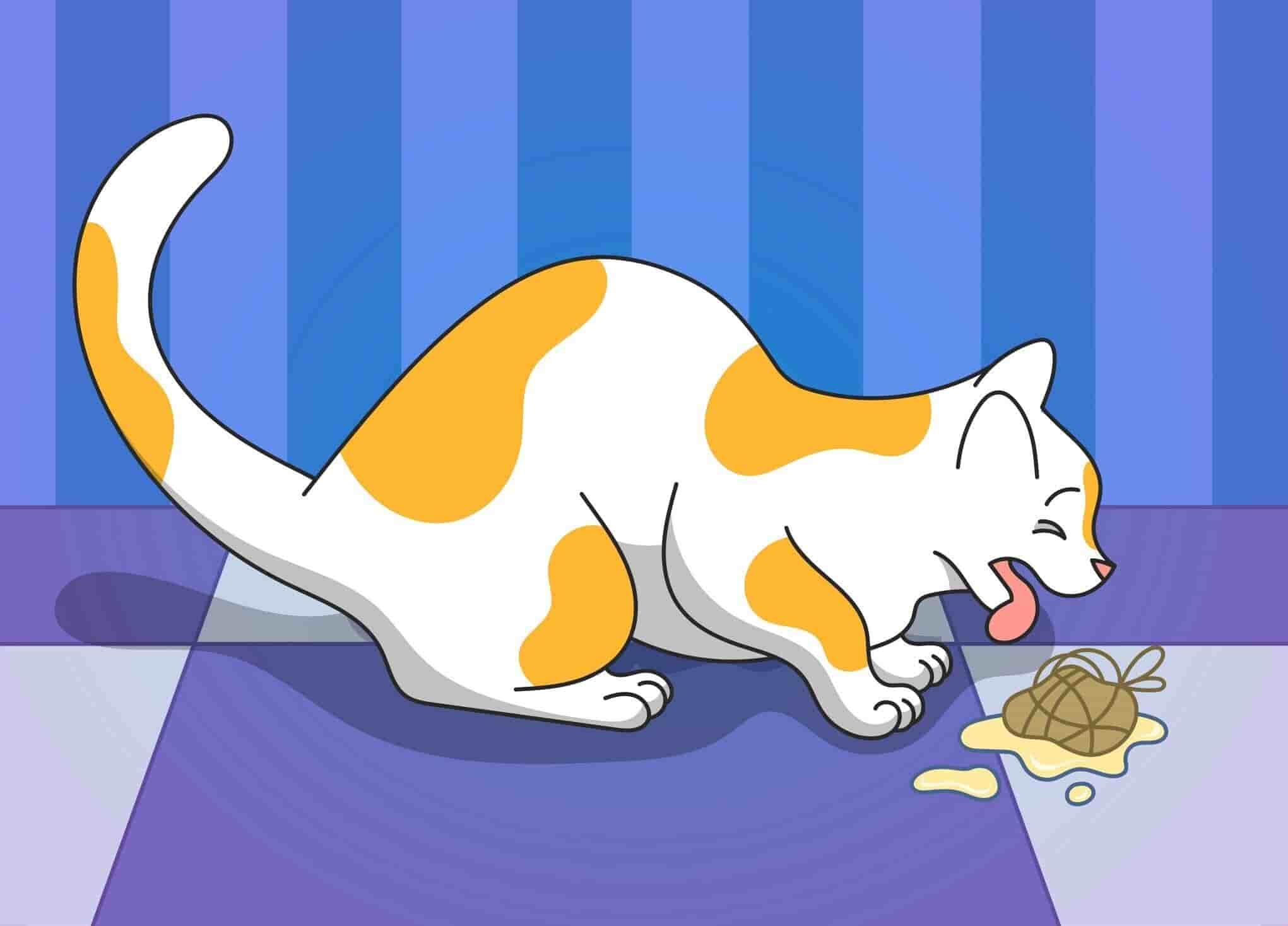
Credit: petcube.com
Over-the-counter Solutions
Over-the-counter solutions offer a practical way to help your cat pass a hairball. These remedies are convenient and can be found at most pet stores. They are designed to ease your cat’s discomfort. Let’s explore two popular options.
Hairball Laxatives
Hairball laxatives can aid your cat’s digestion. They help move the hairball through the digestive tract. Often, they contain fiber to speed up this process. Fiber softens the stool, making it easier to pass. Ensure you choose a product made for cats. Read the instructions carefully for best results.
Lubricant Pastes
Lubricant pastes can reduce friction in the digestive tract. They help the hairball move smoothly. These pastes often contain mineral oil or petroleum jelly. They coat the hairball, easing its passage. Apply a small amount directly to your cat’s paw or mouth. Cats often lick it off, ingesting the product. Make sure to follow the dosage instructions on the package.
When To Visit The Vet
Hairballs are a common issue for cats, but sometimes they need extra help. Knowing when to visit the vet can ensure your cat’s health and comfort. Observe your cat closely for signs of distress or prolonged symptoms.
Signs Of Distress
Is your cat coughing without relief? This could mean a hairball is stuck. Difficulty breathing or repeated gagging are serious signs. Don’t ignore them.
Prolonged Symptoms
Has your cat been struggling for days? Persistent vomiting or lack of appetite are red flags. If your cat is lethargic, it’s time to act.
Expert Opinion
Sometimes, it’s best to consult a vet. They provide expert advice and treatment. Your cat might need medication or a special diet.
Emergency Situations
In rare cases, a hairball can cause blockage. This is a medical emergency. Immediate vet care is crucial to prevent serious complications.
Preventing Future Hairballs
Groom your cat regularly to reduce shedding and prevent hairballs. Provide a balanced diet rich in fiber. Encourage your cat to drink more water to aid digestion. These steps can help your cat pass hairballs more easily and maintain a healthy digestive system.
Preventing hairballs in cats is a crucial aspect of ensuring their health and happiness. While a hairball might seem like a small issue, it can cause discomfort and lead to more severe health problems if not addressed. By taking proactive measures, you can help your furry friend avoid the stress and potential complications associated with hairballs.Regular Check-ups
Regular visits to the vet play a significant role in preventing hairballs. A vet can provide you with valuable insights into your cat’s health and grooming needs. During check-ups, your vet can spot any changes in your cat’s behavior that might indicate a problem with hairballs. Consistent grooming can also be discussed during these visits. A vet might recommend specific brushes or grooming routines that can reduce shedding. This reduces the amount of hair your cat ingests during self-grooming. Don’t wait for signs of discomfort before scheduling a check-up. Regular appointments can help catch problems early, ensuring a healthy and happy pet.Balanced Diet
A balanced diet is essential in minimizing hairball formation. Cats need a diet rich in fiber to help move ingested hair through their digestive system smoothly. Consider foods that are specially formulated to aid in hairball control. Ensure your cat’s food contains all essential nutrients. Proper nutrition supports a healthy coat, reducing excessive shedding. This means fewer hairs for your cat to swallow during grooming. You can also introduce small amounts of fish oil into your cat’s diet. This can improve skin and coat health, further reducing shedding. But always consult your vet before making any dietary changes. Have you ever considered the role your cat’s diet plays in their overall health? Making a few changes can prevent discomfort and keep your cat purring with contentment.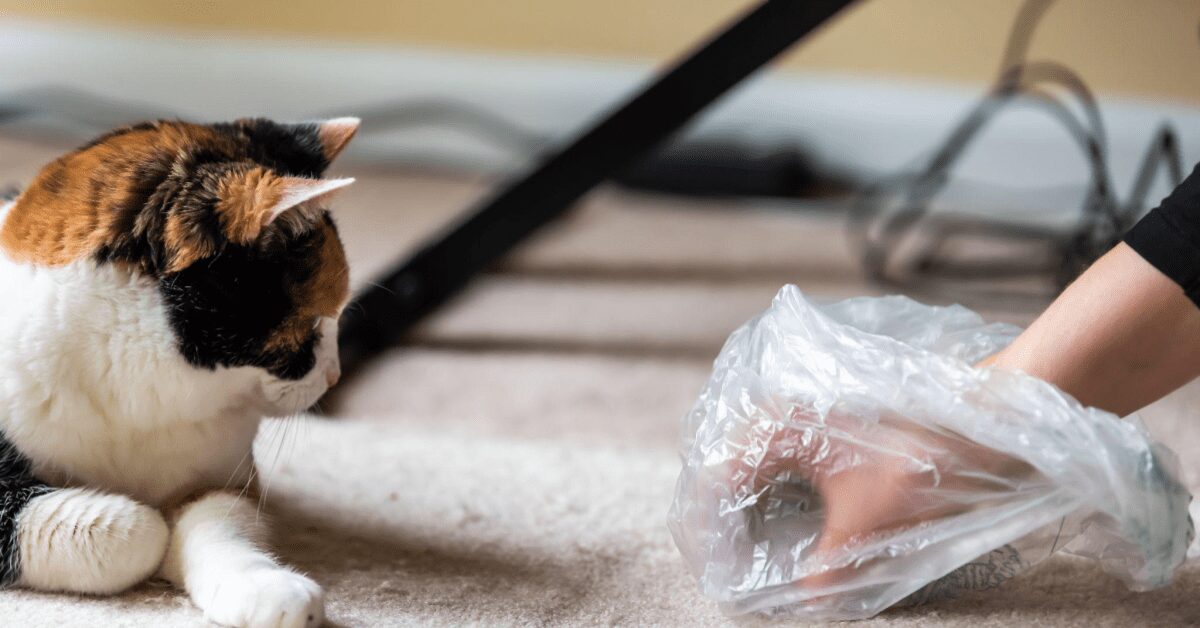
Credit: www.pumpkin.care
Frequently Asked Questions
How Can I Help My Cat With A Stuck Hairball?
To help your cat with a stuck hairball, provide fresh water and encourage grooming. Offer cat grass or a hairball formula cat food. Consult a vet if the problem persists.
What Happens If A Cat Can’t Cough Up A Hairball?
A cat may experience discomfort if it can’t cough up a hairball. Hairballs can cause digestive issues, like constipation or vomiting. If your cat struggles frequently, consult a veterinarian for advice. Regular grooming helps reduce hairballs and keeps your cat healthy.
How Do Cats Pass Hairballs Naturally?
Cats pass hairballs naturally through vomiting. This is the most common method. Regular grooming and a balanced diet can help reduce hairball formation. Ensure your cat has plenty of water and fiber in their diet to aid digestion. If hairballs become frequent, consult your veterinarian for advice.
What Are The Symptoms Of A Hairball In Cats?
Symptoms include coughing, gagging, and retching, often without producing anything. You might also notice decreased appetite or lethargy. If your cat shows these symptoms frequently, a hairball might be the cause. Persistent symptoms require veterinary attention to rule out other health issues.
Conclusion
Helping your cat with hairballs is essential for their health. Regular grooming minimizes hairball issues. Ensure your cat drinks plenty of water. Hydration helps in digestion and reduces hairballs. A balanced diet plays a crucial role too. Consider adding fiber-rich foods to their meals.
Keep your home environment stress-free for your cat. Stress can worsen hairball problems. Visit your vet for professional advice if needed. They can provide specific treatments. With these steps, your cat will feel better. And you’ll enjoy a happier, healthier pet.
Remember, patience and care make a difference. Your furry friend depends on you.