
Have you ever wondered if your cat remembers you after a long separation? Whether you’ve been away on vacation, or your furry friend has been under someone else’s care, the question of recognition is intriguing.
You might be curious about what goes on in your cat’s mind and heart during these times apart. Do they miss you? Do they know it’s you when you return? We’ll delve into the fascinating world of feline psychology and explore how cats perceive and recognize their human companions.
You’ll discover insights backed by science, anecdotes from cat owners, and expert opinions that shed light on this captivating subject. Get ready to unravel the mystery of your cat’s memory and emotional connection with you. As you read on, you’ll find answers that could deepen your bond with your beloved pet.

Credit: www.reddit.com
Cat Memory And Recognition
Understanding how cats recognize their owners is fascinating. Cats have unique memory and recognition abilities. These capabilities impact how they react after separation. Their behavior varies, often influenced by memory. This section explores how cats identify familiar faces and sounds.
Understanding Cat Memory
Cats possess remarkable memory skills. Short-term memory helps them recall recent events. Long-term memory stores information for years. Cats use these memories to recognize owners. They remember interactions, voice patterns, and scents. Memories shape their responses and behavior.
How Cats Recognize Familiar Faces
Cats notice subtle facial cues. They rely on sight and smell for identification. Visual memory allows them to recognize familiar faces. They associate faces with experiences. Cats remember owners through repeated positive encounters.
Role Of Scent In Cat Recognition
Scent plays a crucial role in recognition. Cats have a strong sense of smell. They use scent to identify people and places. Each person has a unique scent. Cats remember these scents and associate them with specific individuals.
Impact Of Sound On Cat Recognition
Sound significantly influences recognition. Cats are sensitive to voice tone and pitch. They can differentiate between voices. Familiar voices trigger memory and recognition. Cats respond positively to the voice of their owners.
Behavioral Signs Of Recognition
Cats show various signs of recognition. They may approach or rub against you. Purring or meowing are common responses. Tail movements and body language convey recognition. Observing these signs helps understand their memory and recognition.
The Bond Between Cats And Owners
Cats often have a strong bond with their owners, and they can recognize them after being separated. Familiar scents and voices help them remember, showing their unique connection and loyalty. This attachment highlights the deep emotional relationship between cats and their human companions.
Cats are often seen as independent creatures, but they can form deep bonds with their owners. This connection is unique and varies from one cat to another. You might wonder if your cat will recognize you after a long separation. The bond between you and your feline friend is more complex than it seems.Understanding Feline Attachment
Cats show their affection in subtle ways, like sitting next to you or following you around. These behaviors indicate a strong attachment. Have you ever noticed your cat running to the door when you return home? This is a sign they recognize you and have missed your presence.The Role Of Scent In Recognition
Cats rely heavily on their sense of smell to recognize familiar people and places. Your scent is comforting to them, like a safety blanket. Consider leaving an item with your scent when you’re away for a prolonged period. It can help ease their anxiety and reinforce your bond even when you’re not physically present.Visual And Auditory Cues
Cats also use sight and sound to identify their owners. They can recognize your voice and footsteps. Next time you’re talking on the phone, notice how your cat reacts. They might perk up or come closer, showing they know it’s you on the other end.Personal Experience With Feline Memory
I once had to leave my cat, Luna, with a friend for several weeks. I worried she would forget me. But when I returned, Luna immediately came to me, purring and rubbing against my legs. This experience made me realize that our bond was much stronger than I had imagined.Strengthening The Bond
You can strengthen your relationship with your cat by spending quality time together. Engage in activities they enjoy, like playing with a favorite toy or simply relaxing together. These moments build trust and reinforce your connection.Do Cats Truly Miss Us?
It’s natural to wonder if your cat misses you when you’re apart. While cats may not express longing like dogs, they do notice your absence. Changes in their behavior, such as increased vocalization or seeking your attention upon return, can indicate they missed you.Practical Tips For Separation
If you need to be away, prepare your cat by gradually increasing time apart. Ensure they have familiar items like toys and blankets. Consider using video calls to maintain a sense of presence. How do you plan to keep your cat comfortable during your absence? Your bond with your cat is special and resilient. With understanding and care, it can withstand separations and grow even stronger.Factors Affecting Recognition
Cats may recognize their owners after separation, relying on scent and voice familiarity. Bond strength influences recognition. Short separations might not affect recognition, while longer ones could challenge their memory.
When you reunite with your cat after a period of separation, you might wonder if they recognize you. Several factors can influence whether your feline friend remembers you. Understanding these can help manage your expectations and strengthen your bond.Duration Of Separation
The length of time you are apart from your cat can impact their ability to recognize you. Cats have a good memory, but prolonged separations might challenge their recall. If you’ve ever returned from a long vacation and your cat seemed distant, it’s possible they needed a moment to remember you. Short separations, like a weekend trip, are less likely to affect recognition. Your cat’s routine isn’t disrupted for too long, making it easier for them to welcome you back. Have you noticed a difference in your cat’s behavior based on how long you’re away?Environmental Changes
Cats are sensitive to their surroundings, and changes can affect their recognition of you. Moving to a new home or rearranging furniture might throw them off. In one instance, after moving apartments, my cat seemed wary until familiar scents were re-established. Keeping some consistency in their environment can help. Ensure their favorite toys and bedding are present to provide comfort. Does your cat act differently in a new environment?Socialization And Interaction
How you interact with your cat plays a significant role in recognition. Regular bonding activities, like playtime or grooming, create a strong relationship. A friend of mine frequently travels for work but uses video calls to maintain a connection with her cat, who responds to her voice even when she’s away. The more positive interactions your cat has with you, the more likely they are to remember you. Consider the quality of time spent together rather than just the quantity. What activities strengthen your bond with your cat the most? Recognizing these factors can help you understand your cat’s behavior better and make the reunion more enjoyable for both of you. What steps can you take to ensure your cat recognizes you after being apart?Scientific Studies On Feline Memory
Have you ever wondered if your cat remembers you after a long separation? You might be surprised to learn that science is keen to unravel the mysteries of feline memory. While cats may seem aloof, researchers have explored the depths of their recognition abilities, shedding light on how these beloved pets perceive their owners.
Various studies have been conducted to understand how feline memory works. Researchers have discovered that cats can remember people, places, and experiences for years. This is possible due to their ability to store and retrieve information, much like humans do.
One study observed cats recognizing their owners’ voices after being separated for extended periods. The cats showed positive reactions, indicating they remembered and associated the voice with their caregivers. This suggests a strong auditory memory.
How Cats Form Memories
Cats rely heavily on their senses to form memories. Their keen sense of smell plays a significant role in recognizing individuals. When you return home, your cat might sniff you before showing signs of recognition. This demonstrates how scent can trigger memory recall.
Visual memory also contributes to recognition. Cats are known for their sharp eyesight, allowing them to identify familiar faces and environments. Observing your cat’s behavior upon your return can reveal how they use these senses to remember you.
Short-term Vs. Long-term Memory
Feline memory is divided into short-term and long-term categories. While short-term memory helps them find food or toys, long-term memory is crucial for recognizing owners. This is why your cat can remember you even if you’ve been away for weeks.
Understanding these memory types might help you improve your relationship with your pet. You can strengthen their long-term memory by maintaining regular interactions and creating positive experiences together.
Enhancing Your Cat’s Memory
Curious about how you can enhance your cat’s memory? Simple daily routines can make a difference. Regular playtime, feeding schedules, and gentle grooming sessions can reinforce their recollection of you.
Consider spending quality time with your cat to build lasting memories. Engaging in activities they enjoy not only strengthens your bond but also aids in memory retention. Have you noticed any specific actions that your cat associates with you?
So next time you reunite with your cat after a trip, pay attention to how they react. You may find that their memory is sharper than you think, and their affection is a testament to their ability to recognize you as their cherished owner.
Signs Of Recognition In Cats
Cats are mysterious creatures, often leaving us puzzled by their behaviors. Many cat owners wonder if their feline friends recognize them after a long separation. Understanding the signs of recognition in cats helps deepen the bond between owner and pet. Cats express their recognition in various subtle ways, making it crucial to know what to look for.
Behavioral Indicators
Cats may exhibit specific behaviors when they recognize their owners. A cat might become more affectionate, rubbing against your legs or following you around the house. This behavior often signals familiarity and comfort. Some cats show excitement by jumping onto their owner’s lap or seeking attention. These actions are strong indicators that a cat recognizes its owner.
Vocal And Physical Responses
Vocal cues play a significant role in a cat’s recognition of its owner. A cat might meow softly or purr when it sees its owner. These vocalizations express happiness and recognition. Physical responses, such as a relaxed body posture or slow blinking, show trust and affection. Cats may also knead with their paws, a comforting behavior linked to recognition.
Tips For Reuniting With Your Cat
Cats often recognize their owners through scent and voice, even after long separations. Patience is key when reuniting. Familiar scents and gentle interactions help rebuild trust and comfort.
Reuniting with your cat after a period of separation can be both exciting and nerve-wracking. You may wonder if your feline friend will remember you and how to ensure a smooth reunion. Here are some practical tips to help you reconnect and rebuild that special bond with your cat.Creating A Familiar Environment
Set up your home with items that your cat associates with comfort. Place their favorite blanket, toys, or a piece of your clothing in their space. Familiar scents can trigger memories and help your cat feel more at ease. Consider using a pheromone diffuser. These devices release calming scents that mimic the pheromones cats naturally emit. They can help reduce stress and anxiety, making your cat more receptive to the reunion.Positive Reinforcement And Patience
Offer treats and praise to encourage your cat’s positive behaviors. When they come to you or respond well, reward them immediately. This strengthens your bond and reassures them. Be patient and give your cat space if they seem hesitant. Every cat is different, and some may take longer to adjust. Remember, your patience will build trust and comfort over time. Has your cat ever surprised you with how quickly they adapt? Or maybe they’ve been a bit more stubborn? Share your experiences and tips with others who might be going through the same journey.Common Misconceptions
Cats are fascinating creatures. Their behaviors often lead to misunderstandings. Many people wonder if cats recognize their owners after separation. Some believe that cats forget their humans quickly. Others think cats don’t form strong bonds. These ideas stem from common misconceptions.
Cats Have Short Memories
Many assume cats have short-term memory. This is not true. Cats remember people and places for years. They associate scents, sounds, and routines with their owners. This helps them recognize familiar faces.
Cats Are Not Affectionate
Some think cats aren’t affectionate. Cats show love differently than dogs. They might not jump and lick. But they rub against you, purr, or follow you. These are signs of affection and recognition. Cats express love in their own unique way.
Cats Only Care About Food
A common myth is that cats only care about food. Cats enjoy their meals, but they crave companionship too. They form bonds with their humans. Cats often seek comfort from their owners. This connection shows they recognize and care for their owners.
Cats Are Independent And Aloof
Cats are often labeled as independent. Yet, they can be social and affectionate. Cats form attachments to their environment and people. They may not show it outwardly. But they feel the absence of their owners. Cats are more loving than many realize.
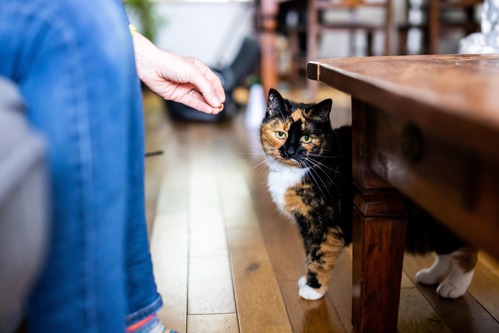
Credit: www.cats.org.uk
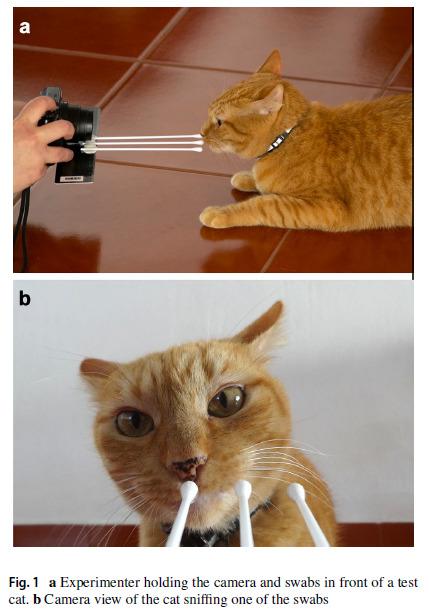
Credit: whatyourcatwants.com
Frequently Asked Questions
Do Cats Remember Their Owners After A Long Separation?
Cats can remember their owners after a long separation. They recognize familiar faces and scents. Emotional bonds with owners help reinforce their memory. Each cat’s memory capacity can vary, but strong connections often lead to lasting memories. Familiar routines and scents aid in recognition.
Do Cats Get Sad When Separated From Their Owner?
Cats can feel sad when separated from their owners. They may show signs of distress or anxiety. Offering familiar items and maintaining a routine can help. Cats often form strong bonds, and separation can impact their emotional well-being. Attention and affection can ease their sadness during such times.
What Is The 3-3-3 Rule For Cats?
The 3-3-3 rule for cats is a guideline for their adjustment: 3 days feeling overwhelmed, 3 weeks settling in, and 3 months fully comfortable in a new home. This helps cat owners understand their pet’s transition period and promote a smoother integration into the family.
Do Cats Know Their Owners Will Return?
Cats recognize routines and familiar cues, sensing when owners return home. They associate specific sounds or times with your arrival. While cats may not fully understand absence, they often anticipate their owner’s return, showing excitement or attention. Their behavior reflects a bond and understanding of daily patterns.
Conclusion
Cats do remember people they love. Time apart doesn’t erase those memories. They recognize familiar voices and scents. Trust and bond play a huge role. Separation affects cats differently. Some may show excitement on reunion. Others might act shy or distant.
Patience helps rebuild bonds. Love and care matter most. Every cat is unique. Each has its own way of showing affection. Observing their behavior can guide interactions. Understanding cat emotions deepens the relationship. Cats may surprise you with their loyalty.
Always cherish the moments together. It strengthens the special bond shared.