
Have you ever been puzzled by your cat’s sudden aggressive behavior? One moment, they’re purring contentedly on your lap; the next, they’re swatting at you with claws bared.
Understanding why cats become aggressive is crucial for nurturing a peaceful bond with your feline friend. This article will reveal the surprising triggers behind your cat’s aggression and offer simple solutions to help you restore harmony in your home. You’ll discover the hidden signals your cat sends and learn how to respond effectively, ensuring both you and your pet feel safe and understood.
Don’t let aggression ruin your special bond—dive in and uncover the secrets to a happier, calmer kitty.
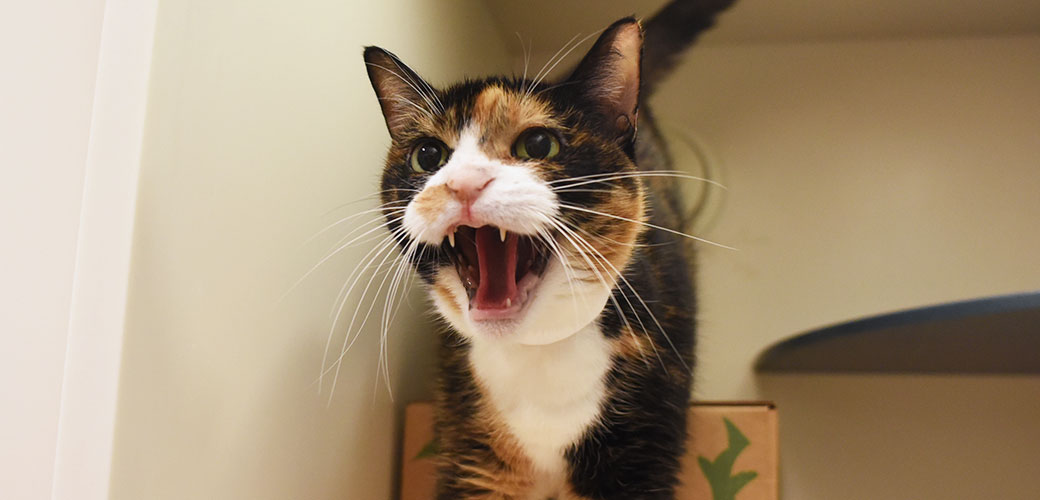
Credit: www.aspca.org
Common Triggers
Cats may become aggressive due to fear, territorial disputes, or pain. New environments and unfamiliar animals can also trigger aggression. Understanding these triggers helps in managing feline behavior effectively.
Cats are fascinating creatures with complex behaviors. One moment they’re purring contentedly, and the next, they might lash out. Understanding why cats become aggressive can help you manage their behavior and ensure a harmonious relationship. Let’s explore some common triggers that might be causing your feline friend to act out.Territorial Instincts
Cats are naturally territorial animals. When they sense their space is threatened, they might become aggressive. Imagine a new pet entering your home. Your cat might view this as a direct challenge to their domain. They could respond with hissing or even swatting. Creating a safe space for your cat can help ease their territorial tension. Have you ever noticed how your cat prefers certain spots in the house? That’s their territory. Respecting these areas can significantly reduce aggression.Fear And Anxiety
Just like humans, cats can experience fear and anxiety. Loud noises, unfamiliar environments, or sudden changes in routine can trigger these feelings. Have you ever moved to a new home and noticed your cat acting out? The unfamiliar surroundings might be causing anxiety. This can lead to aggressive behavior as your cat tries to cope. Recognizing what scares your cat can be crucial. Maybe it’s the vacuum cleaner or a new person in the house. Identifying these triggers can help you manage them better.Pain And Illness
Cats might not always show when they’re in pain or sick. Aggression could be their way of signaling discomfort. If your cat suddenly becomes aggressive, consider their health. Perhaps they have an injury or an underlying illness causing distress. Regular vet visits can help identify any health issues early. Have you ever noticed your cat avoiding being touched in certain areas? That could be a sign of pain. Addressing these issues can alleviate aggression. Understanding these triggers is key to fostering a peaceful environment for you and your cat. What steps can you take today to address these common triggers?
Credit: www.animalfriends.co.uk
Types Of Aggression
Cats may show aggression due to fear, territorial disputes, or pain. Stress can also lead to hostile behavior. Understanding the triggers helps in managing their reactions effectively.
Understanding why cats become aggressive can help you manage your feline friend’s behavior better. Cats exhibit different types of aggression, each triggered by various situations or stimuli. Recognizing these types can help you tailor your approach and prevent unwelcome incidents.Play Aggression
Play aggression is common in younger cats. It’s their way of mimicking hunting behaviors, which are instinctual. You might notice your cat pouncing or biting during playtime. These actions are often due to a lack of appropriate toys or insufficient playtime. To manage this, provide your cat with plenty of toys and interactive play sessions. This will help satisfy their natural instincts and reduce aggressive behavior.Redirected Aggression
Redirected aggression occurs when a cat is agitated by something they can’t reach, like a bird outside a window. Unable to release their energy on the source, they might turn on the nearest person or animal. This type of aggression can be surprising, but it’s important to remember that your cat isn’t angry at you personally. To handle this, try to remove the frustrating stimulus or distract your cat with a toy. This can help channel their energy elsewhere.Maternal Aggression
Maternal aggression is observed in mother cats protecting their kittens. It’s an instinctive behavior to keep their young safe from perceived threats. If you approach a cat with kittens, you may notice her becoming more defensive. Respect her space and allow her to feel secure in her environment. Providing a quiet and safe area for the mother and her kittens can reduce this type of aggression. Have you ever faced any of these types of aggression with your cat? Understanding the cause can make a world of difference. With patience and the right strategies, you can create a peaceful environment for both you and your cat.Recognizing Warning Signs
Cats can become aggressive for various reasons. Understanding their warning signs helps in preventing potential issues. This section explores body language cues and vocal indicators that signal aggression in cats.
Body Language Cues
Pay attention to your cat’s posture. A cat with an arched back and puffed fur might be agitated. Watch for stiff movements or a twitching tail. These are signs your cat is feeling threatened. Eyes can reveal aggression too. Dilated pupils often indicate heightened emotions. Flattened ears are another signal. Cats flatten ears when they feel defensive.
Vocal Indicators
Cats use sounds to communicate their feelings. A growl or hiss usually means they are angry or scared. Sometimes, a loud yowl can be a warning. Purring is not always a sign of contentment. It may indicate distress in certain situations. Listen to the tone and volume of their meows. Sudden loud meowing can suggest discomfort.
Prevention Strategies
Cats are known for their mysterious ways and sudden mood swings. Aggression in cats can often puzzle their owners. Understanding prevention strategies can help manage and reduce aggressive behaviors. This section explores methods to create a peaceful environment for your feline friend.
Environmental Enrichment
Providing a stimulating environment reduces stress and aggression in cats. Interactive toys keep them engaged and happy. Scratching posts satisfy their natural instincts. Cats love high places, so offer shelves or cat trees. Windows with views can entertain them for hours. Rotate toys to maintain their interest.
Socialization Techniques
Socializing kittens early prevents aggressive tendencies. Introduce them to different people and pets. Short, positive interactions build trust and confidence. Adult cats benefit from gentle, gradual socialization. Use treats and praise to encourage friendly behavior. Never force interactions; let your cat set the pace.
Managing Aggressive Behavior
Cats may become aggressive due to fear or stress. Sudden changes in environment or routine can trigger this behavior. Understanding their body language and providing a calm space helps manage aggression effectively.
Managing aggressive behavior in cats can be a daunting task, but with the right approach, you can create a harmonious environment for both you and your feline friend. Cats, like humans, have emotions that can sometimes lead to aggressive actions. Understanding and addressing these behaviors requires patience and a strategic plan. Through behavioral modification and veterinary interventions, you can help your cat feel more secure and less prone to aggression.Behavioral Modification
Behavioral modification is a crucial step in managing your cat’s aggression. Start by identifying the triggers that lead to aggressive behavior. Is it a particular noise, a specific person, or other pets in the household? Once you know the triggers, create a safe space for your cat where they can retreat when they feel stressed. Use positive reinforcement to encourage good behavior. Reward your cat with treats or affection when they remain calm in situations that usually provoke aggression. Remember the time you were frustrated with a task at work? Your cat might be feeling the same way in a different context. Be patient and consistent. Your cat needs time to adjust, and your efforts will eventually pay off.Veterinary Interventions
Sometimes, aggressive behavior has a medical basis. If your cat’s aggression seems sudden or severe, it’s wise to consult a veterinarian. They can rule out health issues like pain or hormonal imbalances that might be contributing to your cat’s behavior. A vet can also offer advice on calming products, like pheromone diffusers, which can help reduce stress. Think of these tools as aids, much like how you might use a stress ball to manage your anxiety. In some cases, medication might be necessary. A vet will discuss the best options for your cat, considering their specific needs and overall health. Have you ever considered how medication helps people with anxiety? It can have a similar effect on cats, helping them manage their emotions more effectively. By actively engaging in these strategies, you’re taking significant steps toward a peaceful coexistence with your feline companion. What changes will you make to help your cat feel more secure today?:strip_icc()/stop-cat-to-cat-aggression-553883_FINAL-9219797dcbad4c4f99fa4f2c41187c7f.jpg)
Credit: www.thesprucepets.com
When To Seek Professional Help
Understanding a cat’s aggression can be challenging. Sometimes, the behavior escalates beyond simple fixes. It’s crucial to recognize when professional help is needed. Seeking guidance early can prevent further issues. Unresolved aggression might pose risks to both cats and humans. Timely intervention ensures a peaceful environment. Let’s explore signs indicating the need for expert help.
Signs Of Severe Aggression
Severe aggression isn’t just hissing or scratching. Watch for persistent biting or swatting. Aggressive behavior that disrupts daily life is concerning. Cats displaying fear or stress may become aggressive. Sudden changes in behavior often signal underlying issues. Consistent aggression towards other pets or humans is serious. It’s crucial to identify these signs early.
Consulting A Feline Behaviorist
Feline behaviorists specialize in cat behavior. They offer insights into complex issues. A behaviorist can identify triggers for aggression. They provide tailored strategies to address the problem. Professional guidance can improve a cat’s quality of life. Behaviorists often work with veterinarians for comprehensive care. Seeking expert advice ensures the best outcome for your cat.
Frequently Asked Questions
Why Is My Cat So Aggressive All Of A Sudden?
Your cat’s sudden aggression may be due to pain, illness, stress, or environmental changes. Consult a vet to rule out medical issues. Ensure a stable environment and provide enrichment toys to reduce stress. If needed, seek advice from a feline behaviorist for further guidance.
How Do I Stop My Cat’s Aggression?
Identify triggers and create a calm environment. Use positive reinforcement to reward good behavior. Provide mental and physical stimulation with toys and activities. Consult a veterinarian for underlying health issues. Consider professional training if aggression persists.
Why Is My Cat So Angry For No Reason?
Cats may seem angry due to stress, health issues, or environmental changes. Monitor for signs of discomfort or illness. Provide a calm environment, routine, and consult a vet if behavior persists. Understanding your cat’s triggers helps address their mood effectively.
Do Cats Get More Aggressive As They Age?
Cats may become more aggressive as they age due to health issues or changes in environment. Regular vet visits can help identify underlying problems. Ensuring a comfortable living space and maintaining routine can reduce stress. Older cats might need more patience and understanding from their owners.
Conclusion
Cats show aggression for many reasons. Stress, fear, or territorial instincts. Identifying triggers can help manage their behavior better. Spend time observing your cat. Create a peaceful environment. Use positive reinforcement to encourage calmness. Consult a vet if needed. Understanding your cat’s needs is key.
Every cat is unique, so be patient. Building trust takes time. Your effort can lead to a happier pet. With love and care, aggression can reduce. A harmonious home awaits. Enjoy a peaceful life with your furry friend.