
Have you ever noticed your cat acting differently? Maybe they’re hiding more often or seem less playful.
It’s possible your furry friend is feeling stressed. Just like humans, cats can experience stress, and it can affect their health and happiness. Understanding why your cat is stressed is crucial for ensuring their well-being. You might be surprised to learn that common household changes or new routines can be the culprits.
By identifying these stressors, you can help your cat feel more comfortable and content. Stick around to discover practical tips and insights that could transform your cat’s life—and yours too. Let’s delve into the world of feline emotions and uncover what might be troubling your beloved pet.
Credit: keysivet.com.au
Signs Of Stress In Cats
Cats, like humans, experience stress. Recognizing signs of stress is crucial. Early detection can prevent serious health problems. Understanding these signs helps you care better for your pet.
Behavioral Changes
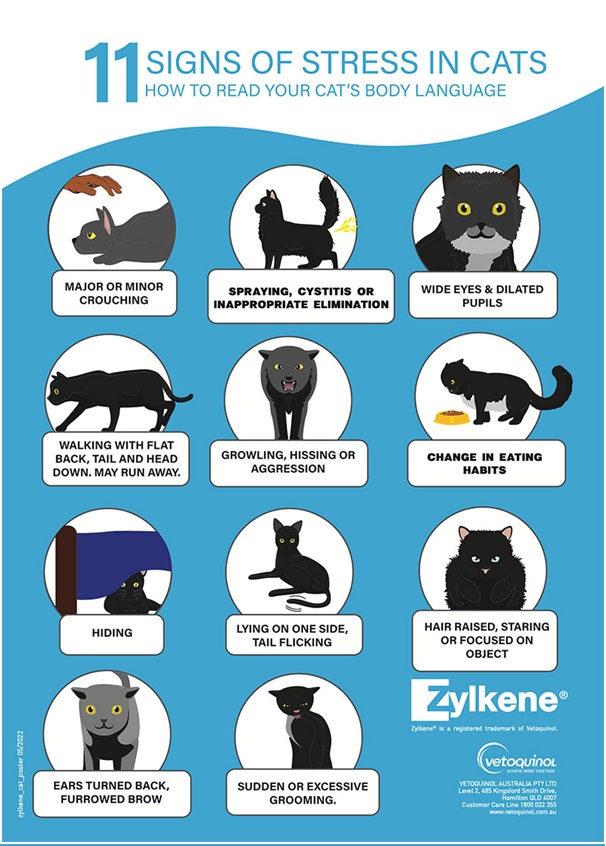
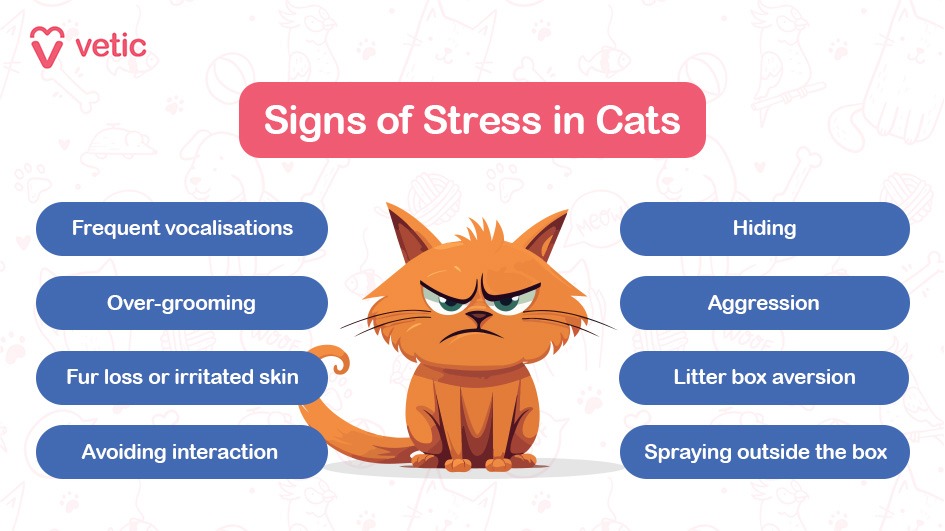
Watch for changes in behavior. A stressed cat may hide more often. It might avoid interaction or playtime. Increased aggression is another sign. Your cat may scratch furniture excessively. Changes in eating habits indicate stress. Eating less or more can be a warning. Litter box habits might change. Missing the box or using it less often can be concerning. Grooming habits may alter. Over-grooming or not grooming at all are key indicators.
Physical Symptoms
Stress can lead to physical symptoms. Hair loss is common in stressed cats. They might develop bald spots. Weight changes are another symptom. Sudden weight loss or gain can signal stress. Digestive issues are possible. Vomiting or diarrhea can occur frequently. Respiratory problems may appear. Wheezing or coughing can be stress-related. Increased sleep or lethargy might indicate stress. Monitor energy levels closely. Physical symptoms need attention from a vet.
Common Stress Triggers
Cats often feel stressed due to changes in their environment. New furniture or unfamiliar noises can upset them. A lack of routine or attention might also make them uneasy.
Cats, like humans, experience stress from various triggers. Understanding these can help you create a calming environment for your feline friend. Stress in cats often stems from changes in their surroundings or routine. These changes can lead to behavioral shifts and health issues. Recognizing common stress triggers is crucial for your cat’s well-being.Environmental Factors
Cats are creatures of habit. Sudden changes in their environment can stress them. Loud noises, like thunderstorms or fireworks, can be frightening. A move to a new home can also cause anxiety. Even rearranging furniture may unsettle your cat. Ensure your cat has a quiet, safe space to retreat.Social Interactions
Cats are social, yet they need their space. Overcrowding or lack of personal space can be stressful. Introducing a new pet can also cause tension. Cats might feel threatened or insecure. Monitor interactions and provide separate spaces if needed.Health Issues
Undiagnosed health problems often stress cats. Pain or discomfort can lead to behavioral changes. Regular vet check-ups are essential. Look for signs like changes in appetite or grooming habits. Early detection helps in managing stress-related health issues.Environmental Stressors
Environmental stressors can significantly impact your cat’s mental well-being. These factors may lead to anxiety or stress in your furry friend. Understanding what causes stress can help you create a more comfortable environment for your cat. Let’s explore some common environmental stressors that might be affecting your cat.
Loud Noises
Cats have sensitive hearing. Loud noises can be overwhelming for them. Thunderstorms, fireworks, or loud music can trigger stress. Keep an eye on your cat’s reactions during such events. Providing a quiet space can help soothe your cat.
Changes In Routine
Cats thrive on routine. Any changes can unsettle them. Moving to a new home or changing feeding times can cause stress. Keep routines consistent to help your cat feel secure. Gradual adjustments work best.
Lack Of Safe Spaces
Cats need a safe haven. A place to retreat when they feel threatened. Without safe spaces, stress levels rise. Ensure your cat has access to quiet, cozy spots. A comfortable bed or hidden nook can offer relief.
Social Stressors
Cats, like humans, experience stress from social interactions. Social stressors can significantly impact a cat’s mental well-being. Understanding these stressors is crucial to maintaining your cat’s health and happiness.
Introduction Of New Pets
Bringing a new pet into the home can unsettle your cat. Cats are territorial creatures. A new pet may threaten their space. Observe your cat’s behavior closely. Signs of stress include hiding or aggressive actions. Gradual introductions help ease this transition. Use separate spaces for each pet initially. Allow your cat to adjust at its own pace.
Changes In Family Dynamics
Family changes can confuse your cat. A new baby or houseguest might disrupt their routine. Cats thrive on predictability. Sudden changes cause anxiety. Keep your cat’s routine stable. Provide familiar comforts to reassure them. Extra attention and playtime can help soothe their nerves.
Isolation
Cats are social animals, despite their independent nature. Isolation leads to boredom and stress. Ensure your cat has interaction daily. Provide toys and activities to stimulate them. Create a cozy space for your cat. This offers security and comfort. Regular human interaction is vital for their emotional health.
Health-related Stressors
Understanding your cat’s stress is crucial. Health-related stressors often trigger anxiety in cats. Identifying these stressors helps improve their well-being.
Pain Or Discomfort
Pain is a major stress factor for cats. They may not show obvious signs. Watch for changes in behavior. Limping or avoiding movement could signal pain. A trip to the vet might be necessary.
Chronic Illness
Chronic illness can wear down a cat’s spirit. Diabetes or arthritis may cause ongoing distress. Regular check-ups keep tabs on your cat’s health. Medication or special treatments might be needed.
Dietary Issues
Food plays a role in stress. Allergies or intolerance can upset your cat’s tummy. Choose a diet suited for your cat’s needs. Consult with a vet for dietary advice.

Credit: www.banfield.com
Psychological Stress Factors
Cats experience stress due to various psychological factors. Understanding these can help address their needs. Stress can arise from fear, past trauma, or boredom. Identifying these causes is key to a happy cat.
Fear And Anxiety
Cats may fear new environments or unfamiliar people. Loud noises can also trigger anxiety. Changes in routine upset them, causing stress. A scared cat will hide or become aggressive. Recognizing these signs is crucial.
Past Trauma
Previous negative experiences affect a cat’s well-being. Abuse or neglect in the past leaves lasting scars. These traumas manifest in stress or anxiety. Providing a safe environment helps build trust. Patience is needed to reassure them.
Lack Of Mental Stimulation
Boredom in cats leads to stress and destructive behavior. They need mental challenges to stay engaged. Toys, puzzles, and interactive play offer stimulation. Without these, a cat may become restless or anxious. Keeping their mind active is essential.
Identifying Unique Triggers
Cats can get stressed from unique triggers like loud noises or changes in their routine. Recognizing these stressors helps in creating a calm environment, ensuring your furry friend stays happy and relaxed. Understanding your cat’s behavior is key to identifying what might be causing their anxiety.
Identifying the unique triggers for your cat’s stress can be a game-changer in ensuring their well-being. Cats, much like humans, can be sensitive to their surroundings, and what seems insignificant to us might be a big deal for them. Understanding these stressors can help you create a more harmonious environment for your feline friend.Observing Behavioral Patterns
Start by closely observing your cat’s behavior. Notice any changes in their eating habits, sleeping patterns, or litter box use. A cat that suddenly hides or becomes unusually aggressive may be signaling distress. Pay attention to their body language. Are their ears flattened or tail puffed up? These are signs of anxiety. Recording these observations can help you pinpoint specific triggers.Consulting A Veterinarian
If you’re unsure about your cat’s stress signals, consulting a veterinarian is a wise step. They can rule out any underlying health issues that might be causing stress. A professional opinion can provide clarity and peace of mind. Discuss your observations with the vet. They may suggest dietary changes or stress-relief products tailored to your cat’s needs. This collaborative approach can be beneficial in understanding and addressing stress.Using Stress-tracking Tools
Consider using stress-tracking tools to monitor your cat’s behavior over time. These tools can range from simple apps to more advanced devices that track activity levels. They offer insights into patterns you might overlook. Keep a stress diary. Log instances of unusual behavior and possible triggers. This can be a valuable resource when discussing your concerns with a vet or pet behaviorist. Identifying your cat’s unique stress triggers requires patience and keen observation. Have you noticed any patterns in your cat’s behavior that seem linked to certain events or changes in their environment? Understanding these nuances can make a significant difference in their quality of life.Stress Management Techniques
Stress can affect cats just like humans. Recognizing stress in cats is crucial. Managing stress can lead to a healthier and happier pet. There are several effective techniques to help your feline friend. These methods focus on creating a stable and nurturing environment.
Creating A Safe Environment
Cats need a safe space to feel secure. Create a quiet area away from noise. Provide a cozy bed or blanket for comfort. Make sure the room is free from potential threats. Keep the litter box clean and accessible. A tidy space can reduce stress levels significantly.
Enhancing Social Interaction
Social interaction is vital for a cat’s well-being. Spend quality time playing with your cat daily. Use toys that encourage hunting instincts. Interactive play can divert their mind from stress. Allow your cat to approach you on their terms. Never force interaction.
Improving Health And Nutrition
A balanced diet can improve a cat’s mood. Ensure your cat gets the right nutrients. Consult with a vet for dietary advice. Regular health check-ups are also important. Vaccinations and flea treatments should be up-to-date. A healthy cat is often a happier one.
Preventive Measures
Understanding why your cat is stressed can be challenging. Cats express stress differently than humans. Identifying stress early can prevent health issues. There are various measures to keep your cat calm and happy.
Regular Health Check-ups
Regular visits to the vet are crucial. A vet can spot health issues early. Health problems often cause stress in cats. Frequent check-ups ensure your cat stays healthy. This reduces potential stressors.
Consistent Routine
Cats thrive on routine. A consistent daily schedule comforts them. Keep feeding and play times the same. Sudden changes can upset your cat. Predictability makes them feel secure.
Stress Reduction Products
Various products can help reduce stress. Calming sprays and diffusers soothe anxious cats. Special toys can distract a stressed cat. Consult your vet for recommendations. These products can improve your cat’s well-being.
Credit: vetic.in
Frequently Asked Questions
How To Deal With A Stressed Cat?
Create a calm environment for your cat. Use soothing music and soft lighting. Offer favorite toys and scratching posts. Provide hiding spots to feel secure. Spend time playing and petting gently. Consider pheromone diffusers for added relaxation. Consult a vet for persistent stress issues.
How Do You Tell If A Cat Is Stressed?
A stressed cat may show signs like hiding, excessive grooming, aggression, or changes in appetite and litter habits. Look for unusual vocalizations or body posture. Monitor for any sudden behavioral changes to identify stress in your cat.
What Is The 3-3-3 Rule For Cats?
The 3-3-3 rule for cats helps them adapt to new homes. Cats need 3 days to decompress, 3 weeks to learn routines, and 3 months to feel at home. This timeline guides owners in understanding their pet’s adjustment process. Patience and consistency aid in a smoother transition.
What Does Anxiety Look Like In A Cat?
Anxiety in cats can appear as excessive grooming, hiding, aggression, or changes in appetite. Cats might also urinate outside the litter box or become overly vocal. Recognizing these signs early can help address their anxiety effectively.
Conclusion
Understanding your cat’s stress is key. Cats communicate stress differently. Subtle signs often go unnoticed. Watch behavior closely. Address the causes. A calm environment helps. Toys can distract and comfort. Your love reassures them. Regular vet visits ensure health. Each cat needs unique care.
Patience is essential. Stress can be managed. You are your cat’s best ally. Keep learning and observing. Your efforts nurture a happy cat. Prioritize their well-being always. A stress-free cat means a happier home.