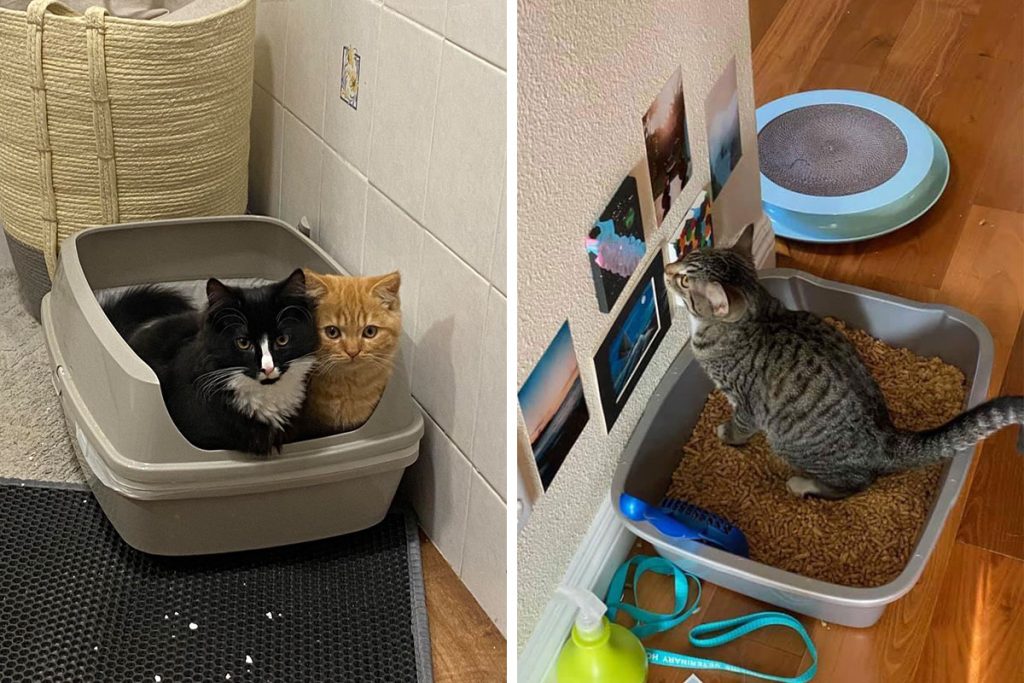
Have you ever marveled at how your cat just seems to know how to use a litter box? It’s one of those feline mysteries that feels almost magical.
You bring a kitten home, and somehow, instinct kicks in, and they head straight for the litter. But what’s behind this seemingly innate behavior? Understanding it can deepen your bond with your furry friend and make caring for them a breeze.
Get ready to uncover the secrets behind this fascinating feline ability. By the end of this article, you’ll not only know how cats instinctively head to the litter box, but you’ll also discover tips to make this process even smoother for you and your pet. Curious? Let’s dive in.
Credit: www.rd.com
Origins Of Litter Box Behavior
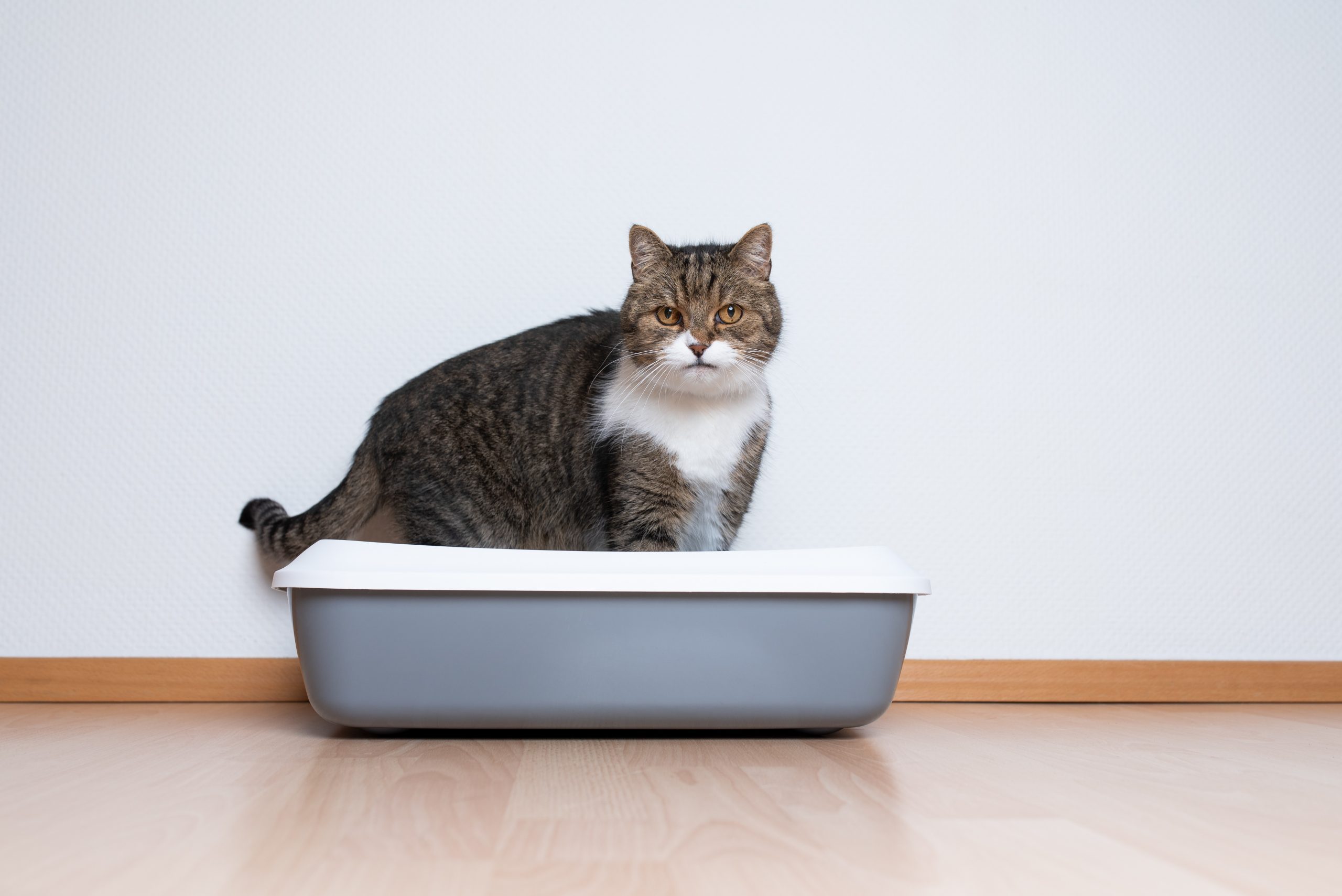
Cats instinctively use litter boxes due to their natural digging and burying behaviors. This behavior helps them cover their scent from predators. Domestication has reinforced this instinct, making litter box training surprisingly easy for most cats.
Cats have long fascinated us with their mysterious and independent ways. One intriguing behavior is their natural inclination to use a litter box. While it may seem like magic, there’s a fascinating history behind this behavior. Understanding the origins of litter box behavior can deepen your appreciation for your feline friend and perhaps even strengthen your bond.Natural Instincts In The Wild
In the wild, cats have an instinctive need to bury their waste. This behavior serves a practical purpose: it helps them avoid detection by predators and rivals. By covering their tracks, they can roam more safely and maintain their territory. Imagine a wild cat in the forest. It seeks out soft, malleable soil to dig a small hole for its waste. Afterward, it uses its paws to cover it up, leaving no trace. When your house cat uses a litter box, it’s tapping into these same instincts. Do you ever notice your cat scratching around the litter box even when it’s already clean? This action is a nod to their natural heritage. They’re ensuring everything is just right, just like their wild ancestors did.Evolutionary Traits Passed Down
Over generations, the domestic cat has retained many of its wild ancestors’ traits. These evolutionary traits are passed down through genetics, shaping their behavior today. The litter box is simply a modern adaptation of their ancient habits. Cats have a remarkable ability to learn from their environment and fellow felines. Kittens often observe their mothers using a designated spot for waste. This learning process helps reinforce their natural instincts, making litter training a breeze. Consider the times you’ve seen your cat using the litter box perfectly without any guidance. It’s a testament to their evolutionary wisdom. By understanding these traits, you can create a more cat-friendly environment that caters to their intrinsic needs. So next time you see your cat using the litter box, remember they’re not just being tidy. They’re honoring a legacy of survival and adaptation. Have you ever wondered how much of your cat’s behavior is influenced by nature versus nurture? The origins of their litter box habits offer a fascinating glimpse into that balance.
Credit: resources.sdhumane.org
Role Of Scent And Territory
Cats have an innate understanding of their environment. This instinct helps them use the litter box. The role of scent and territory plays a crucial part. Cats rely on these instincts to navigate their world.
Understanding Feline Scent Marking
Cats have scent glands in various parts of their bodies. They use these glands to mark their territory. Scent marking acts as a form of communication. It helps cats convey messages to other cats. The litter box holds its own scent, familiar to the cat. This scent guides them to the right spot for elimination. Cats prefer areas that smell like them.
Territorial Behavior In Cats
Cats are naturally territorial creatures. They establish boundaries in their environment. The litter box becomes part of their territory. A designated area for their needs. This sense of ownership reassures the cat. It gives them a safe and private place. Secure in their domain, they feel comfortable using the litter.
Learning From Mother Cat
Have you ever wondered how cats instinctively know to use the litter box? It’s fascinating how these furry creatures seem to have it all figured out from a young age. A significant part of this behavior comes from learning from their mother cat. Let’s dive into how observational learning and a mother’s influence shape a kitten’s litter habits.
Observational Learning
Picture a curious kitten watching its mother’s every move. The mother cat doesn’t hold formal classes, but her actions speak volumes. Kittens learn by observing her use the litter box. They see the process and absorb it like little sponges.
Do you remember your first pet cat? Perhaps you noticed how they carefully followed their mother around, mimicking her actions. This observational learning is crucial. You might be surprised how quickly a kitten picks up these habits. It’s like they have a built-in tutorial, guiding them through the steps.
Mother’s Influence On Habits
A mother cat sets the stage for her kittens by showing them the ropes. Her habits become their blueprint. If she uses the litter box properly, her kittens are likely to follow suit. Her influence is strong, and her good habits are contagious.
When you bring a new kitten home, think about their early experiences with their mother. Was she diligent in her litter box use? If yes, there’s a good chance your kitten will replicate those behaviors. It’s impressive how a mother cat’s routine molds her kittens’ habits.
So, how can you ensure your kitten keeps up these good practices? Consider the environment you provide. Is it similar to what they observed with their mother? By aligning your setup with their early experiences, you reinforce positive behavior.
Next time you watch your cat head to the litter box, remember the lessons learned from their mother. It’s an incredible cycle of learning that starts from the very beginning. Do you think this insight could help in understanding other pet behaviors? Share your thoughts! Your experiences might offer a new perspective on pet training.
Credit: c-istudios.com
Human Influence And Training
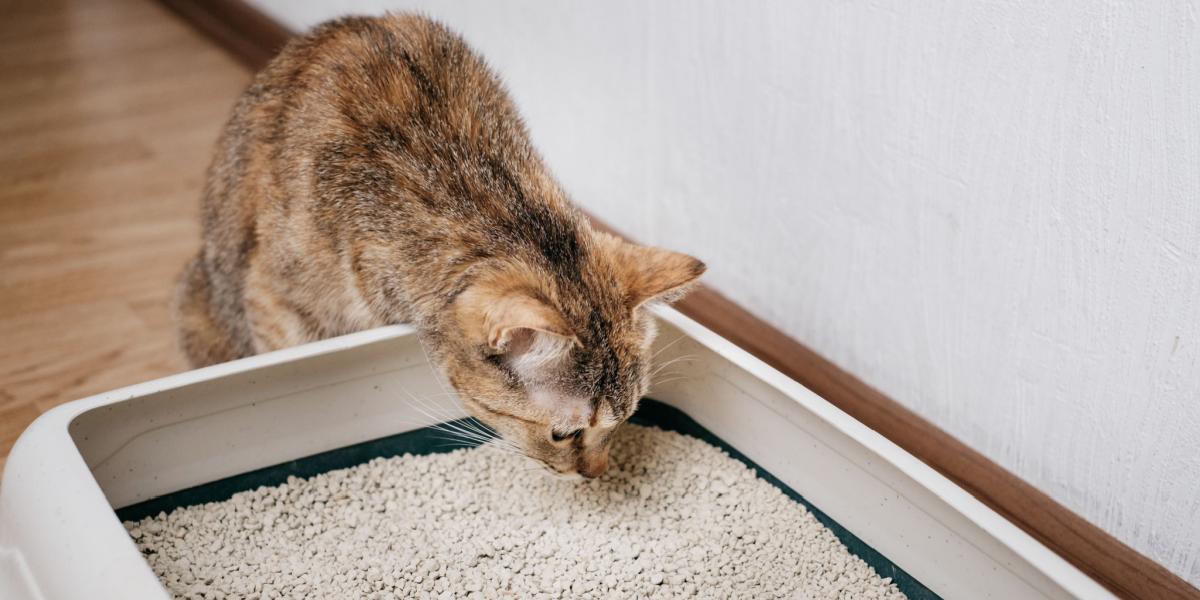
Cats often learn to use litter boxes through observation and instinct. Human guidance also plays a role in reinforcing this behavior. Training involves placing cats in the litter box and rewarding them after use.
Cats are fascinating creatures, and their ability to use a litter box is a skill honed through human influence and training. You might wonder how a kitten instinctively knows where to go, but often it’s a mix of natural behavior and some nudging from their human friends. Let’s dive into how you can guide your furry companion to master this essential habit.Early Training Techniques
Starting early is key. When a kitten arrives at your home, place them in the litter box a few times a day, especially after meals and naps. This helps them associate the box with their bathroom needs. Keep the box in a quiet, accessible location. Cats prefer privacy, just like you! Make sure it’s easy for them to find and access, reinforcing their habit of using it.Positive Reinforcement Methods
Cats respond well to positive reinforcement. Praise your kitten with a gentle voice or a pet when they use the litter box. You can even offer a small treat to reinforce the behavior. Avoid punishment if accidents happen. Instead, guide them back to the box and clean up the mess quickly. Cats dislike dirty environments and will learn from your cues. Think about it: if you were trying to learn a new skill, wouldn’t you prefer encouragement over criticism? Your kitten feels the same way. Your patience and persistence will pay off. Soon, your cat will be using the litter box with confidence, thanks to your thoughtful guidance. Are you ready to see your kitten thrive?Litter Box Preferences
Cats are known for their mysterious ways, and their litter box preferences are no exception. These preferences can significantly affect their bathroom habits. Understanding what cats like can make a difference in keeping them happy and your home clean. There are several factors that influence their choice of litter box.
Types Of Litter
Cats may have strong opinions about litter type. Some prefer clay litter, which clumps easily. Others might enjoy the natural feel of wood or corn-based litter. Scented litter can be a hit or miss. Many cats dislike strong fragrances. It’s important to observe your cat’s behavior. This helps determine which type they prefer.
Box Size And Location
A spacious litter box is often more appealing to cats. They need room to move comfortably. A cramped box can lead to litter aversion. Location is crucial as well. Cats often prefer quiet, private places. Avoid busy or noisy areas. A hidden corner might be ideal. Accessibility matters too. Place the box in a spot that’s easy for your cat to reach.
Challenges And Solutions
Cats instinctively use litter due to their natural desire to bury waste, a trait inherited from wild ancestors. Some cats face challenges adapting to litter boxes due to location, type, or cleanliness. Solutions include experimenting with different litters and box placements to encourage proper use.
Cats have a natural instinct to cover their waste. Yet, using litter boxes may pose challenges. Understanding these challenges helps in finding effective solutions. This ensures a smoother transition for your feline friend.Common Issues With Litter Use
Some cats refuse to use the litter box. They may urinate or defecate outside the box. This behavior can confuse and frustrate owners. The litter box might be too small for the cat. Cats prefer spacious boxes for comfort. A dirty box also discourages use. Cats appreciate cleanliness and may avoid a smelly box. The location of the box can affect usage. Cats need a quiet and private area. Some cats dislike certain litter types. The texture or scent might be off-putting. A sudden change in litter can also cause issues.Effective Solutions For Problems
Choose a large and open litter box. Your cat should move comfortably inside. Clean the box daily to keep it fresh. This will attract your cat. Place the box in a calm and secluded spot. This gives your cat privacy. Introduce new litter gradually. Mix the old and new litter for a smooth transition. Observe your cat’s preferences. Adjust litter type based on their behavior. Consult a vet if problems persist. Health issues can affect litter box habits. Addressing these challenges improves the litter experience for your cat.Frequently Asked Questions
How Do Cats Instinctively Know To Use A Litter Box?
Cats instinctively use a litter box due to their natural inclination to bury waste. This behavior mimics their instinct in the wild to cover their scent from predators. Owners often encourage this by placing them in a quiet, accessible area, enhancing their instinctual behavior to use the litter box.
How Do Cats Learn To Use Cat Litter?
Cats instinctively bury their waste. Kittens often learn by observing their mother. Owners can guide them by placing them in the litter box after meals. Positive reinforcement encourages litter box use. Consistency is key for successful training. Cats prefer clean litter boxes, so regular cleaning is essential.
How Do Cats Know To Poop In The Litter?
Cats instinctively use litter due to their natural burying behavior. Litter mimics outdoor sand or soil. Training involves placing them in the box post-meal or nap. Consistent routine reinforces this habit. Positive reinforcement encourages continued use. Cleanliness appeals to their preference for tidy spaces.
How Long Does It Take For A Cat To Learn How To Use A Litter Box?
Most cats learn to use a litter box within a few days. Kittens usually adapt faster, often in two days. Consistent placement and cleanliness help speed up the process. Patience and positive reinforcement encourage successful training.
Conclusion
Cats use litter boxes due to their natural instincts. These instincts stem from their wild ancestors who buried waste to hide from predators. Training a cat to use a litter box is often easy. Most kittens learn from their mothers.
Choosing the right litter type is crucial. It should be comfortable and odor-free. Clean the litter box regularly to keep it inviting. Sometimes, behavioral issues can cause accidents. Consult a vet if this happens. Understanding your cat’s needs fosters a happy home.
A clean home, too.