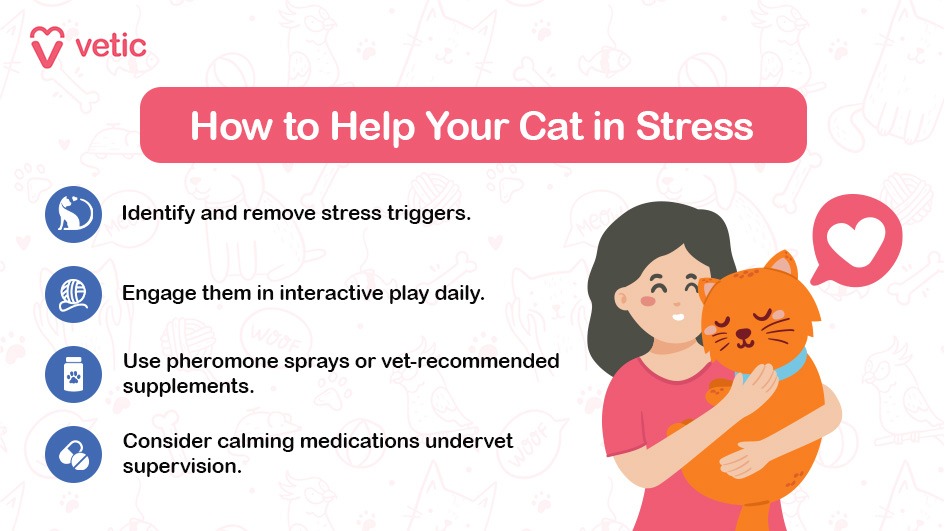
Imagine coming home to your beloved furry friend, expecting purrs and cuddles, only to find them hiding or acting out of character. It’s heartbreaking to see your cat stressed, isn’t it?
Stress in cats is not just about them having a bad day; it can affect their health and your bond with them. But here’s the good news: you have the power to transform their world. By understanding their needs and making a few changes, you can help your cat find calm and comfort.
Dive into this guide to discover simple yet effective strategies that will bring peace back to your home and joy back to your cat. Don’t let your feline friend suffer in silence—read on to learn how you can make a difference today.
Identifying Stress Signs In Cats
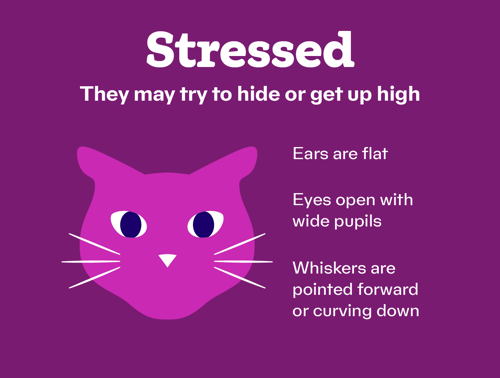
Cats might show stress through hiding or changes in eating habits. Providing a quiet space can help ease their anxiety. Observing behavior changes is key to ensuring a calm environment for your feline friend.
Identifying stress signs in your cat is crucial for maintaining its well-being. Cats are masters at masking their discomfort, making it essential for you to be vigilant. By recognizing stress indicators early, you can take proactive steps to alleviate their distress. Do you ever wonder if your cat’s behavior is more than just a quirky personality trait? Understanding these signs can make a significant difference.Behavioral Changes
Cats express stress through noticeable behavioral shifts. You might observe increased aggression or withdrawal. A typically playful cat might suddenly become aloof or hide more often. Changes in litter box habits can also indicate stress. If your cat begins urinating outside the box, it might be trying to tell you something is wrong. Excessive grooming, especially to the point of bald patches, is another red flag. This behavior often points to anxiety or stress.Physical Symptoms
Physical signs of stress in cats can be subtle yet telling. Look for changes in appetite. Stress might lead your cat to eat less or more than usual. Pay attention to your cat’s weight. Sudden weight loss or gain can be stress-related, signaling the need for intervention. Check for digestive issues like diarrhea or vomiting. These symptoms, while common, can be indicative of stress when paired with other signs. Regular observation and understanding your cat’s normal behaviors and routines will help you spot these stress signals early. Have you noticed any of these signs in your feline friend? Taking action sooner rather than later can improve their quality of life.Creating A Calm Environment
Create a peaceful space to help your stressed cat feel safe. Soft lighting and gentle sounds can soothe anxiety. Providing cozy hiding spots encourages relaxation and comfort.
When your cat is stressed, it may seem like nothing you do is working. However, creating a calm environment can be a game-changer. By taking some simple steps, you can transform your home into a sanctuary for your furry friend. A relaxed setting helps your cat feel secure and can drastically reduce stress levels. Let’s explore how you can create a peaceful space for your pet.Safe Spaces
Cats love having their own little hideouts. Designate a quiet area in your home where your cat can retreat. This could be a cozy corner with a soft bed or a perch high up on a shelf. Consider using a cat tree or a box lined with blankets. This gives your cat a sense of safety and ownership. Is your cat disappearing under the bed? Providing a safe space can deter this behavior.Reducing Noise And Distractions
Noise can be a major stressor for cats. Keep your home as quiet as possible, especially during your cat’s nap times. Turn down loud music, and close windows if outside noise is disturbing your pet. Consider using white noise machines or soothing music specifically designed for pets. You’d be surprised how much a peaceful soundtrack can help calm a stressed cat. Have you noticed your cat getting jumpy during thunderstorms? A quieter environment can ease this anxiety. By taking these steps, you can create a soothing environment that helps your cat feel relaxed and happy. What changes can you make today to provide a stress-free zone for your feline friend?Using Calming Products
Cats, like humans, can experience stress and anxiety. This can lead to unwanted behaviors. Using calming products can help ease their anxiety. These products come in various forms. They are designed to create a soothing environment. Let’s explore some effective calming products. These include pheromone diffusers and calming collars.
Pheromone Diffusers
Pheromone diffusers release a synthetic version of cat pheromones. These pheromones mimic natural cat scents. They create a comforting atmosphere for your feline friend. Plug them into an electrical outlet. They disperse a calming mist throughout your home. Many owners notice a change in their cat’s behavior. The cat becomes more relaxed and less anxious. These diffusers are especially useful during stressful events. For instance, introducing a new pet or moving to a new home.
Calming Collars
Calming collars are another effective option. These collars release calming scents. Similar to pheromone diffusers, they help reduce anxiety. The collar is worn around the cat’s neck. It provides continuous comfort wherever your cat goes. The calming effect can last for several weeks. They are ideal for cats that are always on the move. This product is especially helpful during travel or vet visits. It ensures your cat remains calm and composed. Choose a collar that fits snugly but comfortably.
:strip_icc()/reducing-anxiety-in-cats-554064-FINAL-5b9faac146e0fb00507d984e.png)
Credit: www.rrvetcollege.org
Interactive Playtime
Cats, just like humans, experience stress. Interactive playtime is crucial for their well-being. It provides mental stimulation and physical exercise. This helps reduce anxiety and improve mood.
Toys For Stress Relief
Choosing the right toys can make a difference. Opt for toys that mimic prey. Feather wands or small balls work well. These engage their hunting instincts. Rotate toys regularly to maintain interest. New experiences keep stress at bay.
Scheduled Play Sessions
Consistency is key to reducing stress. Set aside specific times each day. Regular play routines offer predictability. Predictability helps in calming your cat. Aim for at least 20 minutes daily. Short bursts of play are effective.
Incorporate interactive games during these sessions. Laser pointers and puzzle feeders are great. They challenge their mind and body. Schedule play around meal times. This helps them associate play with positive feelings.
Natural Remedies For Stress
Cats experience stress from various sources. A new environment or unfamiliar faces can trigger anxiety. Natural remedies offer soothing solutions. They help calm your furry friend. Some remedies are simple and effective. Let’s explore a few options.
Herbal Supplements
Herbs can reduce stress in cats. Valerian root is popular. It has calming effects. Cats often respond well to it. Chamomile is another option. It’s gentle and soothing. These herbs support relaxation. They are safe for most cats. Consult your vet before use. Ensure proper dosage. Your cat will feel more at ease.
Essential Oils
Essential oils can calm anxious cats. Lavender oil is well-known. Its scent is relaxing. It helps ease tension. Frankincense oil is another choice. It promotes a serene atmosphere. Use a diffuser for safe distribution. Never apply oils directly to cats. Always dilute oils properly. Choose oils that are pet-friendly. Your cat will benefit from a peaceful environment.

Credit: www.banfield.com
Dietary Adjustments
Dietary adjustments can play a crucial role in helping stressed cats. Cats, like humans, can feel stress due to various factors. Their diet can significantly impact their emotional well-being. Making the right dietary changes can help reduce stress levels. Here’s how you can tailor your cat’s diet to promote calmness and relaxation.
Stress-reducing Foods
Certain foods can help alleviate stress in cats. Foods rich in omega-3 fatty acids are beneficial. They promote brain health and reduce anxiety. Consider adding foods like fish to your cat’s diet. Fish can be an excellent source of these essential nutrients. Also, foods containing tryptophan can help. Tryptophan is an amino acid that promotes relaxation. Turkey and chicken are good sources. These can be included in your cat’s meals.
Hydration Importance
Proper hydration is vital for a cat’s stress management. Water helps maintain balance in the body. A dehydrated cat may feel more stressed. Ensure your cat has constant access to fresh water. Wet cat food can also aid hydration. It contains more moisture than dry food. This helps keep your cat hydrated and calm. A hydrated cat is often a happier cat.
Professional Help
Sometimes, a stressed cat needs more than just your care. Professional help can be essential. Experts have tools and methods to calm your furry friend. Knowing when to seek professional help is crucial. This ensures your cat’s well-being.
Consulting A Veterinarian
A veterinarian checks for health issues causing stress. They perform physical exams to find hidden problems. If needed, they might run tests. Your vet can suggest treatments or medications. These can help reduce anxiety in your cat. Regular vet visits prevent unnoticed stress-related illnesses.
Behavioral Therapy
Behavioral therapy teaches your cat to relax. A behaviorist identifies stress triggers. They work to change your cat’s response. Techniques like desensitization help your cat adapt. This therapy often involves gradual exposure. It builds your cat’s confidence over time. A behaviorist offers strategies you can use at home.
Credit: www.cats.org.uk
Routine And Consistency
Routine and consistency help reduce stress in cats. Regular feeding times and play sessions provide comfort and security. A predictable environment helps cats feel safe and relaxed.
Cats, just like humans, thrive on routine and consistency. A predictable environment helps them feel safe and secure, reducing stress significantly. Imagine suddenly changing your daily habits; it would be unsettling, right? The same applies to our feline friends. Establishing a regular routine can be a game-changer in managing your cat’s stress levels.Daily Schedule
Creating a daily schedule for your cat is essential. Feed them at the same times each day and ensure playtime is consistent. Cats love to know what to expect, and regular meals and activities help maintain their peace of mind. Consider setting specific times for grooming or litter box cleaning. This not only keeps your cat healthy but also reassures them with consistency. Have you noticed how your cat waits by the door at feeding time? They rely on routine to feel secure.Consistent Care Practices
Consistency in care practices is vital. Use the same products for grooming and stick to familiar scents. Cats are highly sensitive to changes, even minor ones like a new shampoo. Keeping these elements stable can greatly reduce stress. Consider a dedicated spot for your cat’s favorite toys and bedding. This helps them associate these items with comfort and safety. It’s fascinating how a simple toy can be a source of security! Ask yourself: Are you being consistent in your care? Small changes might seem insignificant, but they can impact your cat’s well-being. Consistency builds trust, and trust fosters a relaxed environment for your furry companion.Frequently Asked Questions
How To Relieve Your Cat’s Stress?
Create a calm environment for your cat with quiet spaces and soothing music. Provide interactive toys to keep them engaged. Ensure regular playtime and gentle petting to strengthen your bond. Use calming pheromone diffusers to reduce anxiety. Always maintain a consistent routine to make them feel secure.
How Do I Tell If My Cat Is Stressed?
Look for signs like excessive grooming, hiding, decreased appetite, or aggression. Changes in litter box habits or vocalization indicate stress. Tail flicking and dilated pupils are also common stress signals.
What Is The 3-3-3 Rule For Cats?
The 3-3-3 rule for cats helps owners understand adaptation stages. Three days to decompress, three weeks to learn routines, and three months to feel at home. This timeline aids in adjusting expectations and providing patience during transitions, ensuring a smoother process for both cats and owners.
How Do You Treat Anxiety In Cats?
Treat cat anxiety with calming environments and interactive toys. Use pheromone diffusers to soothe them. Consult a vet for medication.
Conclusion
Helping a stressed cat takes patience and love. Create a calm space at home. Use soothing toys and sounds. Spend quality time with your cat daily. This builds trust and reduces stress. Monitor any changes in behavior closely. Consult a vet if stress persists.
Your care makes a big difference. Cats need comfort and understanding. A relaxed cat is a happy cat. Providing these basics ensures a peaceful environment. Remember, each small effort counts. Keep supporting your feline friend with kindness and care. Your bond will grow stronger every day.