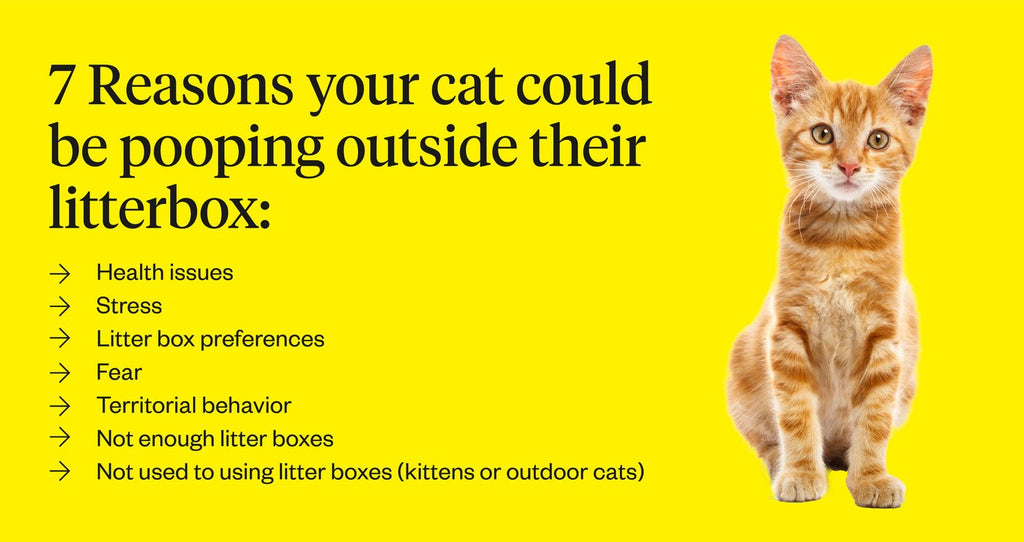
Imagine this: you’ve just set up a cozy, clean litter box for your beloved feline friend, expecting them to use it like the perfect housemate they are. But instead, you’re met with an unpleasant surprise: your cat has chosen the corner of your living room or, worse, your favorite rug as their bathroom.
Sound familiar? You’re not alone. Many cat owners face the puzzling challenge of a cat that refuses to use the litter box. In this blog post, we’ll dive into the reasons behind this behavior, exploring both the obvious and the hidden factors that might be affecting your cat’s litter box habits.
By understanding these reasons, you’ll be better equipped to address the issue and restore harmony to your home. Stay with us as we uncover practical solutions and tips that could transform your cat’s bathroom habits and bring peace back to your household.
:strip_icc()/cat-pooping-outside-box-554017-b408bc2885e042a5a1937e7e0b183b5a.jpg)
Credit: www.thesprucepets.com
Common Reasons For Avoidance
Is your feline friend avoiding the litter box? It’s a common issue. Understanding the reasons can help solve this problem. Cats might have various reasons for this behavior. Let’s explore some common causes.
Medical Issues
Health problems can affect litter box habits. Urinary tract infections cause discomfort. Cats associate pain with the box. Kidney disease can lead to frequent urination. Arthritis makes it hard to climb into the box. If your cat seems unwell, consult a vet.
Behavioral Factors
Stress impacts a cat’s behavior. Changes in routine can upset them. New pets or family members might cause anxiety. Cats sometimes express their feelings through avoiding the box. If they feel neglected, they might act out.
Environmental Changes
Moving the litter box can confuse a cat. They are creatures of habit. Location changes might disrupt their routine. Dirty boxes are uninviting. Cats prefer clean and fresh places. Strong smells can deter them. Keep the box in a quiet, accessible spot.

Credit: resources.sdhumane.org
Medical Concerns
Cats sometimes avoid the litter box due to stress or medical issues. Possible causes include urinary infections, arthritis, or kidney problems. Observe your cat’s behavior and consult a veterinarian to address these concerns.
When your cat suddenly stops using the litter box, it can be both frustrating and concerning. One of the first things to consider is whether there might be medical concerns at play. Cats are creatures of habit and often mask their discomfort. If your furry friend is avoiding their litter box, there might be underlying health issues that need attention. Let’s take a closer look at some common medical concerns that could be affecting your cat’s litter box habits.Urinary Tract Infections
Urinary tract infections (UTIs) are a common culprit behind litter box avoidance. Cats with UTIs may associate the pain of urination with the litter box, leading them to seek other places to relieve themselves. This can result in accidents around your home. If you notice your cat straining to urinate, making frequent trips to the box, or producing small amounts of urine, these could be signs of a UTI. It’s crucial to consult your veterinarian promptly for a diagnosis and treatment plan. Early intervention can prevent more severe complications and get your cat back on track with their litter habits.Digestive Problems
Digestive issues can also affect your cat’s use of the litter box. If your cat is experiencing diarrhea or constipation, they might associate the box with discomfort. This can lead them to avoid using it altogether. Look out for changes in your cat’s stool consistency or frequency. If there’s a sudden change, it might indicate a digestive problem. A vet visit can help identify the cause and offer solutions, ensuring your cat is comfortable and more likely to use their litter box as usual.Arthritis And Mobility Issues
As cats age, they can develop arthritis or other mobility issues. These conditions can make it difficult for them to enter and exit a litter box, especially if the sides are high. You might notice your senior cat hesitating before stepping into the box or choosing easier-to-access locations to relieve themselves. Consider whether your cat seems stiff or has difficulty jumping. If so, it might be time to switch to a litter box with lower sides or an entry ramp. Making these adjustments can greatly enhance your cat’s comfort and encourage proper litter box use. Have you noticed any of these signs in your cat? Addressing medical concerns not only improves their health but also strengthens your bond with them. After all, a happy, healthy cat is more likely to stick to their litter box routine.Behavioral Influences
Cats often avoid litter boxes due to stress or changes in their environment. Unfamiliar scents or locations can confuse them. Consistency and cleanliness are key to encouraging proper use.
Understanding why your cat might be avoiding the litter box can be challenging, especially when behavioral influences come into play. These influences often stem from stress, territorial instincts, or aversion to the box itself. Let’s dive into these aspects and see how they might affect your feline friend’s habits.Stress And Anxiety
Cats are sensitive creatures, and stress can significantly impact their behavior. Have you recently moved homes or introduced a new pet? Such changes can make your cat anxious, leading them to avoid the litter box. Even small changes, like rearranging furniture, can unsettle your cat. Consider whether any recent changes have occurred that might be causing stress. Providing a quiet, consistent environment can help your cat feel secure and more likely to use their litter box.Territorial Marking
Cats are naturally territorial, and sometimes, avoiding the litter box can be a sign of marking territory. This behavior is more common in multi-cat households. Is your cat trying to assert dominance or mark its space? Understanding the dynamics between your pets can offer insights. You might want to provide additional litter boxes in different locations to minimize territorial disputes and encourage proper usage.Litter Box Aversion
Litter box aversion can be due to several factors, from cleanliness to size. Cats are particular about their space. Is the litter box clean enough? Cats are unlikely to use a dirty box, so frequent cleaning is essential. Consider the type of litter and the box’s location. Some cats prefer certain textures or scents, while others might need a more private location. Experimenting with these variables can guide you to the perfect setup for your cat. Have you noticed specific patterns or preferences? Observing your cat’s behavior can provide valuable clues. The key is patience and attention to detail—small changes can make a big difference.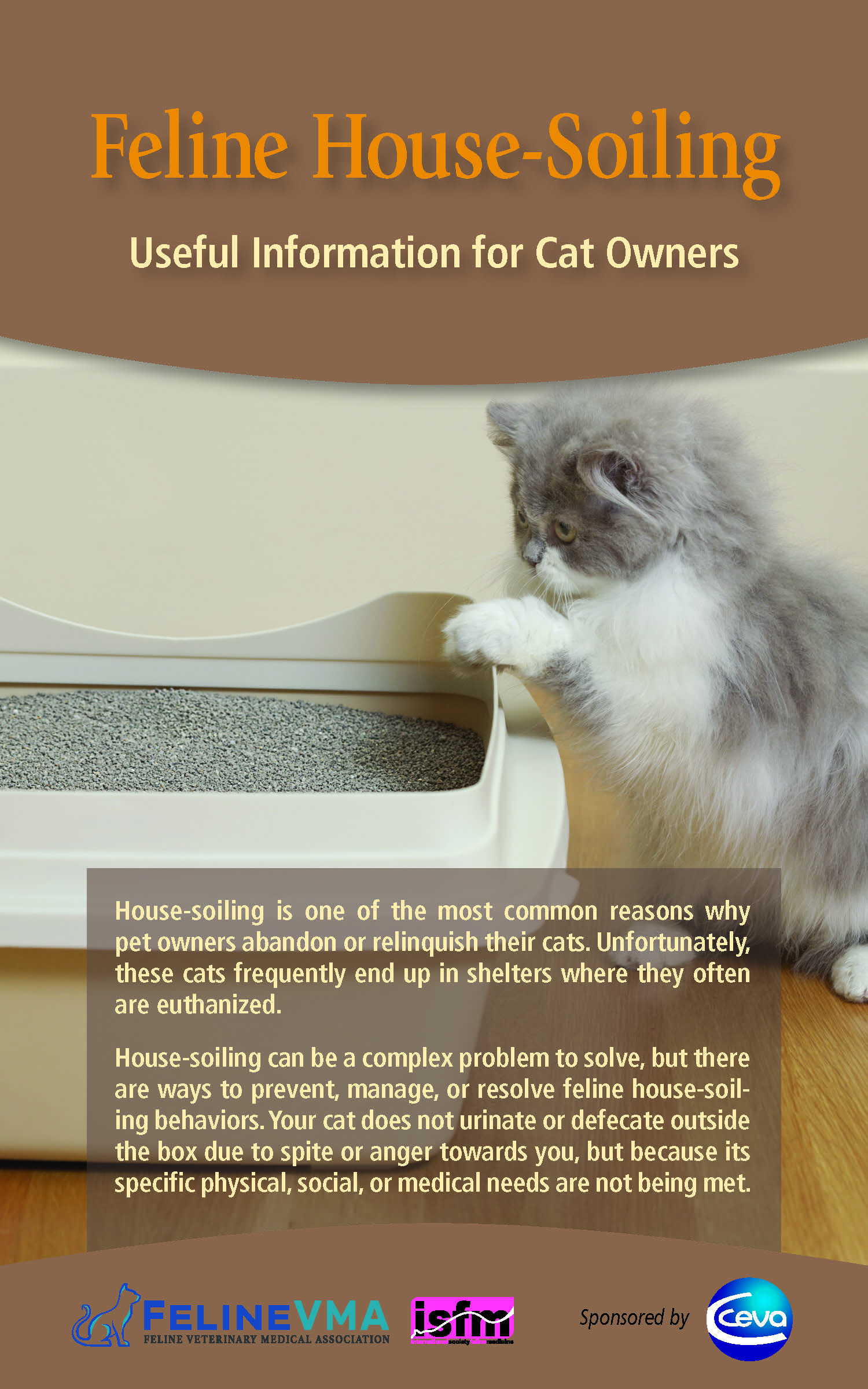
Credit: catfriendly.com
Environmental Adjustments
Addressing why your cat avoids the litter box often requires changes. Environmental adjustments can play a crucial role in resolving these issues. Understanding the significance of the litter box location, type of litter, and cleanliness can improve your cat’s habits. Let’s explore how each element affects your cat’s behavior.
Litter Box Location
Location matters to your cat. Is the box in a noisy area? Cats prefer quiet spots. Placing the box in a peaceful corner encourages use. Avoid high-traffic areas. Cats need privacy. Remember, a simple change in location can make a difference.
Type Of Litter
Not all litter types appeal to cats. Some prefer fine grains. Others might like larger granules. Try different types. Observe your cat’s preference. Unscented litter is often a safe choice. Scented options can deter sensitive cats. Choose wisely.
Cleanliness And Maintenance
Cats dislike dirty litter boxes. Daily cleaning is essential. Remove waste promptly. Keep the box fresh. Also, regular replacement of litter helps. Cleanliness impacts your cat’s willingness to use the box. A clean box leads to happy cats. Maintenance is key.
Training And Reinforcement
Training and reinforcement are key when it comes to encouraging your cat to consistently use the litter box. Understanding and implementing effective training methods can make a significant difference. This isn’t just about teaching your cat a new habit—it’s about fostering a positive environment where they feel comfortable and secure. Let’s dive into some practical strategies to help your feline friend adapt.
Positive Reinforcement Techniques
Reward your cat when they use the litter box correctly. Treats, affection, or playtime are great incentives. Cats respond well to rewards, and positive reinforcement can make the litter box experience more appealing.
Consider the timing of your rewards. Immediate praise after your cat uses the litter box reinforces good behavior. This will help them associate the action with positive outcomes.
Remember, patience is key. If your cat makes a mistake, avoid punishment. Instead, gently guide them back to the litter box and encourage them to try again. This builds trust and confidence.
Consistency In Habits
Keep the litter box in a consistent location. Cats are creatures of habit and prefer routine. Moving the box frequently can confuse them, leading to accidents.
Regularly clean the litter box to maintain a fresh environment. A clean box is more inviting and encourages your cat to use it regularly.
Establish a consistent schedule for cleaning and changing the litter. Predictability in their environment can significantly reduce anxiety and promote regular use.
Gradual Changes And Adaptation
If you need to change the type of litter or move the box, do so gradually. Sudden changes can unsettle your cat. Introduce the new litter by mixing it with the old, allowing your cat to adapt slowly.
Observe your cat’s behavior. Are they avoiding the box due to recent changes? If so, revert to previous settings and make adjustments more slowly next time.
Consider your cat’s preferences. Some cats may have specific likes or dislikes regarding litter texture or scent. Experiment carefully to find what works best for them.
Training your cat to use the litter box isn’t just about routine; it’s about understanding their needs and adapting to them. How can you adjust your approach to better support your pet’s habits?
Seeking Professional Help
Cats sometimes avoid litter boxes due to stress, health issues, or dislike of the box itself. Professional help can identify underlying problems and suggest effective solutions, ensuring your cat feels comfortable using the litter box again.
If your cat has suddenly stopped using the litter box, it might be time to consider seeking professional help. While it’s natural to worry, remember that you’re not alone in this. Many cat owners face this challenge, and professional guidance can often lead to a solution.When To Consult A Veterinarian
A veterinarian should be your first point of contact when your cat refuses to use the litter box. Health issues like urinary tract infections or kidney stones can often be the root cause. Catching these problems early can save your cat from unnecessary discomfort and you from dealing with the aftermath. Have you noticed any other strange behaviors or symptoms? Make a note of them before your vet visit. This can provide valuable insights and help in diagnosing the problem.Behavioral Therapy Options
If your vet rules out medical issues, the next step could be exploring behavioral therapy. Cats can develop aversions to the litter box due to stress or environmental changes. A structured approach can help address these. Consider adjusting your cat’s environment to make it more comforting. Small changes, like moving the litter box to a quieter location, can make a big difference.Working With An Animal Behaviorist
An animal behaviorist can be your guide in this journey. These professionals specialize in understanding and modifying pet behaviors. They can provide you with a tailored plan based on your cat’s specific needs. Have you ever thought about how your own actions might be influencing your cat’s behavior? An animal behaviorist can help you identify and change these patterns. This collaborative effort can lead to a happier, more harmonious home for both you and your feline friend. In the end, seeking professional help is a proactive step toward resolving litter box issues. It shows your commitment to your cat’s well-being and can lead to a more peaceful coexistence.Frequently Asked Questions
What To Do If Your Cat Won’t Use The Litter Box?
Ensure the litter box is clean and placed in a quiet location. Try using unscented litter. Consult a vet if the behavior continues, as it could indicate a health issue. Consider stress factors and make sure your cat feels safe.
Why Is My Cat Not Using The Litter Box But Acting Normal?
Your cat might avoid the litter box due to stress, medical issues, or dirty conditions. Ensure the box is clean and accessible. If problems persist, consult a vet to rule out health issues. Stressors like changes at home can also affect behavior.
Why Is My Cat Pooping On The Floor With A Clean Litter Box?
Your cat might be stressed, marking territory, or experiencing health issues. Ensure the litter box is accessible, and consider consulting a vet. Check for changes in their environment or diet.
What Is The Most Common Reason Cats Stop Using The Litter Box?
The most common reason cats stop using the litter box is medical issues like urinary tract infections. Stress from environmental changes or dirty litter boxes also contribute. Regular vet check-ups and maintaining a clean, accessible litter box can help prevent this behavior.
Conclusion
Solving litter box issues can strengthen your bond with your cat. Patience is key. Observe your cat’s habits and preferences. Try different litter types and box locations. Maintain a clean and welcoming box environment. Sometimes, health issues may be the cause.
Always consult a vet if needed. Understanding their behavior is crucial. Each cat is unique. Adjusting your approach might make all the difference. Your effort will ensure a happier home for you both.