Have you ever noticed your cat acting a bit off and wondered why? Understanding what stresses cats out is crucial for any cat owner.
Cats, like humans, have their own stress triggers, and these can significantly impact their health and happiness. By recognizing these stressors, you can create a more peaceful environment for your feline friend. Imagine having the power to transform your cat’s mood and well-being with just a few adjustments to their surroundings or routine.
Intrigued? Stick around as we uncover the hidden stress factors for cats and how you can make simple changes to improve their lives. Your cat’s comfort and happiness are just a few insights away.
Environmental Changes
Sudden changes in the environment can stress cats. They feel anxious with new sounds, smells, or rearranged furniture. Even minor changes in daily routines can unsettle them, causing discomfort and behavioral issues.
Cats are creatures of habit. They thrive in environments that are predictable and consistent. When their surroundings change, it can be unsettling and stressful for them. Environmental changes can be anything from new furniture to moving homes or simply rearranging spaces. Understanding how these changes impact your cat can help you create a more comfortable living space for them.New Furniture
Introducing new furniture might seem like a minor change to you, but for your cat, it can be a big deal. Cats use scent to navigate their world. New furniture can disrupt this familiar scent landscape. Have you ever noticed your cat sniffing a new chair or couch for ages before settling down? This is their way of inspecting and adjusting to the new addition. You can make the transition easier by placing a familiar blanket or toy on the new furniture. This helps your cat recognize their scent and feel more at ease.Moving Homes
Moving homes is a significant upheaval in your cat’s life. The entire environment changes, including smells, sounds, and sights. This can be overwhelming for your furry friend. When you move, try to set up a designated ‘safe room’ for your cat. Fill it with their favorite toys, bed, and litter box. This can provide a sense of security amidst the chaos of moving boxes and unfamiliar spaces. Have you considered how stressful it must be for your cat to lose all familiar cues?Rearranging Spaces
Even rearranging furniture can unsettle your cat. A simple shift in the layout can alter their usual paths and favorite spots. Cats often have specific routes they take around your home, and changing these can be disorienting. If you plan to rearrange your space, do it gradually. Allow your cat to explore the changes at their own pace. Watch their behavior closely—do they seem anxious or avoid certain areas? Making small changes over time can help your cat adjust more comfortably. Incorporating these insights into how you manage environmental changes can significantly impact your cat’s stress levels. You have the power to make their world a more predictable and comforting place.
Credit: www.richmondvetclinic.ca
Social Stressors
Cats are creatures of habit. They thrive on routine and familiar faces. Social stressors can disrupt their peace. These stressors come from changes in their social environment. Understanding these can help in easing your cat’s anxiety. Let’s explore some common social stressors for cats.
Introduction Of New Pets
Introducing a new pet can stress cats. They are territorial. They may see new pets as intruders. This can cause anxiety and aggression. Gradual introductions can help. Keep initial meetings short. Allow your cat to adjust at their pace.
Visitors And Strangers
Many cats feel uneasy around new people. Unfamiliar faces can trigger stress. Cats may hide or become aggressive. Create a safe space for them. A quiet room can help them feel secure. Allow them to approach visitors on their own terms.
Conflict With Other Animals
Conflicts with other animals can stress cats. Cats are sensitive to tension. They may become withdrawn or aggressive. Keep a close eye on interactions. Ensure all pets have their own space. This reduces competition and stress.
Routine Disruptions
Cats feel stressed by sudden changes in their routine. New environments or unfamiliar people can unsettle them. Loud noises or alterations in daily habits might also cause anxiety.
Cats thrive on routine. Any disruption can stress them out. Regular habits provide comfort. Sudden changes can unsettle them. Understanding this helps maintain their well-being.Change In Feeding Schedule
Cats love predictability. Altering their feeding times can confuse them. They expect meals at specific times. Changes may lead to anxiety. Hunger at unusual times adds stress. Keeping a consistent schedule helps.Altered Sleep Patterns
Cats are creatures of habit. They sleep a lot and at set times. Disturbing their sleep can cause distress. Loud noises or interruptions affect their rest. A calm environment ensures they sleep well.Irregular Playtime
Playtime is crucial for a cat’s health. It keeps them active and engaged. Changes in play routines can upset them. They need regular interaction to stay happy. Scheduled playtimes reduce stress and boredom.
Credit: mardigrascreations.com
Sensory Overload
Cats are sensitive creatures, and sensory overload can be a major source of stress for them. Have you ever noticed your cat acting skittish or irritable in certain environments? It might be due to the sensory bombardment they experience. Understanding these triggers can help you create a more calming environment for your feline friend.
Loud Noises
Imagine living in a world where every sound seems amplified. That’s what cats experience with loud noises. Sudden, unexpected sounds like fireworks or thunderstorms can send your cat into a frenzy. Even everyday noises like vacuum cleaners or blaring TVs can be distressing. Have you ever noticed your cat hiding during a loud party? It’s their way of seeking refuge from the chaos. Consider creating a quiet retreat for your cat during noisy events to alleviate their stress.
Strong Smells
Cats have a keen sense of smell, much stronger than ours. Strong odors, like cleaning chemicals or scented candles, can overwhelm them. If you’ve ever seen your cat wrinkle its nose or turn away from a pungent scent, it’s likely because they find it unbearable. You might want to use unscented cleaning products and keep fragrant items out of your cat’s space. Have you ever wondered why your cat avoids certain rooms? It might be the overpowering smell keeping them at bay.
Bright Lights
Bright lights can be unsettling for cats, especially if they are sudden or intense. Cats prefer dim lighting as it resembles their natural environment. Flashing lights from TVs or even holiday decorations can be disorienting. If you’ve ever seen your cat squint or retreat from brightly lit areas, they might be seeking shelter from the glare. Why not try using soft lighting or curtains to create a more soothing atmosphere for your pet? It could make a world of difference in their comfort and stress levels.
By understanding these sensory triggers, you can tailor your home to be more cat-friendly. Have you ever thought about how your everyday choices affect your feline companion? Small changes can lead to big improvements in their well-being. Creating a peaceful environment is key to ensuring your cat feels safe and relaxed.
Health Issues
Cats are sensitive creatures, and their health plays a major role in their overall wellbeing. Health issues can stress cats out significantly, affecting their mood and behavior. Understanding these issues helps in providing better care.
Pain And Discomfort
Pain is a primary cause of stress in cats. It may arise from injuries, dental problems, or arthritis. Cats often hide their pain, making it hard to detect. Look for signs like limping, decreased activity, or changes in grooming habits. Timely intervention can ease their discomfort.
Illness And Disease
Illnesses such as urinary tract infections or kidney disease can cause distress. These conditions might lead to frequent urination or loss of appetite. Regular vet check-ups help in early diagnosis. Early treatment can prevent prolonged stress.
Medication Side Effects
Medications might come with side effects that disturb your cat. Some drugs can cause nausea or drowsiness. Monitor your cat’s reaction to new medications. Consult your vet if you notice adverse effects. Adjustments can be made to minimize discomfort.
Lack Of Stimulation
Cats often feel stressed by a lack of stimulation in their environment. Boredom can lead to anxiety and destructive behavior. Engaging toys and interactive play are essential to keep them mentally and physically active.
Cats are curious creatures by nature, and their well-being heavily relies on mental and physical stimulation. A lack of stimulation can lead to stress, anxiety, and even behavioral issues in your feline friend. Ensuring your cat stays engaged and entertained is crucial for their happiness and health. Let’s explore some common causes of stress related to a lack of stimulation.Boredom
Boredom can be a significant stressor for cats. They thrive on exploration and discovery. Without new experiences or toys to engage with, they may become lethargic or even destructive. Imagine being stuck in the same room with nothing to do. Cats need variety to keep their minds sharp and their bodies active. Consider rotating toys or introducing new activities regularly. Simple changes can make a big difference, like placing a cardboard box in a new spot or hiding treats for them to find.Isolation
Isolation can lead to feelings of loneliness in cats. While they often enjoy solitude, too much alone time can be distressing. Cats are social animals and need interaction, whether it’s with humans or other pets. If you’re frequently away, think about how your cat spends their time. Could they benefit from a companion or more human interaction? Setting aside dedicated playtime daily can significantly reduce their stress levels.Inadequate Play
Play is essential for a cat’s mental and physical health. Without enough play, they can become frustrated and anxious. A laser pointer or feather wand can work wonders in keeping them engaged. Consider how often you play with your cat. Are their play sessions long enough to tire them out? Cats need not just short bursts of activity but also challenges that mimic hunting behaviors. Reflect on your cat’s daily routine. Is there room for more play? Observing their behavior can provide clues—are they restless or more vocal? Addressing these signs can help alleviate their stress effectively.Weather And Climate
Sudden weather changes can stress cats. Thunderstorms, heavy rain, and extreme temperatures cause anxiety. Cats feel safer in stable climates.
Weather and climate can have a significant impact on your cat’s stress levels. Have you noticed your feline friend acting unusually grumpy or anxious during a heatwave or a cold snap? Cats, much like humans, can be sensitive to changes in their environment. Understanding how different weather conditions affect them is crucial for ensuring their comfort and well-being. Let’s dive into how extreme temperatures, seasonal changes, and humidity levels can stress your cat out.Extreme Temperatures
Cats are known for seeking out cozy spots, and extreme temperatures can disrupt their comfort. During hot weather, your cat may struggle to find a cool place to relax. Keep an eye on them for signs like panting or lethargy. In cold weather, cats might curl up tighter than usual, seeking warmth. Provide them with heated beds or blankets to ease their discomfort. Have you ever seen your cat shivering slightly on a chilly day? It might be time to adjust their environment.Seasonal Changes
Seasonal shifts can bring more than just a change in scenery. Cats may become anxious as daylight hours decrease in the winter, disrupting their usual routine. Are you noticing changes in their eating or sleeping patterns? This could be a sign of stress. Spring can also be challenging with fluctuating temperatures and increased allergens. Pay attention to any unusual scratching or sneezing. Maintaining a stable indoor environment can help your cat feel secure.Humidity Levels
Humidity can affect your cat’s health and mood. High humidity can lead to respiratory issues or skin irritations. Have you ever felt the sticky discomfort of a humid day? Your cat feels it too, and it can make them irritable. Low humidity can dry out their skin and coat, leading to itchiness. Consider using a humidifier during dry seasons to keep their skin healthy. Your cat’s comfort often mirrors your own; a balanced environment benefits both of you. Understanding these weather and climate factors can help you make informed decisions about your cat’s environment. Are there changes you can make at home to ease their stress? Observing their behavior is key to knowing what they need.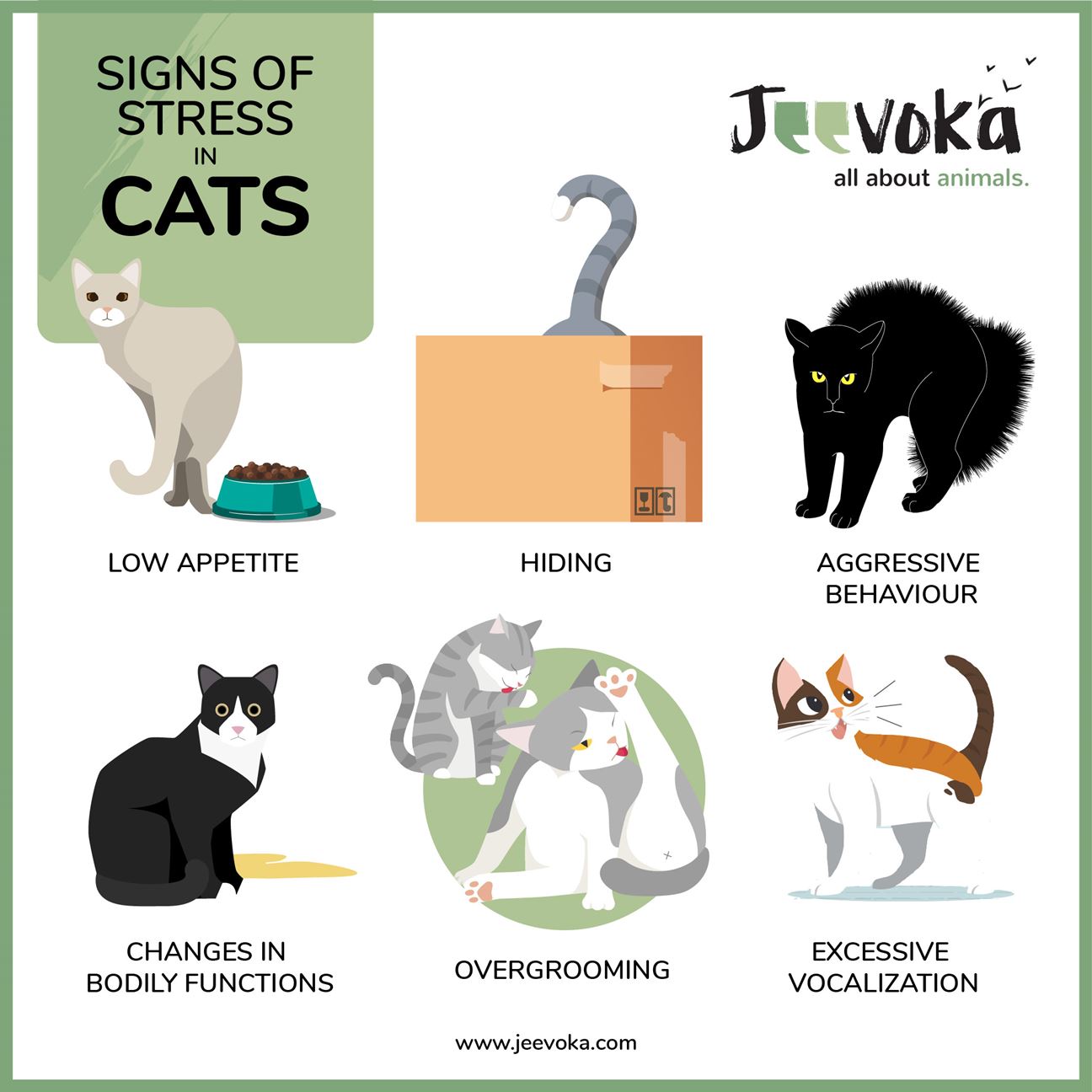
Credit: jeevoka.com
Frequently Asked Questions
What Things Stress Out Cats?
Loud noises, unfamiliar environments, and changes in routine stress cats. Lack of space and social interaction also cause anxiety. Keep surroundings calm and consistent to ensure feline comfort. Regular play and affection help reduce stress levels, promoting a happier cat.
How To Help A Cat That Is Stressed?
Create a calm environment with familiar scents and spaces. Play soothing music to relax your cat. Provide interactive toys to distract and engage. Ensure regular feeding and playtime schedules. Consult a vet for persistent stress issues.
How Do You Tell If A Cat Is Stressed?
Watch for hiding, excessive grooming, or changes in appetite. Listen for unusual vocalizations. Notice litter box avoidance or aggressive behavior. Monitor for decreased interaction or restlessness. Recognize signs like diarrhea or vomiting, indicating stress.
What Is The 3-3-3 Rule For Cats?
The 3-3-3 rule for cats outlines their adjustment period after adoption. It means 3 days to feel secure, 3 weeks to settle, and 3 months to fully trust and adapt to their new home. This gradual process ensures their comfort and well-being.
Conclusion
Cats face stress from loud noises, unfamiliar environments, and sudden changes. Understanding their triggers helps create a calm, safe space. Simple adjustments like quiet areas or consistent routines reduce anxiety. Recognizing signs of stress in your cat is important. A relaxed cat is a happy cat.
Spend time playing and bonding. This strengthens trust and comfort. Always consult a vet for persistent stress signs. Their guidance ensures your cat’s well-being. A stress-free environment benefits both you and your furry friend. Your efforts lead to a healthier and happier cat.
Keep observing and caring. Your cat will thank you.