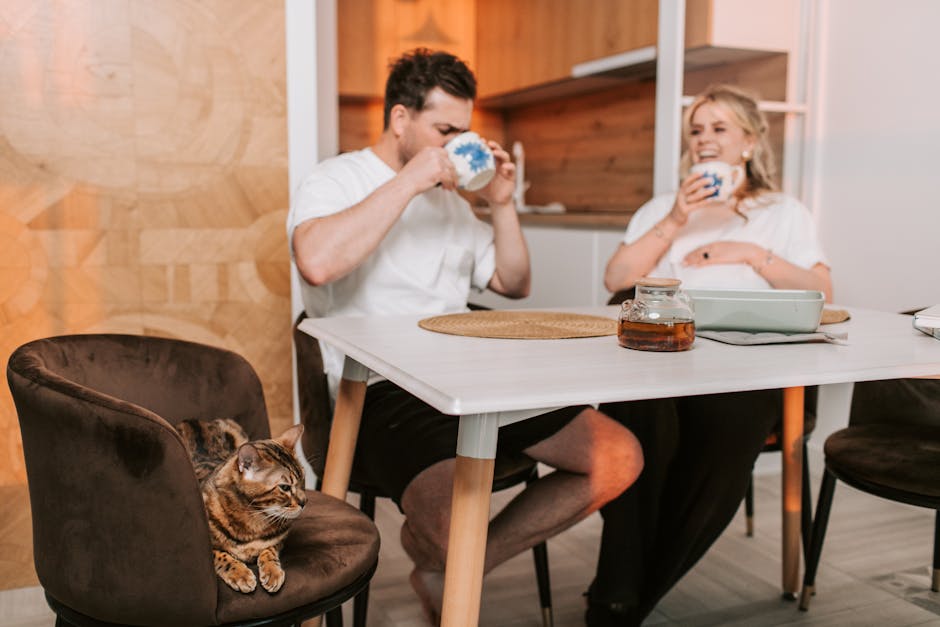
Imagine stepping into your home after a long day, greeted by the absence of any unpleasant odors. This is the magic of the right cat litter.
If you’re a cat owner, you know that choosing the perfect litter can feel like a never-ending quest. You might wonder why there are so many different types and what makes each one unique. You’ll discover everything you need to know about cat litter, helping you make the best choice for your feline friend and your living space.
From clumping to non-clumping, scented to unscented, find out which cat litter can transform your home into a peaceful, fresh-smelling sanctuary for you and your cat. Dive in and uncover the secrets to maintaining a clean and happy home.
Credit: soykitty.com
Types Of Cat Litter
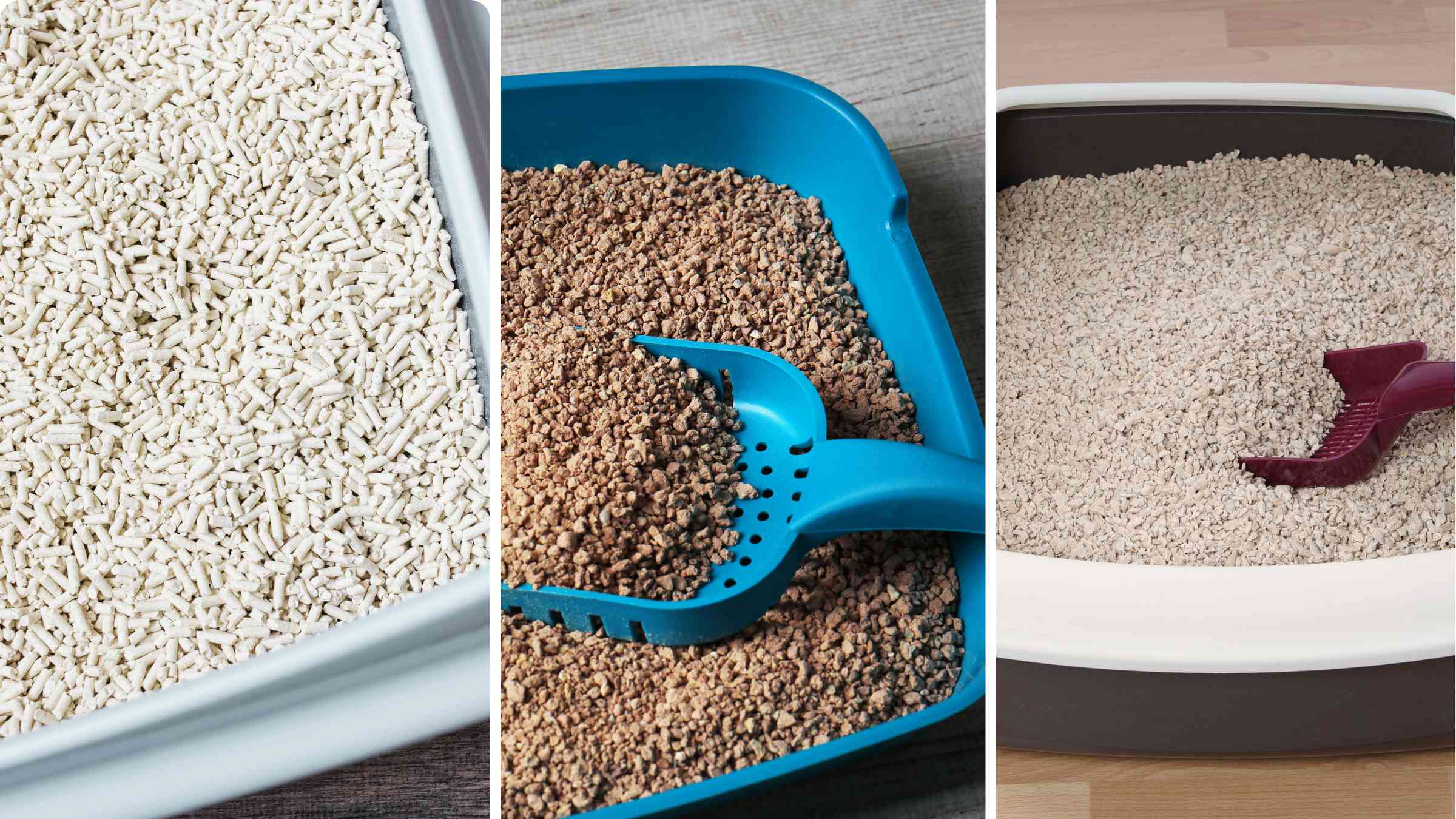
Choosing the right cat litter is crucial for pet owners. It affects cleanliness and odor control in your home. There are various types of cat litter available. Each type offers unique benefits and drawbacks. Understanding these can help make an informed decision.
Clay-based Litter
Clay-based litter is popular among many cat owners. It absorbs moisture effectively, keeping the litter box dry. It is affordable and readily available in stores. Some types can produce dust, which may irritate sensitive pets.
Silica Gel Litter
Silica gel litter is known for its odor control. Tiny crystals absorb moisture and trap odors. They are lightweight and easy to manage. This type of litter can be more expensive than others. It lasts longer, reducing the need for frequent changes.
Biodegradable Options
Biodegradable litter is made from natural materials. Examples include corn, wheat, or recycled paper. It is environmentally friendly and breaks down easily. This option is great for eco-conscious pet owners. Some cats might need time to adjust to its texture.
Clumping Vs Non-clumping
Clumping litter forms solid clumps when wet. It makes cleaning the litter box easier. Non-clumping litter absorbs moisture but doesn’t form clumps. It requires more frequent changes. Clumping litter is often preferred for its convenience.
Choosing The Right Litter
Cat litter is essential for keeping your home clean and odor-free. It absorbs moisture and controls smells. Choose wisely for your cat’s comfort and your home’s cleanliness.
Choosing the right cat litter isn’t just about keeping your home smelling fresh. It’s also about ensuring your cat’s health, environmental responsibility, and making life a little easier for yourself. The choices can be overwhelming, but breaking it down can help you make a decision that works for both you and your furry friend.Factors To Consider
When selecting cat litter, consider the type that best suits your lifestyle and your cat’s preferences. Clumping litter is popular because it makes cleaning easy. Non-clumping varieties may require more frequent changes but can be more economical. Texture is another factor. Some cats prefer fine, sand-like textures, while others might be comfortable with larger granules. It’s worth experimenting to see what your cat prefers. Consider the scent, too. While scented litter can help mask odors, some cats find strong fragrances off-putting. A neutral or lightly scented option might be best.Health Implications
Your cat’s health is paramount. Dust from some litters can cause respiratory issues, particularly in cats with pre-existing conditions. Opt for low-dust or dust-free formulas if your cat is sensitive. Certain types of litter, like clumping clay, can pose ingestion risks, especially for kittens who may eat litter. Always monitor young cats closely and choose safer options like paper or corn-based litters if necessary. Think about allergies. Both you and your cat could be sensitive to specific ingredients. If you notice sneezing or itching, it might be time to try a hypoallergenic variety.Environmental Impact
If you’re environmentally conscious, the choice of litter can make a significant impact. Traditional clay litters are not biodegradable and contribute to landfill waste. Consider more sustainable options like recycled paper, wood, or plant-based litters. These are often biodegradable and can even be composted, reducing your carbon footprint. Ask yourself how much waste your household generates and whether your litter choice aligns with your sustainability goals. Small changes can make a big difference over time. Choosing the right litter involves balancing convenience, health, and environmental responsibility. What priorities guide your choices?Popular Brands And Products
Cat litter is a material placed in a box to absorb cat urine and feces, keeping homes clean. Brands like Tidy Cats and Fresh Step offer various options, including clumping and non-clumping formulas. These products help control odor and provide comfort for pets.
Cat litter is a vital product for pet owners. Choosing the right brand ensures a clean environment for both cats and their human companions. With numerous options available, selecting the best can be overwhelming. This section explores popular cat litter brands and their unique offerings.Top Market Choices
Several brands lead the cat litter market. They offer reliability and quality. Tidy Cats is known for its clumping and odor control. Fresh Step provides strong odor elimination and easy scooping. Arm & Hammer uses baking soda for enhanced freshness. Each brand has its loyal followers.Budget-friendly Options
Affordable choices do not compromise quality. Special Kitty offers cost-effective litter with good absorption. Cat’s Pride ensures low dust and solid clumping at a fair price. These options suit pet owners mindful of their budget.Luxury Litter Brands
Luxury brands cater to specific needs. World’s Best Cat Litter uses whole-kernel corn for natural clumping. ökocat provides an eco-friendly option with wood fibers. These brands focus on premium ingredients and sustainable practices. They appeal to discerning cat owners seeking top-tier products.Maintaining A Litter Box
Cat litter is a material used to absorb a cat’s waste in a litter box. Typically made from clay or silica, it helps control odors and keeps the area clean. Regular maintenance ensures a fresh environment for your cat.
Maintaining a litter box is crucial for both your cat’s comfort and your peace of mind. A clean and odor-free litter box keeps your home smelling fresh and your feline friend happy. Neglecting this daily duty can lead to unpleasant smells and even behavioral issues in your cat. Let’s dive into some practical ways to keep your litter box in top shape.Cleaning Tips
Cleaning your litter box doesn’t have to be a dreaded chore. Start by scooping out waste daily; this simple act can prevent buildup and keep your cat coming back to a clean spot. Once a week, dump out the old litter and wash the box with warm water and mild soap. Avoid harsh chemicals—they can be harmful to your cat and create strong odors that deter them from using the box. After washing, dry the box thoroughly before refilling it with fresh litter.Odor Control Strategies
A smelly litter box can become a household nuisance. To keep odors at bay, consider adding a thin layer of baking soda at the bottom of the box before putting in fresh litter. This can help neutralize odors without overwhelming your cat’s sensitive nose. Some litter brands offer odor-control formulas, but it’s essential to choose one that your cat tolerates well. Ventilation is also key—placing the box in a well-aired area can help minimize smells.Avoiding Common Mistakes
Mistakes in litter box maintenance can lead to bigger issues. One common error is overfilling the box with litter. Too much litter can make it difficult for your cat to dig and cover their waste, leading to messes outside the box. Another mistake is ignoring your cat’s preferences. Cats can be picky, so if they show discomfort with a certain litter type, try a different one. Lastly, remember to keep the box in a quiet and accessible location—your cat needs privacy and easy access. What’s your biggest challenge with maintaining your litter box? It might be easier than you think to fix it. Let’s get our hands dirty and make your cat’s litter box a place they love!Training Your Cat
Cat litter is a material used in cat toilets to absorb waste and reduce odors. It helps keep the area clean and makes it easier to manage your cat’s hygiene needs. Various types are available, including clay, silica, and biodegradable options.
Training your cat to use litter properly can be a rewarding experience. Understanding your feline’s habits and preferences is essential. The process requires patience and observation. Cats are creatures of habit. Introducing changes can be challenging. Proper guidance ensures smooth transitions for both you and your cat.Introducing A New Litter
Begin by choosing a litter type that suits your cat. There are various options like clumping, non-clumping, and natural litter. Gradually introduce the new litter by mixing it with the old one. Increase the amount of new litter each day. This helps your cat adjust without stress. Observe your cat’s behavior during this transition. Make adjustments if necessary.Handling Reluctance
Some cats resist using new litter. Pay attention to signs of reluctance. If your cat avoids the litter box, it may need encouragement. Keep the litter box clean and odor-free. Cats dislike dirty environments. Place the litter box in a quiet area. Cats prefer privacy. Ensure the box is easily accessible. Accessibility can ease reluctance.Positive Reinforcement Techniques
Reward your cat for using the litter box. Positive reinforcement encourages good behavior. Use treats or praise to show approval. Timing is crucial. Offer rewards immediately after your cat uses the box. This reinforces the desired behavior. Avoid punishment for accidents. Negative actions cause fear and anxiety. Consistency is key. Regular rewards lead to habits.Health Benefits And Risks
Cat litter helps control odors and provides a clean space for cats. Breathing in dust from some types can cause allergies. Choose dust-free options for a safer environment.
When choosing cat litter for your feline friend, understanding the health benefits and risks is crucial. A suitable cat litter contributes to your cat’s well-being and keeps your home environment safe. However, certain types of cat litter might pose risks, both for your cat and your family.Impact On Cat’s Health
Selecting the right litter can significantly impact your cat’s health. Clumping clay litter is popular due to its easy cleanup, but it might cause respiratory issues if ingested or inhaled. Your cat’s paws are sensitive and can be irritated by certain types of litter. Consider softer options like paper pellets or corn-based litter to keep your cat comfortable. Think about your cat’s unique needs. A senior cat with arthritis might benefit from a softer, more accessible litter box setup.Allergy Concerns
Allergies are a common concern with cat litter. Dust from clay-based litters can trigger allergies in both cats and humans. Look for low-dust or dust-free options, especially if anyone in your household has respiratory issues. Natural litters made from corn, wheat, or pine may reduce allergic reactions. These options are biodegradable and often better for the environment.Preventing Infections
Preventing infections is another important factor when choosing cat litter. Moist environments can breed bacteria and fungus, which may lead to infections in your cat. Clumping litters help by making it easier to remove waste and keep the litter box dry. Regular cleaning and scooping are essential to minimize health risks. Are you noticing foul odors despite regular cleaning? This could indicate a buildup of bacteria or mold. Try switching to a more absorbent litter or one with added antimicrobial properties to keep infections at bay. Choosing the right cat litter is more than just a matter of convenience. It’s about ensuring a healthy and happy life for your feline companion. What changes will you make to optimize your cat’s health today?Innovations In Cat Litter
Cat litter is a material used in litter boxes to absorb moisture and control odors from cat waste. Recent innovations focus on environmentally friendly options, like biodegradable and flushable litters. These new products aim to improve hygiene and make cleaning easier for cat owners.
Innovations in cat litter have transformed the way we think about managing our feline friends’ needs. Gone are the days when cat litter was just about providing a spot for your cat to relieve itself. Today, advancements aim to make the process more efficient, environmentally friendly, and technologically advanced. These changes not only benefit your cat but also help you maintain a cleaner, healthier home.Eco-friendly Developments
Eco-friendly cat litter options are becoming increasingly popular. Many manufacturers now offer products made from natural materials such as corn, wheat, and recycled paper. These options are biodegradable and reduce the environmental impact compared to traditional clay litter. Consider trying a plant-based litter. It’s not only good for the planet but also tends to be less dusty, improving air quality in your home. Some eco-friendly litters even offer added benefits like natural odor control without artificial fragrances.Technological Advances
Technology is making its way into your cat’s litter box. Self-cleaning litter boxes are a game changer for busy pet owners. These devices automatically sift and remove waste, keeping the box fresh with minimal effort on your part. Have you ever thought about tracking your cat’s health through their litter habits? Some smart litter boxes come with sensors that monitor your cat’s bathroom behavior, alerting you to potential health issues. This can be particularly useful for early detection of urinary problems or other health concerns.Future Trends
What might the future hold for cat litter? Sustainable and smart solutions seem to be at the forefront. More companies are investing in research to develop biodegradable litters that break down faster and are safe for both your cat and the environment. Imagine a world where your cat’s litter box can communicate directly with your smartphone, providing insights and updates. This could become a reality sooner than you think. As technology advances, we might see litter boxes that automatically reorder supplies or even integrate with smart home systems. How do you feel about these innovations? Are you ready to embrace a cleaner, smarter, and greener approach to cat litter? The future of cat litter is not just about convenience—it’s about creating a better living space for both you and your feline companion.:strip_icc()/different-types-of-cat-litter-4688913-hero-3f1c939bf51f4e4cb30fe719b1f57189.jpg)
Credit: www.thesprucepets.com
Credit: www.armandhammer.com
Frequently Asked Questions
What Is Cat Litter Made Out Of?
Cat litter is typically made from clay, silica gel, recycled paper, corn, or wood. Clay offers excellent absorbency, while silica gel controls odor. Natural options like corn and wood are biodegradable, providing eco-friendly choices for pet owners. Each type has unique benefits, catering to different preferences and environmental concerns.
What Is Cat Litter Used For?
Cat litter absorbs moisture and controls odors from cat waste. It provides a clean, convenient space for cats to relieve themselves indoors. Different types include clay, silica, and biodegradable options, catering to various preferences and environmental concerns. Regular cleaning ensures hygiene and keeps the area smelling fresh.
Why Do Cats Need Litter?
Cats need litter to maintain hygiene and manage waste efficiently. It absorbs moisture and controls odor, providing a clean environment. Litter mimics cats’ natural instinct to bury waste, ensuring comfort. A suitable litter box reduces stress and prevents indoor accidents, promoting better health for both cats and owners.
Why Is Kitty Litter Called Litter?
Kitty litter is called “litter” because it resembles small granules or particles scattered on the ground. It absorbs moisture and controls odors, similar to materials used for absorbing waste in other contexts.
Conclusion
Cat litter plays a vital role in keeping homes clean. Choosing the right type can make a difference. Consider your cat’s needs and preferences. Some cats prefer clumping litter, others like non-clumping. Natural options are great for eco-conscious owners. It’s important to keep the litter box clean and fresh.
Regular cleaning prevents odor and keeps your cat happy. Experiment to find the best fit. Every cat is unique. The right litter helps promote a healthy environment. Happy cat, happy home. Remember, your cat’s comfort matters. A clean litter box means a contented pet.