Are Ear Mites Contagious in Cats? Discover the Truth
If your furry friend has been scratching their ears more than usual, you might be wondering if ear mites are the culprit. Ear mites are tiny parasites that can cause your cat significant discomfort.
But here’s the big question: are these pesky critters contagious? Understanding whether ear mites can spread from one cat to another—or even to other pets in your home—is crucial for keeping your feline family healthy. You deserve peace of mind when it comes to the well-being of your beloved pet.
You’ll discover the truth about ear mite contagion and learn practical steps to protect your cat from these unwelcome invaders. Stay with us to uncover everything you need to know. Your cat will thank you for it!
What Are Ear Mites?
Ear mites are tiny parasites that can cause big problems for your furry friend. If you’ve noticed your cat scratching their ears or shaking their head more than usual, ear mites might be the culprit. Understanding what ear mites are and how they affect your cat is crucial for any pet owner. These little creatures can easily spread from one cat to another, making early detection vital. But what exactly are ear mites?
Common Types Of Ear Mites
Ear mites primarily belong to the family of parasites known as Otodectes cynotis. They are tiny, almost invisible to the naked eye. These mites thrive in warm environments and can often be found in the moist, dark areas of your cat’s ears. The most common type you’ll encounter is the Otodectes cynotis, which is responsible for most ear mite infestations in cats. These mites not only affect cats but can also be found in dogs and other animals.
Have you ever had to deal with fleas on your pet? Ear mites are somewhat similar but primarily target the ears. They feed on skin debris and oils, causing irritation and discomfort.
Symptoms In Cats
Identifying symptoms early can save your cat from prolonged discomfort. Watch out for excessive scratching or head shaking. These are often the first signs of ear mite infestation.
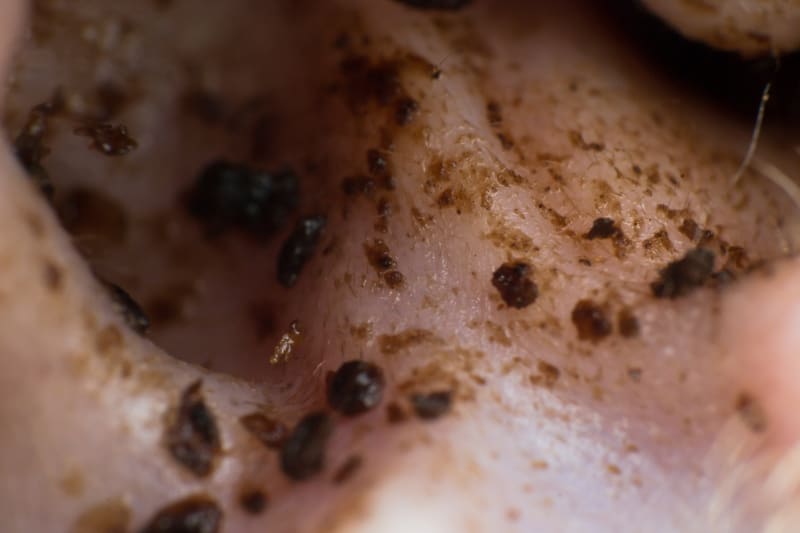
Another tell-tale sign is a dark, crumbly discharge from the ear, resembling coffee grounds. This discharge is a mix of earwax, blood, and the mites themselves. If you notice this, it’s time to take action.
Have you ever seen your cat rubbing its ears against furniture or the floor? This behavior often points to an ear mite problem. Left untreated, ear mites can lead to more severe issues like ear infections or even hearing loss.
So, what can you do? Regularly check your cat’s ears for any signs of mites or unusual discharge. If you suspect an infestation, consult your vet for a proper diagnosis and treatment plan.
Are you worried about ear mites spreading to other pets in your home? Remember, ear mites are highly contagious. Prompt treatment not only helps your cat but also protects your other furry family members.
:strip_icc()/about-ear-mites-dogs-and-cats-3384667_final-8dbaa8f5eb53452da5516085dee7c5d2.png)
Credit: www.thesprucepets.com
Transmission Of Ear Mites
Ear mites are a common problem in cats, and understanding how they spread is crucial for preventing an infestation. These tiny pests can cause significant discomfort for your furry friend, leading to itching, inflammation, and even infection. But how exactly do these pesky critters make the leap from one cat to another?
How Ear Mites Spread
Ear mites, scientifically known as Otodectes cynotis, are highly contagious. They are primarily spread through direct contact between animals. For example, if your cat snuggles with a furry friend who has ear mites, those mites can easily crawl onto your cat’s fur and find their way into the ears.
But it’s not just direct contact that poses a risk. Ear mites can also be transmitted through shared bedding or grooming tools. So, if your cat shares a cozy bed or a favorite brush with another animal, there’s a chance the mites can hitch a ride.
Risk Factors For Contagion
Some cats are more at risk than others. Kittens and young cats are particularly susceptible because their immune systems are still developing. If you have multiple pets, an infestation in one can quickly spread to others, especially in multi-cat households.
Outdoor cats face additional risks. They are more likely to encounter other animals, increasing the chance of catching ear mites. Even brief interactions with infected animals can lead to transmission.
Have you ever noticed your cat scratching more than usual after a playdate with a neighborhood cat? It’s a reminder of how quickly ear mites can spread. Regular vet check-ups and careful monitoring are essential in catching any signs early.
Understanding the transmission of ear mites helps you take practical steps to protect your cat. Regularly clean your cat’s bedding and grooming tools, and be cautious with interactions with unfamiliar animals. With a proactive approach, you can keep your feline friend ear mite-free.
Identifying Ear Mite Infestation
Ear mites spread quickly among cats, causing itchy ears and discomfort. Watch for scratching and dark wax buildup. Regular vet check-ups help prevent transmission and ensure a healthy feline environment.
Identifying an ear mite infestation in your cat can be crucial to maintaining their health and comfort. Ear mites are tiny parasites that can cause significant irritation and discomfort for your feline friend. Being vigilant about recognizing the signs can lead to quicker treatment and less stress for your pet.Signs And Symptoms
Recognizing the signs of an ear mite infestation is the first step. Does your cat frequently scratch its ears or shake its head? These actions can often indicate the presence of ear mites. You might also notice a dark, crumbly discharge, resembling coffee grounds, in your cat’s ears. This discharge is a telltale sign of ear mites. Additionally, keep an eye out for redness or inflammation around the ears. If your cat seems more irritable than usual, it might be due to the discomfort caused by these pesky parasites.Diagnosis Methods
Once you suspect an ear mite infestation, confirming it with a proper diagnosis is essential. One method is a visit to the vet, where they will examine your cat’s ears with an otoscope. This tool helps them see the mites moving within the ear canal. Alternatively, your vet may take a swab of the ear discharge and examine it under a microscope. This allows them to identify the mites and confirm the infestation. At-home checks can also be part of your routine. Regularly inspect your cat’s ears for any unusual signs. This proactive approach can help catch ear mites early and ensure timely treatment. Have you ever had to diagnose ear mites in your cat? What signs tipped you off? Sharing your insights could help other cat owners remain vigilant.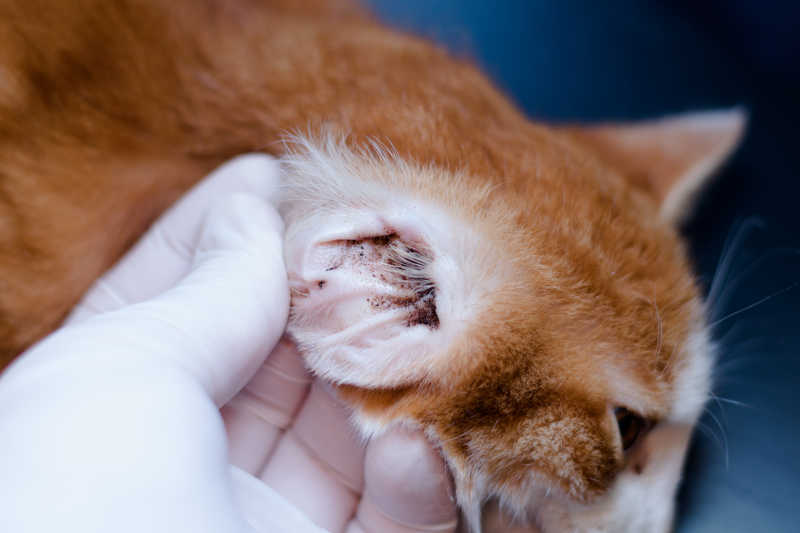
Credit: www.smalldoorvet.com
Preventing Ear Mite Spread
Ear mites easily spread among cats through close contact. Regular cleaning and separate bedding can help prevent transmission. Monitoring for symptoms like head shaking and scratching is vital for early detection and control.
Preventing the spread of ear mites in cats is crucial. These tiny pests can cause irritation and discomfort. They can easily move from one cat to another. Understanding how to prevent their spread can protect your feline friends. Here are some practical tips to keep ear mites at bay.Home Precautions
Regular cleaning is vital. Keep your cat’s bedding clean. Wash it frequently using hot water. This will kill any lingering mites. Vacuum carpets and furniture regularly. This helps remove any mites that may have fallen off your cat. Consider using a steam cleaner for deep cleaning. Separate infected cats from healthy ones. This minimizes the chance of mites spreading. Keep an eye on all pets. Watch for signs of ear mites, like scratching or head shaking. Early detection can prevent a widespread issue.Veterinary Guidance
Regular check-ups with a vet are essential. A professional can spot early signs of ear mites. They can also advise on the best treatment options. Always follow the vet’s recommendations closely. Use vet-approved treatments for ear mites. Over-the-counter solutions may not be effective. A vet can prescribe the right medication for your cat. Follow the treatment plan to the letter. This ensures the mites are completely eradicated.Treating Ear Mites In Cats
Ear mites are tiny parasites that can cause discomfort in cats. They lead to itching, inflammation, and can disrupt your cat’s well-being. Treating ear mites promptly is crucial to ensure your cat’s comfort and health. Effective treatment options can help alleviate symptoms and restore your cat’s peace.
Medications And Remedies
Various medications are available to treat ear mites in cats. Veterinary-prescribed drops are commonly used for effective treatment. These drops kill mites and reduce inflammation in the ear canal. Over-the-counter solutions can also aid in treating mild infestations. Always consult a vet before using any medication. They can recommend the best treatment based on the severity of the infestation.
Natural remedies can offer relief alongside medications. Olive oil can soothe irritated ears and help remove debris. Apply a few drops to your cat’s ear and gently massage. This helps dislodge mites and soothe inflammation. Regular cleaning with a gentle solution can also prevent future infestations.
Aftercare And Follow-up
After treating ear mites, proper aftercare is essential. Monitor your cat’s ears for any signs of recurring mites. Regularly clean your cat’s ears to maintain hygiene. This prevents future infestations and keeps your cat comfortable.
Schedule follow-up appointments with your veterinarian. They can check if the treatment was successful. Vets may suggest additional measures to ensure your cat remains mite-free. Keeping an eye on your cat’s behavior is crucial. Watch for excessive scratching or head shaking. These could indicate lingering issues needing attention.
Impact On Other Pets
Ear mites easily spread from cats to other pets like dogs and rabbits. These tiny parasites cause discomfort and irritation in animals. Regular check-ups and prompt treatment help prevent their transmission among household pets.
Ear mites in cats can be more than just a minor inconvenience; they can pose a risk to other pets in your household. These tiny parasites are incredibly contagious, and if left unchecked, they can spread from your feline friend to other furry companions. Understanding the impact on other pets is crucial for maintaining a healthy and happy home environment.Contagion Among Household Animals
Ear mites are not picky about their hosts. They can easily move from one animal to another. If your cat is scratching its ears more than usual, it might be time to check if these pesky mites have made a home there. Once one pet is affected, others in close contact can quickly become hosts, too. Dogs, rabbits, and even ferrets can catch ear mites from a cat. Have you noticed your pets spending a lot of time together? This increases the risk of transmission. Observing your pets’ behavior can be a good indicator. If your dog starts shaking its head or scratching its ears, it might be mimicking your cat. This could be a sign that ear mites have spread.Preventive Measures For Other Pets
Preventing the spread of ear mites requires vigilance and care. Regularly check your pets’ ears for any signs of infection. Look for redness, excessive scratching, or dark debris that resembles coffee grounds. Clean your pets’ bedding and toys frequently. Ear mites can survive for a short period outside a host, so keeping a clean environment helps reduce the risk of spreading. Consider separating your pets temporarily if one is diagnosed with ear mites. This can prevent further transmission while you treat the affected pet. Have you thought about regular vet check-ups? They can catch issues early, preventing a minor problem from becoming a household epidemic. Incorporating these simple steps into your routine can help protect your pets. Imagine the peace of mind knowing your furry family members are safe from these irritating parasites.Myths And Facts
Ear mites can spread easily among cats. These tiny parasites cause itching and discomfort. Regular vet checks help prevent infestations.
Dealing with ear mites in cats can be a daunting task, especially with the myriad of myths and facts surrounding their contagious nature. Many cat owners find themselves sifting through misinformation, trying to discern truth from fiction. In this section, we’ll unravel common misconceptions and back up the facts with scientific evidence to help you better understand how ear mites spread.Common Misconceptions
A prevalent myth is that ear mites can jump from one cat to another without any contact. This is not true. Ear mites are primarily spread through direct contact. If your cat is an outdoor explorer, they are more susceptible to picking up these pesky mites from other animals. Another common misconception is that ear mites can be transmitted to humans. While it’s true that mites can cause itching on human skin, they cannot survive on humans. They are species-specific, mainly affecting cats and sometimes dogs. Some believe that all ear infections in cats are due to mites. However, this isn’t always the case. Other factors, such as bacteria or yeast, can also cause ear infections.Scientific Evidence
Scientific studies show that ear mites, scientifically known as Otodectes cynotis, are highly contagious among animals. They can easily transfer from one pet to another in environments where pets mingle, such as shelters or multi-pet households. Research indicates that about 50% of ear infections in cats are due to ear mites. This statistic highlights the importance of early diagnosis and treatment. Regular vet check-ups can catch mites before they become a bigger problem. An interesting fact is that ear mites can cause severe discomfort. If left untreated, they can lead to secondary infections. This makes it crucial to act quickly if you suspect your cat has ear mites. Have you ever wondered if your cat’s excessive scratching is more than just a habit? Being informed about these myths and facts can make a significant difference in your cat’s comfort and health. Remember, knowledge is your best tool in ensuring your feline friend stays mite-free.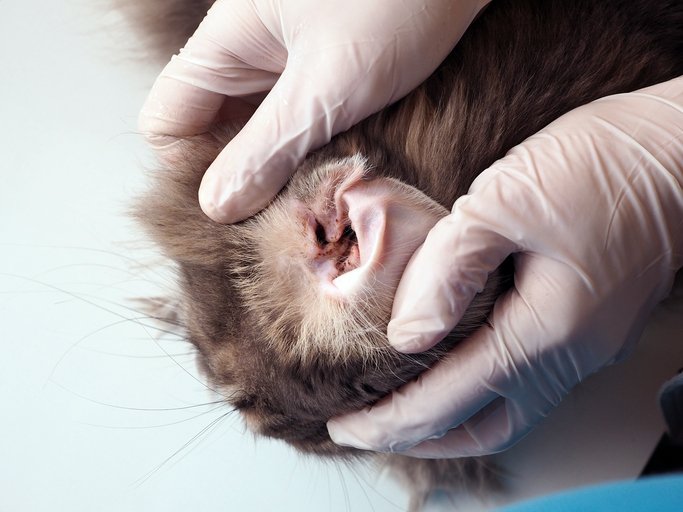
Credit: www.reedanimalhospital.com
Frequently Asked Questions
Can Ear Mites In Cats Transfer To Humans?
Ear mites in cats rarely transfer to humans. They prefer feline hosts and seldom cause issues for people. Regular pet check-ups can prevent any potential transfer. Keep your cat’s environment clean to reduce risks. Always consult a vet for concerns about ear mites.
Do I Need To Isolate My Cat With Ear Mites?
Yes, isolating your cat with ear mites is recommended. It prevents the spread to other pets. Regularly clean the environment and wash your cat’s bedding to ensure thorough treatment. Contact your veterinarian for appropriate medication to treat the ear mites effectively.
Can A Cat With Ear Mites Be Around Other Cats?
Cats with ear mites can infect other cats easily. It’s best to keep them separate until treated. Ear mites spread through close contact, so isolation prevents transmission. Consult a vet for effective treatment and advice. Regular check-ups ensure all cats remain healthy and mite-free.
Can Ear Mites Infest Your House?
Ear mites typically remain on their host and don’t infest homes. Regular cleaning and pet treatment can prevent spread. Keep pets’ bedding clean to reduce risks. Consult a vet for effective treatment options. Mites can cause discomfort for pets, so prompt action is advisable.
Conclusion
Ear mites can spread easily among cats. They cause discomfort and itching. Regular check-ups help catch them early. Clean your cat’s ears often to prevent mites. Watch for scratching or head shaking. These can be signs. Keep infected cats separate to stop the spread.
Consult a vet for treatment options. They provide the best advice. Ear mites are treatable with the right care. A healthy home means happy cats. Keep an eye out and act fast. Your feline friend will thank you.