Ever walked into your home only to find a suspicious puddle somewhere it shouldn’t be? If your cat is avoiding the litter box, you’re not alone.
Many cat owners face this puzzling behavior, and it can be both frustrating and worrying. Your once well-trained feline friend might suddenly decide the litter box is no longer appealing, leaving you to wonder why. This change can signal anything from a minor preference shift to a serious health issue.
But don’t stress just yet. By understanding the reasons behind your cat’s behavior, you can take steps to resolve the issue and restore harmony in your home. Stick around to discover the surprising factors that might be causing your cat to snub the litter box, and learn effective solutions to get them back on track.
Credit: dceastleigh.org
Common Reasons For Avoiding The Litter Box
Is your feline friend suddenly ignoring their litter box? You’re not alone. Cats may stop using their litter box for various reasons, and it’s crucial to identify them. Understanding the common reasons can help you address the issue and restore harmony in your home.
Medical Issues
If your cat isn’t peeing in the litter box, they might have a medical problem. Conditions like urinary tract infections or kidney stones can cause discomfort. Watch for signs like straining or vocalizing during urination, and consult your vet.
Stress And Anxiety
Cats are sensitive to changes in their environment. Have you recently moved or introduced a new pet? Such changes can stress your cat, leading them to avoid the litter box. Creating a calm and stable environment can make a huge difference.
Behavioral Problems
Sometimes, a cat’s refusal to use the litter box is behavioral. Perhaps they’re unhappy with the litter type or box cleanliness. Ensure the box is clean and experiment with different litter types to find one your cat prefers.
Territorial Marking
Is your cat marking their territory? This behavior is more common in unneutered males, but it can happen with any cat. They might be responding to the presence of another cat or animal. Neutering and ensuring your cat feels secure can reduce marking behavior.
Have you experienced these issues with your cat? How did you tackle them? Share your insights in the comments below!
:strip_icc()/cat-pooping-outside-box-554017-b408bc2885e042a5a1937e7e0b183b5a.jpg)
Credit: www.thesprucepets.com
Medical Conditions Impacting Urination
When your cat stops using the litter box, it might be more than a behavior issue. Medical conditions can play a significant role in altering your cat’s urination habits. Understanding these health concerns can help you address the issue effectively and get your feline friend back on track.
Urinary Tract Infections
Urinary Tract Infections (UTIs) are a common culprit when cats avoid the litter box. A UTI can cause pain and discomfort during urination, leading your cat to associate the litter box with this unpleasant experience. You might notice your cat straining or crying out when trying to urinate, a clear sign to consult your vet.
Bladder Stones
Bladder stones can block the flow of urine, causing your cat to stop using the litter box. These stones form from minerals in your cat’s urine and can be incredibly painful. If your cat is urinating in unusual places or seems to be in distress, it’s crucial to get a vet check-up for possible bladder stones.
Kidney Disease
Kidney disease impacts your cat’s ability to filter toxins from their blood, which can alter urination habits. Cats with kidney disease may urinate more frequently and in larger volumes. If you notice increased thirst or urination, it might be time to discuss kidney health with your veterinarian.
Have you noticed any of these symptoms in your cat? Addressing these medical concerns not only helps solve the litter box issue but also improves your cat’s overall well-being. Regular vet visits and monitoring can prevent these conditions from becoming more serious. How can you ensure your cat stays healthy and happy?
Environmental Factors
Changes in the environment can confuse cats, causing them to avoid the litter box. New furniture, loud noises, or a different room layout might be distressing. Cats need stable surroundings to feel secure and use their litter box comfortably.
Cats are sensitive creatures. Their environment plays a key role in their behavior. Environmental factors can cause a cat to avoid the litter box. Understanding these factors can help solve the issue. Let’s explore some common environmental concerns.Litter Box Location
The location of the litter box matters. Cats prefer quiet, private spaces. Avoid placing it near noisy appliances or in high-traffic areas. A calm spot encourages your cat to use the box. If it’s hidden or hard to reach, your cat might not use it. Ensure it’s easy to find and access.Litter Type Preferences
Cats can be picky about litter type. They have preferences just like we do. Some like clumping litter, others prefer non-clumping. Scented litter might deter them. Experiment with different types to find what your cat likes. Observe their behavior to understand their preference.Cleanliness Of The Litter Box
Cats dislike dirty litter boxes. Regular cleaning is crucial. Scoop waste daily and change litter often. A clean box attracts your cat. Dirty boxes can drive them away. Ensure the box is fresh and odor-free. This encourages regular use. Keep the box tidy for a happy cat.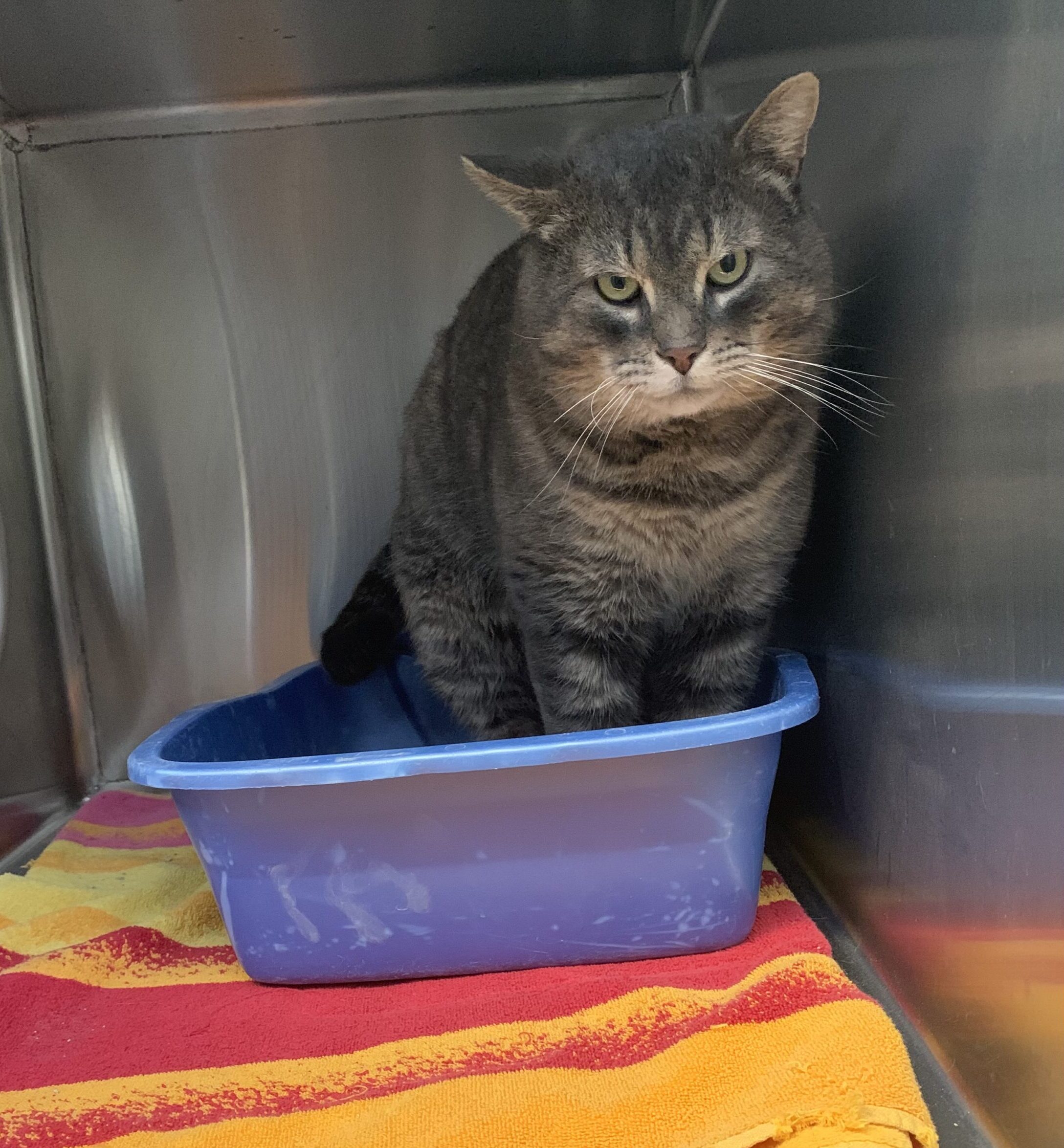
Credit: ontariospca.ca
Behavioral Solutions
Understanding why your cat isn’t using the litter box can be frustrating. Behavioral solutions can help address this issue effectively. These strategies focus on training and positive reinforcement. They also address territorial behavior. This approach helps both the pet and the owner.
Training Techniques
Training your cat requires patience and consistency. Start by placing the litter box in a quiet place. The location should be away from loud noises and distractions. Ensure the litter box is clean and inviting. If the box smells bad, your cat might avoid it. Use toys or treats to guide your cat to the box. Reward them when they use it correctly. Repeat this process regularly to build a habit. This helps your cat understand where to go.
Positive Reinforcement
Encourage your cat using positive reinforcement. Praise them when they use the litter box. Offer treats or gentle petting as rewards. Avoid scolding or punishment. Negative reactions can cause stress and fear. Positive reinforcement builds trust and confidence. Your cat learns that using the box leads to good outcomes. This method strengthens the bond between you and your pet.
Addressing Territorial Behavior
Territorial issues can affect litter box usage. Cats are territorial creatures by nature. They may avoid the box if they feel threatened. Ensure your cat feels secure in their space. Provide individual boxes for each cat in multi-cat households. Separate boxes help reduce territorial disputes. Clean each box regularly to remove scents from other cats. This encourages your cat to use their own box. A secure and personal space can improve litter box habits.
Reducing Stress And Anxiety
A cat not peeing in the litter box might signal stress or anxiety. Changes in routine or environment can affect feline habits. Observing behavior and ensuring a comfortable space helps address these issues.
If your cat isn’t using the litter box, stress and anxiety might be the culprit. Cats are sensitive creatures, and even subtle changes in their environment can trigger stress. Addressing these emotional factors can be the key to resolving litter box issues. Let’s dive into some practical ways to help your furry friend feel more at ease.Creating A Safe Space
Think about what makes you feel safe and comfortable. Your cat needs a sanctuary too. Start by setting up a quiet area away from noise and foot traffic. Add cozy elements like a soft bed or blanket. This can be their go-to spot when they feel overwhelmed. Remember the time your cat hid under the bed during a thunderstorm? A safe space prevents them from feeling trapped or scared.Using Calming Products
Have you tried calming products? They can work wonders. Consider using pheromone diffusers, sprays, or collars designed to reduce anxiety. These products mimic natural cat pheromones, helping to soothe your pet. They’re especially useful during changes like moving homes or introducing a new pet. Picture how a soothing scent calms you after a hectic day. Your cat can benefit from similar calming effects.Routine And Consistency
Routine is crucial for cats. They thrive on predictability. Ensure feeding, playtime, and cleaning the litter box occur at consistent times each day. Cats can feel uneasy with sudden changes. Maintaining a routine gives them a sense of control. Think back to how your cat reacts when you alter their meal schedule. A stable routine can alleviate their stress and support healthier habits. Is there something else stressing your cat? Identifying and addressing it can make a difference. Remember, reducing stress and anxiety is a journey, and even small changes can have a big impact.Consulting A Veterinarian
Consulting a veterinarian helps identify why a cat avoids the litter box. Health issues, stress, or behavioral changes may be causes. Early intervention is crucial for your cat’s well-being.
Consulting a veterinarian is crucial when your cat avoids the litter box. It’s not just a behavioral issue. It might indicate health problems. Getting professional advice can help identify the root cause. A veterinarian can offer insights and solutions to ensure your cat’s well-being.When To Seek Professional Help
If your cat hasn’t urinated in the litter box for a day, it’s time to act. Unexplained urination problems can suggest serious health issues. Watch for signs like straining or crying in pain. These symptoms need immediate attention. Delaying can worsen your cat’s condition.Diagnostic Tests
A vet may perform several tests to find the issue. Urinalysis is common. It checks for infections or crystals. Blood tests can reveal kidney issues. Imaging tests like X-rays might be necessary. They help detect blockages or stones. Each test provides crucial information.Treatment Options
Treatment depends on the diagnosis. Antibiotics can treat infections. Special diets help dissolve crystals. Pain relief medications ease discomfort. In severe cases, surgery may be needed. Always follow the vet’s advice for best results. Your cat’s health is their top priority.Frequently Asked Questions
Why Is My Cat Peeing On The Floor But Pooping In The Litter Box?
Your cat might be peeing on the floor due to stress, medical issues, or a dirty litter box. Ensure the litter box is clean, check for health problems, and consider any recent changes in your cat’s environment. Addressing these can help resolve the issue.
What To Do When Cats Pee Not In The Litterbox?
Ensure the litter box is clean and accessible. Check for any health issues with a vet. Reduce stress and provide a quiet environment. Experiment with different types of litter. Consider placing multiple litter boxes around the home.
How Do I Encourage My Cat To Pee In The Litter Box?
Place the litter box in a quiet, accessible area. Keep it clean and appealing with unscented litter. Offer positive reinforcement like treats when your cat uses it. Observe your cat’s preferences and adjust the box location or litter type if necessary.
Consult a vet if issues persist.
Why Is My Cat Avoiding The Litter Box?
Cats may avoid the litter box due to stress, medical issues, or a dirty box. Ensure the box is clean and accessible. Stress from changes in the environment can also be a factor. Consult a vet if issues persist.
Conclusion
Your cat not peeing in the litter box can be stressful. Understanding the reasons is key. It might be a medical issue or behavioral problem. Check for signs of illness. Consider changes in the home environment. Cats can be sensitive to disruptions.
Clean the litter box regularly. Make it a welcoming space. Observe your cat’s habits closely. Consult a vet if needed. They can offer professional advice. Address the problem promptly. Ensure your cat’s comfort and health. A happy cat means a happy home.
Prioritize your pet’s well-being.