Have you noticed your usually calm and cheerful cat acting on edge lately? If your feline friend seems suddenly stressed, you’re not alone.
Many cat owners experience this puzzling shift in behavior. But why does it happen? Understanding the reasons behind your cat’s stress is crucial to helping them feel safe and comfortable again. You’ll discover the common causes of sudden stress in cats and learn how to address them.
We’ll explore everything from changes in their environment to potential health issues that might be affecting their mood. By the end, you’ll have a clearer picture of what’s going on with your furry companion and practical steps to help them relax. Keep reading to find out how you can bring peace back into your cat’s life.
:strip_icc()/cat-peeing-everywhere-552307_color01-9d68921633b346ac9c6a9cd4023a927f.jpg)
Credit: www.thesprucepets.com
Common Signs Of Cat Stress
Noticing sudden changes in your cat’s behavior can be worrying. Cats, like humans, can experience stress. Stress can manifest in various ways, impacting their well-being. Identifying signs of stress early helps in addressing the problem effectively. Let’s explore common signs that indicate your cat might be stressed.
Behavioral Changes
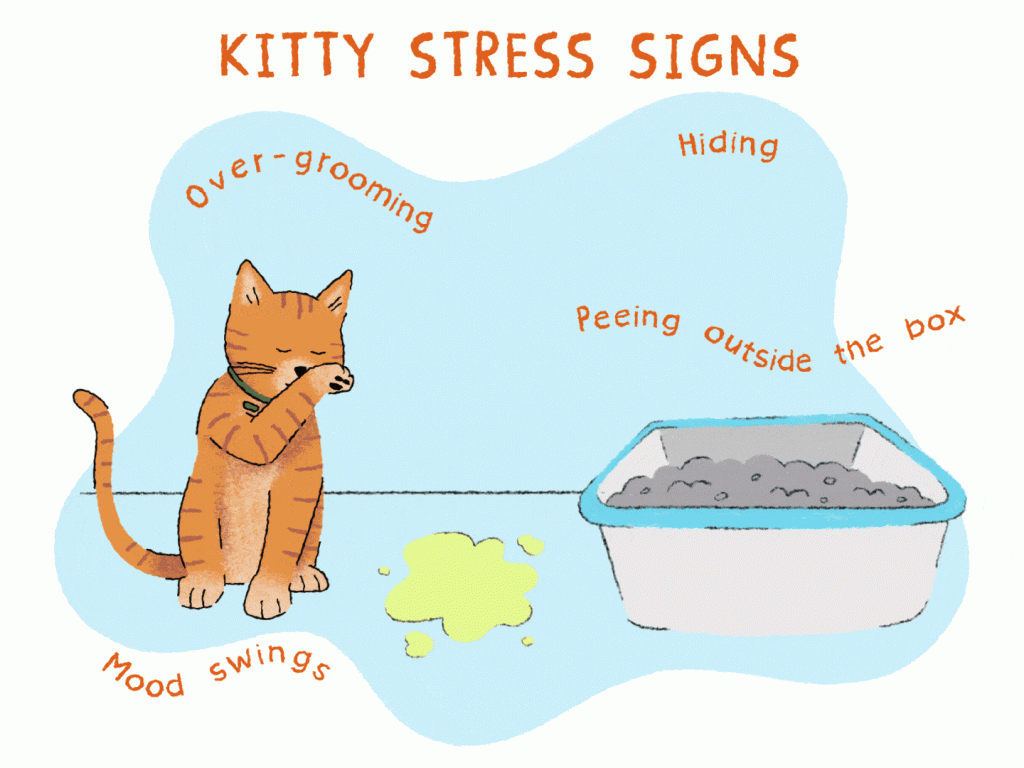
Cats often exhibit behavioral changes when stressed. You might notice increased aggression or withdrawal. A cat that usually loves attention might hide away. Some may stop using the litter box, causing concern. Excessive grooming or scratching might be another sign. These changes can disrupt the harmony in your home.
Physical Symptoms
Physical symptoms can also signal stress in cats. Loss of appetite is common during stressful times. Some cats may gain or lose weight unexpectedly. You might notice your cat sleeping more than usual. Vomiting or diarrhea can occur due to stress. Pay close attention to any changes in their physical health.
Environmental Factors
Environmental factors often play a significant role in a cat’s stress levels. Changes in surroundings can affect a cat’s emotional well-being. Even minor shifts can create anxiety. Understanding these factors helps address your cat’s sudden stress.
Changes In Living Space
Cats are creatures of habit. They thrive on routine. Alterations in their living environment can cause distress. Moving furniture may seem harmless to us. But it disrupts their familiar territory. New people or pets in the home can also be unsettling. Cats may struggle to adapt to these changes. Their safe space feels threatened.
Noise And Disruptions
Unexpected noises can startle cats. Loud sounds from construction or household appliances disturb their peace. Cats have sensitive hearing. Sudden loud noises might overwhelm them. Frequent disruptions create a stressful atmosphere. A calm and quiet environment helps reduce anxiety. Providing a peaceful space is crucial for their comfort.
Social Stressors
Cats, like humans, can experience stress due to various factors. Social stressors, in particular, can be quite perplexing as they can arise from interactions with both other pets and humans. Understanding these triggers can help you create a more harmonious environment for your feline friend.
Interactions With Other Pets
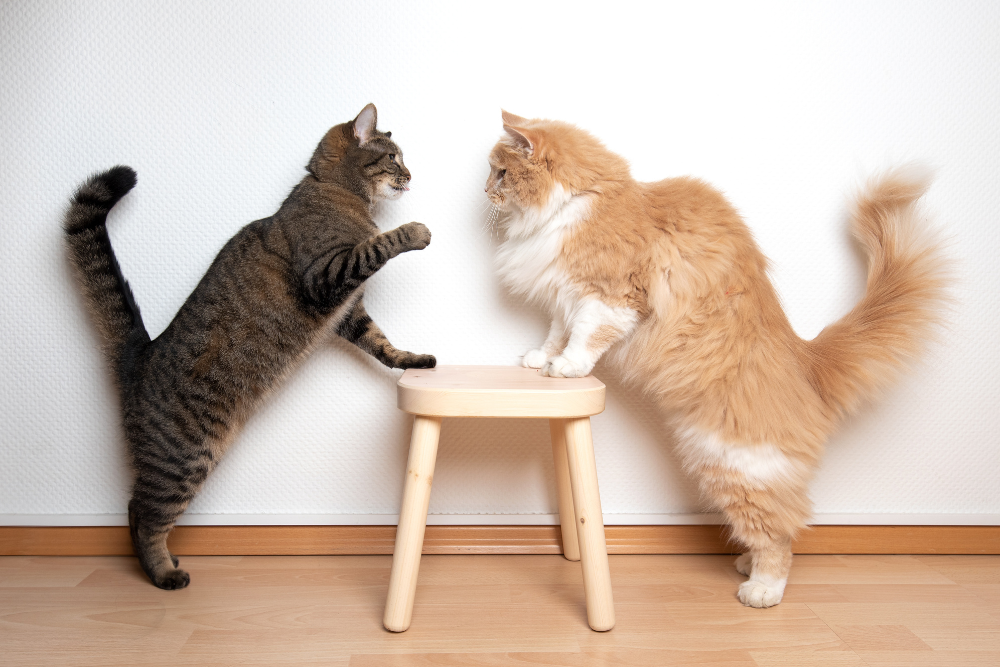
Introducing a new pet to your household can be exciting, but it might not be the same for your cat. Cats are territorial creatures, and the presence of a new animal can disrupt their sense of security. You might notice your cat hiding more often or becoming less affectionate.
Consider the dynamics between your pets. Are they fighting over food, space, or your attention? Ensuring each pet has its own designated area can alleviate some of this tension. Establishing separate feeding stations and sleeping spots can help reduce competition and foster a peaceful coexistence.
Human-cat Relationship Dynamics
Your relationship with your cat plays a significant role in their emotional well-being. Changes in your routine, such as a new job or a busier schedule, can make your cat feel neglected or anxious. Have you been spending less time playing or grooming your cat?
Sometimes, even guests or new family members can unsettle your cat. They might feel threatened or overwhelmed by unfamiliar faces. Ensure you maintain a consistent routine with your cat, and make time for daily interaction to reassure them of their importance in your life.
Think back to a time when you felt out of place or ignored. Now imagine how your cat feels when their world suddenly changes. Would a little extra attention or a new toy help them feel more secure? Simple gestures can strengthen your bond and ease their stress.
Health-related Causes
Sudden stress in cats often stems from health issues. Pain, illness, or discomfort can cause unexpected behavioral changes. Identifying underlying medical conditions is crucial to alleviate your cat’s stress and ensure its well-being.
Stress in cats can often be linked to health-related issues. Imagine your cat suddenly acting differently, avoiding playtime, or showing signs of distress. It’s natural to worry. Understanding the potential health causes behind your cat’s stress can lead you to solutions that may ease their discomfort.Illness And Pain
Cats, like humans, can become stressed when they’re feeling unwell or in pain. Have you ever noticed your cat behaving differently, like hiding or being less active? These changes can signal underlying health issues. Consider a time when my cat, Whiskers, suddenly became withdrawn. A trip to the vet revealed he had a dental issue causing him pain. Once treated, his playful nature returned. Being proactive with vet visits can help you catch problems early. Keep an eye out for signs like limping, reluctance to jump, or changes in grooming habits. It’s crucial to address these symptoms promptly.Dietary Issues
Your cat’s diet plays a significant role in their overall health and stress levels. Have you ever switched your cat’s food only to find them less energetic or more anxious? Diet changes can sometimes lead to digestive issues or discomfort. I once switched Whiskers’ food brand without realizing it contained an ingredient he was sensitive to. His stress levels soared until I reverted to his usual diet. It taught me the importance of introducing new foods gradually and monitoring his response. Ensure your cat’s diet is balanced and suitable for their age and health needs. If you notice changes in weight or digestion, consult your vet. A simple dietary adjustment can make a world of difference in reducing stress. Could your cat’s stress be linked to their diet or a hidden ailment? Taking the time to investigate can lead to happier days for both you and your furry friend.Routine And Lifestyle Changes
Cats are creatures of habit, and any disruption in their routine or lifestyle can lead to stress. Sudden changes can be unsettling for them, just like they would be for you. Understanding the specific triggers can help you manage your cat’s stress better, ensuring they remain comfortable and happy.
Altered Daily Routine
Imagine your cat waking up one day and finding their morning meal missing or delayed. Such alterations in their daily routine can be confusing and stressful. Cats thrive on predictability, so any change can throw them off balance.
Think about it. How would you feel if your daily coffee ritual was suddenly interrupted? This is similar for cats when their feeding or play times change. If you need to modify their schedule, try doing it gradually.
Slowly adjust meal times or play sessions to ease them into the new routine. Monitor their behavior for signs of distress. Are they more vocal or hiding more often? These could be indicators of stress from routine changes.
Travel And Moving
Traveling or moving can be especially stressful for your feline friend. Cats often associate their environment with safety and familiarity. A new place or being on the road can make them anxious and unsettled.
Consider taking your cat on short trips to get them accustomed to the car. For moving, set up a small, quiet area with their favorite toys and bedding in the new home first. This helps them adjust without feeling overwhelmed.
If your cat seems stressed after a move, pay attention to their needs. Are they eating less or avoiding interaction? You might need to spend extra time comforting them and providing reassurance.
Have you ever noticed how your cat reacts when you pack for a trip? Their curiosity can quickly turn into stress once they realize they might be on the move. How do you think your cat feels when their world suddenly changes?
By understanding these triggers, you can better manage your cat’s stress. This not only makes life easier for them but also strengthens your bond. What changes have you noticed affecting your cat’s mood? Addressing these can lead to a happier, healthier companion.
Psychological Factors
Sudden changes in a cat’s environment can cause stress. New pets or family members might upset your cat’s routine. Loud noises or unfamiliar scents can also contribute to anxiety.
When your cat suddenly seems stressed, psychological factors could be at play. Understanding these factors can help you address your cat’s needs. Cats, like humans, can experience anxiety and fear due to changes in their environment or routine.Separation Anxiety
Does your cat meow excessively when you leave the house? It might be experiencing separation anxiety. Cats can form strong attachments to their owners, and changes in your schedule can trigger stress. My friend’s cat, Whiskers, started acting out when she took a new job with longer hours. By arranging for a pet sitter to visit during the day, she noticed a significant improvement in Whiskers’ behavior. Think about your own schedule changes. Has anything shifted recently that might unsettle your cat?Fear And Phobias
Cats can develop fears or phobias from past experiences or new stimuli. Maybe a loud noise startled them, or a new pet in the neighborhood has them on edge. One cat owner shared how her cat, Luna, became fearful of the vacuum cleaner after an accidental close encounter. By gradually reintroducing the vacuum from a safe distance with treats, Luna’s fear gradually lessened. Consider what might be frightening your cat. Are there new sounds or visitors in your home? Understanding the source of fear can guide you to make your cat feel safe again. Address these psychological factors to help your cat feel more at ease. How can you adjust your routine or environment to support your furry friend?Solutions And Coping Strategies
Sudden changes in a cat’s environment can cause stress. New pets, loud noises, or even rearranged furniture might trigger anxiety. Calm your cat with a quiet space, toys, or soothing music to help them relax.
Sudden stress in cats can be puzzling, leaving you wondering what went wrong. But don’t worry, there are ways to help your feline friend cope. By offering solutions and coping strategies, you can ease your cat’s anxiety and bring peace back to your home. Let’s dive into some practical methods to get your kitty back to their playful, purring self.Creating A Safe Space
Every cat needs a sanctuary—a place where they can retreat to when feeling overwhelmed. Think about your cat’s favorite spots. Is it a cozy nook by the window or a hidden corner under the bed? Make this area welcoming with their favorite blanket or toy. Provide a quiet environment. Cats are sensitive to loud noises, so reducing sound levels can make them feel more secure. Remember, a stress-free cat is a happy cat.Stress Reduction Techniques
Engagement is key to reducing stress. Play with your cat using interactive toys like feather wands or laser pointers. This not only distracts them from stress but also strengthens your bond. Consider the power of scent. Cats have a strong sense of smell, and using pheromone diffusers can have a calming effect. They’re easy to use and can make a significant difference. Routine is crucial. Cats thrive on predictability. Maintain consistent feeding times and play sessions. This helps your cat feel in control of their environment. Have you ever noticed your cat pacing or hiding when guests visit? Try setting up a quiet room just for them during these times, equipped with their essentials. This can prevent stress before it even starts. By focusing on these strategies, you can help your cat overcome sudden stress and ensure they remain content and at ease. What steps will you try first to support your feline friend?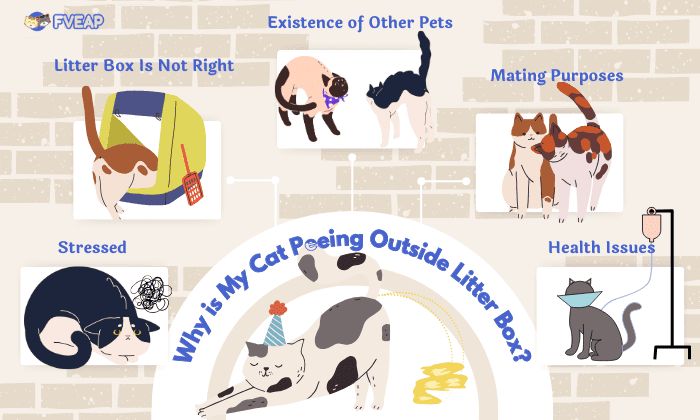
Credit: politika-ad.com
Credit: www.comfortzone.com
Frequently Asked Questions
How To Help A Cat That Is Stressed?
Create a calm environment for your cat. Provide safe hiding spots and interactive toys. Use pheromone diffusers to soothe them. Maintain a consistent routine for feeding and playtime. Consult a vet if stress persists.
Does A Messy House Stress Cats Out?
A messy house can stress cats out. Clutter disrupts their environment, causing anxiety and discomfort. Cats prefer clean, organized spaces where they feel safe. Keeping your home tidy helps maintain their well-being, promoting relaxation and happiness. Regular cleaning can reduce stress and improve your cat’s mood and behavior.
What Is The 3-3-3 Rule For Cats?
The 3-3-3 rule for cats helps them adjust in new homes. It involves 3 days to decompress, 3 weeks to settle in, and 3 months to fully trust and feel comfortable. This timeline guides owners in understanding their cat’s adjustment process.
Can Catnip Calm A Cat?
Yes, catnip can calm a cat by providing a soothing effect. It stimulates their senses and reduces stress. Most cats enjoy catnip, experiencing relaxation after play. Responses vary, as some cats may feel more energetic. Always monitor your cat’s reaction to ensure safety and comfort.
Conclusion
Recognizing stress in your cat is vital for their well-being. Sudden changes might indicate deeper issues. Observe their behavior closely. Small adjustments in their environment can help. Provide a calm, safe space. Regular vet check-ups are essential. Understand your cat’s needs.
Offer love and attention. Stress relief takes time and patience. Stay consistent with their routine. Your cat’s happiness matters. Comfort and security are key. Always be attentive to their signals. A happy cat means a happy home. Take action today for their peace of mind.