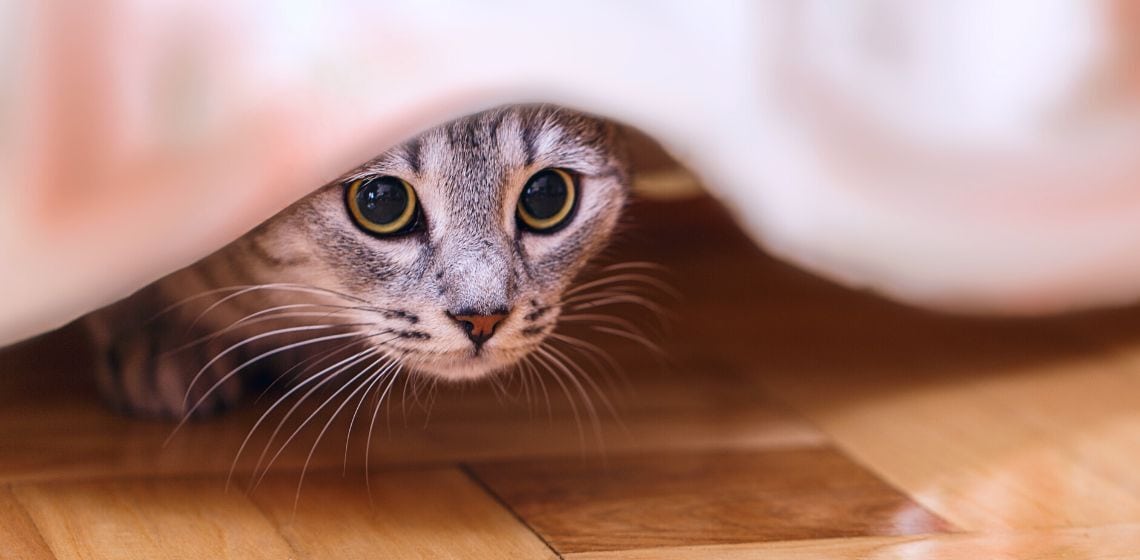
Have you ever noticed your cat acting a bit off? Maybe they’re hiding under the bed, or perhaps they’re more skittish than usual.
You might wonder, “Can a cat have anxiety? ” Just like humans, our feline friends can experience feelings of stress and anxiety. This can affect their behavior and well-being in surprising ways. You’ll discover the signs of anxiety in cats and what you can do to help.
Understanding your cat’s emotions can strengthen your bond and improve their quality of life. So, if you’re curious about what might be going on in your furry companion’s mind, read on. You might just find the answers you’re looking for, and a few practical tips to ease their worries.
Credit: thevets.com
Feline Anxiety: An Overview
Cats can experience anxiety just like humans. This issue affects many cats worldwide. Anxiety impacts a cat’s health and behavior. Understanding feline anxiety helps owners provide better care. Recognizing signs early can prevent serious health problems.
What Causes Feline Anxiety?
Changes in environment often trigger anxiety in cats. Moving to a new home can cause stress. Loud noises or unfamiliar people also contribute. Separation from owners might increase anxiety levels. Cats are creatures of habit, and disruptions unsettle them.
Common Symptoms Of Anxiety In Cats
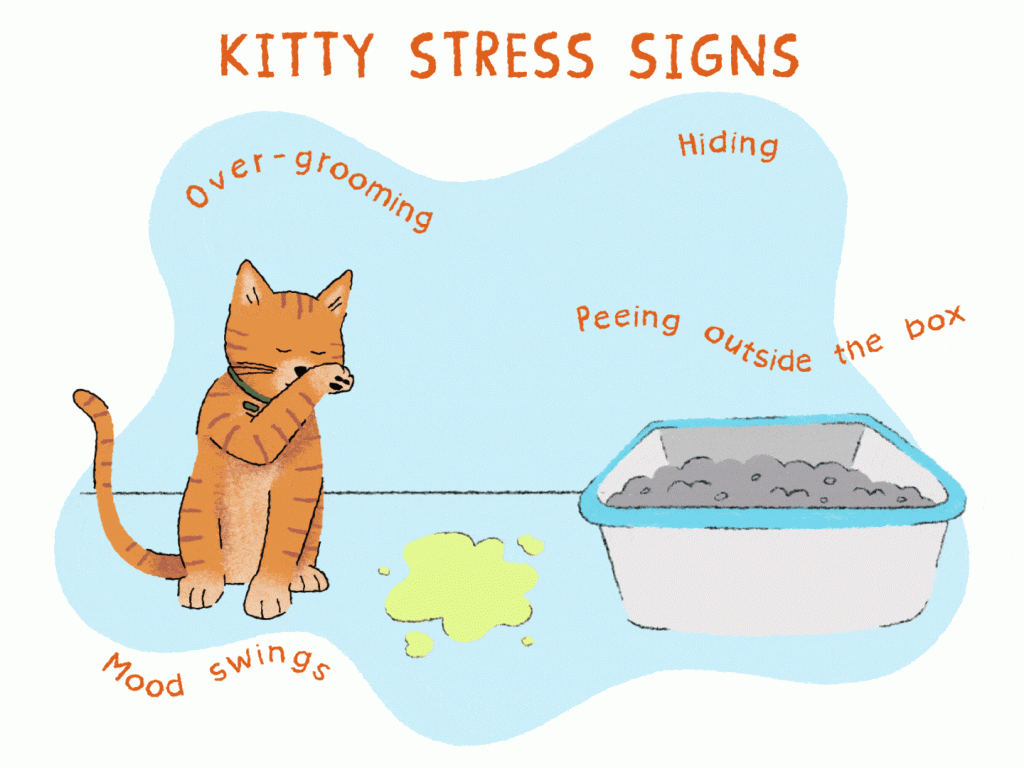
Signs of anxiety in cats vary. Excessive grooming or scratching is common. Changes in eating habits might indicate stress. Some cats become more aggressive or timid. Unusual vocalization or hiding can be symptoms. Observing these behaviors helps identify anxiety early.
How Anxiety Affects A Cat’s Health
Anxiety impacts both physical and mental health. Stressed cats often have digestive issues. Over-grooming can lead to skin problems. Anxiety may weaken the immune system. Long-term stress affects a cat’s lifespan. It’s essential to address anxiety promptly.
Managing Anxiety In Cats
Creating a calm environment helps reduce anxiety. Providing safe spaces for cats to retreat is beneficial. Regular playtime keeps cats engaged and happy. Consistent routines offer reassurance. Consulting a vet can provide additional support.
Common Causes Of Cat Anxiety
Cats can have anxiety due to various reasons. Changes in routine, new environments, or unfamiliar people might trigger stress. Loud noises or separation from their owner also contribute to feline anxiety.
Understanding the common causes of cat anxiety can help you create a more comfortable environment for your feline friend. Cats, like humans, can experience anxiety due to various triggers. Recognizing these triggers can be the first step in helping your cat feel more at ease.Environmental Changes
Cats are creatures of habit, and sudden changes in their environment can be unsettling. Moving to a new home or even rearranging furniture can make your cat feel insecure. Have you recently introduced new scents or sounds to your home? These, too, can be sources of stress for your cat. A personal experience: My cat, Whiskers, became anxious when I installed a new washing machine. The unfamiliar noise made her hide under the bed for hours.Social Stressors
Interactions with other animals or people can also cause anxiety in cats. Introducing a new pet or a frequent visitor might be overwhelming. Does your cat have a safe space to retreat to? Without a quiet spot, your cat may feel trapped and stressed. When my sister brought her dog over, my cat, Luna, started to show signs of stress. Providing Luna with a cozy sanctuary in a quiet room helped her regain calmness.Health Issues
Sometimes, anxiety may stem from underlying health problems. Pain or discomfort can make your cat feel anxious. Are you noticing changes in your cat’s behavior, like excessive grooming or withdrawal? These might be signs of a health-related anxiety issue. A vet visit can help diagnose and address any health concerns. After a routine check-up, I discovered that my cat, Shadow, had dental issues causing her anxiety. Once treated, her behavior improved significantly. Understanding what might be causing your cat’s anxiety is key to addressing it effectively. Have you noticed any other potential stressors in your cat’s life? Identifying and mitigating these can lead to a happier and healthier pet.Recognizing Anxiety Symptoms
Cats can experience anxiety, just like humans. Signs include hiding, excessive grooming, or sudden aggression. Understanding these behaviors helps in providing comfort and care.
Recognizing Anxiety Symptoms Understanding if your cat has anxiety can be challenging. Cats are naturally enigmatic creatures, often masking their discomfort. However, by observing specific symptoms, you can provide the support they need.Behavioral Changes
Notice if your cat hides more frequently. Increased aggression or excessive grooming can also signal anxiety. Watch for any sudden changes in their litter box habits.Physical Indicators
Physical symptoms often accompany anxiety. Your cat might tremble or have dilated pupils. Pay attention to excessive shedding or licking, which can lead to bald spots.Altered Eating Patterns
Is your cat eating less or more than usual? Anxiety can cause appetite changes. Monitor weight fluctuations and consult your vet if you notice drastic changes. Recognizing these symptoms early can make a significant difference. Your proactive approach can help your feline friend feel more secure and comfortable. Have you observed any of these signs in your cat? Taking action now can improve their well-being.Impact Of Anxiety On Cat Health
Just like humans, cats can experience anxiety. This emotional state can significantly affect their overall health. Understanding the impact of anxiety on a cat’s health is crucial for cat owners.
Mental Well-being
Anxiety can disrupt a cat’s mental well-being. Cats may become withdrawn or aggressive. They might hide more often or avoid interaction. This change in behavior is a clear sign of stress. It’s essential to pay attention to these signals. A stressed cat is not a happy cat.
Chronic anxiety can lead to depression. Cats may stop enjoying activities they once loved. Mental distress in cats can also affect their sleep patterns. A cat with anxiety might sleep less or more than usual. This disruption can further impact their mood and overall happiness.
Physical Health Risks
Anxiety isn’t just a mental issue for cats. It can lead to physical health risks. Stress can weaken a cat’s immune system. This makes them more susceptible to illnesses. Cats with anxiety might experience digestive issues. They may vomit or have diarrhea.
Weight loss is another common problem. Anxious cats often eat less. This can lead to malnutrition and weight loss. Some cats may overeat when anxious, leading to obesity. Monitoring your cat’s eating habits is important. It’s a key indicator of their physical health.
Long-term anxiety can also increase the risk of heart problems. High stress levels can put extra strain on a cat’s heart. Regular vet check-ups can help catch these issues early.
Ways To Manage Feline Anxiety
Cats can experience anxiety, just like humans. Create a safe space with cozy hiding spots. Use calming pheromone diffusers or sprays to help them relax. Play and interact with your cat daily to reduce stress.
Managing feline anxiety can be a challenge. Cats, like humans, experience anxiety. It can affect their behavior and well-being. Understanding how to help them is crucial. Here are some effective ways to manage feline anxiety.Creating A Calm Environment
Cats need a peaceful space. Reduce loud noises in your home. Loud sounds can be stressful. Provide hiding spots for your cat. These spots can be under a bed or in a quiet room. Soft lighting can also help. Harsh lights can make cats uneasy. Choose calming colors for your cat’s space. Blues and greens are soothing.Introducing Routine
Routine makes cats feel safe. Feed your cat at the same time daily. Playtime should be consistent too. This helps reduce anxiety. Regular grooming sessions can be calming. Cats love routine. It gives them predictability. Predictability reduces stress.Seeking Professional Help
Sometimes, professional help is necessary. A vet can assess your cat’s anxiety. They might suggest medication. Behaviorists offer guidance too. They provide strategies to manage stress. Professional advice can make a difference. Don’t hesitate to seek help. Your cat’s health depends on it.
Credit: restorapet.com
Preventing Future Anxiety Episodes
Preventing future anxiety episodes in cats requires understanding and action. Cats, like humans, can experience anxiety. It’s important to recognize the signs early and make necessary changes. By doing so, you can help your feline friend feel safe and calm. This section provides insights into early detection and proactive lifestyle changes.
Early Detection
Spotting anxiety signs early can make a difference. Look for changes in behavior. Is your cat hiding more often? Or grooming excessively? These could be signs of anxiety. Listen to their vocalizations. Increased meowing can indicate stress. Also, pay attention to eating habits. A sudden loss of appetite might be a red flag.
Proactive Lifestyle Changes
Creating a stable environment helps reduce anxiety. Provide a consistent routine. Feed and play with them at the same times daily. Offer plenty of stimulation. Toys and interactive games keep them engaged. Consider adding vertical spaces. Cats love climbing, which can relieve stress. Ensure a quiet, safe space for them to retreat. This can be a cozy bed or a separate room. Regular vet check-ups also prevent health issues that can cause anxiety.
Role Of Diet In Stress Management
Many pet owners don’t realize the impact of diet on cat anxiety. A well-balanced diet plays a crucial role in stress management for felines. Cats, like humans, need specific nutrients to maintain mental health. Providing the right food can help reduce stress levels in anxious cats.
Nutritional Support
Proper nutrition is essential for a cat’s mental well-being. Foods rich in omega-3 fatty acids support brain function. These include fish oils and certain pet foods. Protein is equally important. It helps produce serotonin, a mood stabilizer. High-quality cat food should contain sufficient protein. Vitamins and minerals also play a part. B vitamins, in particular, help reduce stress. They aid in neurotransmitter production. Ensure your cat’s diet includes these nutrients.
Supplements
Supplements can aid in managing cat anxiety. Many are designed to promote calmness. L-theanine, found in green tea, supports relaxation. It can be given as a supplement. Another option is tryptophan. This amino acid helps produce serotonin. It’s available in various supplement forms. Always consult a vet before introducing new supplements. They can recommend the best options for your cat.
Understanding Your Cat’s Behavior
Understanding your cat’s behavior is key to identifying anxiety. Cats, like humans, can experience stress and anxiety. Recognizing the signs can help you provide comfort and care. Knowing what to look for will strengthen your bond with your feline friend.
Body Language Clues
Cats communicate through body language. Watching their movements can reveal much about their feelings. A cat with anxiety might tuck its tail tightly. Flattened ears often indicate fear or stress. Rapid tail movements can signal agitation. Pay attention to their eyes. Wide, dilated pupils suggest heightened anxiety. Each movement tells a story. Learn to read these signs. It can help you identify changes in your cat’s mood.
Bonding With Your Cat
Spending quality time builds trust and reduces anxiety. Engage in regular play sessions. Use toys that stimulate their instincts. Gentle petting can reassure your cat. Speak softly to create a calming environment. Routine is comforting. Feed them at the same time daily. Consistency helps them feel secure. A safe, quiet space provides comfort. Let them retreat when they need to. These small actions can strengthen your bond and ease their anxiety.

Credit: www.pawmaw.com
Frequently Asked Questions
What Are Signs Of Cat Anxiety?
Signs of cat anxiety include excessive grooming, hiding, aggression, and loss of appetite. Changes in litter box habits and vocalization may occur. Increased restlessness or pacing are common. Watch for unusual behaviors or clinginess.
What To Give Anxious Cats?
Offer calming treats or supplements designed for cats. Use Feliway diffusers to create a soothing environment. Provide interactive toys to keep them engaged. A cozy, quiet space can help them relax. Always consult your vet for appropriate recommendations.
How Long Does It Take For A Cat To Get Over Stress?
Cats typically recover from stress within a few days to a few weeks. Ensure a calm environment and provide comforting spaces. Consult a vet if stress persists. Regular play and gentle interaction can help speed up recovery. Monitor changes in behavior for early signs of improvement.
What Triggers Anxiety In Cats?
Loud noises, unfamiliar environments, or changes in routine can trigger anxiety in cats. Lack of socialization or past trauma may also contribute. Ensure a safe, stable environment to reduce stress. Regular play and interaction can help alleviate anxiety symptoms in your feline friend.
Conclusion
Understanding cat anxiety helps improve their well-being. Watch for signs like hiding, excessive grooming, or aggression. These behaviors might indicate anxiety. Consult a vet if you notice changes. They can suggest treatments or strategies. Create a calm environment for your cat.
Provide safe spaces and routine. Toys and playtime help reduce stress. Cats are sensitive. They need our care and attention. Recognizing anxiety improves their quality of life. A happy cat means a happy home. Remember, patience and love are key.
Your cat depends on you for comfort and support.