Ever wondered how your feline friend came into this world? Understanding how cats breed isn’t just for veterinarians or cat breeders; it’s fascinating and can help you care for your pet better.
Whether you’re a seasoned cat owner or a curious newbie, knowing more about cat reproduction can deepen your bond with your furry companion. You’ll discover the intriguing process of how cats bring new life into the world. Prepare to uncover the secrets of feline reproduction that may surprise and captivate you.
Ready to dive in and satisfy your curiosity? Let’s explore the wonders of how cats breed!
Credit: www.petmd.com
Natural Breeding Cycle
The natural breeding cycle of cats is a fascinating process. It involves several stages, each crucial for reproduction. Understanding these stages helps in comprehending feline behavior better. Cats are unique creatures with distinct breeding habits. This section delves into the intricacies of their natural breeding cycle.
Heat Periods
Female cats enter heat during specific times of the year. This period is also known as the estrus cycle. Cats in heat display noticeable behavioral changes. They may become more vocal and affectionate. Some cats may also exhibit increased activity levels. Heat periods last for several days, recurring every few weeks. The frequency depends on the breed and environmental factors. During this time, female cats are fertile and ready to mate.
Mating Behaviors
Mating behaviors in cats are intriguing and complex. Male cats are drawn to females in heat by scent and sound. Males often engage in courtship rituals, which include yowling and marking territory. This behavior signals readiness to mate. The actual mating process is quick, often lasting only a few minutes. After mating, the female cat may exhibit a rolling or grooming behavior. This is a normal part of their mating cycle. Successful mating can lead to pregnancy within a few weeks.
Anatomy Of Reproduction
Understanding how cats breed involves exploring their reproductive anatomy. Cats, like many mammals, have complex reproductive systems. These systems enable them to reproduce effectively. Let’s dive into the specifics of the female and male reproductive systems in cats.
Female Reproductive System
The female cat’s reproductive system starts with the ovaries. These small organs produce eggs and hormones. The Fallopian tubes connect the ovaries to the uterus. The uterus is where the fertilized egg develops into a kitten. The uterine lining provides nutrients to the growing embryo. The vagina connects the uterus to the outside world. It serves as the birth canal during delivery.
Female cats, known as queens, experience cycles of heat. This is called estrus. During this time, they are ready to mate. Estrus can occur multiple times a year. Each cycle lasts about a week. Queens often show signs like increased vocalization and restlessness.
Male Reproductive System
The male cat’s reproductive system includes the testes. These organs produce sperm and testosterone. The sperm travels through the vas deferens. This tube connects to the urethra. The urethra runs through the penis. During mating, sperm is transferred to the female.
Male cats, called toms, have barbed penises. These tiny barbs stimulate the female during mating. This action triggers ovulation in the female. Toms are ready to mate at any time. They do not have a specific breeding season.
Both systems are vital for successful breeding. Each plays a crucial role in producing healthy kittens. Understanding these systems helps in managing cat breeding effectively.
Gestation And Pregnancy
Cats breed through a fascinating process involving mating, gestation, and the birth of kittens. Female cats experience a gestation period of about 63 to 65 days. During this time, they carry developing kittens, preparing for their arrival into the world.
Understanding the gestation and pregnancy process in cats is fascinating. It is a crucial phase in a cat’s life, encompassing the journey from conception to the birth of kittens. Observing your feline friend as she navigates this period can deepen your bond and enhance your understanding of her needs.Pregnancy Duration
Cats typically experience a pregnancy duration of about 63 to 67 days. However, it can vary slightly depending on the breed and individual cat. Knowing the timeline helps you prepare for the arrival of new kittens. Is your cat expecting? It might be time to mark the calendar. This anticipation can bring excitement and responsibility.Signs Of Pregnancy
Recognizing the signs of pregnancy in your cat can help you provide the best care. One of the earliest signs is a noticeable change in her nipples, which become enlarged and pink. This change often occurs around the third week. You might also notice an increase in appetite. Your cat may seek out more food as her body supports the growing kittens. Additionally, her abdomen will gradually enlarge. Have you seen her napping more than usual? Increased rest is common as her body conserves energy for the developing kittens. Caring for a pregnant cat involves understanding these signs. What changes have you noticed in your cat? These observations can guide how you care for her during this unique time.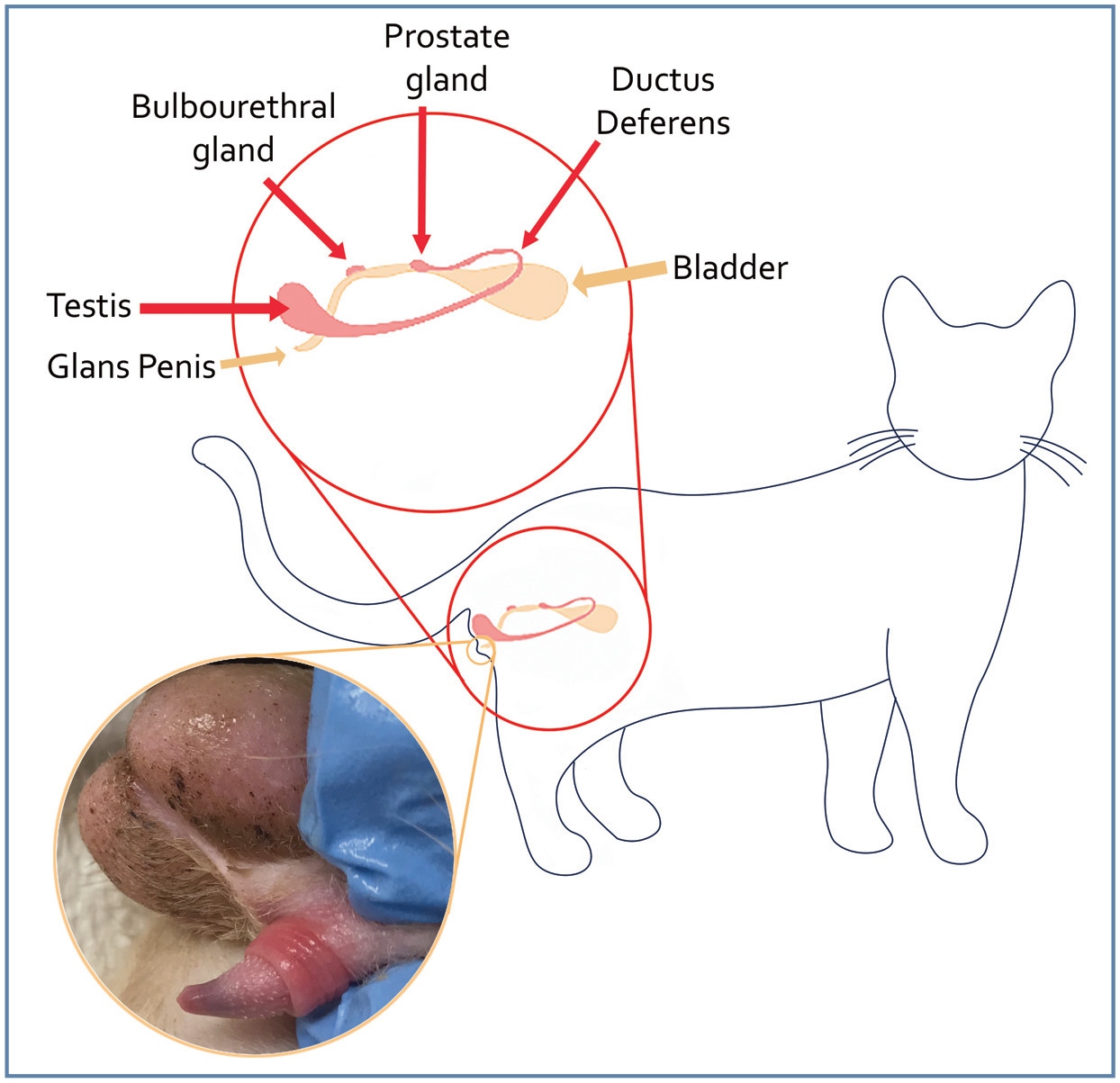
Credit: www.pashudhanpraharee.com
Birthing Process
The birthing process in cats is a fascinating journey filled with instinct and care. If you’ve ever wondered how these mysterious creatures welcome their offspring into the world, you’re not alone. Understanding the stages and providing the right care is crucial for both the mother cat and her kittens. Whether you’re a cat owner or a feline enthusiast, witnessing or assisting in this process can be an eye-opening experience.
Stages Of Labor
Labor in cats consists of three main stages. During the first stage, the mother cat will become restless and may start nesting. This is her way of preparing a safe space for the birth.
The second stage is when the actual birthing occurs. The mother cat will experience contractions, and you might notice her licking herself to clean the area and stimulate the birthing process. Kittens usually arrive every 15 to 30 minutes.
The third stage involves the expulsion of the placenta. It’s important for the mother cat to eat the placenta, as it provides nutrients and helps stimulate milk production. If she doesn’t, you can gently remove it.
Care For Newborn Kittens
Newborn kittens are delicate and need immediate attention. Ensure they are breathing and moving. You can gently rub them with a towel to stimulate breathing if needed.
Keeping the area warm is crucial. A soft blanket and a warm room can help the kittens adjust to their new environment. Monitor their feeding; they should start nursing within a couple of hours.
It’s important to note that the mother cat should be allowed to care for her kittens as much as possible. However, if she seems disinterested or if the kittens are struggling, you may need to step in with bottle feeding.
Have you ever assisted in the birthing process? Share your experiences and insights. Your stories might help someone facing this situation for the first time.
Influence Of Genetics
The influence of genetics on cat breeding is a fascinating subject. Understanding how genetics play a role in breeding helps you appreciate why your cat behaves and looks the way it does. Every cat has unique genetic traits that affect their appearance, behavior, and health.
Genetic Traits
Genetic traits are the characteristics passed from parents to kittens. These include fur color, pattern, eye color, and even personality. You might notice your cat has a specific pattern or color similar to its parents.
Did you know that Siamese cats are known for their striking blue eyes? This trait is genetically inherited. Similarly, the distinctive curly fur of Devon Rex cats is a result of a unique genetic mutation.
Next time you look at your cat, consider which traits they might inherit from their parents. Are there any surprises? Understanding these traits can help predict future generations.
Selective Breeding
Selective breeding is a practice used to enhance certain traits in cats. Breeders choose cats with desirable characteristics to mate, hoping their kittens will inherit these traits. This method can improve health, appearance, and behavior.
Imagine if your cat’s playful nature could be passed on to its offspring. Selective breeding aims to retain these positive traits in future generations. It requires careful planning and knowledge of genetics.
But it’s not all about looks. Some breeders focus on health traits, reducing the risk of genetic disorders. Are there traits you wish your cat could pass on? Selective breeding offers a way to improve and preserve desirable qualities.
Think about how genetics influence your cat. Are there traits you find intriguing or wish to see in future kittens? Understanding genetics in breeding can deepen your connection with your feline friend.

Credit: www.youtube.com
Common Reproductive Health Issues
Cats, like other animals, can face reproductive health issues. These issues may affect their ability to breed successfully. Understanding these challenges helps ensure better care and management for your feline friends.
Infertility
Infertility is a common problem in cats. It can prevent successful breeding. Various factors contribute to infertility. Infections are a significant cause. Hormonal imbalances also play a role. Sometimes, genetic factors are involved. Identifying the cause requires a vet’s assistance. Treatment depends on the diagnosis. In some cases, lifestyle changes help. Nutritional support can also be beneficial.
Pregnancy Complications
Pregnancy complications can occur in cats. These issues may threaten the health of the cat and her kittens. Dystocia, or difficult labor, is a common complication. It often requires veterinary intervention. Another concern is the risk of miscarriage. Infections and stress can lead to this. Malnutrition during pregnancy is a concern, too. It can affect the development of kittens. Regular vet check-ups are essential. They help monitor the health of the pregnant cat. Early detection of problems can save lives.
Frequently Asked Questions
Why Do Cats Scream When Mating?
Cats scream during mating due to the pain caused by the male’s barbed penis. The noise also signals ovulation and helps stimulate the female’s reproductive system. This vocalization is a natural part of their mating behavior, ensuring successful reproduction.
How Does A Female Cat Get Pregnant?
A female cat gets pregnant through mating with a male cat during her heat cycle. The male’s sperm fertilizes the female’s eggs, resulting in pregnancy. Ensure your cat’s health with regular vet check-ups.
What Is The Mating Pose Of A Cat?
The mating pose of a cat is known as lordosis. The female arches her back, raises her hindquarters, and holds her tail to the side. This position signals readiness for mating. The male mounts from behind to complete the mating process.
How Do I Know If Cats Are Mating?
Cats show mating behavior through loud vocalizations and restlessness. Males may chase and mount females. Look for increased affection and rolling on the ground. Female cats in heat may assume mating positions. These signs indicate that cats are likely mating.
Conclusion
Understanding how cats breed helps in caring for them better. Breeding involves natural instincts and cycles. Knowing these can aid in responsible pet ownership. You can ensure your cat’s health and happiness. This knowledge helps prevent unwanted litters. It also supports a balanced pet population.
Always consult a vet for expert advice. They can guide on cat care and breeding. Remember, happy cats mean happy homes. So, stay informed and make thoughtful decisions. Your feline friend will thank you!