How Do I Know If My Cat is Stressed: Signs & Solutions
Have you ever looked at your cat and wondered if it’s feeling stressed? Cats are experts at hiding their emotions, but subtle signs can reveal much about their inner state.
Stress in cats can lead to health issues, changes in behavior, and even impact their happiness. You might be asking yourself, “How do I know if my cat is stressed? ” Understanding these signals is crucial for ensuring your feline friend leads a comfortable and joyful life.
You’ll learn how to spot signs of stress and what you can do to help. Discover how to become your cat’s hero by recognizing its needs and enhancing its well-being. Dive in to uncover ways to nurture a more harmonious home for both you and your furry companion.

Credit: www.richmondvetclinic.ca
Common Signs Of Stress In Cats
Recognizing stress in cats is crucial for their well-being. Cats can’t speak, so they show stress in different ways. Identifying these signs early can help you address their needs. Here are some common signs of stress in cats.
Behavioral Changes
Stressed cats may hide more than usual. They might become aggressive or unusually clingy. Changes in sleep patterns can also indicate stress. Pay attention to any unusual vocalizations. Cats may meow more or become silent. Watch for any changes in their interaction with people and pets.
Physical Symptoms
Stress can cause noticeable physical changes in cats. They may eat less or more than usual. Weight loss or gain can be a sign. Digestive issues like vomiting or diarrhea may occur. Cats might also have decreased energy levels. Watch for changes in their activity or playfulness.
Altered Grooming Habits
Grooming habits often change under stress. Cats may groom excessively, leading to bald spots. Some might stop grooming altogether. This can cause their coat to look unkempt. Regular grooming is important for their health. Any change in these habits should be noted.
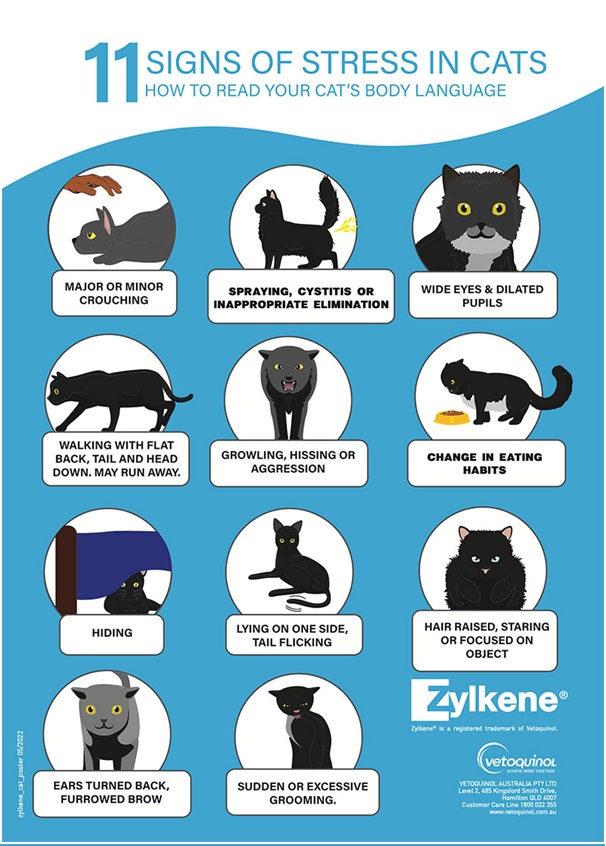
Credit: keysivet.com.au
Behavioral Changes To Watch For
Cats are masters at hiding their feelings. Stress can sneak up on them. Recognizing behavioral changes is essential. It helps maintain your cat’s well-being. Look for signs in their behavior. These subtle clues can indicate stress.
Increased Aggression
A stressed cat might show aggression. It might hiss more often. Swatting or biting could occur. This behavior is a cry for help. It can be triggered by changes in the environment. A new pet or visitor might upset your cat. Aggression is a sign of discomfort.
Hiding And Withdrawal
Stress can cause your cat to hide. It might retreat to a quiet corner. You may notice less interaction. Your cat may avoid contact. This withdrawal is due to fear. It seeks solitude for comfort. Hiding is a common stress reaction.
Litter Box Issues
Changes in litter box habits can signal stress. Your cat might stop using its litter box. It could urinate outside the box. This behavior reflects anxiety. The litter box location or cleanliness might be a factor. Stress can lead to these unwanted habits.
Physical Symptoms Of Stress
Cats can show stress through physical symptoms. Watch for excessive grooming, loss of appetite, or changes in litter box habits. These signs might indicate your cat is feeling anxious or stressed.
Understanding the physical symptoms of stress in your cat is crucial to their well-being. Cats often show stress through noticeable changes in their physical state. By recognizing these signs early, you can help your feline friend feel more comfortable and secure.Excessive Shedding
Have you noticed more fur around the house than usual? Cats often shed more when stressed. This could mean they’re feeling anxious or overwhelmed. If your vacuum cleaner seems to be working overtime, it might be time to assess their environment. Are there changes in your household that could be causing stress?Changes In Appetite
A stressed cat may eat less or more than usual. Have you observed untouched food in their bowl, or are they suddenly ravenous? Both scenarios can indicate stress. When my cat, Whiskers, stopped eating her favorite tuna, it was a wake-up call. A quick visit to the vet confirmed she was stressed due to a new pet in the neighborhood.Digestive Problems
Stress can wreak havoc on your cat’s digestive system. Diarrhea or constipation might be more than just a dietary issue. Are you noticing more trips to the litter box or unusual behavior during bathroom breaks? These can be symptoms of stress. I remember when Mittens had a bout of diarrhea, and after a bit of detective work, I realized the new noisy washing machine was the culprit. Recognizing these physical symptoms can help you address your cat’s stress. What changes can you make today to ensure your cat’s environment is as stress-free as possible? Your attentive care can make all the difference in their quality of life.Environmental Factors Causing Stress
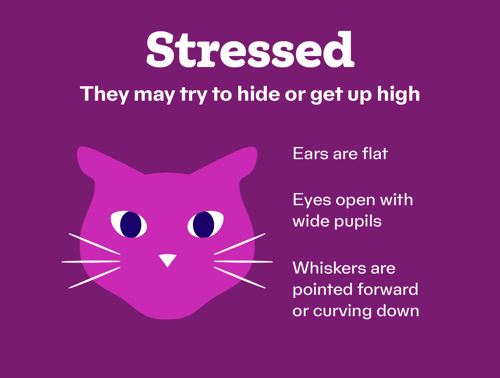
Cats are sensitive creatures. Environmental changes can cause stress. Understanding these factors helps keep your cat calm. Stress signs include hiding, aggression, and over-grooming. Let’s explore common environmental stressors. See what might be affecting your feline friend.
Changes In Routine
Cats thrive on routine. Sudden changes can be unsettling. Moving furniture or changing feeding times may stress your cat. Keep regular schedules to reduce anxiety. Observe any unusual behavior after changes.
New Pets Or Family Members
Introducing a new pet or family member disrupts your cat’s world. They may feel threatened or insecure. Gradual introductions help ease this transition. Give your cat time to adjust. Provide a safe space to retreat.
Loud Noises And Disturbances
Noise can be overwhelming for cats. Construction, parties, or thunderstorms may scare them. Create a quiet environment during disturbances. Soft music might calm your pet. Watch for signs of fear or stress.
Ways To Reduce Cat Stress
Cats are sensitive creatures. They often show signs of stress through behavior. Reducing stress helps your cat feel calm and happy. This section explores simple ways to ease cat stress.
Creating A Safe Space
Your cat needs a quiet spot to relax. Provide a cozy bed in a quiet room. Keep this space free from loud noises and disturbances. Offer toys and blankets for comfort. A safe space helps your cat feel secure.
Using Calming Products
Calming products can soothe your stressed cat. Feline pheromone sprays mimic the scent of a mother cat. These sprays calm anxious cats. You can also use calming collars. They release natural scents that reduce stress. Choose products suitable for your cat’s needs.
Maintaining A Routine
Cats thrive on routine. Feed your cat at the same time daily. Play with them regularly. Keep their litter box clean. Predictable routines make cats feel safe. A stable routine reduces stress levels in cats.
When To Consult A Veterinarian
Recognizing stress in cats involves observing changes in behavior. Frequent hiding, reduced appetite, or excessive grooming may indicate stress. Consulting a veterinarian can help identify underlying issues and provide effective solutions for your cat’s well-being.
Understanding when to consult a veterinarian can be crucial if you suspect your cat is stressed. Cats, like humans, experience stress, and it can manifest in various ways. While some signs of stress can be managed at home, others might require professional attention. How do you know when it’s time to make that call? Let’s break it down.Persistent Symptoms
If your cat shows signs of stress that don’t go away after a few days, it might be time to consult a vet. Symptoms like excessive grooming, loss of appetite, or continuous hiding can indicate underlying issues. When I noticed my cat, Whiskers, was constantly licking her paws and refusing her favorite treats, it was a red flag. These persistent symptoms can sometimes point to health problems that need a vet’s assessment.Behavioral Advice
Sometimes, stress in cats is due to behavioral issues that need more than just a change in environment. If your cat becomes aggressive or overly vocal, a veterinarian can offer advice or refer you to a cat behaviorist. You might find that certain behavioral patterns are best addressed with professional guidance. Have you noticed any sudden changes in your cat’s behavior?Health Checkup
Regular health checkups are essential for maintaining your cat’s well-being. Stress can sometimes be a sign of a health issue that isn’t immediately visible. During a visit, a vet can conduct a thorough examination to rule out any medical conditions. This proactive approach not only helps in diagnosing potential problems early but also provides peace of mind. Taking action promptly can prevent minor issues from developing into major concerns. If you’re ever in doubt, remember that it’s always better to be safe and consult with a professional. Your furry friend’s health and happiness are worth it!
Credit: www.banfield.com
Frequently Asked Questions
What Are Signs Of Stress In A Cat?
Cats show stress through hiding, excessive grooming, aggression, or changes in eating habits. Watch for unusual meowing, litter box avoidance, and decreased playfulness. Stress can also cause vomiting or diarrhea. Ensure a calm environment to help reduce these signs.
What Is The 3-3-3 Rule For Cats?
The 3-3-3 rule for cats describes their adjustment period: 3 days to decompress, 3 weeks to learn routines, and 3 months to feel fully comfortable in a new home. This guideline helps pet owners understand and support their cat’s transition.
How To Relieve Stress In A Cat?
Create a calm environment with soft music and dim lights. Offer interactive toys and regular playtime. Provide cozy hiding spots for security. Use pheromone diffusers to soothe anxiety. Ensure a consistent routine for meals and activities. Regular vet check-ups help monitor health-related stress factors.
How Does A Cat With Anxiety Act?
A cat with anxiety may show excessive grooming, hiding, aggression, or vocalization. It might avoid interactions, pace, or become clingy. These behaviors indicate stress and discomfort. Providing a calm environment and consulting a veterinarian can help manage symptoms.
Conclusion
Recognizing stress in cats is crucial for their well-being. Watch for changes in behavior. Hiding, excessive grooming, or aggression can be signs. A peaceful home environment helps reduce stress. Regular playtime and attention comfort your furry friend. Also, ensure their litter box is clean.
Quality time with your cat strengthens your bond. If stress signs persist, consult a vet. Early detection can prevent serious issues. Your cat’s happiness depends on your care. Keep observing and loving them. A relaxed cat leads to a happy home.