Cats are fascinating creatures, and one of their most intriguing abilities is knowing how to use a litter box. If you’ve ever watched a cat effortlessly find and use its litter box, you might have wondered how they do it.
Is it pure instinct, or is there a hidden science behind this behavior? Imagine having the answer to this mystery, empowering you to better understand your feline friend and ensuring a clean home environment without the stress of accidents. As a cat owner, this knowledge can transform your experience, making litter training a breeze and deepening your connection with your pet.
Discovering the secrets behind this behavior will not only satisfy your curiosity but also equip you with valuable insights to help your cat thrive. So, if you’re ready to explore the fascinating world of feline instincts and learn practical tips for litter box success, keep reading!

Credit: resources.sdhumane.org
Feline Instincts And Litter Box Use
Cats naturally use litter boxes due to their instinct to bury waste. They prefer clean, secluded spots. This behavior mimics how they would hide their scent in the wild to avoid predators.
Cats have a remarkable ability to use a litter box, seemingly without much training. This behavior is largely driven by their natural instincts. Understanding these instincts can help you appreciate your cat’s behavior and ensure a harmonious living environment.Understanding Feline Instincts
Cats are inherently clean creatures. They have a strong desire to bury their waste, which is a survival instinct from their wild ancestors. This behavior helps them avoid detection by predators. When you provide a litter box, you’re tapping into this innate behavior. The litter mimics the soft earth they would use in the wild. This is why most cats take to a litter box almost immediately.Creating The Right Environment
The choice of litter is crucial. Some cats prefer certain textures or scents over others. Experiment with different types to see which your cat prefers. Placement is also key. Cats like privacy, so a quiet, accessible spot is ideal. Avoid placing the litter box near their food or water.Personal Experiences With Litter Training
I once adopted a rescue cat who had never used a litter box. Initially, she was confused. But by gently placing her in the box after meals, she quickly caught on. This experience taught me patience is vital. Just like humans, every cat is different and may need time to adjust.Encouraging Positive Behavior
Reward your cat for using the litter box. Positive reinforcement can go a long way in solidifying this habit. Simple praises or a small treat can be very effective. Monitor the box’s cleanliness. Cats dislike dirty litter boxes and may avoid using them. Regularly clean the box to keep it inviting.Overcoming Challenges
If your cat isn’t using the litter box, consider potential issues. Is the litter box clean? Is there something stressful in the environment? Sometimes, medical issues can affect litter box habits. If problems persist, consult your vet. It’s essential to rule out health concerns. Understanding and supporting your cat’s natural instincts can make a big difference. Have you noticed your cat’s preferences or quirks with the litter box? Share your experiences or questions in the comments below!Natural Behaviors In Cats
Cats instinctively know to use a litter box due to their natural grooming and burying behaviors. They prefer clean areas for elimination, mimicking outdoor practices of covering waste. This behavior is ingrained from kittenhood, making litter boxes a natural choice for indoor cats.
Cats have an uncanny ability to use a litter box almost instinctively. This behavior isn’t just a matter of training; it’s deeply rooted in their natural instincts. Understanding these behaviors can help you create a more harmonious home environment for your feline friend.Burial Of Waste
Cats have a natural inclination to bury their waste. This behavior is inherited from their wild ancestors who did so to hide their scent from predators. If you’ve ever noticed your cat meticulously covering their waste, they’re not just being tidy. They’re following their instinct to stay safe. Setting up a litter box that mimics these conditions can make your cat feel more comfortable. Ensure the litter is deep enough for them to dig and cover their waste thoroughly. Have you ever watched your cat carefully pat down the litter? It’s fascinating how they instinctively know what to do.Territorial Marking
Cats are territorial creatures, and marking territory is a significant part of their behavior. Unlike dogs, cats often use scent marking rather than urine marking. This can involve scratching or rubbing objects. A litter box provides a safe space for your cat to mark territory without the need for more aggressive methods. Have you ever noticed a cat rubbing their face on furniture? It’s their way of saying, “This belongs to me.” The litter box serves a similar purpose in their eyes. Creating a designated area for your cat’s litter box can help them feel more secure in their environment. Do you have a special spot in your home that’s just for your cat? Giving them their space can reduce anxiety and promote healthy habits. These natural behaviors are fascinating and play a crucial role in your cat’s relationship with their litter box. Understanding them can enhance your bond with your feline friend and make litter training a breeze. How do these behaviors manifest in your cat’s daily routine?Role Of Mother Cats
Have you ever wondered how cats seem to instinctively know how to use a litter box? The answer often lies in the role of mother cats. These feline moms are the first teachers for their kittens, passing down essential survival skills, including how to use a litter box. Observing your kitten’s behavior, you might notice how they imitate their mother, leading to a smoother transition into litter box training.
Teaching Kittens
Mother cats play a crucial role in teaching their kittens about the litter box. From a very young age, kittens watch and learn from their mother’s actions. When the mother uses the litter box, her kittens often follow her lead and start mimicking her behavior.
This teaching process is natural and intuitive. The mother cat shows her kittens where to go and how to dig and cover their waste. This early exposure lays the foundation for their litter box habits.
Litter Box Familiarity
Familiarity is a key factor in a kitten’s ability to use the litter box. A kitten that sees its mother using the litter box regularly becomes comfortable with its presence. This comfort translates into confidence when it’s time for the kitten to use the box independently.
Consider how your presence influences your kitten’s comfort. Just as you feel more at ease when guided by someone you trust, kittens feel secure following their mother’s lead. This familiarity ensures they grow up with good litter box habits, reducing any stress related to bathroom needs.
Have you ever watched a kitten learn and wondered about their internal thoughts? These little observations highlight the intricate relationship between mother cats and their kittens, showcasing the power of early learning through example.
As you continue to care for your kitten, think about how you can further support them in feeling confident and comfortable in their environment. Are there ways you can enhance their learning experience based on what you’ve seen from mother cats?
Environmental Influences
Cats are fascinating creatures with an innate ability to adapt to their environment, and this includes knowing how to use a litter box. The environment plays a significant role in shaping their behavior. By understanding these influences, you can create the perfect setting for your cat to comfortably use the litter box. Let’s delve into some key environmental factors that affect this behavior.
Cleanliness Preferences
Cats are naturally clean animals. If your litter box is dirty, your cat may avoid using it. They prefer a fresh and clean area to do their business, just like you wouldn’t want to use a messy bathroom. Keep the litter box clean by removing waste daily and changing the litter regularly. You might notice your cat sniffing around the box and walking away if it’s not up to their standards. This is their way of telling you they need a cleaner space.
It’s worth asking yourself: how does cleanliness in your environment affect your habits? Cats are no different. A clean litter box is not just about hygiene; it’s about creating a welcoming and stress-free environment for your feline friend.
Litter Type And Texture
Not all litter types are created equal, and your cat will have preferences. Some cats prefer clumping litter, while others might like non-clumping or even natural options like wood pellets or corn-based litter. The texture of the litter can also be a decisive factor. If the litter feels uncomfortable under their paws, they might refuse to use it.
Experiment with different types of litter to see which one your cat prefers. Pay attention to how they react when stepping into the box. Do they seem hesitant or relaxed? The wrong type of litter can make the litter box an unappealing option for your cat.
Have you ever thought about how the texture of surfaces affects your comfort? Similarly, the feel of the litter can be a crucial factor for your cat’s comfort and use of the litter box.
By considering these environmental influences, you can ensure your cat has a pleasant experience using their litter box. Remember, their preferences are just as important as yours in creating a harmonious home environment.
Human Interaction And Training
Training a cat to use a litter box often seems like an effortless task. However, human interaction and training play a crucial role in this process. While cats have a natural instinct to dig and bury waste, your guidance can make all the difference, especially for young kittens who are still learning the ropes.
Positive Reinforcement
Positive reinforcement can do wonders in encouraging your cat to use the litter box. Reward them with a treat or a gentle stroke when they get it right. This helps them associate the litter box with a positive experience.
Many cat owners find that praising their cats or giving them a favorite snack makes the learning process faster. Have you ever noticed how your cat reacts to your voice or touch? Use this to your advantage by providing consistent positive feedback.
Guiding Young Cats
Guiding young cats is key to setting up good habits early. It’s essential to show them where the litter box is, especially when they are new to your home. Place them gently in the litter box after meals and naps to help them understand where to go.
Be patient and stay observant. If your kitten seems confused or hesitant, try to gently place their paws in the litter to help them get the feel of it. Have you ever thought about how your patience can impact their learning curve?
Remember, each kitten is unique and might require different levels of guidance. Observe your kitten’s behavior and adjust your approach accordingly. Your attention to their needs can make a big difference in how quickly they adapt.
Common Litter Box Issues
Cats instinctively use litter boxes due to their natural desire to bury waste. Training often involves placing them in the box. Cats appreciate clean spaces, so maintaining litter box hygiene is crucial.
Cats are amazing creatures, often knowing instinctively how to use a litter box. However, there are times when they might face challenges with it. Understanding common litter box issues can make life easier for both you and your feline friend. Are you curious about why your cat might be avoiding the litter box? Let’s dive into some common problems and how you can address them.Stress And Anxiety
Cats, like humans, can experience stress and anxiety. Changes in their environment, such as moving to a new home or the arrival of a new pet, can trigger these feelings. This stress might make your cat avoid the litter box. Have you moved the litter box recently? Cats are creatures of habit, and even small changes can upset them. Ensure the litter box is in a quiet, accessible location where they feel safe. Try giving them extra attention and comfort. A few extra play sessions or some soothing petting might ease their anxiety.Health Problems
Health issues can also lead to litter box problems. Urinary tract infections, kidney disease, or arthritis can make using the litter box painful or difficult for your cat. Watch for signs of discomfort, like frequent trips to the box or meowing while in it. Consult your vet if you notice anything unusual. Consider the box itself. Is it easy for them to get in and out? A low-sided box might be better for older or arthritic cats. Addressing these issues can make a world of difference. Have you considered all the possible factors? Making small changes can lead to big improvements in your cat’s litter box habits. Your cat deserves comfort and ease, and with a little effort, you can ensure they have just that.Solutions To Litter Box Problems
Cats instinctively use litter boxes because they are naturally clean animals. They prefer to bury their waste to hide their scent. Providing a quiet, accessible spot encourages this behavior, ensuring your feline friend feels comfortable using their designated area.
Solving litter box issues can be a game-changer for you and your feline friend. It’s all about understanding their needs and making a few adjustments in your home. With the right strategies, your cat can enjoy their litter box experience, and you can enjoy a cleaner home.Creating A Comfortable Space
Cats are sensitive creatures, and they need a space that feels safe and comfortable. Ensure the litter box is large enough for your cat to move around freely. Some cats prefer a covered box for privacy, while others like an open design. Consider the type of litter you’re using. Cats have preferences, and some might be more attracted to unscented or clumping litters. You might need to try a few options before finding the perfect fit. Think about the cleanliness of the box. Cats are fastidious animals and might avoid a dirty box. Regularly scoop waste and change the litter to keep the area fresh and inviting.Choosing The Right Location
Location can be crucial in solving litter box problems. Cats prefer a quiet, low-traffic area where they won’t be disturbed. If the litter box is in a busy hallway or near a noisy appliance, consider moving it. Avoid placing the box near their food and water. Cats instinctively separate their eating and toileting areas. A little distance goes a long way in making the litter box more appealing. My cat, Luna, refused her litter box until I moved it away from the washing machine. She now uses it without hesitation. Could a simple change in location make a difference for your cat? What steps will you take to create the perfect litter box setup for your cat?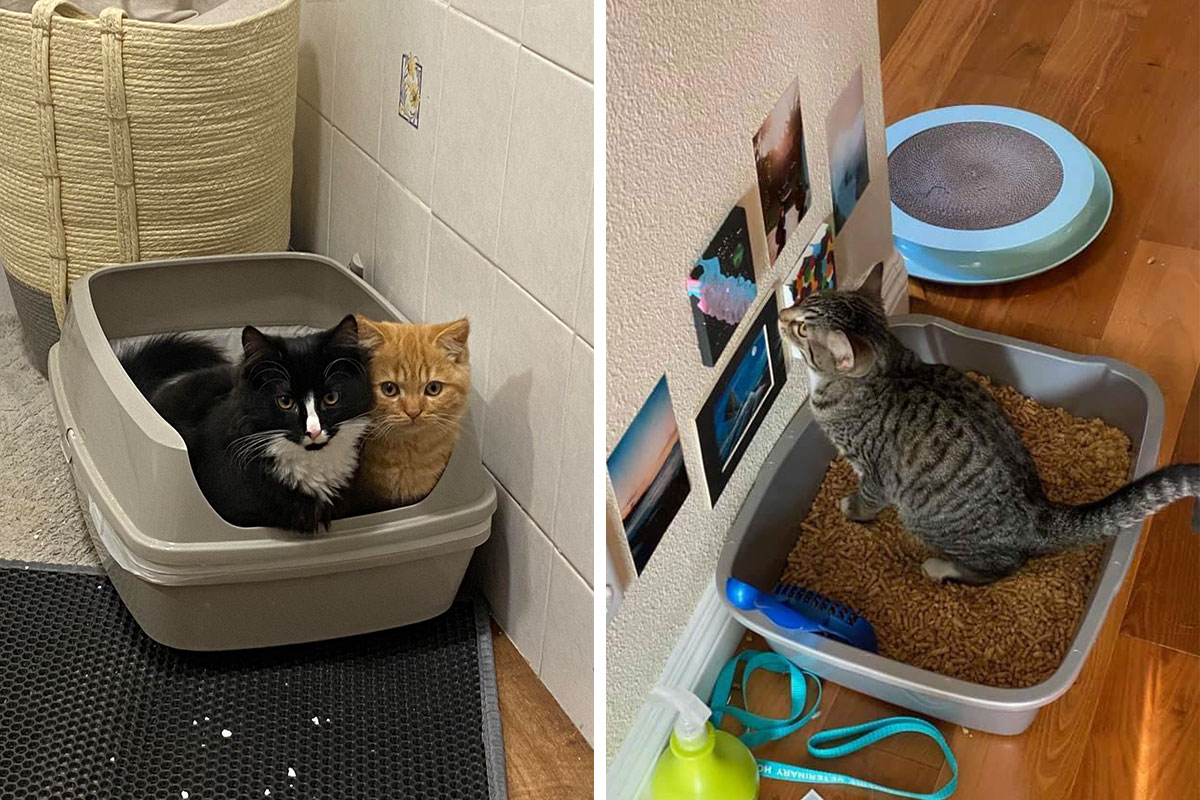
Credit: folia-agapis.com
:max_bytes(150000):strip_icc()/how-do-cats-know-how-to-use-the-litter-box-1283463889-2000-f1260aa75bac4dd6b968fe43b2dd1993.jpg)
Credit: www.qualiserve.com.br
Frequently Asked Questions
How Do Cats Know When To Go To The Litter Box?
Cats instinctively use the litter box due to their natural behavior to bury waste. They associate the litter box with cleanliness and safety. Training and repetition reinforce this behavior, helping them remember the location. Keeping the litter box clean and accessible encourages consistent use.
How Do Stray Cats Know How To Use A Litter Box?
Stray cats instinctively bury waste in soft soil, similar to litter. This natural behavior helps them adapt to using a litter box quickly. They associate the litter texture with their outdoor habits, making the transition smoother.
How Long Does It Take For A Cat To Learn How To Use A Litter Box?
A cat typically learns to use a litter box within a few days to a week. Kittens may take longer, around 2-3 weeks. Consistent placement and positive reinforcement can speed up the process. Each cat is unique, so patience and encouragement are key for successful training.
What Attracts Cats To The Litter Box?
Cats are drawn to litter boxes due to their instinct to bury waste. Cleanliness and privacy also attract them. Scented litter can enhance appeal, while size and accessibility ensure comfort. Regular maintenance prevents odors, encouraging use. A familiar location helps cats feel secure and reinforces positive behavior.
Conclusion
Cats have an instinct for cleanliness. This trait helps them with litter boxes. They prefer a clean, private spot for their business. Training a kitten is usually simple. Place them in the box after meals or naps. Consistency is key.
Older cats might need extra patience. They may have habits to unlearn. Positive reinforcement works wonders. Praise or treats can encourage them. Keep the box clean. Scoop it daily for best results. A dirty box can cause issues. Cats might refuse to use it.
Understanding their needs ensures harmony. Happy cat, happy home.