Have you ever noticed your cat acting a bit off—maybe hiding under the bed or refusing to eat? You might have dismissed it as a quirky feline behavior, but what if it’s more than that?
Just like humans, cats can experience anxiety disorders that affect their well-being and day-to-day life. It’s easy to overlook these signs, especially when they come from a creature known for its independence and aloofness. But understanding your cat’s mental health could be the key to a happier, healthier pet.
Curious about how anxiety manifests in cats and what you can do to help? You’re about to uncover insights that could transform your approach to cat care. Keep reading to learn how to recognize anxiety in your furry friend and discover practical solutions to ease their distress.
Credit: thevets.com
Causes Of Feline Anxiety
Feline anxiety is a real concern for cat owners. It affects their pets’ well-being. Many factors can contribute to a cat’s anxiety. Identifying these causes helps in managing the condition effectively. Let’s explore some common causes of anxiety in cats.
Changes In Environment
Cats are creatures of habit. They thrive on routine and predictability. Even small changes can upset them. Moving to a new home is a major stressor. New furniture or renovations can also cause distress. Cats may feel insecure in unfamiliar surroundings.
Lack Of Socialization
Socialization is important for a cat’s emotional health. Cats that are not socialized may become anxious. They might fear new people or animals. This can lead to stress and anxiety. Socializing cats at a young age can help prevent these issues.
Health Issues
Physical health can influence a cat’s mental state. Pain or illness can cause anxiety in cats. They may become stressed due to discomfort. Regular vet check-ups are essential. Early detection of health problems can reduce anxiety.
Signs Of Stress In Cats
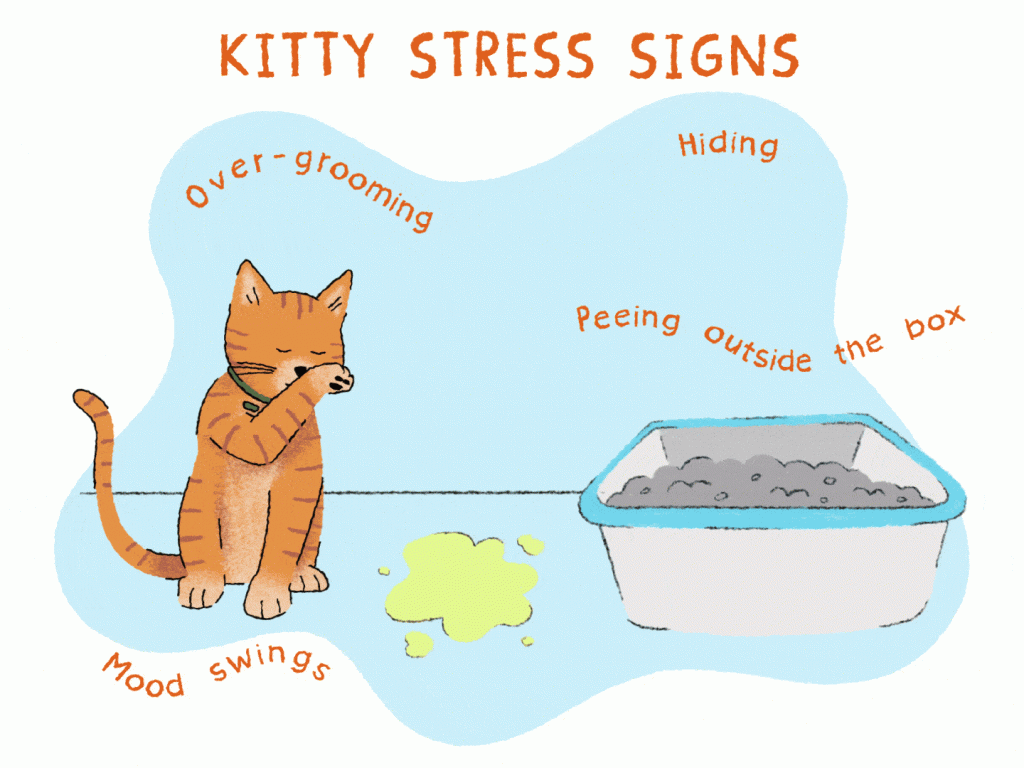
Cats may show signs of stress through hiding, excessive grooming, or a change in appetite. Anxiety disorders in cats can lead to these behaviors. Recognizing these signs early helps in providing the necessary care.
Cats, like humans, can experience anxiety disorders. Recognizing the signs of stress in your feline friend is crucial for their well-being. Stress in cats can manifest in various ways, impacting their behavior, physical health, and eating patterns. Understanding these signs allows you to address them promptly, ensuring a happier and healthier life for your cat.Behavioral Changes
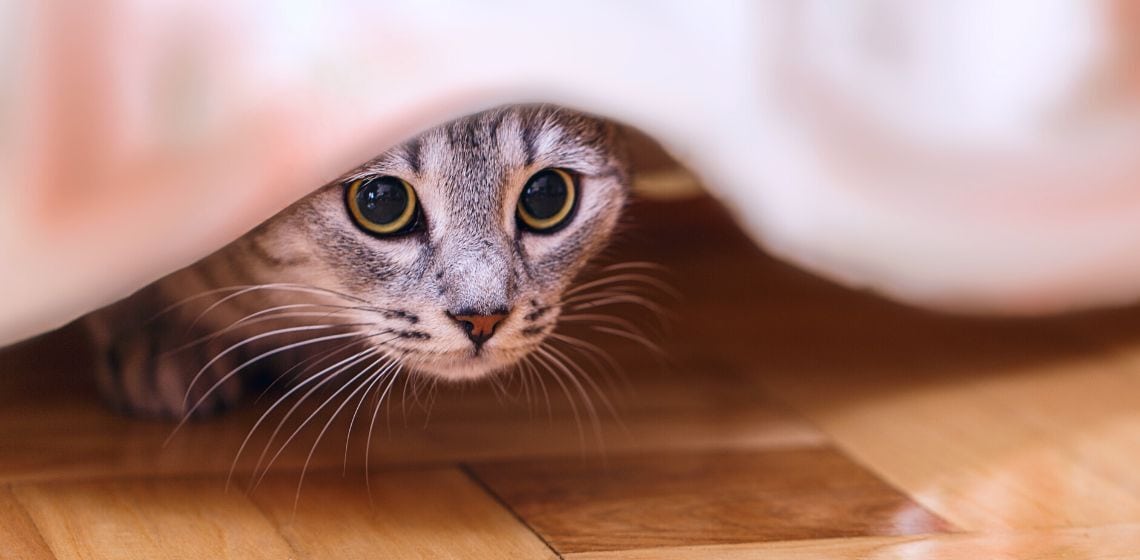
Behavioral changes are often the first signs of stress in cats. You might notice your cat becoming more aggressive or unusually timid. A once social cat might hide more frequently or avoid interaction. Scratching furniture or walls excessively could indicate anxiety. Pay attention to these shifts. Could a recent change in your household be affecting your cat’s peace?Physical Symptoms
Stress can also lead to physical symptoms in cats. Excessive grooming, leading to bald patches, is a common sign. Your cat might start having digestive issues, like diarrhea or vomiting. Look out for unexplained weight loss or gain. These symptoms can be distressing for your cat, so consider a vet visit if they persist.Altered Eating Patterns
Changes in eating habits are another indication of stress. Your cat might start eating less or even skip meals. Alternatively, you may notice an increase in food consumption. A sudden change in diet can exacerbate stress, so ensure your cat’s meals are consistent and nutritious. Think about your cat’s feeding environment too. Is there something disrupting their mealtime routine? Recognizing these signs requires observation and patience. Each cat is unique, so what might be a stress signal in one cat could be normal behavior in another. Have you noticed any of these signs in your cat? Addressing them promptly can make a world of difference in your cat’s life.Diagnosing Anxiety In Cats
Cats can indeed experience anxiety disorders, showing signs like hiding or excessive grooming. Recognizing these behaviors helps in addressing their emotional needs. Understanding feline anxiety improves their well-being and strengthens the bond with their owners.
Diagnosing anxiety in cats can be tricky. These furry friends don’t express anxiety as humans do. Yet, understanding their behavior is crucial for their well-being. If you’ve ever noticed your cat behaving strangely, you might wonder if they are anxious. Recognizing the signs early can make all the difference in providing the help they need.Observational Techniques
Start by watching your cat closely. Notice any changes in their eating habits, sleep patterns, or litter box use. Cats may hide more often or become unusually aggressive. Look for changes in their body language, like a puffed-up tail or flattened ears. Observing these behaviors can help you determine if your cat is experiencing anxiety. Have you ever thought about how your own stress affects your cat? Cats can pick up on your emotions. If you’re stressed, they might be too. Think about how you can create a calm environment at home.Veterinary Assessment
A vet visit can be crucial for diagnosing anxiety. They can rule out medical conditions that might cause similar symptoms. The vet will likely ask about your cat’s behavior and lifestyle. This includes any recent changes, like moving house or a new pet. Vets may perform a physical exam and run tests to ensure there’s no underlying health issue. They might suggest treatments or behavioral changes that can help. Remember, you’re not alone in this; your vet is there to help guide you.Use Of Behavioral Scales
Behavioral scales can be an effective tool in diagnosing anxiety. They offer a structured way to assess your cat’s behavior. These scales usually consist of a series of questions or observations. They help quantify behaviors that might indicate anxiety. Completing a behavioral scale can offer insights you hadn’t considered. It can also provide your vet with valuable information. Are you ready to give it a try? It might just be the step you need to take to help your cat feel better.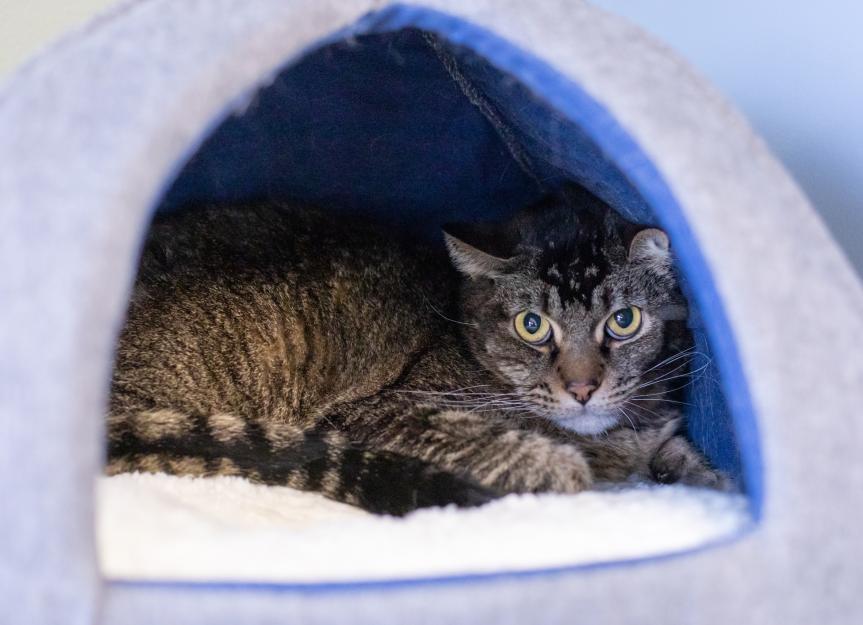
Credit: www.petmd.com
Treatment Options For Stressed Cats
Cats, like humans, can experience anxiety disorders. Recognizing signs of stress in your feline friend is crucial. Treatment options can help alleviate their discomfort and improve their quality of life. Understanding each approach can guide you in providing a calm environment for your pet.
Behavioral Interventions
Behavioral interventions focus on modifying your cat’s actions. Training sessions can teach them to react calmly in stressful situations. Positive reinforcement encourages good behavior. Rewarding calm actions can lead to reduced anxiety. Spending quality time together strengthens their confidence. Playtime and affection reassure your cat, helping to lower stress levels.
Environmental Modifications
Changing the environment can help reduce stress. Create safe spaces where your cat can retreat. Quiet areas with cozy beds or hiding spots offer comfort. Reduce loud noises and sudden changes. Calm surroundings minimize anxiety triggers. Ensure access to windows and fresh air. Natural light and outdoor views can soothe your feline.
Medication And Supplements
Medication may be necessary for severe anxiety. Veterinarians prescribe specific treatments tailored to your cat’s needs. Supplements can also support stress reduction. Products like calming collars or pheromone diffusers may help. Always consult a vet before starting any new medication. They ensure safety and effectiveness for your pet’s unique situation.
Preventing Anxiety In Cats
Cats, like humans, can experience anxiety disorders. Their mental well-being is crucial. Preventing anxiety starts with understanding their needs. Consistent care can help maintain their calm. Create a safe environment for your feline friend.
Routine And Stability
Establish a daily routine. Cats thrive on predictability. Feed them at the same time each day. Regular playtime offers comfort. Stability reduces stress. Avoid sudden changes in their environment.
Social Interaction
Engage with your cat. Spend time petting and playing. Social bonds strengthen their mental health. Provide companionship. Isolation can lead to anxiety. Introduce new pets cautiously.
Enrichment Activities
Offer stimulating activities. Toys and puzzles are great options. Hide treats around the house. Encourage exploration. Mental stimulation is key. Create climbing spaces and scratching posts.

Credit: www.pawmaw.com
Understanding Cat Behavior
Recognizing cat behavior is crucial for any pet owner. Cats communicate in ways that might not be obvious. They use their body and sounds to express feelings. Understanding these signals can help identify anxiety disorders.
Body Language Indicators
Cats reveal emotions through body language. A flicking tail can show irritation. Ears flattened back suggest fear or aggression. A cat crouched low with dilated pupils might be anxious. Observing these signs helps in understanding their mental state.
Communication Cues
Cats use sounds to communicate with humans. A purring cat often feels content. But sometimes, cats purr when anxious. Hissing or growling indicates stress or fear. Meowing can mean many things, from hunger to loneliness. Listening to these cues is essential.
Common Myths
Many believe cats are aloof and independent. This is a myth. Cats can form strong bonds with their owners. Another myth is that cats can’t feel anxiety. In reality, they can suffer just like humans. Misunderstanding their behavior can lead to overlooked anxiety issues.
Frequently Asked Questions
How Do You Treat Anxiety In Cats?
Treat cat anxiety with calming pheromone diffusers, interactive toys, and regular play sessions. Consult a vet for possible medication or therapy. Create a safe space with cozy bedding and hiding spots. Offer consistent routines to reduce stress. Use positive reinforcement to encourage calm behavior.
What Are Signs Of Anxiety In Cats?
Cats may show anxiety through excessive grooming, hiding, or aggression. Changes in appetite or litter box habits can occur. Increased vocalization or destructive behavior might also indicate stress. Sudden changes in environment or routine often trigger these signs. Recognizing these behaviors helps in addressing feline anxiety effectively.
How To Tell If A Cat Has Separation Anxiety?
Cats with separation anxiety may become clingy, vocalize excessively, or show destructive behavior. They might over-groom or eliminate outside the litter box. Watch for signs of distress when you’re leaving or absent. These behaviors indicate your cat struggles with being alone.
Can Cats Have Chronic Anxiety?
Yes, cats can experience chronic anxiety. Symptoms include excessive grooming, hiding, and aggression. Causes may involve changes in environment or routine. Consulting a veterinarian can help manage anxiety with proper treatment. Providing a stable environment and stress-reducing activities can also benefit anxious cats.
Conclusion
Cats can indeed experience anxiety disorders. Signs include excessive grooming or hiding. Early detection helps manage their stress better. Regular vet visits ensure your cat’s health. Creating a calm environment aids in reducing anxiety. Use soothing routines to comfort your feline friend.
Consistency is key in their daily life. Understanding your cat’s behavior strengthens your bond. Seek professional advice if anxiety persists. A happy cat means a happier home. Keep observing and loving your furry companion. Together, you can tackle anxiety effectively.
Remember, patience and care work wonders.