Have you ever noticed your cat acting a bit differently? Maybe they’re hiding more, or perhaps they’re not as playful as they used to be.
It might surprise you to learn that cats, much like humans, can experience anxiety. Understanding what cat anxiety looks like is the first step in helping your feline friend feel calm and secure. Imagine how relieved you’ll feel when you finally recognize the subtle signs your cat is showing, and how empowered you’ll be to make their world a less stressful place.
You’ll discover the telltale signs of cat anxiety and learn practical tips to help soothe your furry companion. The bond between you and your cat is special, and by understanding their needs better, you can make it even stronger. Read on to ensure your home is a sanctuary for your beloved pet.
Credit: thevets.com
Common Signs Of Cat Anxiety
Understanding cat anxiety is crucial for pet owners. Cats cannot express their feelings like humans. They rely on behavior and physical signs. Recognizing these signs early helps in providing the right care. Let’s explore some common signs of cat anxiety.
Behavioral Changes
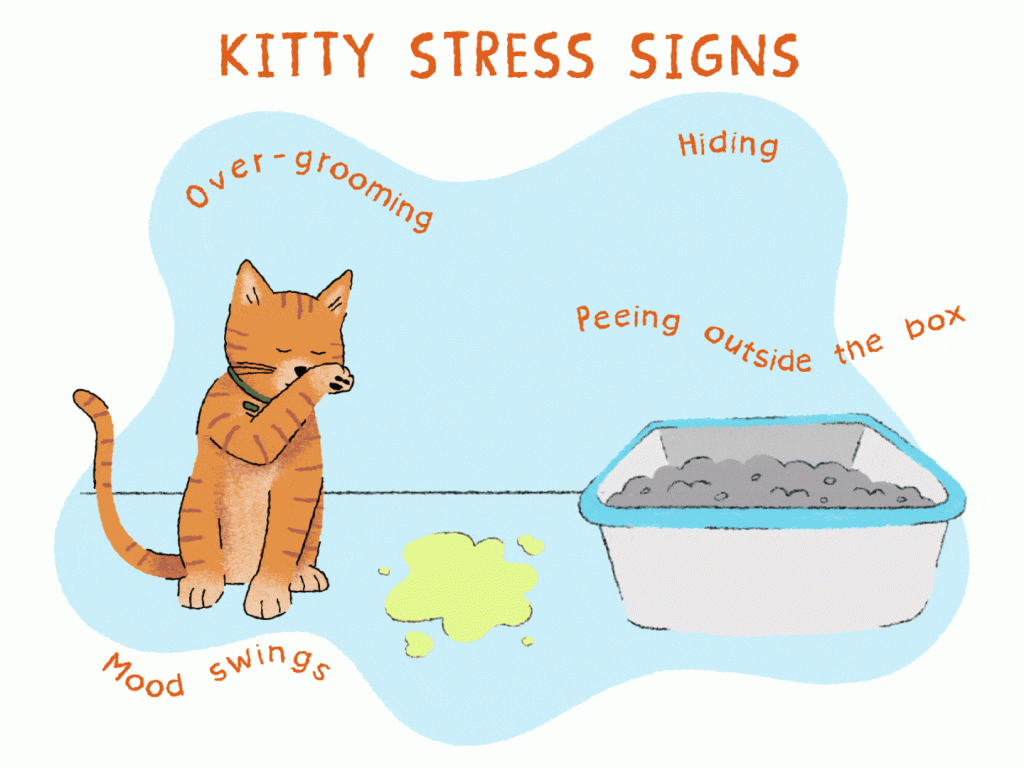
An anxious cat may display unusual behaviors. This can include excessive grooming or scratching. Scratching furniture or walls becomes frequent. They might also refuse to use the litter box. Watch for sudden changes in eating habits. Increased vocalization is another sign. Pay attention if your cat is meowing more than usual.
Physical Symptoms
Physical symptoms often accompany anxiety. Your cat may start losing weight. You might notice frequent vomiting or diarrhea. Cats may also develop skin problems. Excessive grooming can lead to bald spots. Look for any sudden changes in their coat condition. A healthy cat’s coat should be shiny and smooth.
Social Withdrawal
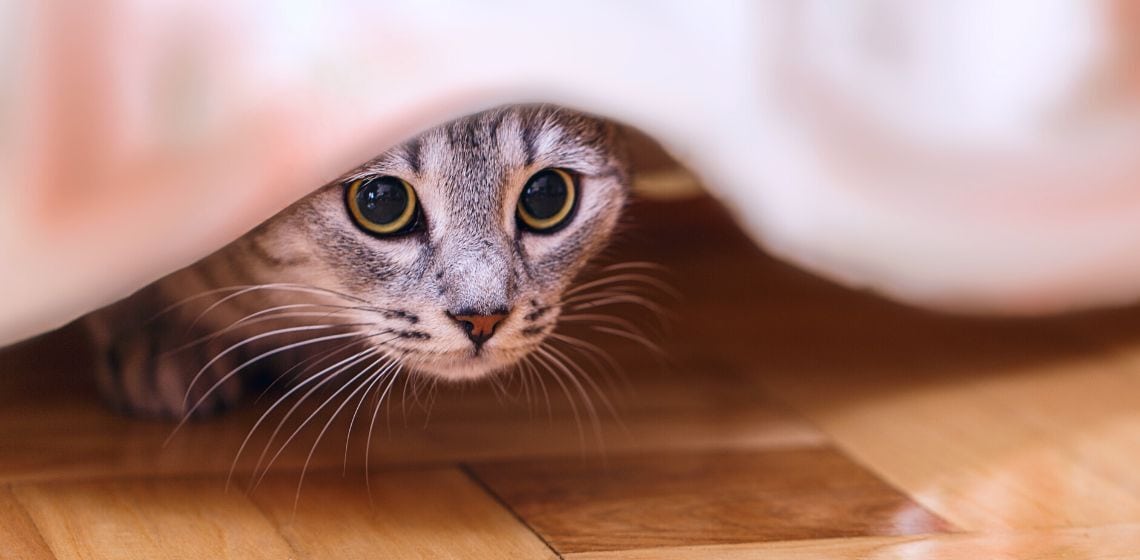
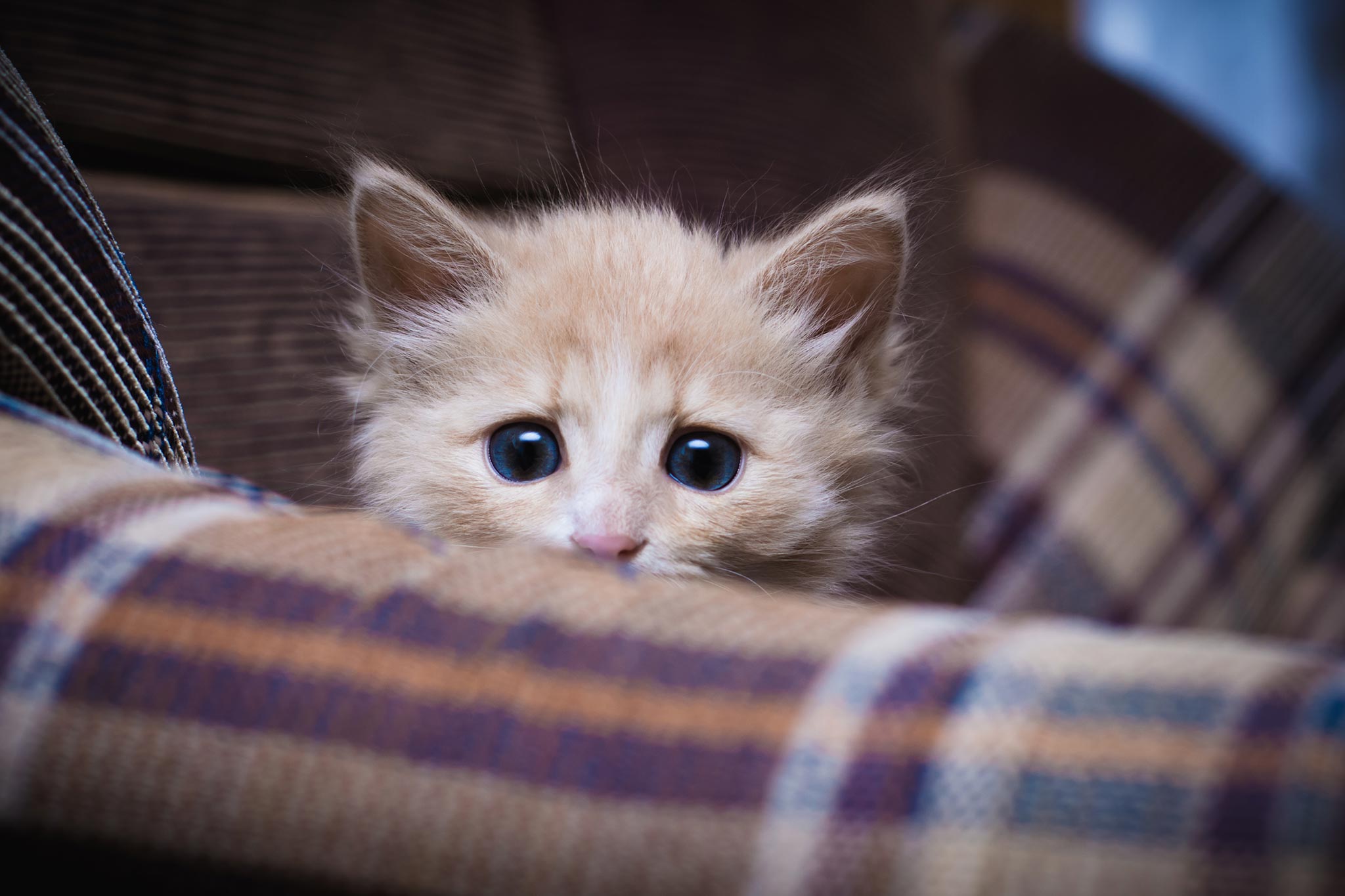
Cats are social creatures by nature. An anxious cat may isolate itself. It might hide for long periods. Watch if your cat avoids interaction. They may not respond to your calls. A lack of interest in play can also indicate anxiety. Monitor their interactions with other pets. Social withdrawal is a key indicator of distress.
Causes Of Anxiety In Cats
Cat anxiety can show up in various ways, including hiding, excessive grooming, or changes in litter box habits. Loud noises, unfamiliar environments, or new household members often trigger these behaviors. Understanding these signs helps in providing comfort and reducing stress for your feline friend.
Understanding the causes of anxiety in cats is crucial for any cat owner. Cats, like humans, can experience stress and anxiety. These emotions are often triggered by various factors in their environment and life experiences. Recognizing these causes can help you create a more comforting environment for your feline friend. Let’s explore the main causes of anxiety in cats and how you can address them.Environmental Factors
Cats are sensitive creatures. Changes in their environment can easily upset them. A move to a new house or the arrival of a new pet can create stress. Loud noises, unfamiliar people, or even minor alterations in furniture placement might lead to anxiety. Consider your cat’s perspective. Imagine a stranger suddenly living in your home. It’s unsettling, right? Maintain stability in your cat’s routine. Provide safe spaces where they can retreat and feel secure. Simple actions like these can minimize their anxiety.Health Issues
Physical health affects mental health. Cats often hide illnesses, but anxiety can be a clue. Conditions like hyperthyroidism or urinary tract infections can make them anxious. Pain or discomfort can amplify stress levels. Regular vet check-ups are crucial. They help identify underlying health issues before they worsen. If your cat suddenly becomes anxious, it might be time to schedule a vet visit. Addressing health problems can drastically improve their mood and behavior.Past Trauma
Cats have memories. Past traumatic experiences can linger, causing anxiety. Perhaps your cat was abandoned or mistreated before finding a loving home with you. Such histories can manifest as anxiety even years later. Patience and understanding are key. Build trust gradually. Use gentle handling and positive reinforcement to reassure your cat. Ask yourself, how would you comfort a friend who has experienced trauma? Your cat deserves the same compassion and care. Recognizing these causes not only helps in soothing your cat but also strengthens your bond. How will you ensure your cat feels safe and loved today?Impact Of Anxiety On Cat’s Well-being
Anxiety in cats can lead to noticeable changes in behavior and mood. Cats may hide, become aggressive, or excessively groom themselves. These signs impact their well-being, causing stress and discomfort.
Understanding the impact of anxiety on your cat’s well-being can be crucial for their health and happiness. Anxiety in cats often goes unnoticed, yet it affects their emotional and physical health profoundly. Recognizing these signs can help you take action to improve your feline friend’s quality of life.Emotional Stress
When a cat experiences emotional stress, it can lead to noticeable changes in their behavior. You might observe your cat becoming more withdrawn, hiding more often, or even becoming unusually aggressive. These behavioral shifts are clear indicators that your cat is dealing with anxiety. Have you noticed your cat pacing or meowing excessively? This could be their way of expressing discomfort or fear. Much like humans, cats can experience anxiety due to changes in their environment or routine.Physical Health
Anxiety doesn’t just affect your cat’s emotions; it can also take a toll on their physical health. Stress can manifest in physical symptoms such as excessive grooming, which may lead to bald patches or skin irritations. You may notice changes in your cat’s appetite or weight. Some cats might overeat when stressed, while others could lose interest in food altogether. This fluctuation in eating habits can lead to further health complications. It’s important to pay close attention to any signs of illness, as stress can weaken your cat’s immune system. Regular vet check-ups can help you catch any anxiety-related health issues early. Have you ever seen your cat acting anxious? What steps did you take to alleviate their stress? Identifying and addressing these issues can significantly improve your cat’s overall well-being.Identifying Anxiety In Different Cat Breeds
Cats, like humans, can experience anxiety. It manifests differently across breeds. Understanding these differences helps in recognizing and addressing their needs. Each breed has unique traits and triggers that can affect their emotional well-being.
Breed-specific Traits
Siamese cats are vocal. Anxiety may increase their meowing and restlessness. They need attention and can get stressed when lonely.
Persian cats are laid-back. Anxiety might cause them to withdraw or hide. They prefer calm environments.
Maine Coons are social. Anxiety may lead to clinginess or aggression. They thrive with human interaction.
Common Anxiety Triggers
Loud noises can frighten most cats. Thunderstorms or fireworks may cause stress. A quiet, safe space helps them relax.
Changes in routine unsettle cats. Moving homes or new pets can cause anxiety. Gradual changes and familiar items comfort them.
Lack of stimulation leads to boredom. Interactive toys and playtime reduce anxiety. They need mental and physical challenges.
Effective Solutions For Cat Anxiety
Is your cat showing signs of anxiety? You’re not alone. Many cat owners face this challenge. Luckily, there are effective solutions that can help your feline friend feel more at ease. From behavioral therapy to environmental changes, and even veterinary interventions, you can make a real difference in your cat’s life. Let’s explore how you can address cat anxiety with practical, actionable steps.
Behavioral Therapy
Behavioral therapy is a powerful tool in managing cat anxiety. It involves changing the way your cat reacts to certain situations. Imagine if your cat could feel relaxed during thunderstorms or when guests arrive. You can achieve this through gradual exposure and positive reinforcement. Start by identifying triggers that make your cat uneasy. Use treats or playtime to create positive associations. Consistency is key. With patience, your cat can learn to feel safe and secure.
Environmental Enrichment
Have you ever noticed your cat getting anxious in a cluttered or noisy environment? Environmental enrichment could be the answer. Cats thrive in spaces where they can explore and feel safe. Consider adding climbing structures, scratching posts, and cozy hideaways. These additions not only keep your cat entertained but also provide them with safe spaces to retreat. A well-balanced environment can drastically reduce anxiety levels.
Veterinary Interventions
Sometimes, professional help is necessary. Veterinary interventions can provide solutions tailored to your cat’s specific needs. If you’ve tried behavioral therapy and environmental changes without success, consult your vet. They may suggest medication or specialized diets to help manage anxiety. It’s important to remember that your vet is a valuable partner in ensuring your cat’s well-being. Never hesitate to seek advice if your cat’s anxiety persists.
Each cat is unique, and finding what works best for yours can take time. Have you tried any of these solutions? What has worked for your cat? Share your experiences and let’s help more cats live happier, stress-free lives.
Credit: us.feliway.com
Preventive Measures For Cat Anxiety
Recognizing signs of cat anxiety helps in taking preventive actions. Cats might hide, excessively groom, or act aggressively. Providing a safe, calm environment with plenty of enrichment can ease their stress.
Cat anxiety can be distressing for both felines and their owners. Understanding preventive measures helps create a calm environment for your furry friend. By establishing routines, using positive reinforcement, and creating safe spaces, you can ease your cat’s anxiety. These steps promote a happier and healthier life for your pet.Routine Establishment
Cats thrive on routine. Predictable schedules help them feel secure. Feed your cat at the same times daily. Set regular playtimes and stick to them. Consistency helps reduce stress and anxiety. A structured environment provides comfort.Positive Reinforcement
Reward calm behavior with treats. Praise your cat for staying relaxed. Use toys to encourage positive actions. This builds confidence and reduces anxiety. Positive reinforcement strengthens the bond between you and your cat.Creating Safe Spaces
Create a quiet area for your cat. This should be away from noise. Use soft bedding and familiar toys. Safe spaces help cats feel protected. This reduces their overall stress levels. Make sure the area is accessible at all times.When To Seek Professional Help
Recognizing signs of cat anxiety is crucial. Sudden aggression, excessive grooming, or hiding might indicate stress. Professional help becomes essential when these behaviors disrupt daily life, ensuring your feline’s well-being.
Cat anxiety is more common than you might think, and understanding when to seek professional help can make a significant difference for your feline friend. Anxiety in cats can manifest in various ways, from mild signs to severe behavioral issues. It’s essential to recognize when your cat’s anxiety has reached a point where professional intervention is necessary.Signs Of Severe Anxiety
Severe anxiety in cats can lead to distressing behaviors. You might notice excessive grooming, which can cause bald patches or skin irritation. Your cat may also become aggressive, either towards you or other pets. Frequent urination outside the litter box is another red flag. It might seem like a minor inconvenience, but it indicates that your cat is struggling. Consistent hiding or avoiding interaction can also signify severe anxiety. Changes in appetite are crucial signals. If your cat stops eating or overeats, it might be time to consider professional help.Choosing The Right Professional
Finding the right professional for your cat’s anxiety is crucial. You might wonder, should you start with a vet or go straight to a behaviorist? A vet is often the best first step, as they can rule out medical issues. Look for a vet who understands feline behavior. They can refer you to a specialist if needed. A cat behaviorist can offer tailored strategies to manage your cat’s anxiety effectively. Consider asking friends or family for recommendations. Personal experiences can guide you to professionals with a proven track record.If you ever dealt with cat anxiety, what signs did you notice first? Recognizing the need for professional help can not only alleviate your cat’s anxiety but also strengthen your bond. Taking action sooner rather than later can lead to a happier, healthier cat.
Credit: krydervet.com
Frequently Asked Questions
How Do I Tell If My Cat Has Anxiety?
Signs of cat anxiety include excessive grooming, hiding, aggression, or vocalization. Changes in litter box habits or appetite may occur. Consult a vet for proper diagnosis and treatment options.
How To Calm A Cat’s Anxiety?
Create a quiet, safe space for your cat. Use calming pheromone diffusers. Engage in gentle playtime. Offer interactive toys. Maintain a consistent routine to reduce stress.
What Triggers Anxiety In Cats?
Loud noises, unfamiliar environments, or changes in routine can trigger anxiety in cats. Stressful interactions with other animals or people may also cause distress. Ensuring a calm, stable environment helps reduce anxiety.
How Do Cats Get Diagnosed With Anxiety?
Veterinarians diagnose cat anxiety by observing behavior changes and ruling out medical issues. They assess symptoms like excessive grooming, aggression, or hiding. Diagnostic tests may be conducted to exclude physical health problems. Discussing environmental stressors and history with the vet helps in determining anxiety causes.
Conclusion
Cat anxiety is real and affects many cats. Recognizing the signs is crucial. Watch for changes in behavior or mood. Shaking, hiding, or aggression can signal stress. Spend time with your cat. Create a calm environment at home. Toys and safe spaces help reduce anxiety.
Consult your vet for advice if needed. Understanding your cat’s needs builds trust. A happy cat means a happy home. Always pay attention to their needs. Your love and care make a big difference. Stay patient and supportive. Your cat will thank you.