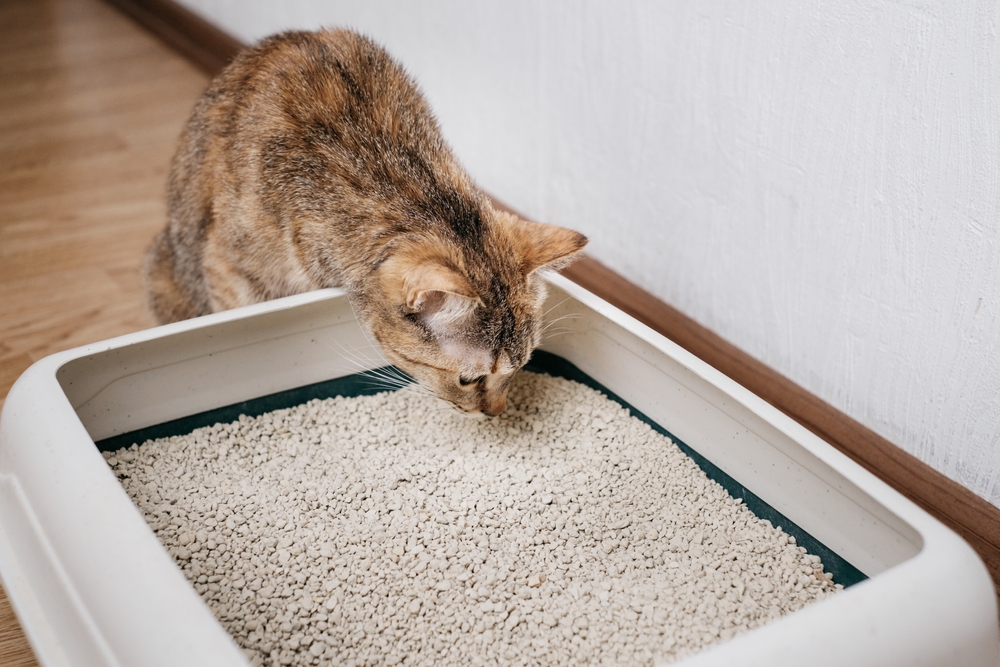
Ever found yourself staring at the endless rows of cat litter in the pet store, wondering how much it really costs? You’re not alone.
Whether you’re a new cat owner or a seasoned feline enthusiast, understanding the costs associated with cat litter is crucial for budgeting and ensuring your furry friend’s happiness. With so many options out there, from clumping to non-clumping, and budget-friendly to premium, the choices can be overwhelming.
But don’t worry, this article will guide you through the maze of cat litter costs, helping you make an informed decision that suits both your wallet and your cat’s needs. Dive in, and discover how to choose the perfect litter without breaking the bank or compromising on quality. Your cat deserves the best, and so do you.

Credit: empressofdirt.net
Factors Affecting Cat Litter Prices
Cat litter prices can vary significantly. Several factors influence these costs. Understanding these can help you make informed choices.
Material Types
Different materials affect the price of cat litter. Clay litter is usually affordable. Silica gel crystals cost more due to their long-lasting properties. Natural options like pine or corn are eco-friendly but can be pricier. Each type has unique benefits and drawbacks.
Brand Reputation
Established brands often charge more for their products. They invest in quality control and marketing. New or lesser-known brands might offer cheaper alternatives. But they may lack proven reliability. Choosing a trusted brand can mean paying a premium.
Package Size
Larger packages often provide better value. Bulk buying reduces cost per pound. Smaller packages are convenient but may cost more overall. Consider storage space when choosing package size. Determine what fits your budget and needs.
Types Of Cat Litter
Choosing the right cat litter is essential for both cats and owners. There are various types of cat litter available. Each type has its unique features and costs. Understanding these can help you make a better choice.
Clay-based Litter
Clay-based litter is the most popular type. It clumps well and is easy to scoop. This type usually comes in two forms: clumping and non-clumping. Clumping litter forms solid clumps when wet. Non-clumping absorbs moisture but does not form clumps. Clay-based litter is affordable and widely available. It is a good choice for budget-conscious pet owners.
Silica Gel Litter
Silica gel litter is known for its moisture absorption. It can absorb a large amount of liquid. This makes it last longer than other types. Silica gel litter is dust-free and controls odors well. It is a bit more expensive than clay litter. Many cat owners find its benefits worth the extra cost. It is a good option for those seeking low-maintenance litter.
Biodegradable Litter
Biodegradable litter is made from natural materials. Common materials include corn, wheat, and paper. It is an eco-friendly choice for environmentally-conscious owners. This type of litter is flushable and compostable. It controls odor effectively and is safe for cats. Biodegradable litter can be more costly than clay options. Yet, its environmental benefits are appealing to many.
Average Costs Of Cat Litter
Choosing the right cat litter can be a puzzling decision, especially when faced with varied price points. The cost of cat litter can influence your choice, impacting not just your budget but also your cat’s comfort and your home’s cleanliness. This guide breaks down the average costs of cat litter into three categories: low-end options, mid-range choices, and premium brands. Understanding these can help you make an informed decision that balances cost and quality.
Low-end Options
Low-end cat litter options typically range from $5 to $10 for a 20-pound bag. These are often made from non-clumping clay, which can be less effective at controlling odors. However, if you’re on a tight budget, these options can still get the job done.
It’s a trade-off—these litters might require more frequent changing, which can offset the initial savings. Consider whether the lower upfront cost justifies potentially more frequent purchases.
Some cat owners find that mixing low-cost litter with a better-performing type helps strike a balance. This way, you save money while still maintaining a fresh environment for your feline friend.
Mid-range Choices
Mid-range cat litter generally costs between $10 and $20 for a similar-sized bag. This category often includes clumping clay or silica gel litters. They offer better odor control and easier maintenance compared to low-end options.
This is a popular choice for many cat owners who want quality without breaking the bank. You might find that these litters last longer, as they effectively trap moisture and odors, reducing the need for frequent changes.
Think about the time and effort saved by using a litter that clumps well and keeps smells at bay. Is a few extra dollars worth the convenience and cleanliness?
Premium Brands
Premium cat litters can range from $20 to $30 or more. These high-end options often include natural or specialized materials like walnut shells, corn, or even recycled paper. They prioritize eco-friendliness and superior odor control.
If your cat has specific needs or sensitivities, investing in a premium brand might be the best choice. These litters often offer unique benefits like being dust-free or biodegradable, which can be healthier for both you and your pet.
Think about your priorities—are you willing to pay a premium for a product that aligns with your environmental values or your pet’s health? Sometimes, spending a bit more upfront can lead to greater satisfaction in the long run.
When selecting cat litter, consider not only the price but the value it provides. What matters most to you and your cat—cost, convenience, or environmental impact?
Budget-friendly Shopping Tips
Finding affordable cat litter can be challenging. Costs vary widely depending on brand and type. But smart shopping techniques can help you save. Here are budget-friendly shopping tips to keep your costs low while ensuring your feline friend stays happy.
Buying In Bulk
Buying cat litter in bulk can significantly reduce costs. Larger packages often offer better value per pound. This strategy is ideal if you have multiple cats or ample storage space. Look for deals at wholesale stores or online marketplaces. Bulk buying minimizes trips to the store, saving both money and time.
Using Coupons And Discounts
Coupons and discounts are great for saving money. Many stores offer promotions on pet supplies. Check store flyers and websites for deals. Sign up for newsletters from pet supply brands. This way, you receive updates on new discounts. Also, consider loyalty programs for regular savings.
Online Shopping Advantages
Online shopping provides convenience and potential savings. Compare prices across different websites easily. Read reviews to ensure quality before buying. Some online retailers offer subscription services. These services often include discounts for regular deliveries. Save on gas and time by shopping from home.
Long-term Cost Considerations
When considering how much cat litter costs over the long term, you need to look beyond the price tag on the shelf. It’s essential to think about durability, usage rates, health and safety factors, and environmental impacts. These aspects can significantly influence your expenses over time, and understanding them can help you make a smarter choice for both your budget and your feline friend.
Durability And Usage Rate
Durability is key when it comes to long-term costs. Some cat litters last longer due to their material composition. Clumping litters, for instance, tend to be more efficient, allowing you to scoop out only the used portions, reducing waste. But, are you using more litter than necessary? Monitor how often you’re refilling the box. This can reveal whether your chosen litter is durable enough for your cat’s habits.
Have you ever noticed that some litters require constant refilling? This could be an indicator of poor durability. Investing in a higher quality litter might seem costly upfront, but it can save you money in the long run.
Health And Safety Factors
Your cat’s health is non-negotiable. Some litters contain chemicals or dust that can be harmful to your pet. Opting for natural or hypoallergenic litter can prevent health issues down the line. Think about the cost of vet visits due to litter-related health problems. It adds up quickly.
Have you ever had to deal with respiratory issues in your cat? It might be time to reconsider the litter’s safety. Prioritize health to avoid unexpected expenses.
Environmental Impact
Consider the environmental footprint of your cat litter. Some litters are biodegradable, which can significantly reduce your long-term impact on the planet. Using environmentally friendly options might seem more expensive initially, but they often come with benefits like easier disposal and fewer environmental taxes.
Are you mindful of how much waste your household generates? Choosing a sustainable litter can be a simple way to contribute to environmental conservation. This choice not only benefits the planet but also aligns with many local recycling and waste management initiatives.
Thinking about these factors can make a big difference in your overall expenses and your cat’s wellbeing. What steps will you take to ensure you’re making the best choice for your feline friend’s litter needs?
Credit: www.worldsbestcatlitter.com
Credit: www.catster.com
Frequently Asked Questions
How Much Should I Pay For Cat Litter?
Cat litter prices vary, typically ranging from $10 to $30 for a 20-pound bag. Factors like brand, material, and odor control features influence the cost. Opt for quality to ensure effective odor management and clumping. Consider buying in bulk for potential savings.
Choose based on your cat’s preferences and your budget.
How Long Does 40lbs Of Cat Litter Last For One Cat?
A 40 lbs bag of cat litter typically lasts around 1 to 2 months for one cat. Usage depends on factors like frequency of cleaning and the cat’s habits. Regular scooping and maintaining cleanliness can extend the litter’s lifespan. Always monitor the litter box condition for optimal results.
Why Is Cat Litter Getting So Expensive?
Cat litter prices are rising due to increased production costs, transportation expenses, and higher demand for quality materials. Economic factors like inflation also impact pricing. Sustainable and innovative litter options may cost more, contributing to overall price increases in the market.
Is There Cat Litter At Dollar General?
Yes, Dollar General sells cat litter. You can find various brands and types at affordable prices. Check local store availability or browse online for options. Keep your feline’s needs in mind when choosing the right litter for them.
Conclusion
Cat litter costs vary based on type and brand. Budget options exist, but might not control odor well. Premium types offer better absorption and less tracking. Always consider your cat’s comfort. Buying in bulk can save money over time. Compare prices online for the best deals.
Remember, a clean litter box keeps your cat healthy. Choose wisely to match your budget and your pet’s needs. Happy cat, happy home.