
Do you know the secret to making your cat purr with delight? It’s all about petting them the right way!
Cats are fascinating creatures, each with their own unique personality and preferences. Understanding how to pet your feline friend correctly can strengthen your bond and ensure that your cat feels loved and secure. But petting a cat isn’t just about stroking their fur; it’s an art that involves knowing what they enjoy and what makes them uncomfortable.
You might be surprised at how a few simple tweaks can transform your interactions with your furry companion. Stay with us as we dive into the world of cat petting, uncovering tips and tricks that will make your cat’s whiskers twitch with happiness!
Credit: wamiz.co.uk
Choosing The Right Time
Cats enjoy being petted at the right time. Observe their behavior to determine their mood. Wait until they seem relaxed or approach you for attention.
Choosing the right time to pet your cat can make all the difference in how they respond to your affection. Cats are creatures of habit and mood, and understanding when they are open to interaction is key to a harmonious relationship. Petting at the wrong moment might lead to an uninterested or even annoyed cat, but timing it right can create a bonding experience both you and your cat will enjoy.Recognizing Cat’s Mood
Cats communicate their mood through body language. A relaxed cat will have soft eyes, a gently swishing tail, and may even approach you with a purr. On the other hand, if their ears are flattened or their tail is twitching, it’s best to give them space. You can also pay attention to their daily routine. Some cats are more receptive after a meal or during certain times of the day. Have you ever noticed your cat curling up next to you while you’re reading or watching TV? This could be their way of saying they’re ready for some affection. Learning these cues helps you avoid unwelcome advances and strengthens your bond.Ideal Environments For Petting
The environment plays a huge role in how your cat perceives petting. Cats generally prefer quiet, familiar places where they feel safe. A loud TV or a bustling kitchen might not be the best setting for affection. Consider petting your cat in a spot they naturally gravitate towards, like a sunny windowsill or their favorite chair. You might also find that they are more open to petting when they are in a lounging position, rather than when they’re in the middle of a game or exploring. Have you ever tried petting your cat while they’re in the middle of bird-watching at the window? You might find that they’re too focused to enjoy the interaction. Instead, try waiting until they’re settled and relaxed, and you’ll likely have a much warmer reception. Choosing the right time and environment not only makes petting more enjoyable for your cat but also for you. It creates a calm and loving atmosphere, fostering a deeper connection between you and your feline friend.:max_bytes(150000):strip_icc()/where-to-pet-a-cat-2000-0a0adbbb5046469e85fd8e25a197950e.jpg)
Credit: www.dailypaws.com
Understanding Cat Body Language
Petting cats correctly starts with understanding their body language. Watch for signs like a raised tail or purring, indicating they’re comfortable. Avoid touching sensitive areas like the belly, which might cause stress.
Understanding how cats communicate is essential for petting them correctly. Cats use body language to express their feelings. By observing their signals, you can ensure a pleasant interaction. Recognizing these signs helps build trust with your feline friend.Signs Of Comfort
A relaxed cat usually signals comfort. Look for a softly waving tail. This suggests contentment. Ears positioned forward indicate curiosity and happiness. Purring often signifies a cat feels safe and happy. Slow blinking shows trust and affection towards you. A cat that exposes its belly feels secure. But be cautious, as not all cats enjoy belly rubs.Indicators Of Discomfort
Cats display discomfort through distinct signals. A twitching tail can mean irritation. Flattened ears suggest fear or anger. Hissing or growling are clear signs of distress. Dilated pupils often indicate stress or fear. A cat may arch its back and fluff its fur when threatened. Recognize these signs to avoid unwanted interactions.Safe Petting Zones
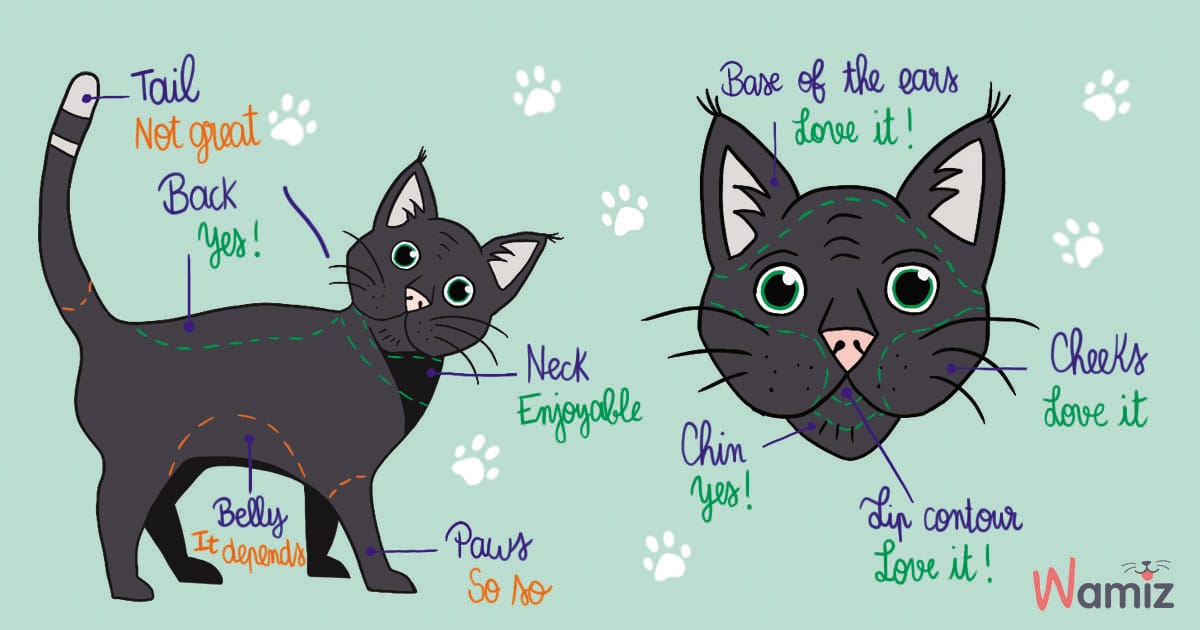
Cats enjoy gentle strokes on their head, chin, and back. Avoid touching their belly and tail. Always observe their body language to ensure they are comfortable and happy.
Petting cats might seem straightforward, but understanding the safe petting zones is crucial for keeping your feline friend happy. Cats have specific areas where they enjoy being touched, and knowing these zones can enhance your bond. Do you know which spots your cat loves the most?Head And Chin
Many cats adore gentle strokes on their heads and chins. These areas are rich in scent glands, so when you pet them there, you’re engaging in a mutual exchange of affection. To start, use your fingers to softly scratch under their chin. Pay attention to their response. If they lean into your touch, you’re doing it right!Back And Tail
Petting a cat’s back can be a delightful experience for both you and your feline. Run your hand gently from the base of their neck down to the tail. Most cats will arch their back as a sign of enjoyment. However, be cautious near the tail. Some cats are sensitive in this area and may not appreciate touch. Always observe your cat’s body language to ensure they’re comfortable. By understanding these safe petting zones, you can create a more enjoyable and stress-free environment for your cat. Have you noticed how your cat reacts when you pet different areas?
Credit: www.facebook.com
Techniques For Petting
Petting cats is an art that requires finesse and understanding. Each cat has unique preferences. Knowing the right techniques can enhance your bond. Proper petting ensures a happy and relaxed feline friend. Let’s explore how to pet cats correctly.
Gentle Strokes
Gentle strokes are essential for happy cats. Use soft, slow movements across their body. Focus on the head, neck, and back. Cats often enjoy these areas. Watch for signs of comfort. Purring or leaning in are good signs. Keep your touch light and smooth. It helps to build trust.
Avoiding Overstimulation
Overstimulation can lead to stress in cats. Be mindful of your cat’s reactions. If the tail swishes or ears flatten, pause. These signs indicate discomfort. Short petting sessions are often best. Ensure you give breaks between strokes. Let the cat dictate the pace. Respect their boundaries.
Building Trust With Your Cat
Gently stroking a cat’s head and back can build trust. Avoid touching sensitive areas like the belly. Use slow, calm movements to reassure your feline friend.
Building trust with your cat is essential for a harmonious relationship. Cats are naturally cautious creatures, and gaining their trust requires patience and understanding. Once your feline friend feels safe and secure, you’ll notice a significant change in their behavior. They become more affectionate and responsive, creating a rewarding bond. So, how do you build this trust? Let’s explore some practical ways to get started.Slow Approach
Approaching your cat slowly is crucial. Imagine you’re meeting a shy person for the first time; you wouldn’t rush up to them, would you? Cats appreciate the same courtesy. Start by observing your cat’s body language. If they seem relaxed, you can begin to move closer, gently and gradually. Avoid sudden movements that can startle them. A slow approach helps your cat feel more comfortable and in control.Using Treats As Incentives
Treats can be powerful motivators. Think of them as little rewards for positive behavior. When your cat comes to you, or lets you pet them, offer a treat. This positive reinforcement makes them associate your presence with good things. Choose treats that your cat loves. The more enticing, the better! Keep them small and healthy to avoid overfeeding. Have you ever considered how your cat perceives you? They might see you as a giant, unpredictable creature. Building trust is about showing them you’re friendly and safe. What’s your cat’s favorite treat? Using it strategically can enhance your bond. Remember, every cat is unique. Some may warm up to you quickly; others might take time. The key is patience and consistency. By respecting your cat’s pace and rewarding their bravery, you lay the foundation for a lasting friendship.Common Mistakes To Avoid
Gently stroke a cat’s back instead of patting its head to prevent stress. Avoid rough handling, which can lead to discomfort. Respect their space when they want to be alone.
Petting cats can be a delightful experience, but there are common mistakes that many people make, often without realizing it. These mistakes can turn a pleasant interaction into a stressful one for your feline friend. Understanding what to avoid can make a significant difference in building a trusting relationship with your cat. Let’s dive into some common errors and how you can steer clear of them.Ignoring Warning Signs
Cats are not shy about showing how they feel. They have a range of signals to communicate discomfort or stress. If you notice your cat’s tail twitching rapidly, ears flattening, or hear them hissing, it’s time to stop. Ignoring these signs can lead to a scratch or bite. I learned this the hard way when my cat, Luna, gave me a swift swat after I didn’t heed her flicking tail. It’s essential to pay attention to these cues to keep interactions positive.Petting Too Aggressively
Gentle is the key when petting cats. A common mistake is using too much force or rubbing them in areas they don’t like. Cats generally prefer soft strokes on their head and back. Think about how you feel when someone shakes your hand too firmly. It’s uncomfortable, right? Similarly, cats don’t appreciate heavy-handed petting. My neighbor’s cat, Oliver, taught me that lesson after I mistakenly rubbed his belly too vigorously—he promptly ran away. So, how do you ensure your cat enjoys petting? Start with a light touch and watch their body language. Are they purring or rubbing against your hand? Great! If not, try a different approach. How can you tell if you’re petting your cat correctly? What signs does your cat show when they’re truly enjoying it? Share your thoughts or experiences in the comments below!Adapting To Different Breeds
Petting a cat may seem simple. Yet, different breeds need unique care. Each breed has distinct features and personalities. Understanding these differences enriches your bond with them. It also ensures their comfort and happiness. Let’s explore how to adapt your petting style for various cat breeds.
Short-haired Cats
Short-haired cats have sleek and smooth coats. Their grooming needs are minimal compared to long-haired breeds. When petting, use gentle strokes along their back. Cats like the top of their head scratched too. Avoid their belly unless they show comfort with you. Short-haired cats enjoy light brushing. This helps in removing loose hair and bonding.
Long-haired Cats
Long-haired cats require more grooming. Their fur tangles easily. Pet them with slow, gentle strokes. Use a wide-toothed comb for grooming sessions. They often enjoy chin and neck scratches. These areas are less prone to matting. Regular grooming helps prevent knots. It also strengthens your relationship with them.
Using Tools And Toys
Cats love play and grooming. Using tools and toys ensures they stay happy. These items help build bonds and keep cats healthy. Brushes, combs, and toys play a crucial role. Learn how to use them effectively.
Brushes And Combs
Grooming tools are essential for a cat’s health. Brushes help remove loose fur. This reduces shedding and hairballs. Combs can detangle knots and mats. Regular grooming keeps the coat shiny and clean. Choose a brush that fits your cat’s fur type. Short-haired cats need softer brushes. Long-haired breeds require more robust tools. Always brush gently, respecting the cat’s comfort.
Interactive Toys
Interactive toys stimulate a cat’s mind. They encourage physical activity. These toys mimic natural hunting behaviors. Wand toys, laser pointers, and puzzle feeders are great options. Wand toys engage cats in chase. Laser pointers offer fun, energetic play. Puzzle feeders challenge the cat’s intelligence. Always supervise playtime to ensure safety. Rotate toys to maintain interest and excitement.
Health Benefits Of Petting
Petting cats can lower stress and improve mood. Always approach gently, observing their body language for comfort signs. Stick to areas they prefer, like under the chin or behind the ears, to ensure a pleasant experience.
Petting your cat is more than just a soothing ritual; it can significantly boost both your cat’s and your own well-being. Understanding the health benefits of petting is key to fostering a healthy relationship with your feline friend. When you stroke your cat, you’re not only making them feel loved, but you’re also contributing to their overall health.Stress Reduction For Cats
Cats, like humans, experience stress. A gentle hand on their fur can be incredibly calming. Regular petting sessions can lower their anxiety levels. If you notice your cat hiding or acting unusually skittish, try petting them softly. This can help them feel secure and relaxed. Many cat owners report seeing their pets visibly unwind as they stroke them. It’s a simple act with profound effects.Bonding With Your Pet
Petting is a great way to bond with your cat. It creates a sense of trust and familiarity. Each time you pet your cat, you’re strengthening your relationship. Think about the times your cat purrs contentedly in your lap. That’s a sign of a strong bond. Cats often associate petting with affection. As you pet them, you become an integral part of their comfort zone. Do you make time each day to pet your cat? If not, consider starting today. It’s a small commitment that can lead to a deeper connection with your furry friend.Frequently Asked Questions
What Is The Correct Way To Pet A Cat?
Approach the cat calmly and let it sniff you first. Gently stroke its head and back. Avoid touching the belly or tail unless the cat trusts you. Watch for signs of discomfort, like twitching or moving away. Always respect the cat’s personal space and preferences.
How Do Cats Like Being Petted?
Cats enjoy being petted gently on their head, cheeks, and back. Each cat’s preference varies, so observe their reactions. Avoid sensitive areas like the belly unless they show comfort. Slow, soft strokes are usually preferred, enhancing bonding and trust. Always ensure your cat is relaxed and happy during petting.
Where Do Cats Not Like To Be Touched?
Cats often dislike being touched on their belly, tail, paws, and near their ears. Respect their boundaries to build trust. Pay attention to their body language for signs of discomfort. Always approach gently and let them initiate contact when they’re ready.
Understanding their preferences ensures a happy and stress-free interaction.
Where To Pet A Cat To Make It Purr?
Gently pet a cat on its head, behind the ears, or under the chin to make it purr. Cats also enjoy strokes along their back. Observe the cat’s body language to ensure it’s comfortable and happy. Each cat has unique preferences, so adjust accordingly.
Conclusion
Petting cats brings joy and comfort. It’s more than just touch. Cats need gentle strokes and respect. Each cat has unique likes. Watch their reactions closely. Ears back? Stop immediately. Slow blinking shows trust. A warm lap invites cuddles. Good petting strengthens your bond.
Trust grows with careful handling. Cats feel safe and loved. Remember these tips for happy interactions. You can create a harmonious home. Enjoy every purr and nuzzle. Cats are wonderful companions. Show them love and patience. Your furry friend will thank you with affection.