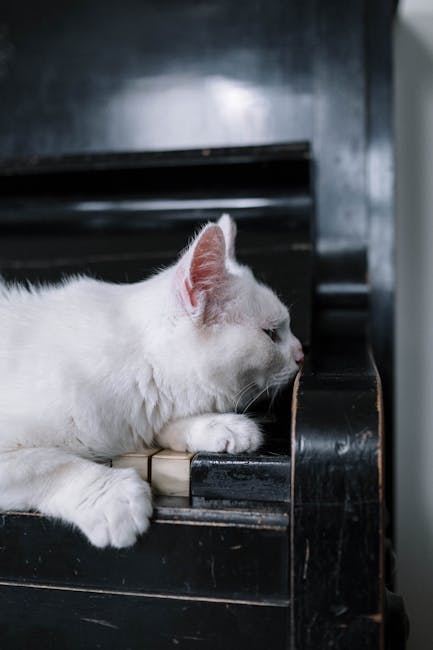
Imagine coming home after a long day, and your furry friend greets you with a gentle purr and a soft brush against your leg. There’s something magical about connecting with a cat, and knowing how to properly pet them can transform your bond.
You might think petting a cat is simple, but understanding their preferences can make a world of difference. Are you curious about how to make your cat feel comfortable and loved through touch? You’ll discover the secrets to becoming your cat’s favorite human.
From recognizing their subtle signals to mastering the perfect stroke, we’ll guide you through every step. Get ready to unlock the secrets of feline affection and make your cat’s purrs louder than ever.

Credit: www.facebook.com
Approaching A Cat
Approaching a cat requires patience and understanding. Cats are unique creatures with specific preferences. They value their personal space and often decide when they want interaction. Approaching them in the right way can make a big difference. It sets the tone for a positive experience for both of you.
Understanding Cat Behavior
Cats are known for their independent nature. They often prefer observing from a distance before engaging. Understanding this behavior is key. It helps in approaching them without causing stress. Some cats may seem aloof, yet they are just cautious. Recognizing these traits helps in gaining their trust.
Reading Body Language
Body language tells a lot about a cat’s mood. A relaxed cat might have a gently swaying tail. Ears perked forward can indicate curiosity or interest. A low, twitching tail might signal irritation. Recognizing these signs helps in adjusting your approach.
Watch their eyes too. Slow blinking often shows a cat feels safe. Wide eyes might mean the cat is startled or stressed. Understanding these signals ensures your approach is welcomed. It paves the way for a friendly interaction.

Credit: www.kskcollegebeed.com
Choosing The Right Moment
Choosing the right moment to pet a cat is crucial. Cats have unique personalities and moods. Understanding their behavior helps you bond better. Not every time is suitable for petting. Observing their mood and environment is key.
Timing And Environment
Timing matters when petting a cat. Morning times are often good. Cats are usually more relaxed after meals. Avoid petting during playtime. They might be too excited to enjoy it.
Consider the environment too. Quiet spaces are ideal. Loud noises can stress cats. Ensure the area is calm. Avoid petting in crowded places.
Signs Of Receptiveness
Cats show signs when they’re ready for petting. A purring cat is often receptive. Look for relaxed body language. A tail held high signals comfort.
Watch their eyes. Slow blinking means trust. If they approach you, it’s a good sign. Avoid petting if they seem tense. Hissing or swatting indicates they’re not in the mood.
Techniques For Petting
Properly petting a cat involves understanding their preferences. Cats have unique likes and dislikes. Knowing the right techniques can enhance bonding. It can also ensure a happy feline friend. Let’s explore the areas they enjoy and how to touch them gently.
Areas Cats Enjoy
Cats have specific spots they love being petted. The base of the chin is a favorite. Behind the ears is another sweet spot. Many cats enjoy strokes along their back. Pay attention to their body language. A raised tail often signals contentment. But avoid the belly. Most cats dislike belly rubs.
Gentle Touch Methods
Gentle touch is crucial for petting cats. Use soft, slow strokes. Start from the head and move towards the tail. Use your fingertips for a light massage. Keep your touch consistent and calm. Avoid sudden movements. These can startle a cat. Observe their reactions. Adjust your technique based on their response.
Common Mistakes To Avoid
Petting a cat might seem simple. Yet, many make common mistakes. These mistakes can lead to a stressed or annoyed cat. Understanding these errors helps create a better bond with your furry friend.
Overstimulation Risks
Many cats enjoy being petted. But too much can cause discomfort. Overstimulation can turn a happy cat grumpy. Cats have unique tolerance levels. Pay attention to their body language. Signs of overstimulation include twitching tails or flattening ears. Stop petting if the cat shows these signs. Let them dictate the pace of interaction. Short petting sessions are often best.
Sensitive Zones
Cats have areas they prefer not to be touched. Their belly is often sensitive. Avoid petting this area unless they show comfort. Most cats like chin and cheek rubs. Avoid touching their paws and tail. These are sensitive zones for many cats. Each cat is different. Observe their reactions when petting new areas. Respect their boundaries for a happy relationship.
Building Trust
Building trust with a cat is a delicate process. Cats are cautious by nature. They need time to adjust to new people. Building trust involves patience and understanding. It’s about letting the cat feel safe and comfortable. Trust is the foundation of a strong bond. Let’s explore how to foster this trust.
Consistency And Patience
Consistency is vital in building trust with your cat. Cats appreciate routine and predictability. They feel secure when they know what to expect. Regular feeding times, play sessions, and petting moments are essential. Patience is equally important. Some cats warm up quickly, others take their time. Don’t rush the process. Let your cat set the pace. This shows respect and understanding.
Rewarding Positive Interactions
Positive reinforcement is a powerful tool. Reward your cat for positive interactions. A gentle stroke or a soft-spoken word can go a long way. Treats are effective too. Use them sparingly to avoid overfeeding. Praise your cat for calm behavior. This reinforces the idea that good things happen during these moments. Over time, your cat will associate you with safety and positivity.
Benefits Of Proper Petting
Properly petting a cat has many benefits for both you and your furry friend. It’s not just about making your cat happy. It’s also about creating a peaceful and joyful environment. When done right, petting can enhance your relationship with your cat. It can also improve their overall well-being.
Strengthening Bonds
Proper petting helps build trust between you and your cat. Cats feel secure when they are touched gently. This can make them more affectionate over time. A gentle touch shows your cat that you care. It reassures them that they are safe with you. This creates a deeper connection between you and your feline friend.
Promoting Relaxation
Petting can help a cat relax and feel calm. Gentle strokes release tension in their muscles. It can even lower a cat’s stress levels. When a cat is relaxed, it may purr softly. This sound is a sign of contentment and peace. Regular petting sessions can help maintain this relaxed state. It’s a simple way to keep your cat happy and stress-free.
:max_bytes(150000):strip_icc()/where-to-pet-a-cat-2000-0a0adbbb5046469e85fd8e25a197950e.jpg)
Credit: www.dailypaws.com
Frequently Asked Questions
Is There A Right Way To Pet A Cat?
Gently pet a cat on its head, chin, or back. Avoid touching its belly and tail. Always observe the cat’s body language for comfort and consent. Offer your hand for sniffing before petting. Every cat has different preferences, so adjust your approach accordingly.
What Is The 3-3-3 Rule For Cats?
The 3-3-3 rule helps cats adjust to new homes. It covers three days, three weeks, and three months. After three days, cats start feeling safe. In three weeks, they settle into routines. After three months, they fully adapt and feel part of the family.
How Do Cats Like To Be Petted?
Cats enjoy being petted on their heads, cheeks, and under the chin. Start gently and watch their reactions. Avoid petting their bellies as many cats dislike it. Always observe your cat’s body language to ensure they are comfortable and happy with the interaction.
Where Do Cats Like To Be Touched Most?
Cats often enjoy being touched on the head, chin, and behind the ears. Many also appreciate gentle strokes along their back. Always observe the cat’s reactions to ensure they are comfortable and happy with the interaction. Respect their preferences for a positive bonding experience.
Conclusion
Petting a cat can strengthen your bond with them. Always approach gently. Let the cat guide you. Respect their boundaries. Pay attention to their body language. Happy purring means you’re doing it right. Tail swishing? They might need space. Each cat is unique.
Experiment to find their favorite spots. Head, chin, or back. With practice, you’ll understand their preferences. Enjoy the calming effect of petting. It benefits you both. Remember, patience is key. Cats sense your intentions. Show love and care. They’ll appreciate your efforts.
Happy petting!