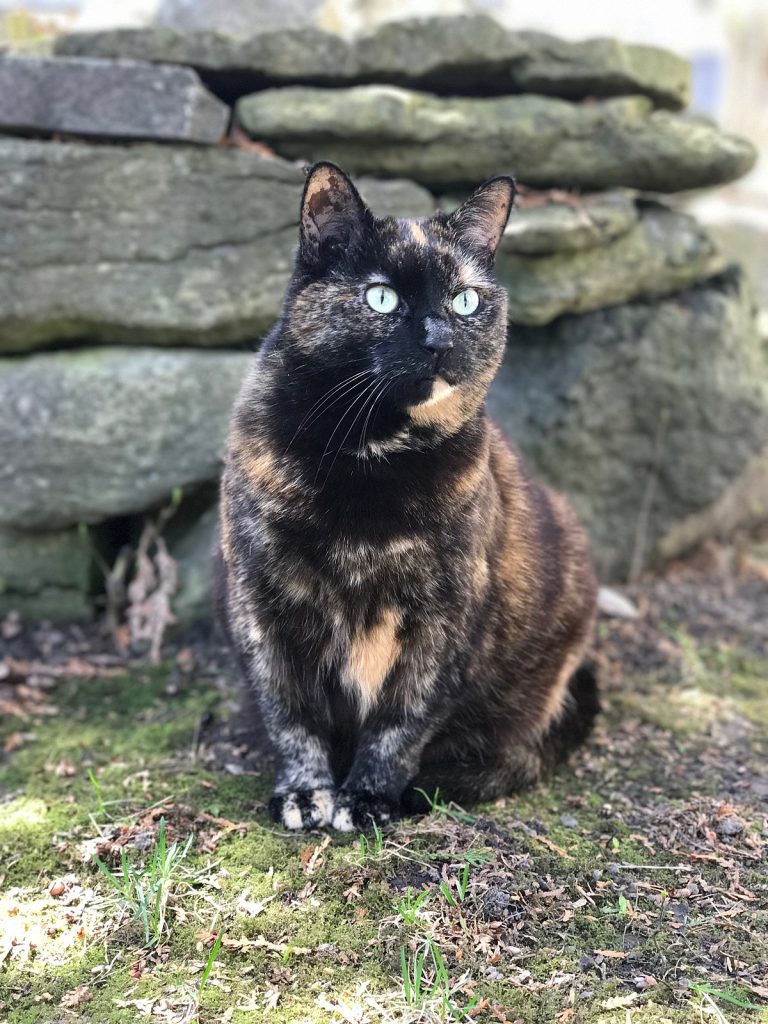
Have you ever heard someone refer to a cat as a “tortoise shell” and wondered what that really means? You might be surprised to learn that tortoise shell isn’t actually a breed of cat.
It’s a fascinating mix of colors and patterns found in various breeds. If you’re curious about what makes these cats special, you’re in the right place. This article will explore the mystery behind tortoise shell cats and what sets them apart.
You’ll discover why these unique felines have captured the hearts of so many. Understanding their distinct appearance and how it affects their behavior might just change the way you see your own furry friend. Dive in, and let’s unravel the secrets of these captivating creatures together!
Credit: www.goodhousekeeping.com
Tortoiseshell Cats Explained
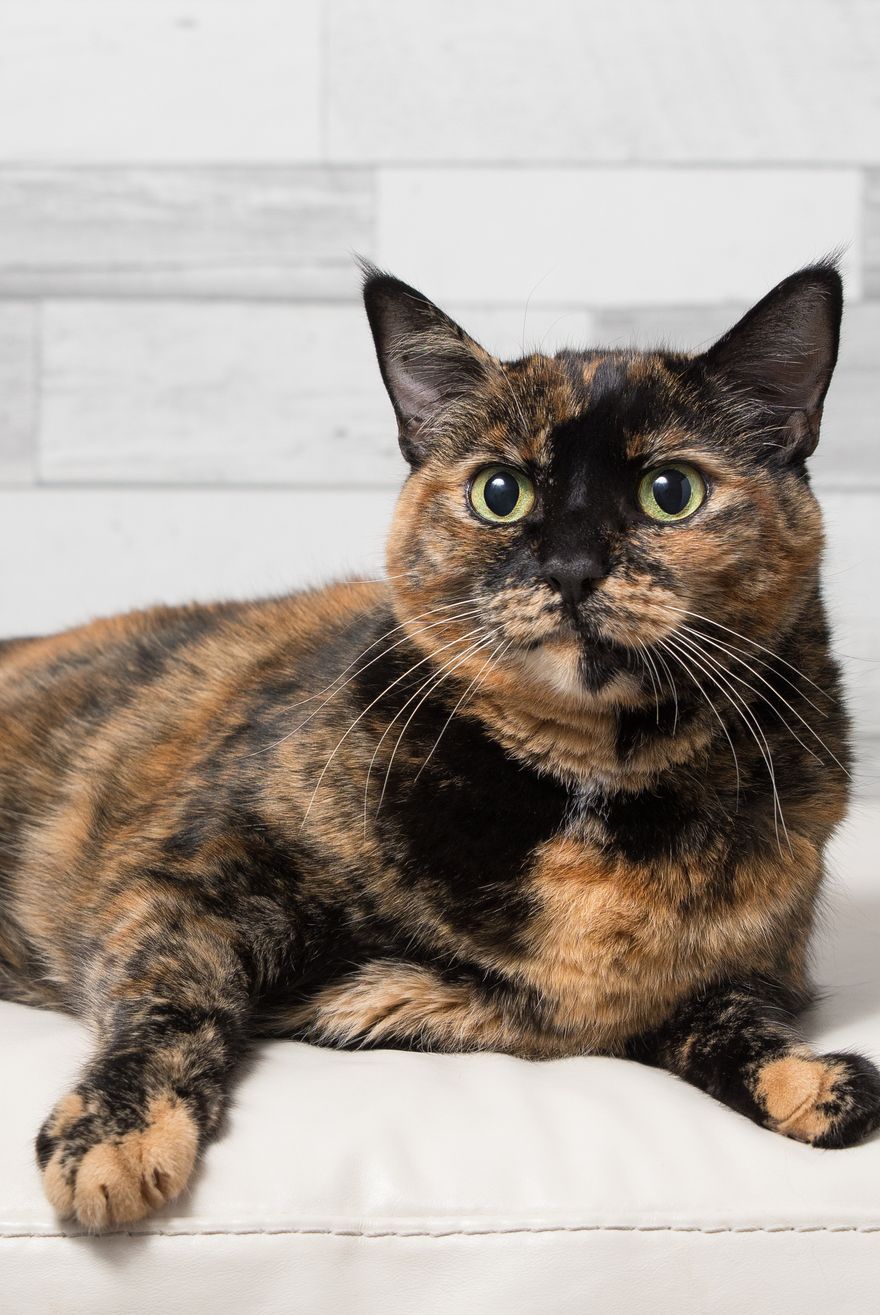
Tortoiseshell cats are known for their unique color patterns. They are not a specific breed. Instead, their name comes from their colorful coats. These cats have a mix of red, black, and cream colors. Each pattern is different, making every tortoiseshell cat unique.
What Makes A Tortoiseshell Cat?
Tortoiseshell cats have two main colors. These are red and black. Sometimes, they have traces of cream or orange. The pattern is usually a mix of colors. No two tortoiseshell cats look the same.
Are Tortoiseshell Cats Only Female?
Most tortoiseshell cats are female. This is due to their genetics. The genes responsible for the color are on the X chromosome. Males can be tortoiseshell, but it’s rare.
Do Tortoiseshell Cats Have Unique Personalities?
Many owners believe tortoiseshell cats have special personalities. They often describe them as lively and independent. Some call this unique trait “tortitude.” This may vary from cat to cat.
Are Tortoiseshell Cats Healthy?
Their health depends on their breed, not their color. Tortoiseshell cats can be any breed. Regular vet check-ups help maintain their health.
Colors And Patterns
Tortoise shell refers to a cat’s coat pattern, not a breed. These cats have a unique mix of orange and black. Their vibrant patterns make them stand out.
When you gaze upon a tortoiseshell cat, the first thing that likely catches your eye is its striking colors and patterns. These cats aren’t just about looks, though; their coats tell a story. Understanding the unique colors and patterns of tortoiseshell cats can deepen your appreciation for these fascinating felines.Common Color Combinations
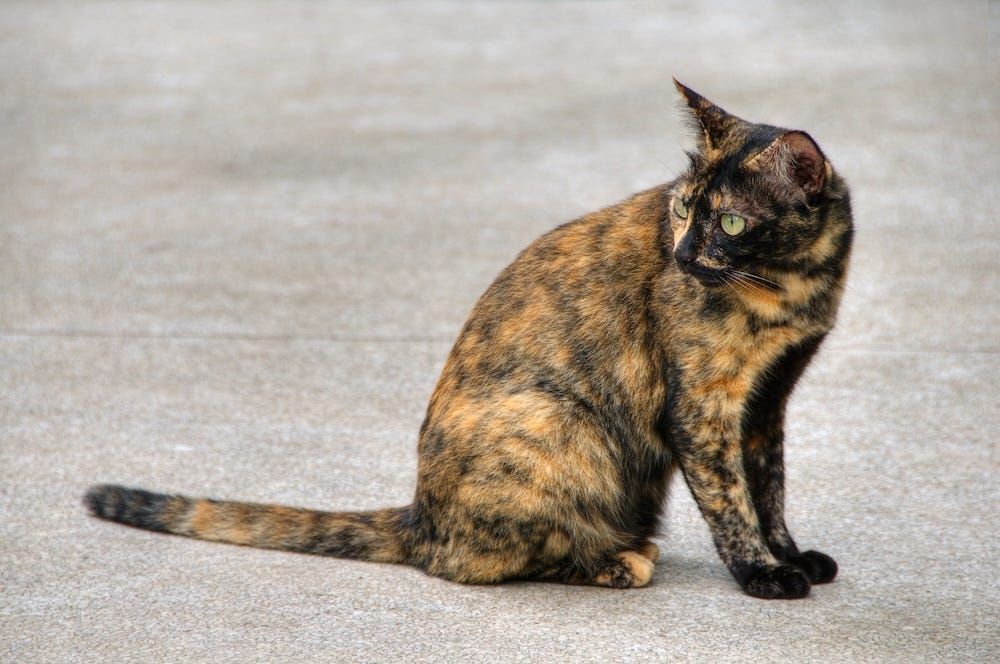
Tortoiseshell cats, often affectionately called “torties,” are known for their beautiful mix of colors. Their coats usually blend black, orange, and yellow, creating a tapestry of rich hues. Some even have hints of cream or gold, adding a touch of sparkle. A classic tortoiseshell will have an even mix of these colors, but no two are exactly alike. Each cat is a unique masterpiece, painted by nature itself. You might find one with more black, while another leans heavily on the orange side. Have you ever seen a cat with an unexpected splash of color? That’s what makes tortoiseshells so enchanting.Unique Pattern Characteristics
The patterns on a tortoiseshell cat are like fingerprints—no two are the same. They often display a mosaic of colors, with patches or swirls that make each one special. This patchwork can be random, giving the cat a truly one-of-a-kind appearance. Some tortoiseshells have a “split face” pattern, where their faces are divided into two distinct colors. This is a rare and striking feature that can make your tortie stand out even more. Consider the surprise of discovering a new pattern on your cat. It’s like finding hidden treasure in your own home. It’s these unique characteristics that make people fall in love with tortoiseshells. Their coats are a conversation starter, a piece of living art that you can admire every day. Do you have a tortoiseshell cat? What unique patterns have you noticed on your feline friend? Share your experiences and let others know about the beauty and charm of these extraordinary cats.Genetics Behind Tortoiseshell Cats
Tortoiseshell cats are not a breed but a color pattern. This unique look results from specific genetic traits. Predominantly female, their striking fur blends orange, black, and sometimes white.
The world of tortoiseshell cats is as vibrant and unique as their coats. Many people wonder if tortoiseshell is a breed, but it’s actually a color pattern found in several breeds. The secret lies in the genetics that create their striking appearance. Understanding the genetics behind tortoiseshell cats reveals fascinating insights into how nature paints these beautiful creatures.Chromosomal Influence
The distinctive tortoiseshell pattern is primarily influenced by chromosomes. Cats have 38 chromosomes, which determine everything from their coat color to their personality traits. The tortoiseshell pattern arises when two different colors—black and red—mingle on a cat’s coat. This mix is due to genetic mosaicism, where different cells express different colors. It’s similar to how a painter dabs various colors on a canvas. In tortoiseshell cats, every fur patch is like a stroke of genetic paint, offering a unique masterpiece every time.Role Of X Chromosome
A crucial player in this colorful display is the X chromosome. Female cats have two X chromosomes (XX), while males have one X and one Y (XY). The gene responsible for the tortoiseshell pattern resides on the X chromosome. In females, the two X chromosomes can carry different color genes. One might carry black, and the other might carry red. This dual presence allows the tortoiseshell pattern to emerge. In males, having only one X chromosome means they typically display a single color unless a genetic anomaly occurs. Have you ever wondered why most tortoiseshell cats are female? It’s this genetic setup that makes it so. This fascinating genetic dance means every tortoiseshell cat is a walking testament to the wonders of biology. So next time you admire a tortoiseshell cat, remember that their striking look is not just skin deep—it’s a genetic story. Would you have guessed that such complexity lies beneath their colorful coats? Understanding this genetic background not only satisfies curiosity but also enhances the appreciation for these feline wonders.:strip_icc()/tortoiseshell-cat-profile-554703-hero-d3b7f76b15004a55bbd3e1530a3da342.jpg)
Credit: www.thesprucepets.com
Tortoiseshell Vs. Calico Cats
Have you ever wondered if tortoiseshell cats are a distinct breed or if they’re just another name for calico cats? It’s easy to get confused because both have striking coats. Let’s dive into the fascinating world of tortoiseshell and calico cats to discover what sets them apart and what brings them together.
Key Differences
Tortoiseshell and calico cats are not breeds. Instead, they refer to coat color patterns. A tortoiseshell cat has a coat blending black, red, and orange hues. Think of it like a painter’s palette with swirling colors. Calico cats, on the other hand, have patches of white along with the black and orange. Imagine splashes of white paint on a tortoiseshell canvas.
Genetics play a big role here. Did you know the gene responsible for these colors is linked to the X chromosome? This is why most tortoiseshell and calico cats are female. It’s a fascinating bit of science. Does this mean male tortoiseshells or calicos are rare? Yes, but they exist due to genetic anomalies.
Similarities
Both tortoiseshell and calico cats share more than just their mesmerizing colors. Their personalities are often described as sassy and independent. Have you ever owned one? You might agree that they have a unique charm that commands attention.
These cats are not just pretty faces; they are known for their lively and curious nature. If you’re considering adopting one, be ready for a spirited companion. Their vivid coats might catch your eye first, but their playful antics will keep you entertained.
So, what’s your experience with these colorful felines? Have they brightened your home with their vibrant personalities? Share your stories with fellow cat lovers, and let’s celebrate the uniqueness of tortoiseshell and calico cats.
Behavioral Traits
Tortoise shell refers to a cat’s unique color pattern, not a breed. These cats display vibrant mixes of orange, black, and cream. Tortoise shell cats are often known for their spirited and independent behavior. Their striking coat and lively personality make them stand out among feline companions.
Tortoiseshell cats, also fondly referred to as “torties,” are not a specific breed but are known for their striking and unique color patterns. But what about their personalities? Do these vibrant hues reflect a distinctive set of behavioral traits? If you’re considering adding a tortoiseshell cat to your family, understanding their potential behavior can guide your decision.Typical Personality Traits
Tortoiseshell cats are often described as having a strong-willed and independent nature. Many tortie owners report their feline friends being particularly vocal and expressive. You might notice your tortie communicating with a wide range of meows and purrs, each serving a specific purpose. Yet, their spirited nature doesn’t mean they’re unfriendly. Tortoiseshells can form strong bonds with their human companions. They might enjoy curling up beside you or playfully swatting at your fingers. Their loyalty can be heartwarming, but be prepared for a bit of sass and attitude.Myth Vs. Reality
A common myth is that tortoiseshell cats have a distinct personality trait known as “tortitude.” While it’s tempting to attribute behaviors to their coat color, it’s essential to remember that each cat is an individual. Not all torties are fiery and feisty. Some tortoiseshell cats are laid-back and enjoy quiet moments in the sun. Others may be more playful and energetic. These differences often come from their upbringing and environment rather than their coat pattern. Does your tortie display a unique personality trait that challenges the stereotype? Consider how your interactions and the environment you provide shape your cat’s behavior. Engaging with your tortie in activities they enjoy can foster a loving relationship. In essence, while tortoiseshell cats are often described with certain personality traits, it’s crucial to view each cat as an individual. By understanding and respecting their unique behaviors, you can nurture a happy and harmonious bond.Breeds With Tortoiseshell Patterns
Tortoiseshell refers to a unique color pattern, not a specific cat breed. Several breeds can have this striking coat. These include American Shorthair, British Shorthair, and Persian cats, among others. Known for their vibrant mix of orange, black, and sometimes white, tortoiseshell cats are often female.
When you see a cat with a striking mix of orange, black, and cream colors, you might wonder if it’s a specific breed. Tortoiseshell patterns are not limited to one breed; they can appear in many. This pattern is all about the unique color combination, not a specific cat breed. It’s fascinating how this beautiful mosaic can be found in various cat breeds, each carrying its own charm and characteristics.Popular Breeds
Some breeds are more likely to display the tortoiseshell pattern. Domestic Shorthairs and Domestic Longhairs frequently exhibit this stunning color mix. They are not specific breeds but rather a collection of mixed breeds. You might also find the tortoiseshell pattern in pedigree cats like the Persian or the playful American Shorthair. The British Shorthair is another breed where tortoiseshell patterns appear. These cats are known for their dense coats and round faces. Have you ever seen a British Shorthair with tortoiseshell markings? It’s like having a little piece of art purring on your lap.Breed Variations
While the tortoiseshell pattern can appear in many breeds, each breed brings its own unique twist. A Persian with a tortoiseshell coat will have long, flowing fur, giving the colors a more muted, blended look. This creates a soft, watercolor effect that is truly mesmerizing. In contrast, a Bengal cat with a tortoiseshell pattern would exhibit short, sleek fur. The colors appear more vibrant and distinct, almost as if painted with a fine brush. This difference in appearance can be a deciding factor for many cat lovers choosing their ideal pet. Do you have a tortoiseshell cat at home? If so, you know they often come with a spirited personality, sometimes called “tortitude.” This is not specific to any breed but rather an endearing trait many tortoiseshell cats share. Understanding these breed variations can help you appreciate the diversity and beauty of tortoiseshell cats. Each one offers a unique combination of colors and traits. Which tortoiseshell pattern speaks to you?Tortoiseshell Cats In Culture
Tortoiseshell cats, with their unique coat patterns, have intrigued humans for centuries. They are not a specific breed, yet they hold a special place in various cultures. Across time, these cats have been symbols of luck and mystery. Their distinct markings and vibrant colors often evoke admiration and curiosity. Let’s explore their historical significance and modern cultural impact.
Historical Significance
In ancient cultures, tortoiseshell cats were considered omens of good fortune. Sailors believed these cats brought protection and safe passage across the seas. In Japan, they were thought to ward off ghosts and evil spirits. Their rarity and beauty made them valuable in folklore and mythology.
Throughout history, these cats have been subjects of art and storytelling. Many cultures revered them, attributing mystical qualities to their coats. Their presence in homes was often seen as a blessing. People cherished them not only for their appearance but also for their perceived magical traits.
Modern Cultural Impact
Today, tortoiseshell cats continue to captivate cat enthusiasts worldwide. Their unique patterns make them a popular choice for pet owners. Social media platforms are filled with photos and stories of these charming felines. They often inspire memes and viral content, showcasing their playful personalities.
In literature and media, tortoiseshell cats are often depicted as spirited and sassy. Their strong-willed nature contributes to their modern-day popularity. Many writers and artists draw inspiration from their striking appearances. Tortoiseshell cats have carved a niche in contemporary culture, remaining beloved companions.
Credit: www.litter-robot.com
Frequently Asked Questions
What Breed Of Cat Is A Turtle Shell?
A tortoiseshell cat is not a breed but a color pattern. This pattern appears in several breeds, including the American Shorthair, British Shorthair, and Persian. Tortoiseshell cats have a unique mix of black, brown, and orange colors, often making them stand out.
Are Tortoiseshell Cats Crossbreeds?
Tortoiseshell cats are not crossbreeds. Their unique coat color results from genetic variations. They have a mix of black, red, and orange fur. Most tortoiseshell cats are female due to the chromosomal nature of their coloration. This distinctive pattern is purely genetic and not a breed or hybrid.
What Is The Difference Between A Tabby And A Tortoise Shell Cat?
Tabby cats have distinctive stripes, dots, or swirling patterns. Tortoiseshell cats display a mottled mix of black, orange, and brown colors. Tabby is a pattern type, while tortoiseshell refers to a specific color combination. Both can occur in various breeds.
What Is The Lifespan Of A Tortoiseshell Cat?
Tortoiseshell cats generally live around 12 to 18 years. Their lifespan depends on care, diet, and genetics. Regular vet check-ups can help ensure a longer life. Providing a safe environment also contributes to their longevity. Proper nutrition and exercise are crucial for their health and well-being.
Conclusion
Tortoise shell cats are not a breed. They’re a color pattern. This pattern appears in several breeds. Known for their unique markings, they’re truly distinct. Many people love their vibrant, mixed colors. Each tortoise shell cat looks different. Personality traits vary widely among them.
They’re often independent and spirited. Caring for them is like caring for any other cat. Regular vet visits and a balanced diet are essential. Consider adopting one for its beauty and personality. You’ll have a unique feline friend.