When your furry friend needs medical attention, understanding the costs involved is crucial. Have you ever found yourself at the vet, worried about how much it might cost to ensure your cat’s health and happiness?
You’re not alone. Navigating vet bills can feel overwhelming, especially when you’re faced with unexpected expenses. But don’t worry—you’re about to uncover everything you need to know to make informed decisions about your cat’s healthcare. Imagine having the confidence to manage your cat’s medical needs without breaking the bank.
How much are vet bills for cats, really? Whether it’s routine check-ups, vaccinations, or emergency treatments, knowing what to expect financially can save you stress and help you plan ahead. You’ll learn about typical costs, factors that influence prices, and tips to keep your expenses in check. Stay with us, and discover how to give your cat the best care possible without any surprises along the way.

Credit: www.getfursure.com
Common Veterinary Services
Vet bills for cats can vary based on the services needed. Routine check-ups often cost less than emergency visits. Costs for vaccinations, spaying, and dental care are common expenses cat owners face.
When you become a cat owner, you’re signing up for love, companionship, and, yes, a commitment to their health. Understanding common veterinary services can help you prepare for the financial responsibilities that come with caring for your feline friend. By knowing what to expect, you can better plan your budget and ensure your cat gets the best care possible.Routine Check-ups
Routine check-ups are essential for keeping your cat healthy. These visits typically happen once or twice a year and involve a thorough examination by the vet. They will check your cat’s weight, teeth, coat, and overall well-being. During these visits, the vet may also discuss any changes in behavior or diet and provide advice on maintaining your cat’s health. The cost of a routine check-up can vary, but you can expect to pay between $50 and $100. Think of these visits as preventive maintenance, much like changing the oil in your car.Vaccinations
Vaccinations play a crucial role in protecting your cat from various diseases. Some vaccines are necessary, while others depend on your cat’s lifestyle and environment. Essential vaccines typically include rabies and feline distemper. The cost of vaccinations can range from $15 to $50 per shot. It’s important to keep your cat’s vaccinations up to date to prevent any serious health issues down the road. Have you ever considered how much peace of mind these shots bring, knowing your cat is protected against common yet dangerous illnesses? By understanding these common veterinary services, you can ensure your cat stays healthy and happy without any unpleasant financial surprises. What proactive steps can you take today to prepare for your cat’s future vet visits?Emergency Care Costs
When your feline friend faces a health emergency, the costs can quickly add up, leaving you wondering how to manage such unexpected expenses. Emergency care for cats is often pricier than regular visits, due to the urgent nature and specialized treatments required. Understanding these costs can help you prepare for those unpredictable moments when your cat’s health is on the line.
Accident And Injury
Imagine your playful cat takes a misstep and injures itself. Accidents can lead to a range of issues, from minor cuts to fractures. Emergency vet visits for accidents might include diagnostic tests like X-rays, which can cost between $100 to $250. Treatment for fractures could run from $500 to $3,000 depending on complexity. It’s crucial to ask yourself: Is pet insurance worth it for such unforeseen events?
Sometimes, a cat might swallow something it shouldn’t, necessitating surgical intervention. Surgery for foreign object removal typically costs $800 to $2,000. These costs reflect the urgency and expertise needed to safely extract the object and prevent further harm.
Sudden Illness
When a cat suddenly becomes ill, the costs for emergency care can be daunting. Imagine rushing your cat to the vet with symptoms like vomiting or lethargy. Diagnostic tests, such as blood work, might be needed, costing around $100 to $200. Medications and fluids can add another $100 to $300 to your bill.
Severe illnesses like kidney failure require intensive care, potentially costing $1,000 to $3,000. This includes hospitalization, ongoing monitoring, and specialized treatments. How prepared are you for such critical situations that demand immediate and extensive care?
In essence, emergency vet bills for cats can vary significantly based on the situation. Preparing for these costs, through savings or pet insurance, can ease the financial strain when your cat needs urgent care. Being proactive in understanding these expenses ensures you can focus on what truly matters—your cat’s health and recovery.
Chronic Illness Management
Caring for a cat with a chronic illness can lead to high vet bills. Costs vary based on treatments and medications. Regular check-ups and ongoing care are necessary, affecting the total expenses.
When your feline friend is diagnosed with a chronic illness, managing their health becomes a top priority. The financial aspect of this management can be daunting, yet it’s a necessary commitment to ensure your cat enjoys a high quality of life. Understanding the potential costs involved in managing chronic illnesses can help you plan and ensure that you are prepared for what lies ahead.Diabetes Treatment
Diabetes in cats requires lifelong management, which often includes daily insulin injections. The cost of insulin can vary, but you might expect to spend around $50 to $200 per month. Additionally, regular blood glucose monitoring and vet visits to adjust dosages will add to the expenses. Special dietary needs are also a part of diabetes management. Prescription diets that help regulate blood sugar levels might cost more than standard cat food. Have you considered the long-term financial commitment of special diets and regular vet check-ups?Renal Disease Care
Renal disease, or kidney failure, is common in older cats and requires ongoing care. Treatment often includes fluid therapy to keep your cat hydrated, which can be administered at home or at the vet’s office. The cost for fluids and supplies can range from $20 to $30 per month if done at home. Prescription diets play a critical role in managing renal disease. These diets, specially formulated to reduce kidney workload, can be more expensive than regular cat food. Are you prepared to adjust your budget for these necessary dietary changes? Regular vet visits are crucial for monitoring kidney function and adjusting treatment plans. This might involve blood tests and additional medications, adding to the overall cost. How do you ensure that your budget aligns with the care your cat needs? By being aware of the costs associated with managing chronic illnesses, you can better prepare for the journey ahead with your beloved cat. This proactive approach not only helps you financially but also ensures your feline companion receives the best care possible.
Credit: www.reddit.com
Surgical Procedures
Understanding surgical procedures for cats can help manage vet bills. These procedures are common and often necessary for health and well-being. Costs can vary, affecting your budget significantly. Below are the details of key surgical procedures for cats.
Spaying And Neutering
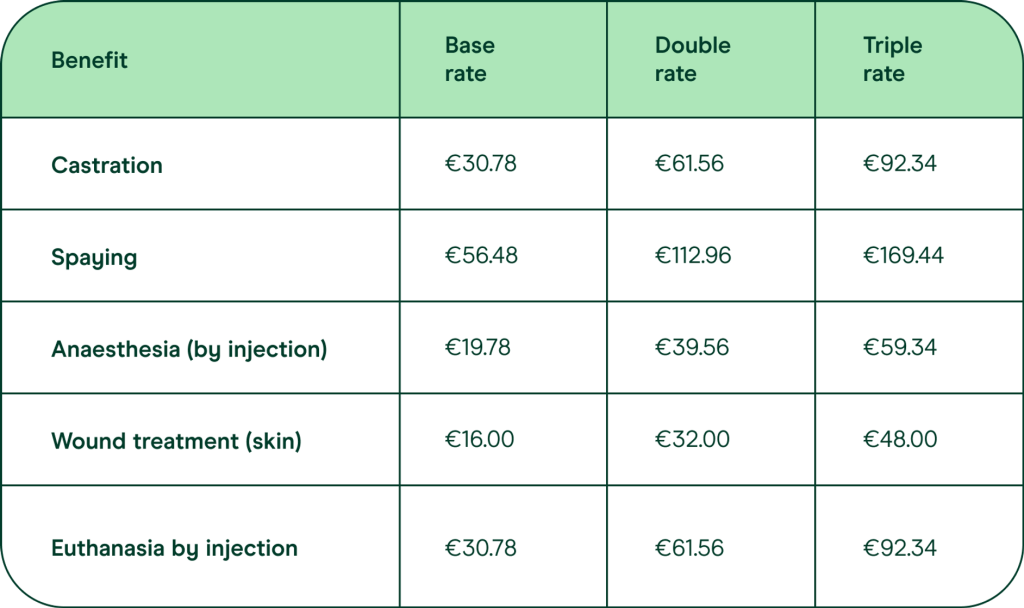
Spaying and neutering are essential for controlling cat populations. These procedures prevent unwanted pregnancies. Spaying involves removing the ovaries and uterus in female cats. Neutering involves removing the testicles in male cats. Costs depend on your location and vet clinic. Expect to pay between $50 to $300. This investment often leads to healthier cats. Reduced risk of certain diseases is one benefit.
Dental Surgery
Dental surgery maintains a cat’s oral health. Common issues include tooth decay and gum disease. Surgery can involve tooth extraction or cleaning. Costs for dental procedures can range from $150 to $1,000. Factors include the complexity and anesthesia used. Regular dental care minimizes these costs. Healthy teeth mean fewer trips to the vet.
Diagnostic Testing Expenses
Understanding the costs of diagnostic testing for cats is crucial. It helps pet owners manage their budget effectively. Diagnostic tests are essential for assessing a cat’s health. These tests help veterinarians detect underlying issues. They ensure your feline friend receives the best care possible. Let’s delve into the common diagnostic testing expenses you may encounter.
Blood Work
Blood work is a fundamental diagnostic tool for cats. It provides vital information about their health. A basic blood test may cost between $50 to $100. Comprehensive panels can range from $100 to $200. Blood tests can reveal anemia, infections, and organ function issues. Regular blood work helps maintain your cat’s overall wellness.
X-rays And Ultrasounds
X-rays and ultrasounds are essential imaging tests for cats. They provide a detailed view of internal structures. X-rays typically cost around $100 to $250. Ultrasounds can range from $200 to $500. These tests help detect fractures, tumors, and organ abnormalities. They are key for diagnosing conditions that aren’t visible externally.
Medication And Prescriptions
When caring for your feline friend, medication and prescriptions can be a significant part of the vet bill. Understanding these costs can help you manage your budget better and ensure your cat gets the care it needs. Whether it’s a one-time prescription or long-term treatment, being prepared can ease the financial burden.
Pain Relief
Cats, like humans, may require pain relief for various reasons, such as surgery or chronic conditions. Pain relief medications for cats can range from $10 to $50 per prescription, depending on the type and dosage. Your vet will guide you in selecting the best option for your cat’s specific needs.
When my cat Luna had dental surgery, her pain relief medication cost around $30. It was essential to her recovery and comfort. Ask your vet about generic options that may be more affordable but equally effective.
Long-term Medications
If your cat has a chronic condition, like arthritis or hyperthyroidism, long-term medications become a part of your monthly expenses. These costs can vary significantly. Some medications might be as low as $20 per month, while others can exceed $100, depending on the complexity of the condition.
Consider setting aside a small amount each month to cover these predictable expenses. This can prevent financial strain and ensure your cat doesn’t miss a dose. Have you considered pet insurance? It might offset some of these ongoing costs.
Have you ever had to budget for cat medications? Share your experiences in the comments. Your insights could help others facing similar challenges.
Cost Saving Strategies
Vet bills for cats can quickly add up, causing stress for pet owners. Finding ways to manage these costs can ease financial pressure. Several strategies can help reduce vet expenses, making care more affordable. These strategies include pet insurance and discount programs. Each has its own benefits and can lead to significant savings.
Pet Insurance
Pet insurance can significantly cut down unexpected vet costs. It covers accidents, illnesses, and sometimes routine care. Monthly premiums vary based on coverage and your cat’s age. Comparing plans helps in selecting the right fit for your budget. With insurance, you only pay a portion of the vet bill. This ensures your cat receives the necessary care without financial strain.
Discount Programs
Discount programs offer another way to save on vet bills. Many clinics provide loyalty programs or packages for regular visits. These programs can include vaccinations and dental cleanings at reduced rates. Some organizations offer memberships for discounted services at partner vet clinics. Research local options to find programs that suit your cat’s needs. Participating in these programs can lead to substantial savings over time.
Factors Influencing Vet Bills
Understanding vet bills for cats can be tricky. They vary greatly. Several factors influence these costs, making them unpredictable. Knowing these factors helps you plan better. Let’s dive into the key elements affecting vet bills.
Location Variations
Where you live affects vet costs. Urban areas often charge more. Rural areas might be cheaper. Cities have higher rent and wages. This increases clinic fees. Access to specialized services also matters. More services mean higher costs.
Clinic Type
Different clinics charge differently. Private clinics can be pricey. They often offer personalized care. Larger clinics might be more affordable. They handle more patients daily. Specialized clinics have higher fees. They offer advanced treatments. Each type offers unique benefits and costs.

Credit: www.facebook.com
Frequently Asked Questions
How Much Money To Take A Cat To Vet?
A typical vet visit for a cat costs $50 to $100. Vaccinations, spaying, or neutering can raise costs to $200-$500. Emergency care or specialized treatment may exceed $1,000. Always inquire about specific services and fees at your local vet for accurate pricing.
How Much Should Cats Go To The Vet?
Cats should visit the vet at least once a year for a routine check-up. Kittens and senior cats may require more frequent visits. Regular vet visits help ensure vaccinations, dental care, and overall health monitoring. Always consult your vet for personalized advice based on your cat’s specific needs.
What Is The Most Expensive Vet Bill For A Cat?
The most expensive vet bill for a cat can exceed $10,000 for severe conditions like cancer or organ failure. Costs vary based on treatment, location, and complications. Pet insurance can help reduce financial strain. Always consult your vet for detailed cost estimates and treatment plans.
What Happens If I Can’t Afford To Take My Cat To The Vet?
Seek financial assistance from animal charities or local shelters. Explore low-cost clinics or payment plans. Consider pet insurance for future needs. Ask friends or family for temporary help. Prioritize your cat’s health and explore all available resources.
Conclusion
Caring for a cat can be costly. Vet bills vary greatly. Routine check-ups are essential. They help catch problems early. Emergencies can drive costs up. Planning helps manage these expenses. Pet insurance is worth considering. It offers peace of mind.
Regular savings can also assist. Every cat deserves good health. Being prepared ensures your cat stays happy. Understanding potential costs can prevent surprises. Always budget for your furry friend’s care. Their wellbeing is a priority. Love and care go a long way.
Your cat’s health is in your hands. Make informed choices for their benefit.