
Are Cat Worms Contagious? Discover the Truth
Imagine cuddling with your beloved cat, only to wonder if their health concerns might affect you or your family. It’s a thought that can cause a ripple of worry.
Are cat worms contagious? This question might have crossed your mind, leaving you eager for clear, straightforward answers. You want the best for your furry friend, and understanding the risks is key to protecting both their health and yours. We’ll unravel the truth about cat worms, demystifying their nature and transmission.
Stick around, because what you’ll discover could be crucial for the well-being of everyone in your household. Let’s dive into the facts that every cat owner should know.
:strip_icc()/roundworms-in-cats-3385241_FINAL-b5c2bccc431b4c319e848bd29cda15cf.jpg)
Credit: www.thesprucepets.com
Types Of Cat Worms
Cat worms, like roundworms and tapeworms, pose a risk of spreading to humans and other pets. Transmission occurs through contact with infected feces or fleas. Regular vet check-ups help prevent and control these parasites.
Understanding the different types of worms that can affect your feline friend is crucial for maintaining their health and well-being. While these tiny invaders may seem harmless, they can cause significant health problems for your cat. Let’s dive into the various types of cat worms and what each means for your pet.Roundworms
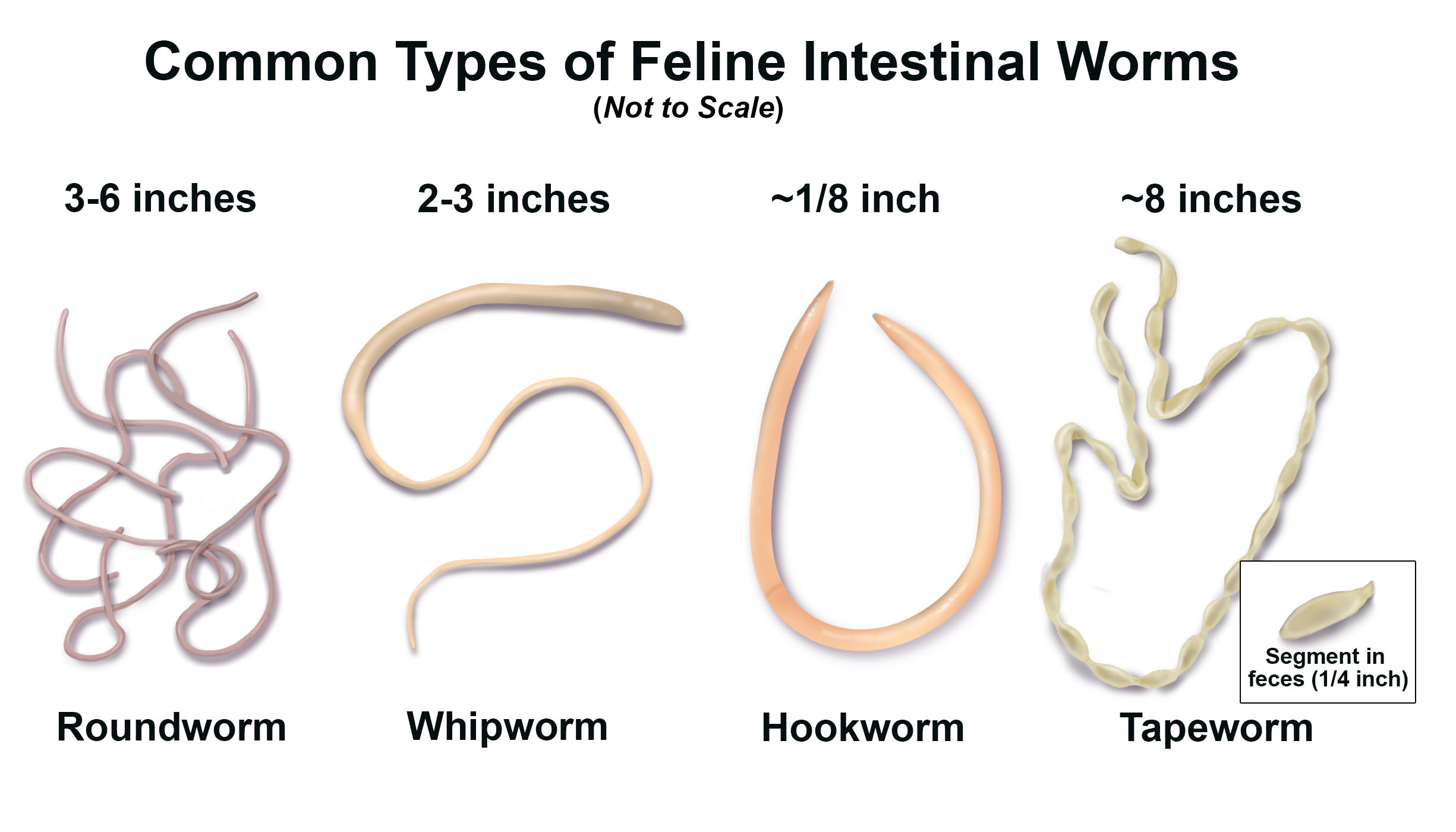
Roundworms are the most common type of worms found in cats. They resemble spaghetti noodles and can grow several inches long. Your cat can become infected by ingesting roundworm eggs found in contaminated soil or feces. Kittens are particularly vulnerable as they can contract these worms through their mother’s milk. Symptoms in cats can include a pot-bellied appearance, vomiting, or diarrhea. If you notice any of these signs, a vet visit is essential for diagnosis and treatment.Tapeworms
Tapeworms are another frequent visitor in the world of cat parasites. These worms have a flat, segmented body and are usually transmitted through fleas. If your cat ingests an infected flea during grooming, they may become a host to tapeworms. You might find small, rice-like segments around your cat’s anus or in their bedding. These are segments of the tapeworm breaking off. Tapeworms can cause weight loss and irritation, so timely deworming is important.Hookworms
Though less common, hookworms can be particularly dangerous for cats. They are small, thin worms that latch onto the intestinal wall, feeding on your cat’s blood. This can lead to anemia, especially in kittens. Cats can pick up hookworms by walking on contaminated soil or through their skin. Symptoms include pale gums and lethargy. Regular vet check-ups and maintaining a clean environment can help prevent hookworm infections. Have you ever noticed any unusual behavior in your cat that made you think twice about their health? Observing your pet closely and understanding these types of worms can make all the difference. Knowing what to look for ensures you’re one step ahead in keeping your furry friend healthy and happy.Transmission Methods
Cat worms can be contagious, spreading through contact with infected feces or contaminated surfaces. Fleas also play a role in transmission, carrying worm larvae that infect cats. Regular vet check-ups help manage and prevent worm infestations.
Understanding how cat worms are transmitted is crucial for any pet owner. Worms can spread in various ways, each presenting unique risks for your feline friend. Knowledge of these transmission methods can help you take practical steps to protect your cat and household.Direct Contact
Direct contact is one of the most straightforward ways worms can be transmitted. Cats can easily contract worms through physical interaction with an infected animal. Imagine your cat playing with a neighborhood feline that carries worms. This innocent encounter could lead to your cat getting infected. Always monitor your cat’s playmates and interactions to minimize this risk.Environmental Exposure
The environment is another common source of worm transmission. Larvae or eggs can be found in soil, grass, or even on surfaces where infected animals have been. If your cat spends time outdoors, they are at a higher risk of picking up these microscopic threats. Consider whether your garden or local park is a potential hotspot for these parasites. Regularly cleaning your cat’s living area and keeping them indoors can reduce exposure.Fecal-oral Route
The fecal-oral route is a less pleasant but significant method of transmission. Cats can ingest worm eggs through contaminated feces. It’s a stark reminder of how vital it is to maintain a clean environment for your pet. If you’ve ever watched your cat sniff or explore their litter box, you know how easily this can happen. Ensure you clean the litter box frequently and wash your hands thoroughly afterward. Ask yourself: are you doing enough to prevent these transmission methods? By taking proactive steps, you can safeguard your cat’s health and enjoy peace of mind. The more you understand about how worms spread, the better equipped you’ll be to protect your furry family member.Symptoms In Cats
When your furry friend isn’t acting like their usual self, it might be a sign of something more serious. Cat worms can easily be mistaken for other ailments, but recognizing their symptoms early can help you take swift action. Have you noticed any changes in your cat’s behavior lately? It’s crucial to be aware of the subtle signs that indicate a possible worm infestation.
Digestive Issues
One of the first signs you might notice is a change in your cat’s digestive habits. Diarrhea or vomiting can be alarming, especially if it’s happening frequently. This isn’t just a minor upset stomach; it could be a sign that worms are affecting their digestive system.
Remember when Fluffy suddenly refused her favorite tuna? Digestive issues caused by worms can lead to a sudden disinterest in food. If your cat’s eating habits shift dramatically, it’s time to consult your vet.
Weight Loss
Despite eating normally, your cat may start losing weight. This can be confusing and worrying. Worms can drain vital nutrients from your cat’s body, causing them to lose weight without any change in their diet.
Imagine the shock of seeing your once-plump kitty looking noticeably thinner. Regular weight checks can help you catch this symptom early. If you feel your cat is losing weight unexpectedly, it’s worth investigating further.
Changes In Coat Appearance
Your cat’s coat speaks volumes about their health. A dull, lifeless coat might indicate more than just a bad fur day. Worm infestations can lead to a lack of essential nutrients, affecting the shine and texture of their fur.
Have you noticed your cat’s coat lacking its usual luster? It’s a subtle hint that something might be wrong internally. Regular grooming sessions can help spot these changes early on.
Keeping an eye on these symptoms can help you ensure your cat remains healthy and happy. Have you ever had to deal with worms in your pets? What symptoms did you notice first? Your experiences might just help others recognize these signs sooner.
Contagion Risks To Humans
Cat worms can pose health risks to humans. These parasites can spread from cats to people. Understanding the contagion risks is crucial for pet owners.
Cat worms are common in felines. They can be transmitted through various means. This makes understanding their impact on humans important.
Zoonotic Potential
Some cat worms have zoonotic potential. This means they can infect humans. Roundworms and hookworms are the most common culprits.
Roundworms can cause eye damage in humans. Hookworms can penetrate human skin. They cause itchy rashes known as “ground itch.”
Awareness of these risks helps in preventing infection. It’s important to maintain hygiene around cats.
Preventive Measures
Regular deworming of cats is essential. This reduces the risk of human infection. Clean cat litter boxes frequently.
Wash hands after handling cats. This simple step can prevent the spread of worms. Use gloves when gardening or cleaning.
Keep cats indoors to reduce their exposure to worms. Consult a vet for the best deworming practices.
Awareness and preventive measures can protect both cats and humans. Stay informed and proactive in managing cat worms.
Diagnosis And Testing
Diagnosing cat worms is crucial for effective treatment. Testing confirms the type of worms present. This process ensures the right treatment plan is followed. Understanding how diagnosis works helps in managing the health of your pet. Two main methods are used: veterinary examination and stool sample analysis.
Veterinary Examination
A vet performs a thorough examination. They check for symptoms like weight loss and vomiting. The vet examines the cat’s fur and skin. These signs hint at a worm infestation. Physical symptoms often guide the vet’s diagnosis. If symptoms suggest worms, further tests are recommended.
Stool Sample Analysis
Stool sample analysis is a key diagnostic tool. The vet collects a sample of the cat’s feces. This sample is examined under a microscope. The vet looks for worm eggs or larvae. Identifying these confirms the presence of worms. This test reveals the specific type of worm infesting the cat.
Both examination methods are important. They help ensure your cat receives proper care. Early diagnosis prevents health complications. Regular testing can safeguard your pet’s health.
Treatment Options
Cats can spread worms to other animals and sometimes humans. Treatment options include deworming medications and regular vet check-ups. Maintaining hygiene in living spaces helps prevent the spread.
Treating cat worms promptly is crucial not just for your pet’s health but also for your family’s well-being. You’ll want to explore various treatment options to ensure your cat is worm-free. From medications to natural remedies, there are several paths to take. Let’s dive into some practical solutions you can consider.Medications
Medications are often the first line of defense against cat worms. They are usually effective and can work quickly. You might find them in the form of tablets, spot-on treatments, or injections. Consult your veterinarian for the best prescription based on the type of worm. For instance, tapeworms and roundworms require different medications. Always follow the dosage instructions to avoid any side effects. Have you ever tried giving your cat a pill, only to have them spit it out? Consider using pill pockets or mixing the medication with their favorite food. This can make the process smoother for both you and your cat.Natural Remedies
Natural remedies can be an appealing option for those looking to avoid chemicals. Pumpkin seeds and garlic are often touted for their potential worm-fighting abilities. You might sprinkle a small amount of ground pumpkin seeds into your cat’s food. Remember, however, that natural remedies may not be as effective as medications. Consult your vet before starting any alternative treatments. This ensures you won’t inadvertently harm your pet. Have you ever used diatomaceous earth as a natural remedy? Some pet owners claim it works wonders. Just be sure to use food-grade diatomaceous earth, and follow safety guidelines closely. Your cat’s health is a priority, and tackling worms can feel overwhelming. Which treatment method aligns with your values and lifestyle? Whether you choose medications or natural remedies, ensure you’re informed and prepared.Prevention Strategies
Cat worms can spread easily, especially to other pets and sometimes humans. Regular vet check-ups and deworming help reduce risks. Clean litter boxes and wash hands after handling cats to prevent transmission.
Preventing cat worms from spreading is crucial for the health of your furry friend and your household. Cats are curious creatures, and their explorations can sometimes lead to unwanted guests, like worms. By implementing effective prevention strategies, you can minimize the risk of your cat contracting and spreading these parasites. Let’s dive into some practical steps you can take to keep your cat and home worm-free.Regular Deworming
Regular deworming is essential in keeping your cat healthy. Vets recommend deworming kittens every two weeks until they are eight weeks old, then monthly until six months. Adult cats should be dewormed every three months. Discuss with your vet to choose the right deworming product for your cat’s needs. A personal tip: set a reminder on your phone to ensure you don’t miss these important dates.Hygiene Practices
Maintaining good hygiene can significantly reduce the risk of worm transmission. Clean your cat’s litter box daily, and wash your hands thoroughly after handling it. Use gloves if you can. Regularly wash your cat’s bedding and vacuum the areas they frequent. If you have children, teach them to wash their hands after playing with the cat. These simple actions can prevent worms from spreading to other pets and family members.Environmental Control
Your home environment plays a key role in preventing worm infestations. Keep your cat indoors as much as possible to limit their exposure to infected feces or prey. If your cat ventures outside, regularly check and clean areas where they roam. Control pests like fleas and rodents, as they can carry worms. This strategy keeps your cat safe and your home a healthy place for everyone. Are you doing enough to prevent worms from spreading? Reviewing and updating your prevention strategies can make a big difference. Taking these actionable steps ensures your cat remains a joyful and healthy companion.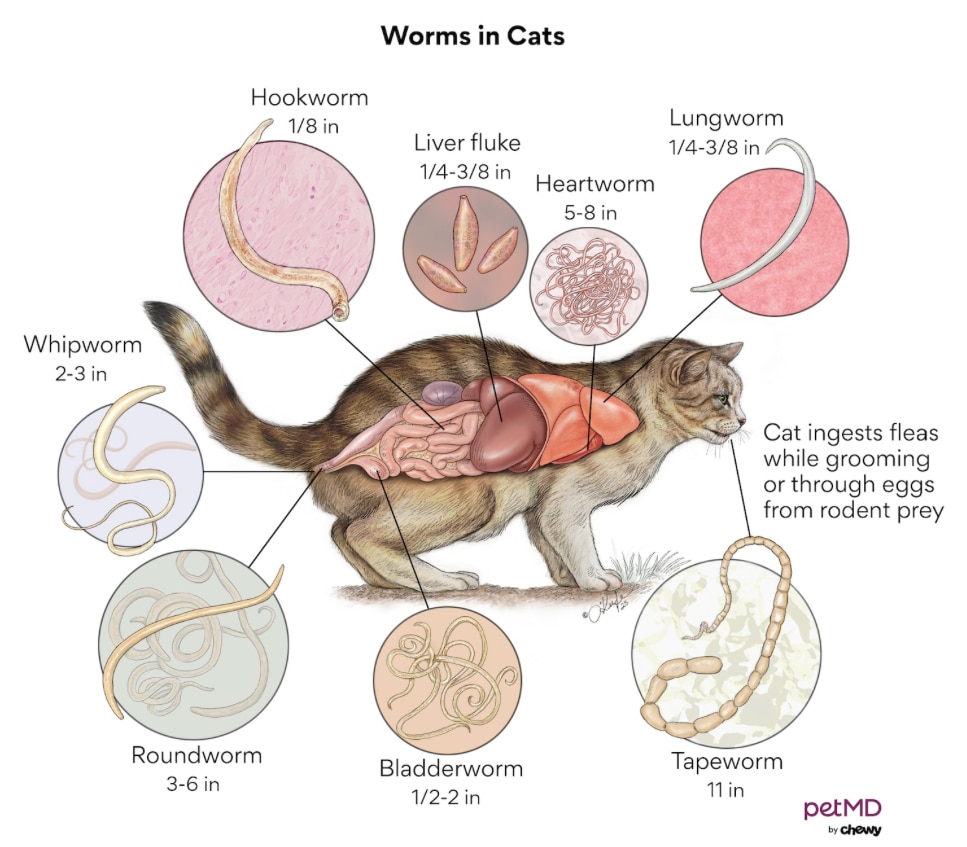
Credit: www.petmd.com
When To Consult A Veterinarian
When your feline friend shows signs of distress, it can be worrying. You might wonder if cat worms are contagious and if it’s time to consult a veterinarian. Knowing when to seek professional help is crucial for your cat’s health and peace of mind.
Persistent Symptoms
If your cat displays ongoing symptoms like vomiting, diarrhea, or a bloated stomach, it’s a red flag. These could be signs of a worm infestation. If these symptoms persist, it’s time to reach out to a veterinarian.
Recurring lethargy or unexplained weight loss also warrant a vet visit. Ignoring these signs can lead to complications. Early intervention is key to effective treatment.
Have you noticed your cat scratching or rubbing their rear excessively? This could be due to worms causing discomfort. Don’t wait for symptoms to worsen before consulting a vet.
Concerns About Human Contagion
Are you worried about catching worms from your cat? It’s a valid concern. Some worms can indeed transfer to humans, especially children.
Have you or your family members experienced unexplained health issues after close contact with your pet? It’s wise to check with a veterinarian.
Preventive measures like washing hands and regular deworming can reduce risks. However, if you suspect transmission, a vet can provide guidance on safeguarding your health.
Have you ever faced a situation where your cat’s health was in question, and you hesitated to visit the vet? Remember, acting promptly can make all the difference. You might save your cat from prolonged discomfort and prevent potential health risks to yourself.
What steps have you taken when your cat showed symptoms? Share your experiences and insights below. Engaging with a community can offer support and valuable advice.
Credit: www.vet.cornell.edu
Frequently Asked Questions
Is It Safe To Be Around A Cat With Worms?
Being around a cat with worms can pose health risks. Humans can contract certain types of worms. Always wash hands after contact and ensure proper treatment for the cat. Keep the environment clean to minimize the risk of transmission. Consult a vet for advice on prevention and treatment.
Can A Cat With Worms Pass It To Another Cat?
Yes, a cat with worms can transmit them to another cat. Worms spread through contaminated feces or soil. Direct contact or sharing litter boxes increases the risk. Regular vet check-ups and hygiene help prevent worm infestations. Treat infected cats promptly to stop the spread.
Do I Need To Treat My House If My Cat Has Worms?
Yes, treating your home is important if your cat has worms. Clean and disinfect areas your cat frequents. Wash bedding and toys thoroughly. Vacuum carpets and furniture to remove eggs. Consult your vet for specific recommendations. Keeping your home clean prevents reinfection and protects other pets and family members.
How Likely Am I To Get Worms From My Cat?
Direct transmission of worms from cats to humans is uncommon. Practice good hygiene to reduce risk. Wash hands after handling your cat, clean litter boxes regularly, and ensure your cat receives regular deworming treatments. Consult a veterinarian for advice on preventing worm infections.
Conclusion
Preventing cat worms is simple and essential. Keep your cat’s area clean. Regular vet visits help catch problems early. Use prescribed medications for deworming. They protect your cat from worms. Teach family about proper hygiene. It reduces risk of spreading worms.
Cats can pass worms to each other. But, humans are less likely to catch them. Stay informed for your pet’s safety. A healthy cat is a happy cat. Follow these steps for peace of mind. Your feline friend’s health depends on you.
Keep them safe and worm-free.