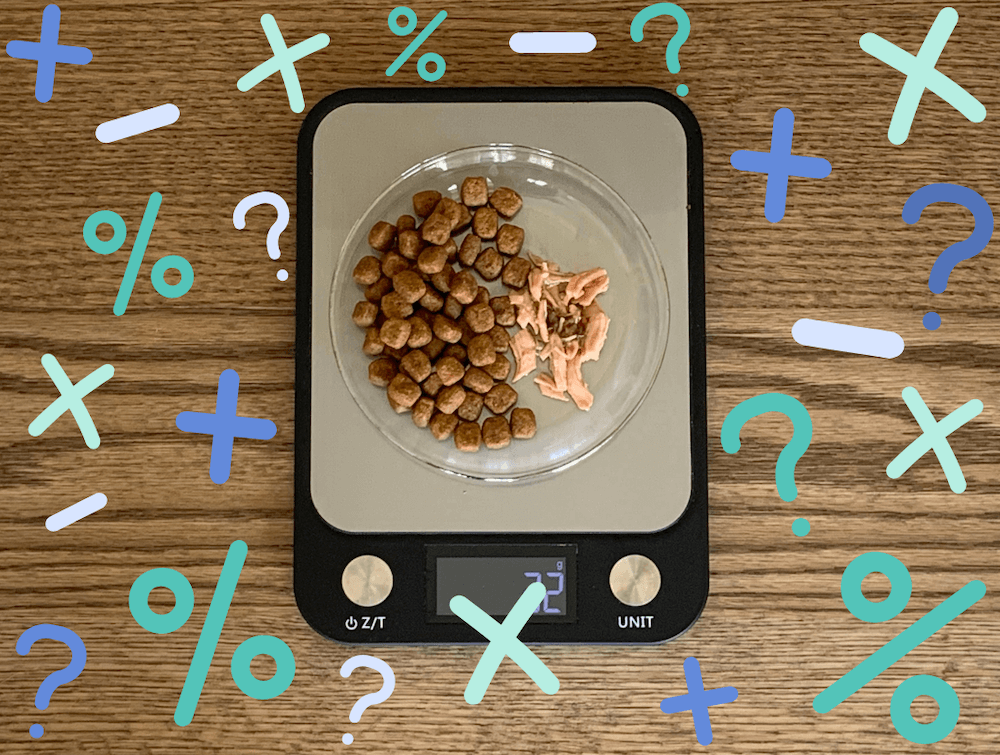
Are you constantly wondering how much food your feline friend really needs? You’re not alone!
Finding the perfect feeding balance for your cat can feel like cracking a secret code. But don’t worry, there’s a way to make this task simple and stress-free. Imagine having a handy tool that tells you exactly how much to feed your cat based on their age, weight, and activity level.
Exciting, right? By using a cat feeding calculator, you can ensure your furry companion stays healthy and happy. Get ready to discover how this tool can transform your cat care routine and give you peace of mind. Keep reading to unlock the secrets of proper cat nutrition and learn how to use this calculator effectively!
Understanding Cat Nutrition
Determining the right amount of food for your cat can be challenging. A feeding calculator helps you find the perfect portion size based on age, weight, and activity level. This ensures your cat gets balanced nutrition for a healthy life.
Understanding the nutritional needs of your cat is crucial for their health and happiness. Many cat owners wonder if they’re feeding their feline companions the right amount and type of food. This is where a “How Much Should I Feed My Cat Calculator” can be incredibly helpful. But before relying on a calculator, it’s essential to grasp the basics of cat nutrition.Essential Nutrients
Cats are obligate carnivores, meaning they need nutrients that are primarily found in animal products. They require a diet rich in proteins and fats. Proteins are vital for growth and repair, while fats provide energy. Cats also need taurine, an amino acid crucial for heart and eye health. Don’t forget vitamins and minerals like calcium and vitamin A, which are essential for strong bones and a healthy immune system.Common Dietary Needs
The average cat needs a balance of proteins, fats, and carbohydrates. Unlike dogs, cats don’t require a high carbohydrate intake. Feeding them too many carbs can lead to obesity. Wet and dry food both have their benefits. Wet food can help with hydration, while dry food can aid in dental health. It’s often a good idea to include both in your cat’s diet.Impact Of Breed And Age
Different cat breeds have unique dietary needs. For example, a Maine Coon may require more calories than a Siamese due to its larger size. Kittens need more protein and calories to support their rapid growth. Adult cats need a maintenance diet, while seniors may require food that supports joint health. Consider your cat’s breed and age when determining their dietary needs. Are you giving your cat the right nutrition for their stage of life and breed? Understanding these aspects can help you make informed choices about their diet.Factors Affecting Cat Feeding
Feeding your cat depends on age, weight, and activity level. A calculator helps determine the right portion size. Consider these factors for a healthy feeding plan.
Feeding your cat the right amount is crucial for their health and happiness. But how do you determine the perfect portion? A cat feeding calculator can help, but understanding the factors that affect how much to feed is essential. Let’s dive into the key elements that play a role in deciding your cat’s dietary needs.Activity Level
A cat’s activity level greatly influences its caloric needs. An indoor cat lounging on the couch all day requires fewer calories than an outdoor adventurer chasing butterflies. Consider if your cat is more of a nap enthusiast or a playful bundle of energy. Adjusting portions based on activity keeps your cat from gaining unwanted weight.Weight Considerations
Is your cat’s weight ideal, or is there room for improvement? A cat that’s too thin or too chubby may need a different feeding strategy. Regularly weigh your cat and consult with your vet to determine the best feeding plan. It’s about balance, not just numbers on a scale.Health Conditions
Health conditions can significantly affect your cat’s dietary requirements. Cats with diabetes, kidney disease, or food allergies need special attention to their diet. For example, my own cat, Luna, was diagnosed with kidney issues, and we had to switch to a low-protein diet. Always consult your vet if your cat has health concerns to ensure their diet supports their wellbeing. Understanding these factors can transform how you approach feeding your cat. Have you ever considered how activity or health conditions might change your cat’s diet? Adjusting feeding habits can make a world of difference for your furry friend.How Feeding Calculators Work
Feeding calculators are valuable tools for pet owners. They help determine how much food a cat needs daily. These tools ensure pets receive proper nutrition without overfeeding or underfeeding.
Data Input Requirements
Feeding calculators need specific data to work accurately. First, input your cat’s weight. It’s important for determining calorie needs. Next, provide your cat’s age. Kittens need more calories than adult cats. Activity level is also crucial. Active cats burn more energy than sedentary ones. Some calculators ask for the cat’s breed. Different breeds have varying energy needs. Finally, enter any health conditions. This affects dietary requirements.
Algorithm Explanation
Feeding calculators use algorithms to process data. These algorithms analyze the information you provide. They calculate the daily calorie requirement for your cat. Factors like weight, age, and activity level influence the result. Algorithms consider each element’s impact on energy needs. They then suggest a daily portion size. This helps ensure your cat gets the right amount of food.
Benefits Of Using A Calculator
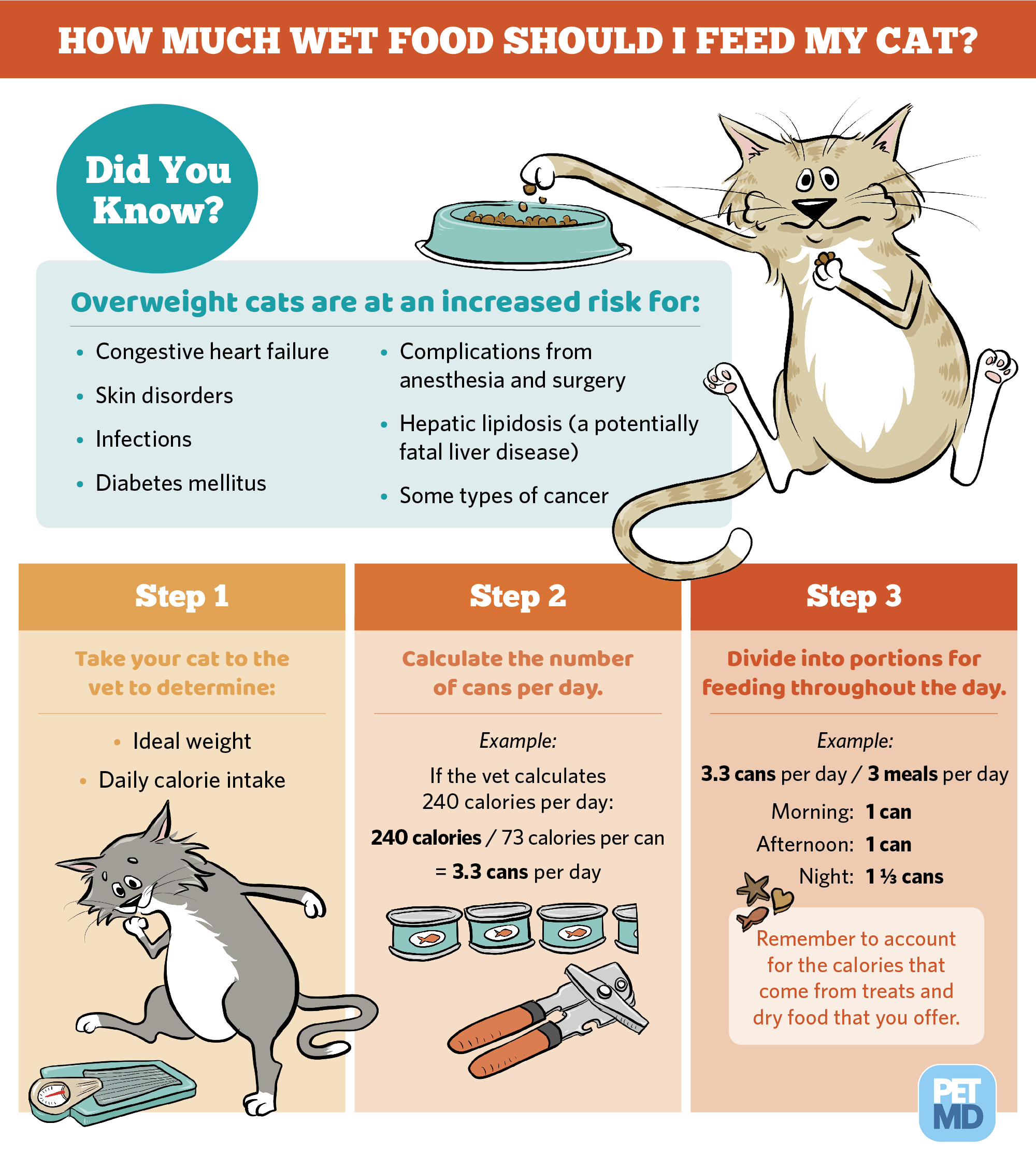
Using a feeding calculator offers several advantages. It simplifies meal planning for your cat. You get precise portion sizes tailored to your pet’s needs. This reduces the risk of overfeeding. It also prevents underfeeding, ensuring your cat stays healthy. Calculators can adjust for changes in weight or activity level. They provide updated feeding recommendations. This adaptability is essential for maintaining your cat’s well-being.

Credit: www.expertcatcare.com
Using A Cat Feeding Calculator
Feeding your cat the right amount is crucial. A cat feeding calculator can help ensure your furry friend gets the nutrition they need. Using this tool, you can easily determine the ideal portion sizes based on your cat’s specific needs. This section will guide you through using a cat feeding calculator effectively.
Step-by-step Guide
Begin by entering your cat’s weight into the calculator. This helps determine the baseline for their dietary needs. Next, input their age. Kittens and older cats have different nutritional requirements. Then, add their activity level. Active cats may need more food compared to sedentary ones. Lastly, select their health status. Some conditions require tailored diets.
Common Mistakes To Avoid
Many people overlook the importance of accurate weight measurement. Guessing can lead to underfeeding or overfeeding. Also, failing to consider your cat’s activity level might result in improper portion sizes. Skipping updates for changes in age or health can affect your cat’s diet. Regularly updating these details ensures better results.
Adjusting For Special Needs
Cats with special dietary needs require careful consideration. For instance, diabetic cats may need specific food portions. Allergies also demand attention to ingredient details. Regularly consult with a vet to adjust feeding for health conditions. This ensures your cat remains healthy and happy.
Popular Cat Feeding Calculators
Finding the right feeding amount for your cat can be tricky. Popular cat feeding calculators simplify this task. These tools estimate how much food your cat needs daily. They consider factors like age, weight, and activity level. Let’s explore some of the top calculators available online and on mobile devices.
Online Tools
Many websites offer cat feeding calculators. They are easy to use. You enter your cat’s details. The calculator suggests the correct portion size. They often provide advice based on scientific research. Some tools also offer tips for special dietary needs. They are ideal for quick access without downloads.
Mobile Applications
Mobile apps provide feeding calculators at your fingertips. They are convenient for on-the-go use. Apps often include reminders for feeding times. Many apps also track your cat’s weight over time. This helps monitor health changes. Apps can provide more personalized feeding plans. They cater to your cat’s specific needs.
Features Comparison
Online tools and mobile apps have distinct features. Online tools are usually free and quick. They are accessible from any device with internet. Mobile apps offer more comprehensive features. They provide tracking and alerts. Apps often have user-friendly designs. This makes managing your cat’s diet easier.
Credit: wb-iisg.com
Tips For Optimal Cat Feeding
Feeding your cat the right amount is crucial for their health. A ‘How Much Should I Feed My Cat Calculator’ can be a helpful tool. Yet, understanding the best practices for feeding is key. Here are some tips for optimal cat feeding.
Routine And Consistency
Cats thrive on routine. Feed your cat at the same times daily. This helps maintain their digestive health. Consistent feeding schedules prevent overeating. It also reduces stress for your cat. Measure food portions accurately every time.
Monitoring Dietary Changes
Watch how your cat responds to dietary changes. Adjust portions if their weight fluctuates. Take note of any changes in behavior or energy levels. A sudden change may indicate a problem. Always introduce new foods gradually.
Consulting With Veterinarians
Your veterinarian is a valuable resource. They can provide guidance on your cat’s diet. Regular check-ups help catch any health issues early. Discuss any concerns about your cat’s feeding habits. They can recommend the best food types and portions.

Credit: digifolio.me
Frequently Asked Questions
How Much Food Should A Cat Eat In A Day?
Cats should eat 24-35 calories per pound daily. Kitten needs more frequent meals than adults. Adjust portions based on activity level, age, and health. Consult your vet for personalized guidance. Ensure a balanced diet with proper nutrients.
How Do I Determine How Much To Feed My Cat?
Check the cat food packaging for feeding guidelines. Consult your vet for personalized advice. Monitor your cat’s weight and adjust portions accordingly. Ensure fresh water is always available.
Is 1/2 Cup Of Food A Day Enough For A Cat?
A cat’s food intake depends on its age, weight, and activity level. Typically, 1/2 cup might be insufficient. Consult a veterinarian for personalized feeding guidelines to ensure your cat receives proper nutrition. Regularly adjust portions based on your cat’s health and lifestyle needs.
How Much Food For A Cat Per Day Calculator?
Use an online cat food calculator to determine daily food needs. Consider factors like age, weight, and activity level. Typically, cats need 24-35 calories per pound daily. Consult your vet for personalized advice.
Conclusion
Feeding your cat properly is crucial for their health. Use a calculator to find the right amount. It considers age, weight, and activity level. Simple and effective. This tool helps avoid overfeeding or underfeeding. Your cat stays happy and healthy.
Adjust portions as needed. Regular checks ensure they get what they need. A balanced diet keeps them active and playful. Remember, every cat is unique. Their dietary needs vary. Always consult with a vet if unsure. Take control of your cat’s diet today.
Keep them purring with joy.