Imagine this: you’re relaxing at home, and suddenly your cat starts vomiting. You might brush it off as a minor issue, thinking it’s just a hairball or something they ate.
But, when does cat vomiting become an emergency? As a cat parent, it’s crucial to know the difference between a simple upset stomach and a potentially life-threatening situation. Your furry friend’s health and well-being depend on your ability to recognize the signs that warrant immediate attention.
Keep reading to discover what you need to watch for and when it’s time to rush to the vet. Your cat’s life could depend on it.

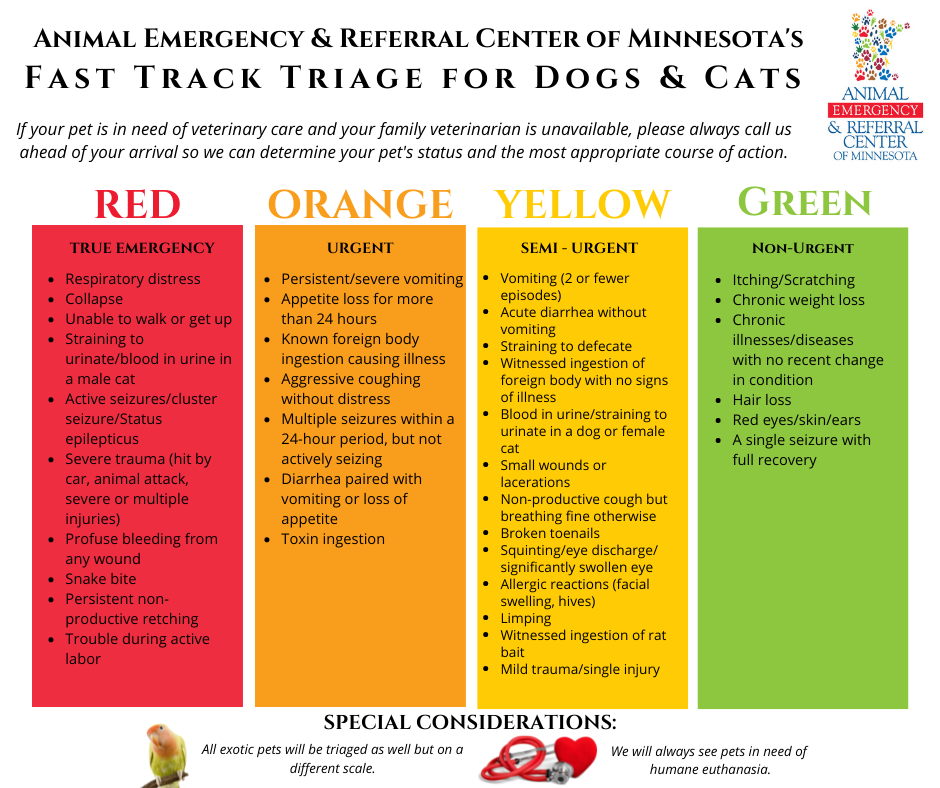
Credit: www.winston-salem.carolinavet.com
Identifying Normal Vs. Abnormal Vomiting
Distinguishing between normal and emergency cat vomiting can be crucial. Persistent vomiting, blood presence, or sudden lethargy indicate a need for immediate veterinary attention. Regular vomiting might be harmless, but severe symptoms should not be ignored.
Identifying when your cat’s vomiting is normal versus when it’s a cause for alarm can be tricky. Many cat owners have seen their furry friends cough up a hairball or two. But how do you know when it’s time to call the vet? Understanding the differences between normal and abnormal vomiting can help you make that decision. Let’s break it down into simple terms.Normal Vomiting: What To Expect
Cats often vomit for benign reasons. Hairballs are a common cause, especially if your cat is a frequent groomer. A change in diet might also upset their stomach temporarily. If your cat vomits occasionally but seems otherwise healthy, it could be nothing to worry about. However, it’s important to monitor the frequency. Is your cat vomiting once a month or once a week? The latter could indicate an issue that needs attention.Abnormal Vomiting: Red Flags
Abnormal vomiting, on the other hand, can signal something more serious. If your cat vomits multiple times in a day, it’s time to be concerned. Look out for signs like lethargy, loss of appetite, or blood in the vomit. Have you noticed any sudden changes in their behavior? These could be clues that something is wrong internally.When To Act: Seeking Veterinary Care
You know your cat best. If something feels off, trust your instincts. Persistent vomiting, especially if accompanied by other symptoms, warrants a trip to the vet. Sometimes, waiting too long can worsen the situation. Would you rather be safe than sorry? A quick check-up can provide peace of mind and ensure your cat’s health is on the right track.Keeping Track: The Vomit Diary
Consider maintaining a “vomit diary” for your cat. Jot down the frequency, color, and any notable contents. This can be incredibly useful for your vet to pinpoint potential issues. How often are you updating the diary? Regular entries can reveal patterns you might otherwise miss. The key is to stay observant and proactive. Your cat relies on you for their well-being, so take note of anything unusual. With the right information, you can make informed decisions about their health.Credit: gsvs.org
Common Causes Of Cat Vomiting
Cat vomiting can be caused by hairballs, eating too fast, or food allergies. Sudden vomiting with blood or severe lethargy signals an emergency. Immediate veterinary care is essential in these cases.
Understanding the Common Causes of Cat Vomiting can help you determine when your feline friend needs immediate veterinary attention. Cats vomit for various reasons, some benign and others more serious. As a pet owner, you need to discern which is which.Dietary Indiscretion
Cats are curious creatures. Sometimes, they eat things they shouldn’t. This could be anything from table scraps to houseplants. If your cat frequently vomits after eating something unusual, it’s a sign to modify their diet. Keep harmful foods and plants out of reach. Have you noticed your cat showing interest in non-food items? It might be time to cat-proof your home.Hairballs
Hairballs are a common issue for cats, especially those with long fur. When grooming, cats ingest loose hair, which can accumulate in their stomach. Occasionally, they need to vomit to expel these hairballs. Regular grooming can reduce the occurrence. Are you brushing your cat enough? A good grooming routine can make a difference.Illness And Infections
Vomiting can also be a symptom of underlying health issues. Conditions like kidney disease, pancreatitis, or infections can cause frequent vomiting. If your cat vomits persistently or shows other signs of illness, it’s time to visit the vet. Early diagnosis and treatment can be crucial. Have you observed any other unusual behaviors in your cat? Don’t ignore these signals. By understanding these common causes, you can better assess your cat’s health. Stay vigilant and proactive in caring for your feline companion. Is your cat’s vomiting a minor issue or a serious concern? Knowing the difference could save their life.Symptoms Indicating An Emergency
Vomiting in cats can signal an emergency if accompanied by symptoms like lethargy or blood presence. Persistent vomiting, refusal to eat, or dehydration may require immediate veterinary attention. Always observe your cat’s behavior for any signs of distress or unusual changes.
When your cat starts to vomit, it’s natural to worry. But how do you know if it’s an emergency? Recognizing the symptoms that indicate a serious issue can make all the difference. Let’s explore the signs that should prompt you to seek veterinary care immediately.Persistent Vomiting
If your cat is vomiting continuously over several hours, it’s a red flag. Occasional vomiting might not be unusual, but frequent episodes can lead to severe dehydration. This could be a sign of an underlying issue that needs urgent attention.Blood In Vomit
Noticing blood in your cat’s vomit is a cause for concern. This could indicate a serious condition like a stomach ulcer or ingestion of a harmful object. If you spot even a small amount of blood, it’s crucial to contact your vet right away.Lethargy And Weakness
Have you ever seen your usually playful cat suddenly become lethargic and weak after vomiting? This is not normal. A drop in energy levels, coupled with vomiting, might suggest a severe illness or toxin ingestion. Quick action is essential to ensure your cat’s well-being. Being vigilant about these symptoms can save your cat’s life. Would you wait if you experienced similar symptoms? Promptly addressing these signs can prevent more serious health issues down the line. Always prioritize your cat’s health by seeking professional advice when needed.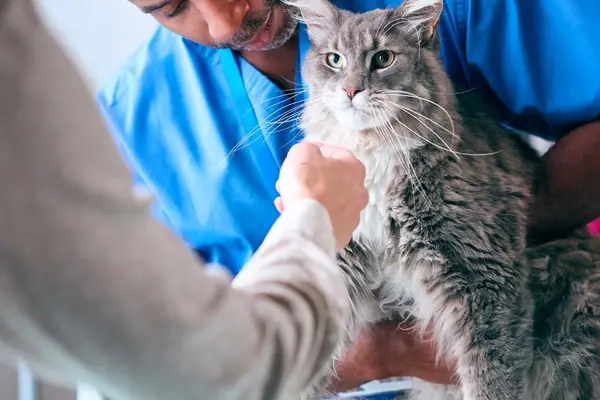
Credit: gsvs.org
Vital Signs To Monitor
Cat vomiting can sometimes signal serious health issues. Knowing what signs to watch helps determine if a vet visit is needed. Monitoring changes in vital signs offers clues about your cat’s health. Understanding these signs keeps your feline safe and healthy.
Changes In Appetite
Watch for sudden changes in eating habits. A cat that stops eating might be in distress. Vomiting can leave a cat dehydrated and weak. Be observant if the cat refuses food for more than a day. A noticeable increase in appetite might also indicate a problem.
Altered Behavior
Behavior changes can be alarming. Cats are creatures of habit; any deviation needs attention. Look out for lethargy or excessive hiding. A cat that seems anxious or restless could be experiencing discomfort. Aggression or unusual vocalization might be signs of pain.
Breathing Difficulties
Normal breathing is crucial for a cat’s health. Rapid or labored breathing requires immediate attention. Vomiting coupled with breathing issues can be serious. Check if the cat is coughing or wheezing. These symptoms may indicate respiratory distress.
When To Contact A Veterinarian
Cat vomiting can be concerning for many pet owners. Sometimes, it’s a sign of a serious issue. Knowing when to contact a veterinarian is essential. Quick action can ensure your cat’s health and safety. Let’s explore specific situations that require veterinary attention.
Recurring Episodes
Vomiting more than once in 24 hours? This calls for concern. Frequent vomiting can lead to dehydration. A veterinarian can find the underlying cause. They can offer treatment options. Keep track of how often your cat vomits. This information helps the vet with diagnosis.
Unusual Vomit Contents
Observe what your cat vomits. Blood or foreign objects need immediate attention. These are signs of a serious condition. It could be an internal injury or blockage. A vet visit becomes urgent. They might need to perform tests. Quick diagnosis can save your cat’s life.
Accompanying Symptoms
Watch for other symptoms alongside vomiting. Is your cat lethargic? Are they refusing to eat or drink? These symptoms indicate a problem. Diarrhea, weakness, or weight loss are concerning too. A combination of these signs requires a vet’s expertise. They can assess and treat your cat effectively.
Preventive Measures
Preventive measures can keep your cat healthy and reduce vomiting incidents. Understanding the right steps can help maintain your cat’s well-being. A proactive approach can lead to fewer emergency situations.
Dietary Management
Choosing the right diet is crucial. Cats need balanced meals tailored to their needs. Consult your vet for diet recommendations. Avoid sudden changes in diet to prevent digestive issues. Provide fresh water daily to keep your cat hydrated.
Regular Health Checkups
Routine veterinary visits are essential. These checkups help detect health issues early. Vets can offer advice on vaccinations and parasite prevention. Regular health assessments ensure your cat stays in top condition.
Environment Safety
Create a safe living space for your cat. Remove harmful plants and chemicals from reach. Ensure your home is free from small objects that can be swallowed. A safe environment reduces the risk of accidents and injuries.
Common Misconceptions
Cat vomiting doesn’t always mean an emergency. Many think it’s serious right away. Sometimes, it’s just a hairball or diet change. But, frequent vomiting or signs of distress need a vet.
Understanding when cat vomiting is an emergency can be tricky. Many cat owners fall prey to common misconceptions, which can delay necessary treatment. It’s vital to separate fact from fiction to ensure your feline friend gets the care they need.Myths About Hairballs
People often believe that all cat vomiting is caused by hairballs. While hairballs are common, they aren’t the only reason for your cat’s distress. If your cat vomits frequently, it might indicate something more serious, like gastrointestinal blockages or infections. Relying solely on the hairball explanation can be dangerous. A friend once ignored their cat’s repeated vomiting, thinking it was just hairballs. Unfortunately, the cat had an intestinal obstruction that required immediate attention. Ask yourself: Is this really just a hairball? If vomiting is persistent, consult your vet to rule out other health issues.Overlooked Symptoms
Another misconception is that vomiting alone is the only symptom to watch for. Many cat owners overlook symptoms like lethargy, weight loss, or changes in appetite. These can accompany vomiting and signal a more significant problem. Consider your cat’s overall behavior and health. Is your usually playful cat suddenly lethargic? Are they eating less than usual? These signs, coupled with vomiting, warrant a trip to the vet. Don’t underestimate these symptoms. They can provide crucial clues about your cat’s health. Always be vigilant and proactive in seeking veterinary advice if you notice these changes. In caring for your cat, knowledge is power. By debunking these myths and paying attention to symptoms, you can ensure your pet stays healthy and happy. What misconceptions might be clouding your judgment about your cat’s health?Frequently Asked Questions
When Should I Take My Cat To The Er For Vomiting?
Take your cat to the ER if vomiting persists for over 24 hours, includes blood, or causes dehydration. Seek immediate help if accompanied by lethargy, loss of appetite, or abdominal pain. Frequent vomiting in kittens or elderly cats also requires urgent care.
Always consult your vet for guidance.
When To Be Concerned About Your Cat Throwing Up?
Be concerned if your cat vomits frequently, shows lethargy, or refuses food. Persistent vomiting can indicate underlying health issues. Contact a veterinarian if vomiting includes blood, or if accompanied by diarrhea or weight loss. Early intervention ensures your cat’s health and well-being.
How Many Times Should A Cat Throw Up Before A Vet?
A cat vomiting more than once or twice in 24 hours needs a vet visit. Persistent vomiting might indicate a serious issue. Contact the vet if vomiting is accompanied by other symptoms like lethargy, diarrhea, or loss of appetite. Early intervention can prevent potential health complications.
What Type Of Vomit Is Concerning In Cats?
Bloody, frequent, or projectile vomiting in cats is concerning. Also, vomit containing foreign objects or persistent vomiting should be evaluated by a vet.
Conclusion
Cat vomiting can sometimes be an emergency. Watch for signs like blood, frequent vomiting, or lethargy. Quick action is crucial if symptoms persist. A vet visit might be necessary to ensure your cat’s health. Always monitor your cat’s behavior closely.
Early detection helps in treating serious issues. Stay calm and act promptly to help your furry friend. Understanding the causes can prevent future problems. Prioritize your cat’s well-being and seek professional advice when needed. Your vigilance can make a big difference.